50mm Encoder: 7 Essential Features for High-Performance Industrial Applications

50mm Encoder: 7 Essential Features for High-Performance Industrial Applications

Table of Contents

  • Introduction to 50mm Encoder Technology
  • What Is a 50mm Encoder?
  • How Does a 50mm Encoder Work?
  • Key Features of 50mm Encoder Systems
  • Applications of 50mm Encoder in Industry
  • Types of 50mm Encoder Solutions
  • Benefits of Using a 50mm Encoder
  • How to Select the Right 50mm Encoder
  • Installation and Maintenance Tips
  • Sensyor Coder Industrial Encoder Solutions
  • Frequently Asked Questions
  • Conclusion

Introduction to 50mm Encoder Technology

A 50mm encoder is a compact motion feedback device designed to measure rotational position, speed, and direction in industrial equipment. It plays an important role in automation systems where accurate control and reliable feedback are required.

Modern manufacturing depends heavily on precise motion monitoring. Machines such as robotics, CNC equipment, packaging systems, and automated production lines use rotary feedback devices to improve efficiency and reduce operational errors.

With a practical size and flexible installation design, a encoder system provides a balance between compact structure and accurate performance.

For professional industrial encoder solutions, you can explore Sensyor Coder products:

https://sensyorcoder.net/products


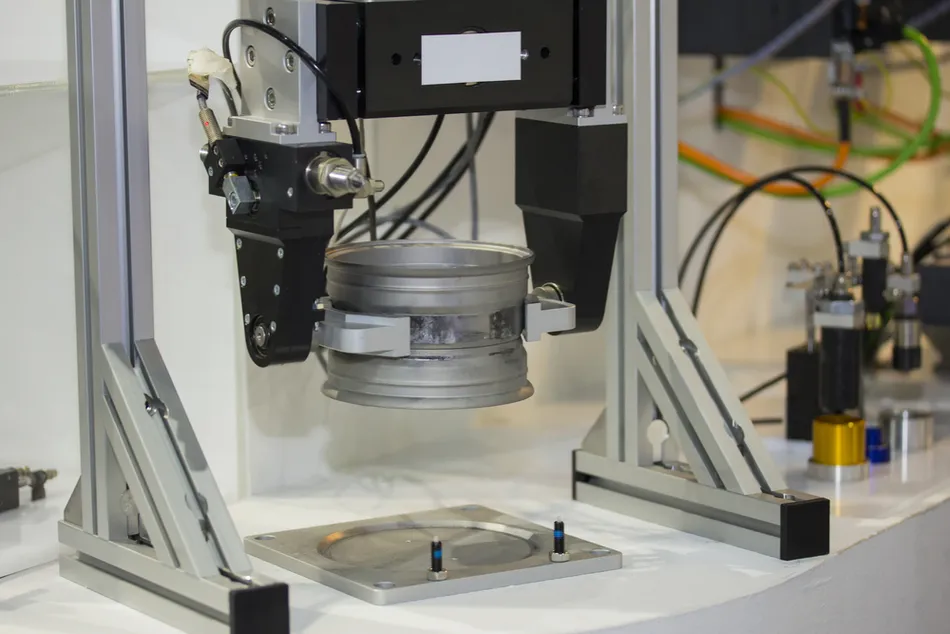
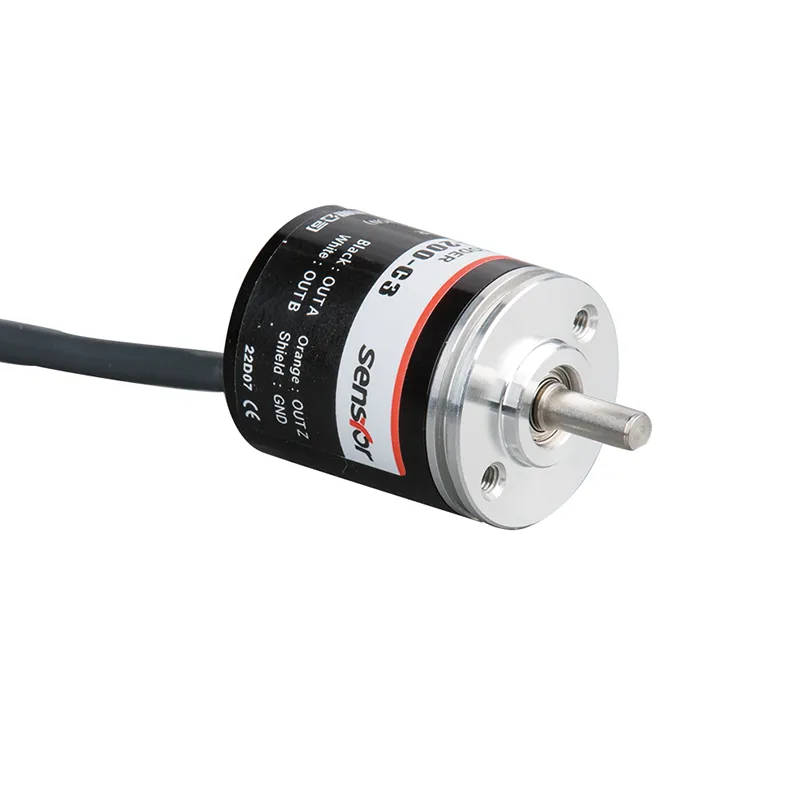
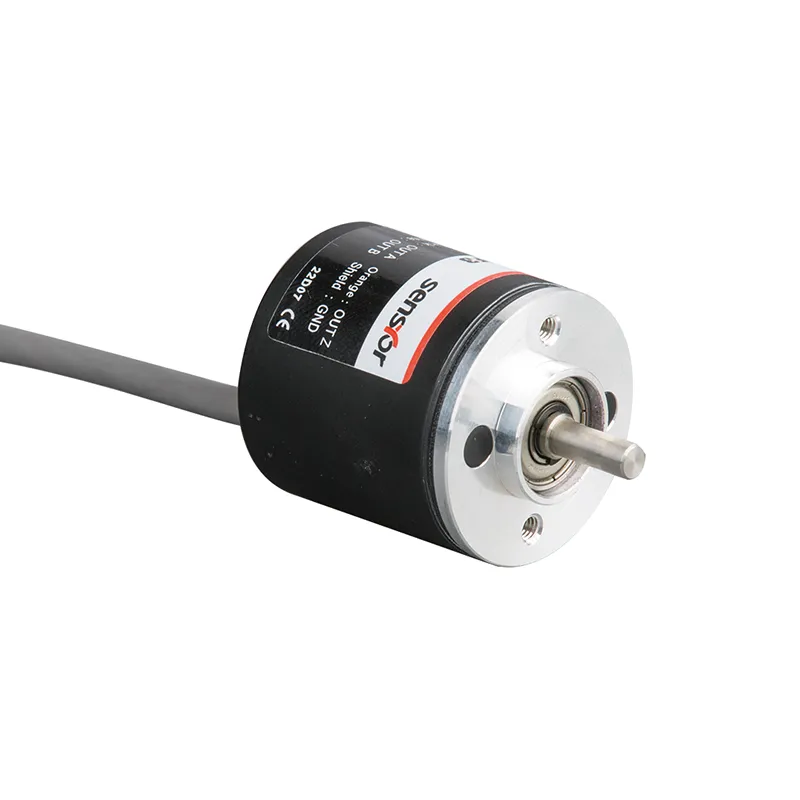
50mm encoder used in industrial automation equipment for precise position feedback
A 50mm encoder provides accurate motion feedback for industrial automation and machine control systems.

What Is a 50mm Encoder and How Does It Work?

A encoder system is a rotary sensor that converts mechanical movement into electrical signals. These signals allow industrial controllers, PLC systems, and servo drives to understand machine movement.

The encoder detects:

  • Rotation speed
  • Position changes
  • Direction of movement
  • Motion accuracy

According to industrial automation references, encoder technology is widely used for precision feedback control.

External reference:

https://www.motioncontroltips.com/what-is-an-encoder


Working Principle of a 50mm Encoder

A typical encoder operates through several steps:

  1. The machine shaft rotates.
  2. Internal sensing components detect movement.
  3. The sensor generates electrical output signals.
  4. The control system processes the feedback information.

Different sensing technologies include:

  • Optical sensing
  • Magnetic sensing
  • Capacitive sensing

Optical systems are known for high accuracy, while magnetic designs often provide stronger environmental resistance.


Key Features of Compact Industrial Encoder Systems

Compact 50mm Encoder Design

One of the biggest advantages of this encoder size is its compact housing.

A smaller diameter allows engineers to install the sensor in machines where space is limited.

Benefits include:

  • Easier integration
  • Reduced installation space
  • Flexible machine design

High Precision Feedback Performance

A quality encoder system helps machines maintain accurate movement control.

Applications requiring precision include:

  • Servo motors
  • Robotic systems
  • Automated assembly equipment

Accurate feedback improves product quality and reduces machine downtime.


Durable Industrial Construction

Industrial environments can expose sensors to:

  • Vibration
  • Dust
  • Temperature changes
  • Mechanical impact

A rugged encoder design helps maintain stable operation under challenging conditions.


Industrial Automation Applications of Rotary Feedback Sensors

50mm Encoder for Manufacturing Equipment

Manufacturing systems require reliable motion measurement.

Common applications include:

  • CNC machines
  • Production lines
  • Material handling equipment

The encoder helps machines achieve consistent positioning and speed control.


50mm Encoder for Robotics Systems

Robots require accurate movement feedback.

A compact rotary encoder allows robotic arms and automated tools to:

  • Position accurately
  • Repeat movements consistently
  • Improve production efficiency

50mm Encoder for Packaging Machinery

Packaging equipment often operates at high speed.

Encoder feedback helps control:

  • Conveyor movement
  • Filling processes
  • Cutting operations

Types of Industrial Rotary Encoder Solutions

Incremental 50mm Encoder

Incremental models generate pulses based on rotation.

Advantages:

  • Simple operation
  • Fast response
  • Cost-effective design

They are widely used for speed monitoring and motion control.


Absolute 50mm Encoder

Absolute models provide exact position information.

Advantages:

  • Maintains position data after power loss
  • Suitable for precision applications
  • Supports advanced automation systems

Benefits of Using Compact Motion Feedback Devices

Improved Machine Accuracy

Precise feedback allows automation systems to operate with better positioning control.

Space-Efficient Installation

The compact structure makes integration easier in modern machinery.

Long-Term Reliability

Industrial-grade materials improve durability and reduce maintenance requirements.

Wide Application Compatibility

These encoders can be used in:

  • Industrial automation
  • Robotics
  • Motion control
  • Manufacturing equipment

How to Select the Right Industrial Encoder

Consider Resolution Requirements

Resolution determines how accurately movement can be measured.

Higher precision machines usually require higher-resolution encoder systems.


Check Output Signals

Common communication options include:

  • Incremental output
  • Absolute output
  • Digital communication interfaces

Choose a model compatible with your control system.


Evaluate Working Environment

Before purchasing, consider:

  • Temperature range
  • Protection requirements
  • Mechanical vibration
  • Installation conditions

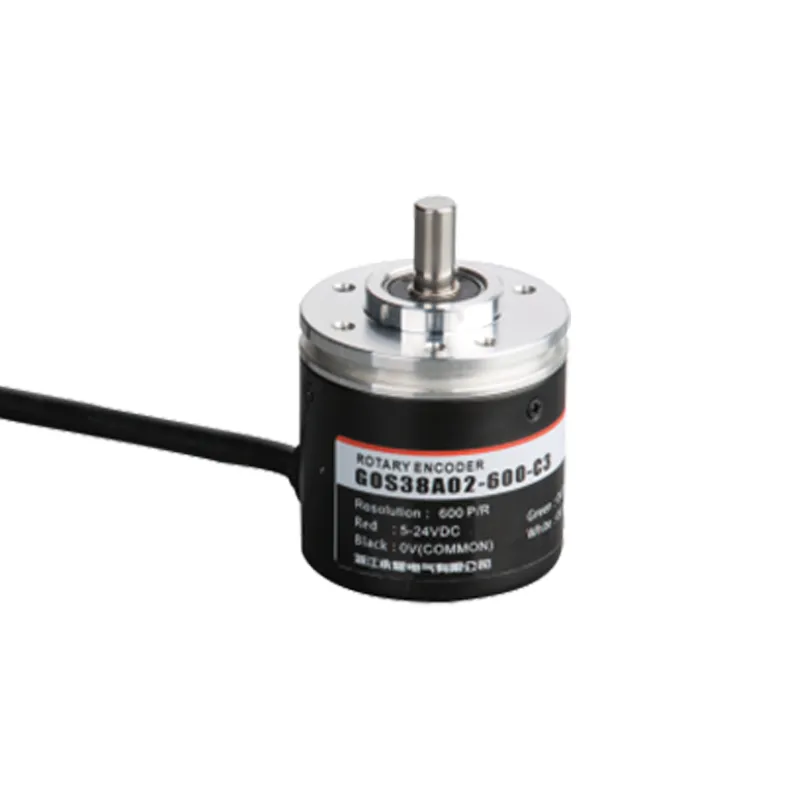
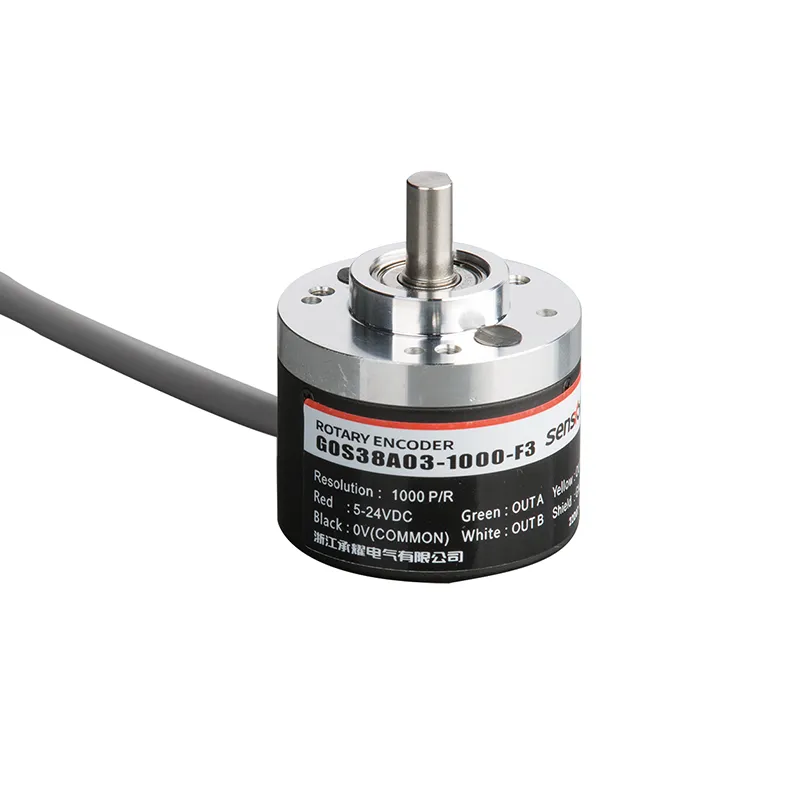
50mm encoder rotary sensor installed on industrial machinery for accurate motion measurement
Compact encoder designs help manufacturers achieve reliable performance in space-limited applications.

Installation and Maintenance Tips

Proper Installation

Recommended practices:

  • Align shafts correctly
  • Avoid excessive mechanical pressure
  • Secure mounting hardware
  • Protect electrical connections

Regular Maintenance

Maintenance tasks include:

  • Checking cable condition
  • Inspecting mounting stability
  • Cleaning external surfaces

Proper care improves encoder service life.


Sensyor Coder Industrial Encoder Solutions

Sensyor Coder provides professional encoder solutions designed for industrial automation applications.

Our products support:

  • Precision motion measurement
  • Reliable feedback control
  • Industrial machine integration

Explore our complete range of industrial encoder products:

https://sensyorcoder.net/products


Frequently Asked Questions About 50mm Encoder

What is a 50mm encoder used for?

A encoder system is used to measure rotation, position, and speed in industrial machines.


Why choose a compact encoder design?

Compact designs simplify installation and allow integration into machines with limited space.


Can a 50mm encoder be used in automation systems?

Yes. It is commonly used in robotics, manufacturing equipment, and motion control applications.


What is the difference between incremental and absolute models?

Incremental models provide pulse-based movement information, while absolute models provide direct position data.


How do I choose the correct encoder?

Selection depends on resolution, output type, environment, and machine requirements.


Where can I buy industrial encoder products?

You can view Sensyor Coder encoder solutions here:

https://sensyorcoder.net/products


Conclusion

A 50mm encoder is a practical solution for modern industrial automation systems requiring accurate feedback, compact installation, and dependable performance.

From manufacturing equipment to robotics and motion control systems, this type of encoder helps improve efficiency and reliability.

By selecting the right specifications and working with an experienced supplier such as Sensyor Coder, businesses can build smarter and more efficient automation solutions.

Related Posts

1000PPR Encoder Guide for Accurate Motion Control

1000PPR Encoder Guide for Accurate Motion Control

Introduction to 1000PPR Encoder A 1000PPR encoder is a motion sensing device that generates 1000 pulses per revolution, allowing precise measurement of position, speed, and direction. In modern automation systems, using a 1000PPR encoder helps improve control accuracy and ensures smooth machine operation across industries such as robotics, CNC machining, and manufacturing. Understanding Encoder Resolution […]

Read More
Custom Encoder Manufacturer: 15 Expert Insights for Choosing the Right Partner

Custom Encoder Manufacturer: 15 Expert Insights for Choosing the Right Partner

📊 SEO-Optimized Outline (Content AI Structured) Heading Level Topic H1 Custom Encoder Manufacturer: 15 Expert Insights for Choosing the Right Partner H2 What is a Custom Encoder Manufacturer H2 Why a Custom Encoder Manufacturer Matters H2 How a Custom Encoder Manufacturer Works H3 Design and Engineering Process H3 Manufacturing and Calibration H2 Types of Products […]

Read More
Incremental Shaft Encoder Precision in Control Industrial Automation

Incremental Shaft Encoder Precision in Control Industrial Automation

In the world of modern manufacturing and industrial automation, Incremental Shaft Encoder for accuracy and position tracking play a vital role. Whether it’s controlling the speed of a conveyor, monitoring the rotation of a robotic arm, or ensuring a CNC machine operates with micrometer-level precision, one small yet essential device makes it all possible — the incremental shaft encoder. But […]

Read More