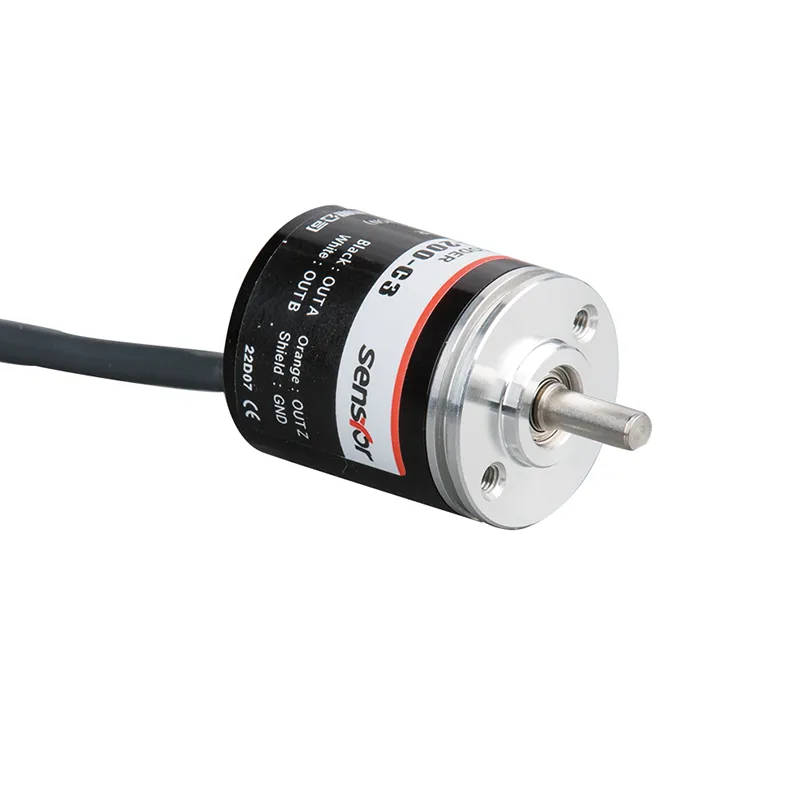
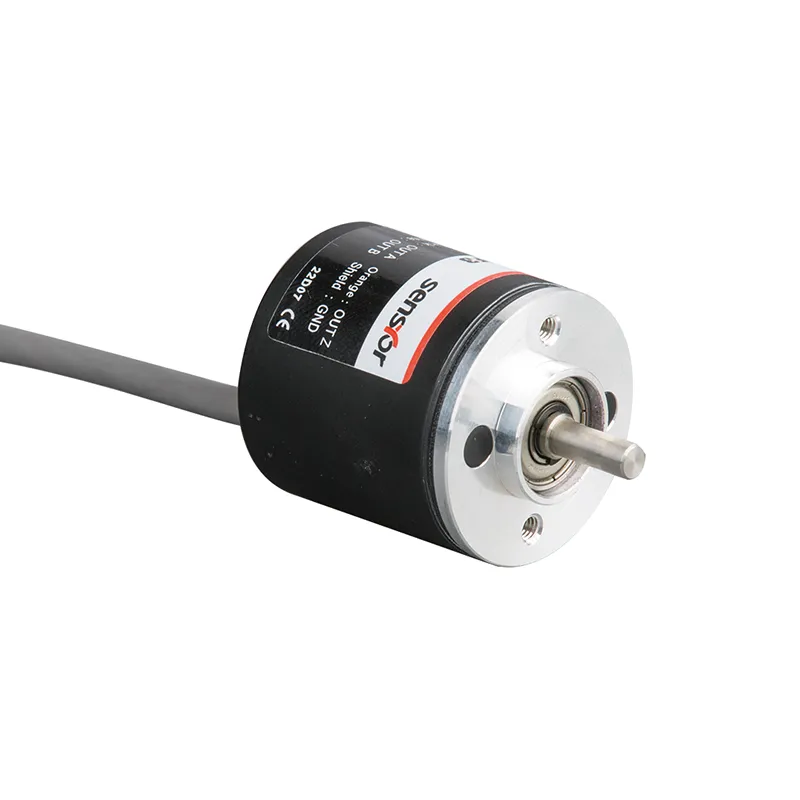
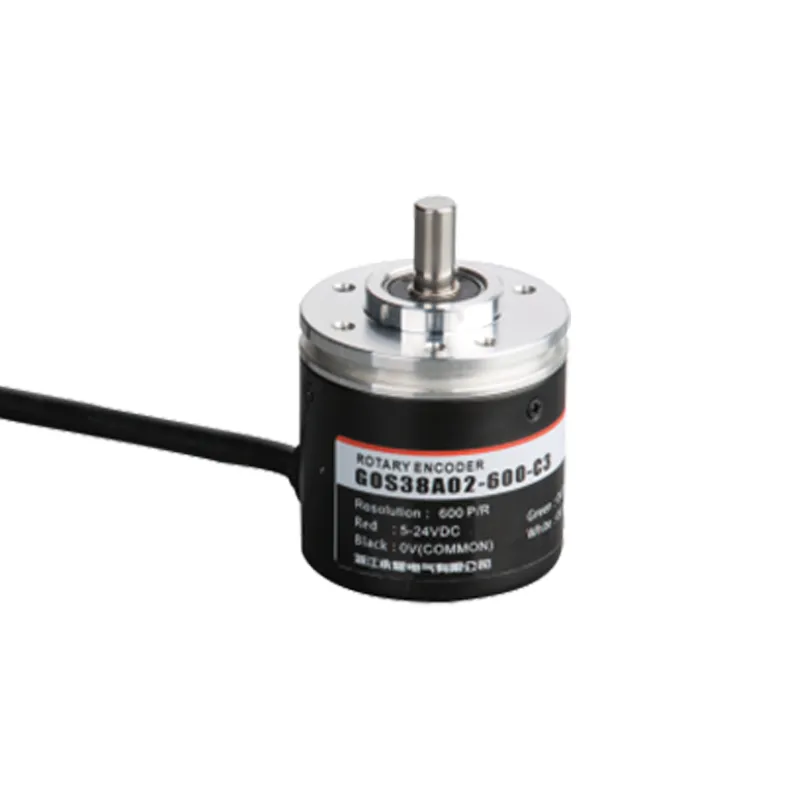
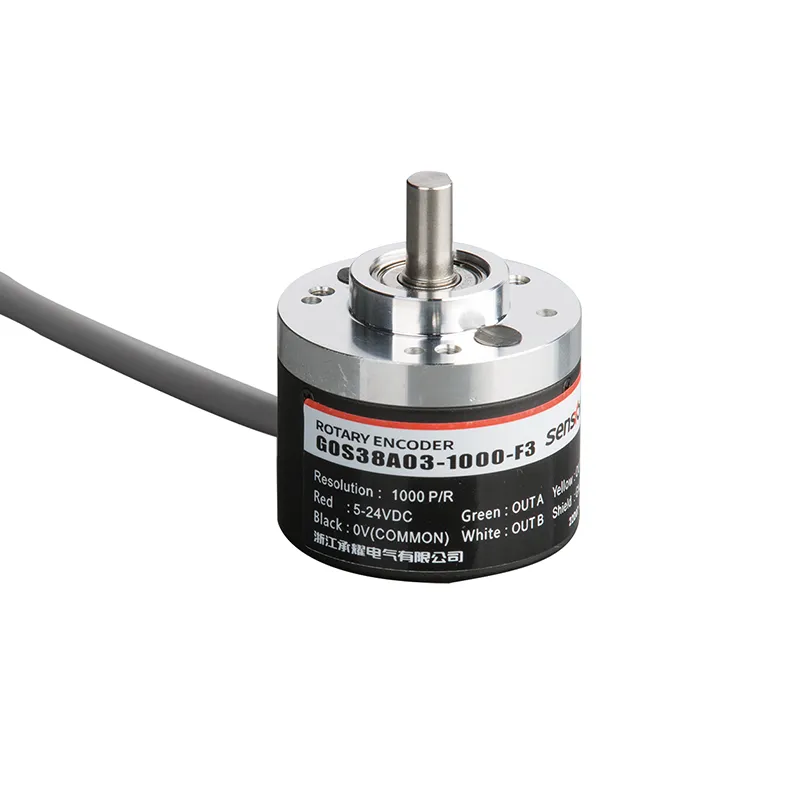
A 40mm encoder is a compact rotary sensing device with a 40mm diameter housing, designed to provide precise position and speed feedback in space-constrained systems. In modern automation, the 40mm encoder plays a vital role in ensuring accurate motion control while maintaining a small footprint.
Because of its size and performance balance, the 40mm encoder is widely used in robotics, CNC systems, and packaging machinery.
What is a 40mm Encoder
A 40mm encoder converts mechanical motion into electrical signals that control systems can interpret. It typically measures:
Position
Speed
Direction
This compact form factor makes it ideal for applications where space is limited but accuracy cannot be compromised.
Why Size Matters in Encoders
The 40mm size offers:
Easy installation in tight spaces
Lightweight design
Reduced system complexity
Compared to larger encoders, a 40mm encoder delivers similar functionality while saving space.
Working Principle of Rotary Encoders
Signal Generation Basics
A 40mm encoder detects motion using optical or magnetic sensing technology. As the shaft rotates, it generates signals that represent movement.
Resolution and Accuracy
Higher resolution in a 40mm encoder means more pulses per revolution, resulting in finer control and better system performance.
It is used for motion control, position tracking, and speed measurement.
2. Is a 40mm encoder accurate?
Yes, it offers high accuracy depending on resolution.
3. Where is it commonly used?
In automation, robotics, and machinery.
4. What is the difference between optical and magnetic types?
Optical offers higher precision, while magnetic is more durable.
5. Does it require maintenance?
Yes, periodic inspection and calibration are recommended.
6. Can it work in harsh environments?
Magnetic versions are better suited for such conditions.
Conclusion
The 40mm encoder is a powerful yet compact solution for modern motion control systems. It combines precision, efficiency, and flexibility, making it ideal for a wide range of industrial and commercial applications.
Table of Contents Introduction to IP65 Encoder IP65 encoder technology is widely used in industrial automation systems where protection against dust and water is essential. An IP65 encoder is designed to operate reliably in harsh industrial environments while maintaining accurate position and speed feedback. The durable structure of an IP65 encoder helps improve machine stability […]
What Is a Nemicon Slim Encoder Equivalent? Nemicon slim encoder equivalent refers to an alternative encoder solution designed to replace or match the performance characteristics of Nemicon slim encoder products. These replacement encoders are developed to provide similar mechanical dimensions, electrical specifications, signal output options, and installation compatibility. In modern industrial automation systems, rotary encoders […]
Table of Contents Introduction to 38mm Rotary Encoder 38mm rotary encoder technology is widely used in industrial automation systems that require compact size and precise motion feedback. A 38mm rotary encoder converts rotational movement into electrical signals, allowing machines to monitor speed, direction, and shaft position with high accuracy. Because of its compact design, the […]
We use cookies to enhance your browsing experience, serve personalised ads or content, and analyse our traffic. By clicking "Accept All", you consent to our use of cookies.