Replace Nemicon Encoder: Why Replacement May Be Necessary
Replace Nemicon encoder solutions are increasingly sought after as many industrial users upgrade equipment, improve system reliability, or face challenges sourcing older encoder models.
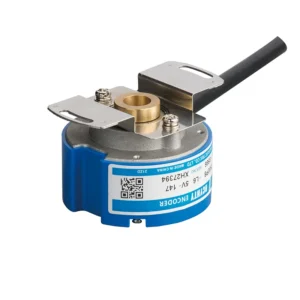
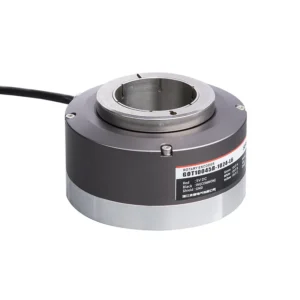
When selecting a replacement, it is important to ensure that the new encoder matches the original specifications, including resolution, output signal, shaft dimensions, mounting configuration, and operating voltage.
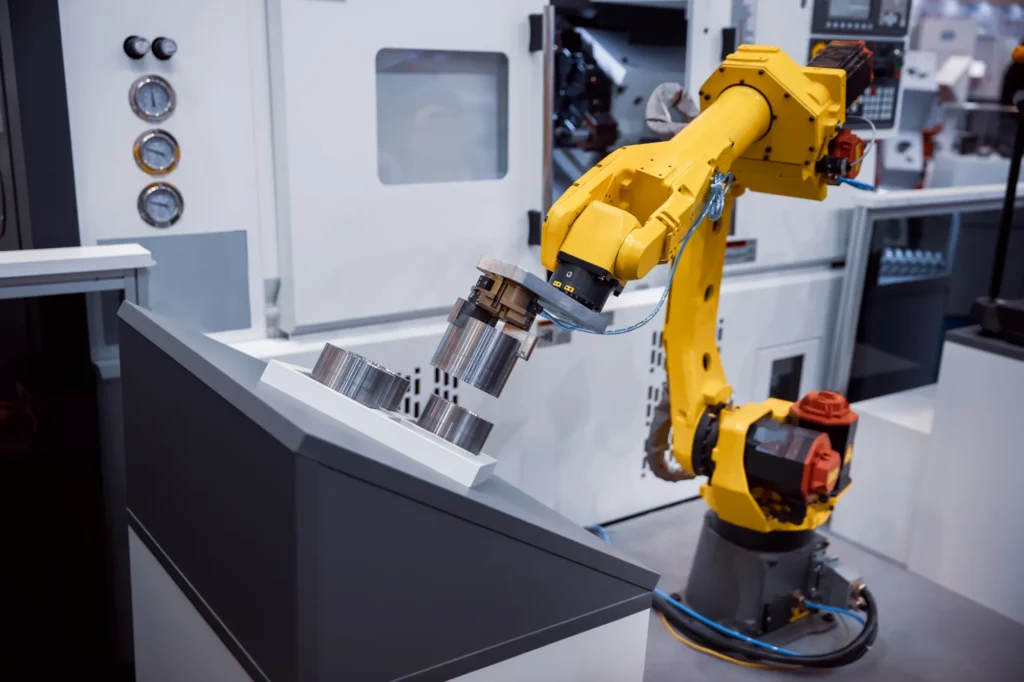
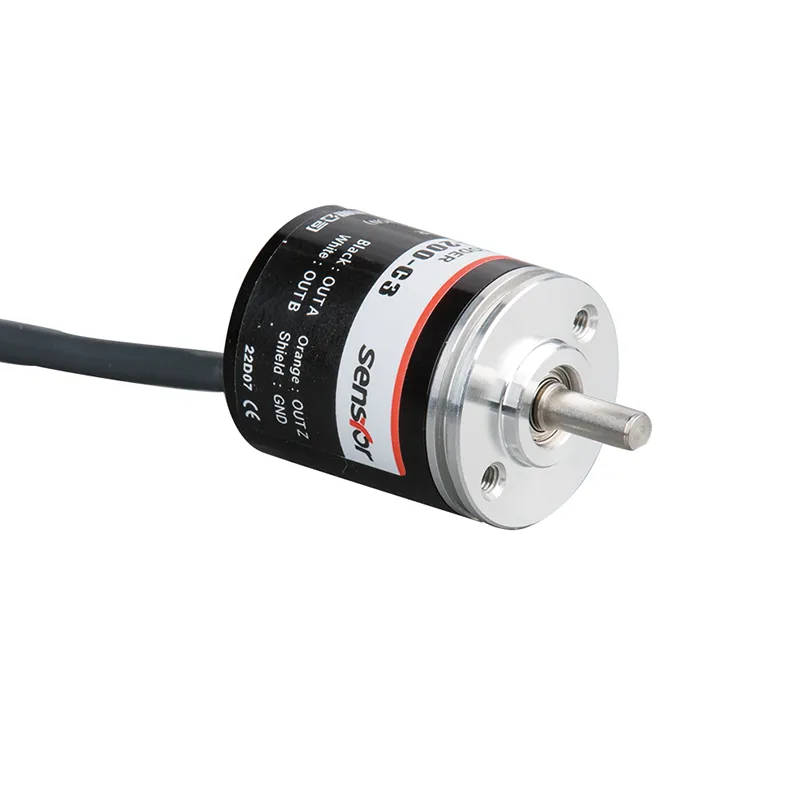
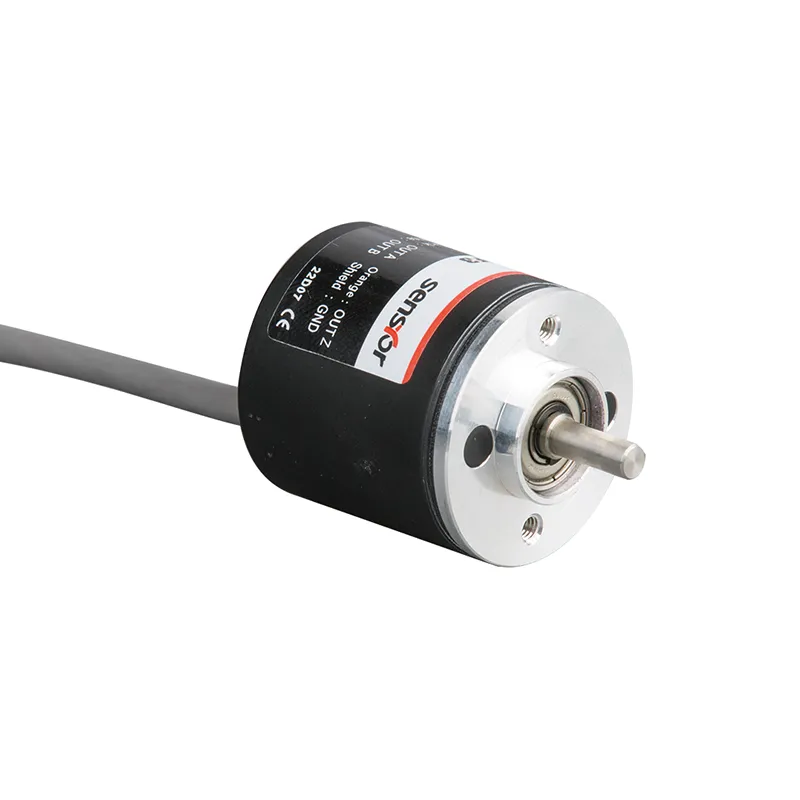
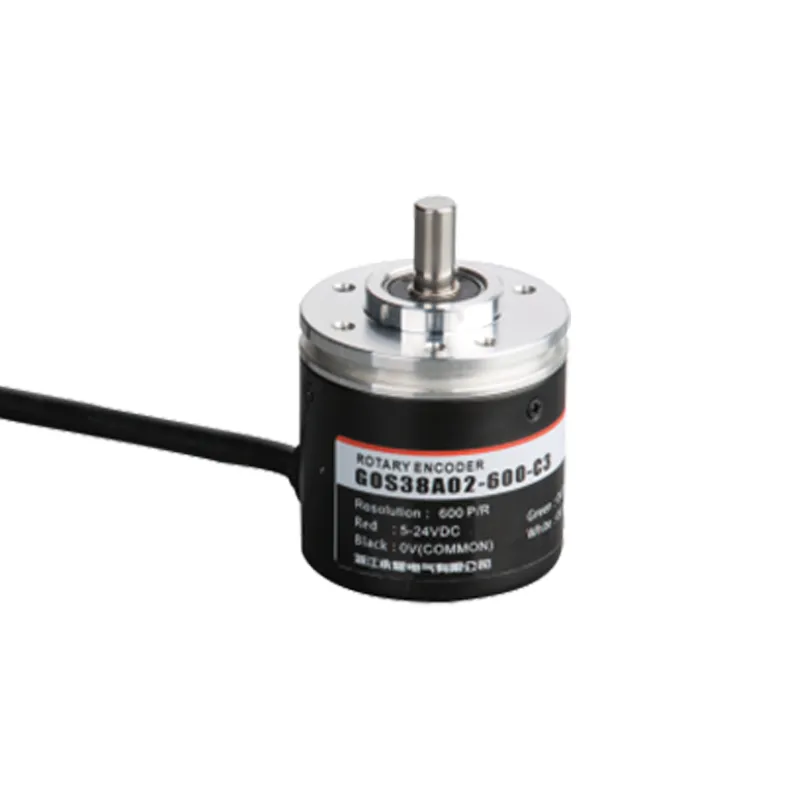
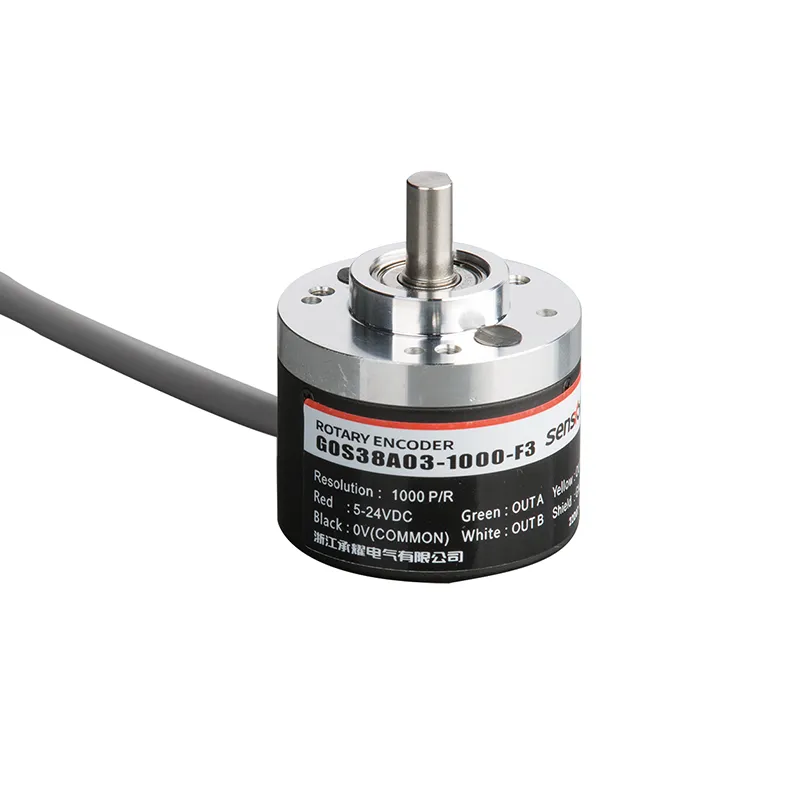
Replace Nemicon encoder application in industrial motor feedback systems
Replace Nemicon Encoder for Long-Term Cost Savings
Many companies choose a replace Nemicon encoder strategy when original parts become difficult to source or are no longer cost-effective. By selecting a compatible replacement encoder with matching specifications, businesses can extend equipment lifespan without investing in a complete system upgrade.
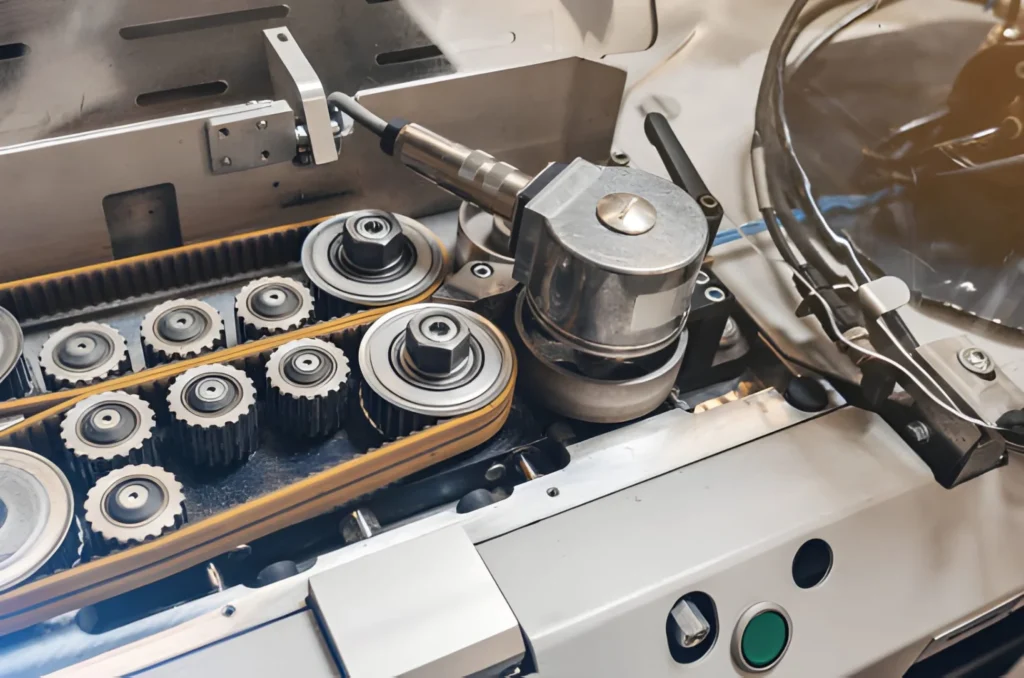
Modern replacement encoders also offer improved durability, making them suitable for demanding environments that involve vibration, dust, moisture, and continuous operation.
A successful replace Nemicon encoder project depends on selecting a compatible encoder that matches the original electrical and mechanical specifications. By carefully evaluating resolution, output signals, mounting requirements, and environmental conditions, users can achieve reliable performance while extending the life of industrial automation systems. For professional replacement solutions and technical support, visit https://sensyorcoder.net/products/.
Table of Contents Replace Tamagawa Encoder Introduction Replace Tamagawa encoder projects are increasingly common as manufacturers seek cost-effective and reliable alternatives for industrial automation systems. When an encoder fails, production downtime can become expensive, making it important to find a compatible replacement quickly. A successful replace Tamagawa encoder solution should maintain positioning accuracy, communication stability, […]
📊 Comprehensive Outline for “hollow shaft encoder” Heading Level Topic Subtopics H1 Hollow Shaft Encoder: 7 Powerful Insights You Must Know for Precision Motion Control Introduction H2 What is a Hollow Shaft Encoder? Definition, Basic Concept H3 How It Differs from Solid Shaft Encoders Structural Differences H4 Core Working Principle of Hollow Shaft Encoder Signal […]
Table of Contents What Is a 24V Encoder? A 24V rotary encoder is an industrial sensor that converts rotary or linear motion into electrical signals for monitoring position, speed, and direction. Because many industrial control systems operate on a 24V DC power supply, a industrial rotary encoder integrates easily with PLCs, servo drives, motion controllers, […]
We use cookies to enhance your browsing experience, serve personalised ads or content, and analyse our traffic. By clicking "Accept All", you consent to our use of cookies.