Industrial Position Sensor Manufacturer: 7 Key Factors to Choose the Right Supplier

Industrial Position Sensor Manufacturer: 7 Key Factors to Choose the Right Supplier

Introduction to Industrial Position Sensor Manufacturer

An industrial position sensor manufacturer plays an important role in modern automation systems by providing accurate sensing solutions for machines, robots, production lines, and industrial equipment.

As factories continue moving toward smart manufacturing, reliable position detection has become essential. Industrial companies require sensors that can operate under demanding conditions while maintaining accuracy, durability, and stable performance.

Choosing the right manufacturer is not only about purchasing a sensor. It is about finding a technology partner that understands motion control, automation requirements, and long-term industrial reliability.

A professional sensor supplier can help businesses improve productivity, reduce downtime, and achieve better machine performance.


What Is an Industrial Position Sensor?

An industrial position sensor is an electronic device designed to detect and measure the position, movement, angle, or displacement of mechanical components.

These sensors convert physical movement into electrical signals that industrial control systems can understand.

Common applications include:

  • Robot arm positioning
  • CNC machine control
  • Conveyor systems
  • Packaging equipment
  • Automotive manufacturing
  • Renewable energy equipment

Industrial position sensors are commonly integrated with PLC systems, servo motors, and industrial automation platforms.

According to industrial automation standards, accurate feedback systems are essential for improving machine efficiency and safety. More information about industrial automation technologies can be found through the International Society of Automation:

https://www.isa.org


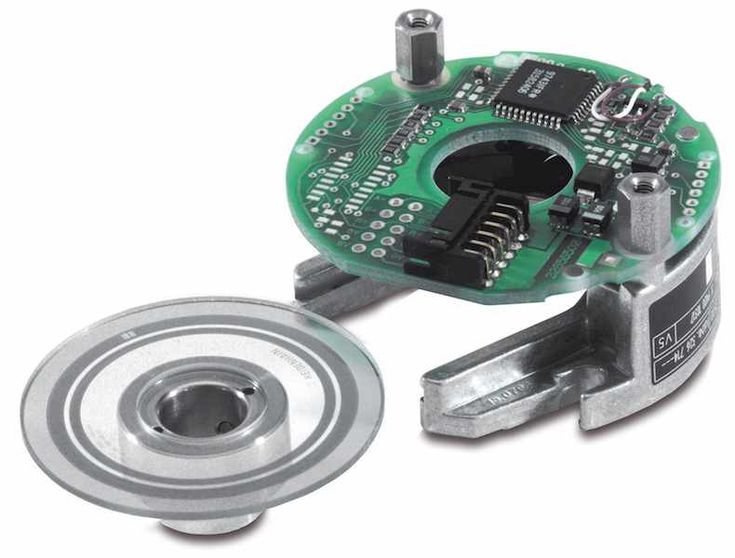
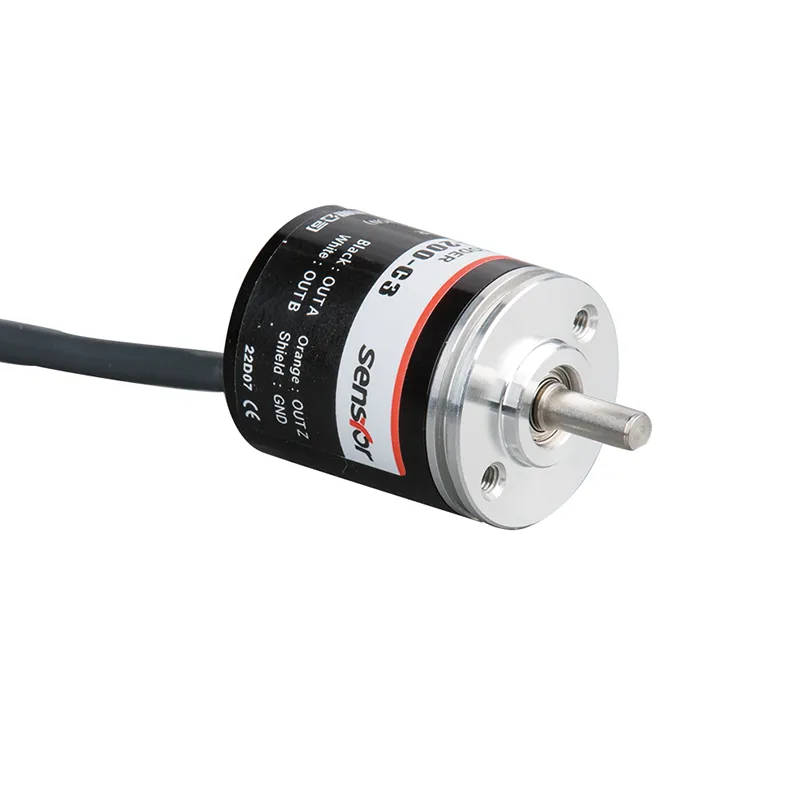
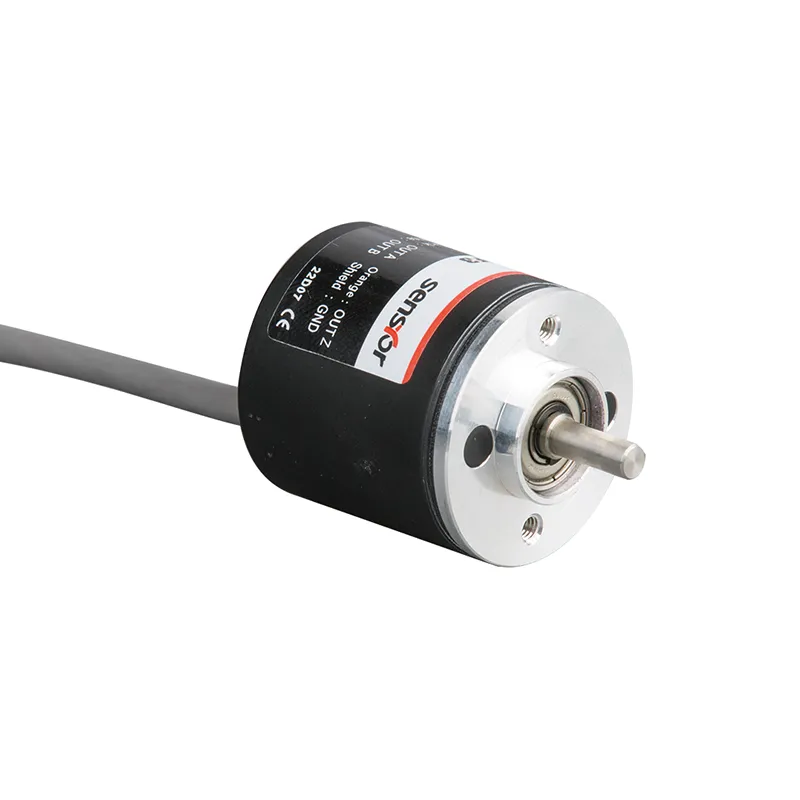
industrial position sensor manufacturer producing precision automation sensors
Advanced industrial position sensors designed by a professional manufacturer for automation systems.

Why Choose a Professional Industrial Position Sensor Manufacturer?

Reliable Engineering and Product Development

A trusted industrial position sensor manufacturer invests in research, engineering, and testing to create products that meet industrial requirements.

Professional manufacturers usually provide:

  • Advanced sensor design
  • Strict quality control
  • Customized solutions
  • Technical support
  • Long product lifecycle

Industrial environments often involve vibration, dust, temperature changes, and continuous operation. High-quality sensors must be designed to withstand these challenges.


Advanced Manufacturing Capability

Manufacturing capability directly affects sensor performance.

Experienced suppliers use:

  • Precision machining technology
  • Automated testing equipment
  • High-quality electronic components
  • Environmental testing procedures

A strong production process ensures consistent accuracy across large-volume orders.


Types of Industrial Position Sensors

Rotary Position Sensors

Rotary sensors measure angular movement and are commonly used in:

  • Motors
  • Robotics
  • Industrial drives
  • Motion control systems

Rotary encoders are among the most widely used solutions for industrial positioning.


Linear Position Sensors

Linear sensors measure straight-line movement.

They are commonly applied in:

  • Hydraulic systems
  • Manufacturing equipment
  • Assembly machines

Absolute and Incremental Sensors

Industrial position sensors are often divided into two categories:

TypeFeatures
Absolute SensorMaintains exact position information even after power loss
Incremental SensorMeasures movement through pulse signals

Selecting the correct sensor type depends on accuracy requirements and control system design.


Applications of Industrial Position Sensor Manufacturer Solutions

Factory Automation

Modern factories depend on accurate sensing technology for automated production.

Industrial position sensors help machines:

  • Detect movement
  • Control speed
  • Improve precision
  • Reduce errors

Robotics Industry

Robotic systems require accurate position feedback to perform complex tasks.

Sensors help robots achieve:

  • Precise movement
  • Repeatable operations
  • Improved safety

Automotive Manufacturing

Automotive production lines use sensors for:

  • Assembly robots
  • Inspection systems
  • Material handling equipment

How to Select the Right Industrial Position Sensor Manufacturer

Evaluate Product Quality

A reliable manufacturer should provide:

  • Technical specifications
  • Testing reports
  • Product certifications
  • Application support

Quality should always be prioritized over choosing the lowest-cost option.


Check Customization Ability

Different industries have different requirements.

A capable supplier should support:

  • Custom dimensions
  • Special output signals
  • Different mounting options
  • Environmental adaptations

Consider Technical Support

Long-term cooperation requires strong customer service.

A good manufacturer provides:

  • Engineering consultation
  • Installation guidance
  • Troubleshooting support

Manufacturing Quality and Technology Standards

A professional industrial position sensor manufacturer follows strict quality management procedures.

Important standards include:

  • ISO quality systems
  • Industrial safety requirements
  • Electrical compatibility standards

Companies can learn more about international standards from:

https://www.iso.org

Quality certification helps customers understand the reliability and consistency of sensor products.


Benefits of Working With an Experienced Sensor Supplier

Partnering with an experienced manufacturer provides several advantages:

Improved Machine Performance

Accurate sensors allow machines to operate efficiently with fewer errors.

Reduced Maintenance Costs

Reliable components reduce unexpected downtime.

Better Long-Term Support

Experienced suppliers understand industrial challenges and provide better technical assistance.


Industrial Position Sensor Manufacturer Solutions From Sensyorcoder

For businesses looking for reliable industrial sensing products, Sensyorcoder provides professional sensor solutions designed for automation and motion control applications.

Explore available products and industrial sensor solutions here:

Internal link:

Industrial Position Sensor Products:
https://sensyorcoder.net/products/

Sensyorcoder focuses on providing accurate, durable, and efficient sensing technologies for industrial applications.


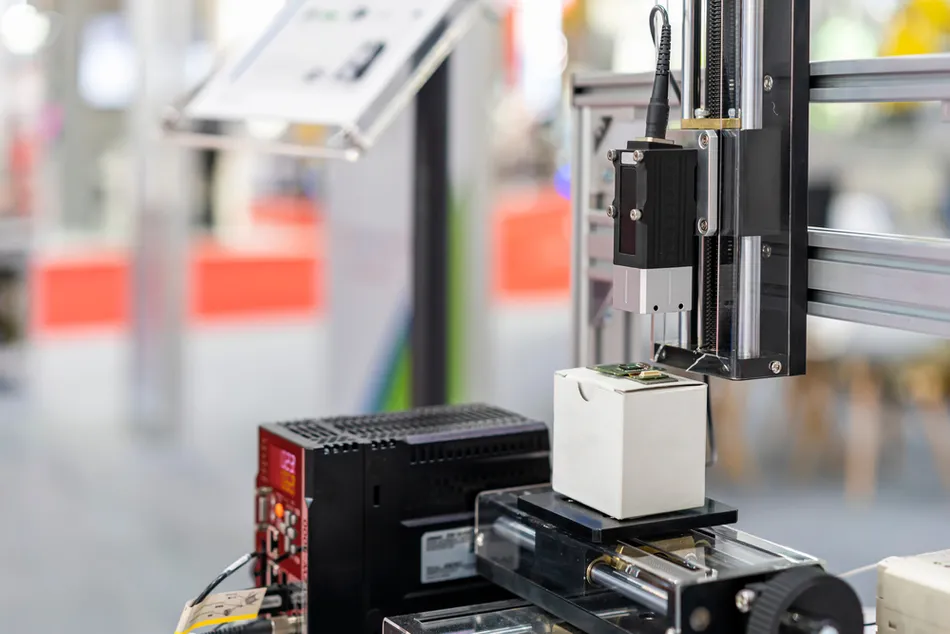
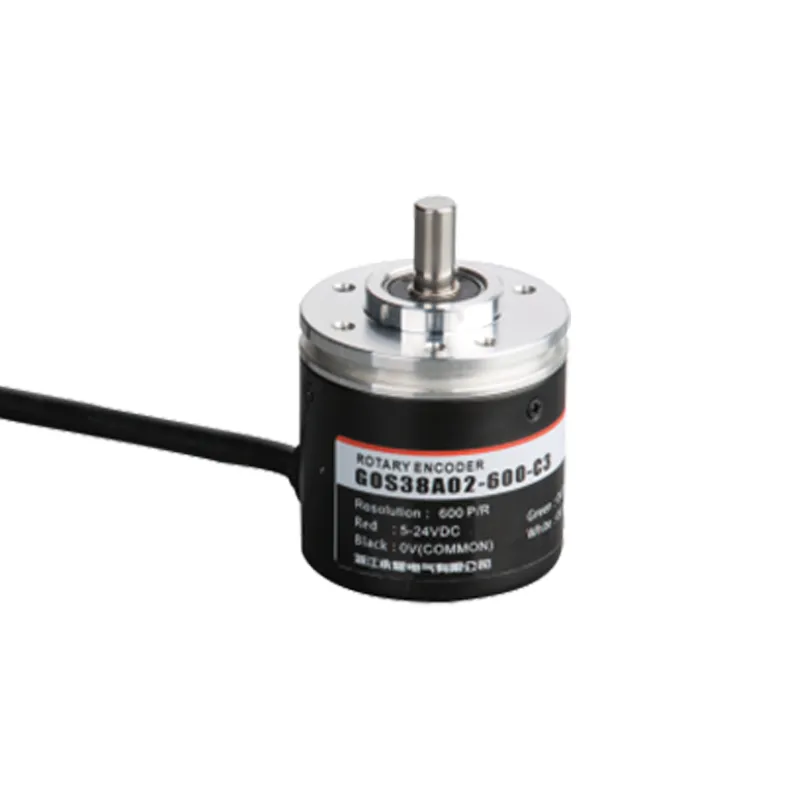
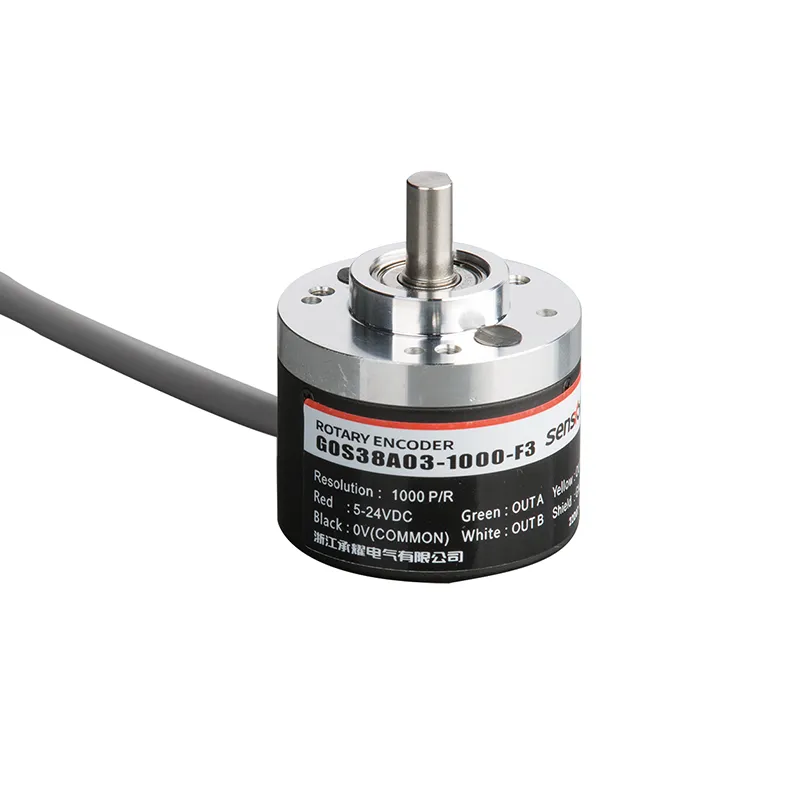
industrial position sensor manufacturer supplying sensors for factory automation equipment
Industrial position sensors provide accurate motion feedback for modern manufacturing systems.

The future of industrial sensing is moving toward smarter and more connected systems.

Key trends include:

  • IoT-enabled sensors
  • Smart factory integration
  • Higher measurement accuracy
  • Compact sensor designs
  • Real-time condition monitoring

Industrial automation will continue increasing demand for advanced sensing solutions.


Frequently Asked Questions (FAQ)

1. What does an industrial position sensor manufacturer do?

An industrial position sensor manufacturer designs and produces sensors used for measuring movement, position, and displacement in industrial systems.


2. What industries use industrial position sensors?

They are widely used in manufacturing, robotics, automotive production, energy, packaging, and automation industries.


3. How do I choose the best sensor manufacturer?

Consider product quality, customization capability, technical support, certifications, and industry experience.


4. What is the difference between a rotary encoder and a position sensor?

A rotary encoder is a type of position sensor that specifically measures rotational movement and provides feedback signals.


5. Why is sensor accuracy important in automation?

Accurate sensors improve machine control, productivity, and product quality.


6. Can industrial position sensors be customized?

Yes. Many professional manufacturers provide customized designs based on application requirements.


Conclusion

Selecting the right industrial position sensor manufacturer is essential for companies that need reliable automation performance.

A professional supplier provides advanced technology, quality manufacturing, and long-term support to help industries improve efficiency and accuracy.

As industrial automation continues evolving, high-performance position sensors will remain a critical component of smart manufacturing systems.

Related Posts

5000PPR Encoder: 7 High-Precision Industrial Applications & Guide 2026

5000PPR Encoder: 7 High-Precision Industrial Applications & Guide 2026

Table of Contents Introduction 5000PPR encoder is a high-resolution industrial motion feedback device designed for ultra-precise positioning and speed measurement. The 5000PPR encoder generates 5000 pulses per revolution, making it suitable for advanced automation systems requiring extremely fine control. The 5000PPR encoder is widely used in robotics, CNC machines, servo systems, and smart manufacturing environments. […]

Read More
What Is an Encoders? A Comprehensive Guide

What Is an Encoders? A Comprehensive Guide

Have you ever wondered how machines “know” their position or speed? The answer often lies in a key component—the encoder. Encoders are sensors that convert mechanical motion into electrical signals, acting as the “hidden heroes” of modern industrial automation and smart manufacturing. Whether it’s the precise positioning of a robotic arm or the efficient operation […]

Read More
Incremental Encoder: 7 Powerful Insights to Master Precision Motion Control

Incremental Encoder: 7 Powerful Insights to Master Precision Motion Control

📑 Comprehensive Outline of Incremental Encoder Heading Level Topic H1 Incremental Encoder: 7 Powerful Insights to Master Precision Motion Control H2 Introduction to Incremental Encoder H3 What is an Incremental Encoder? H3 Importance in Modern Automation H2 How an Incremental Encoder Works H3 Basic Working Principle H4 Signal Generation Explained H4 Pulse Counting Mechanism H2 […]

Read More