Main Features of Through-Hole Rotary Encoder Technology
Types of Through-Hole Rotary Encoder
Applications of Through-Hole Rotary Encoder
Benefits of Using Through-Hole Rotary Encoder
How to Select the Right Through-Hole Rotary Encoder
Installation and Maintenance Tips
Why Choose Sensyro Encoder Solutions?
Frequently Asked Questions
Conclusion
through-hole rotary encoder for precision industrial position control
What Is a Through-Hole Rotary Encoder?
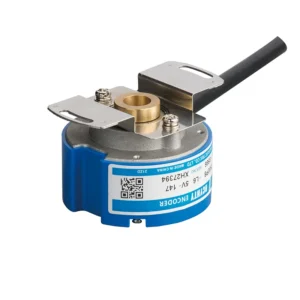
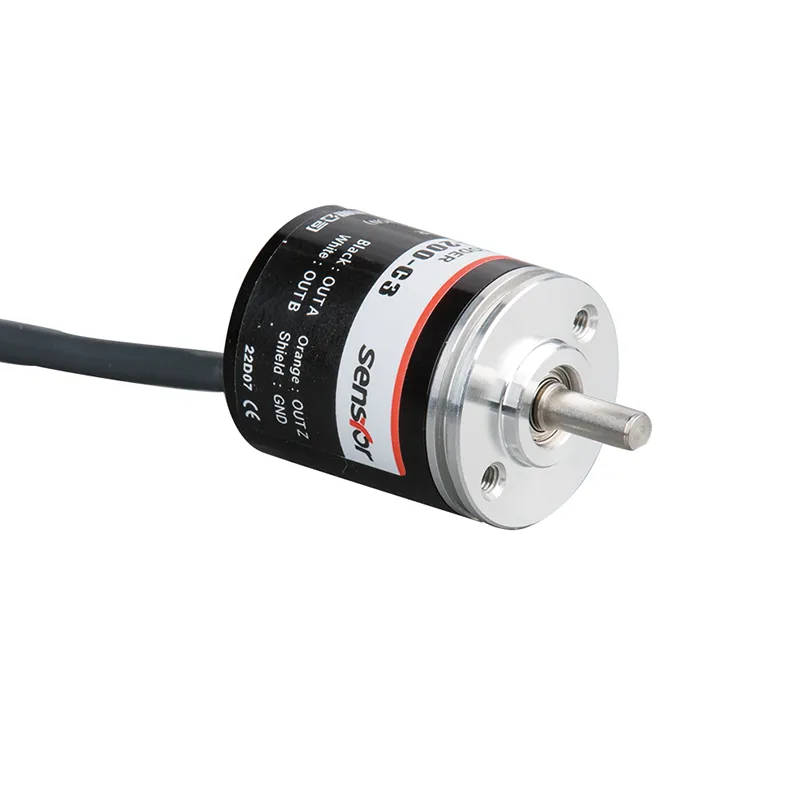
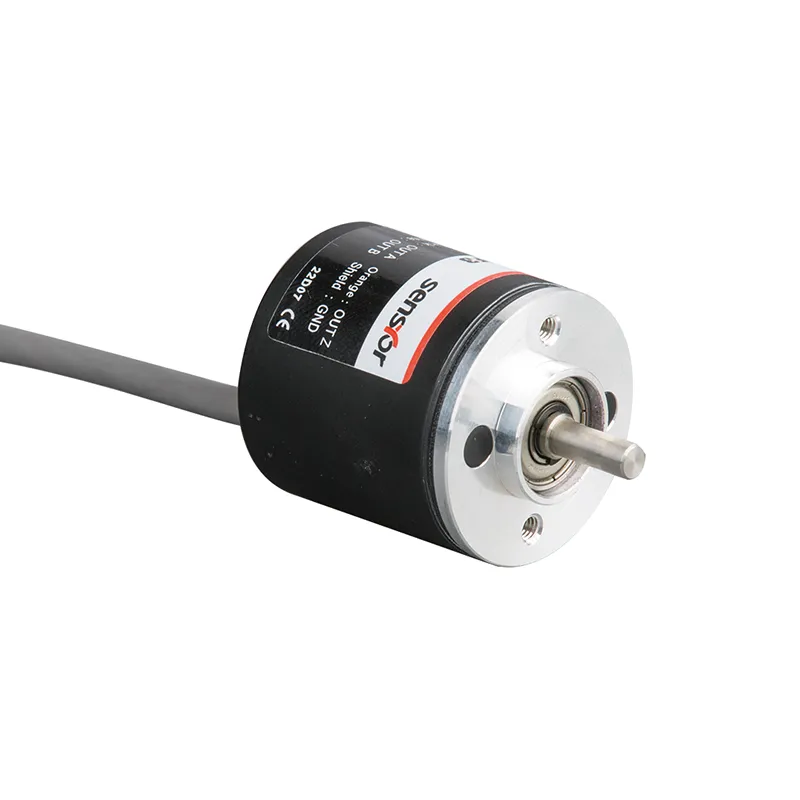
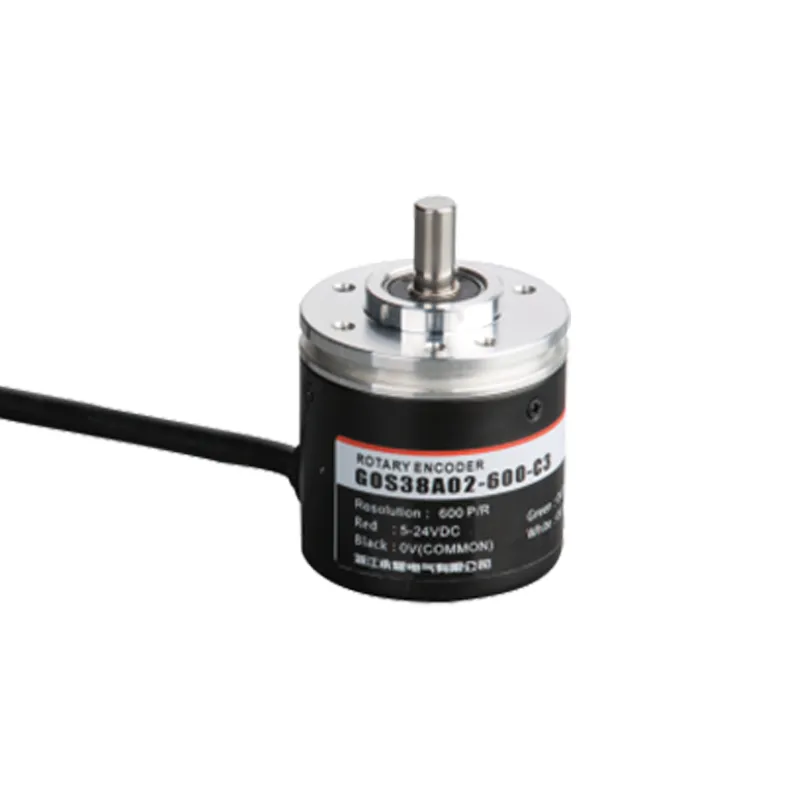
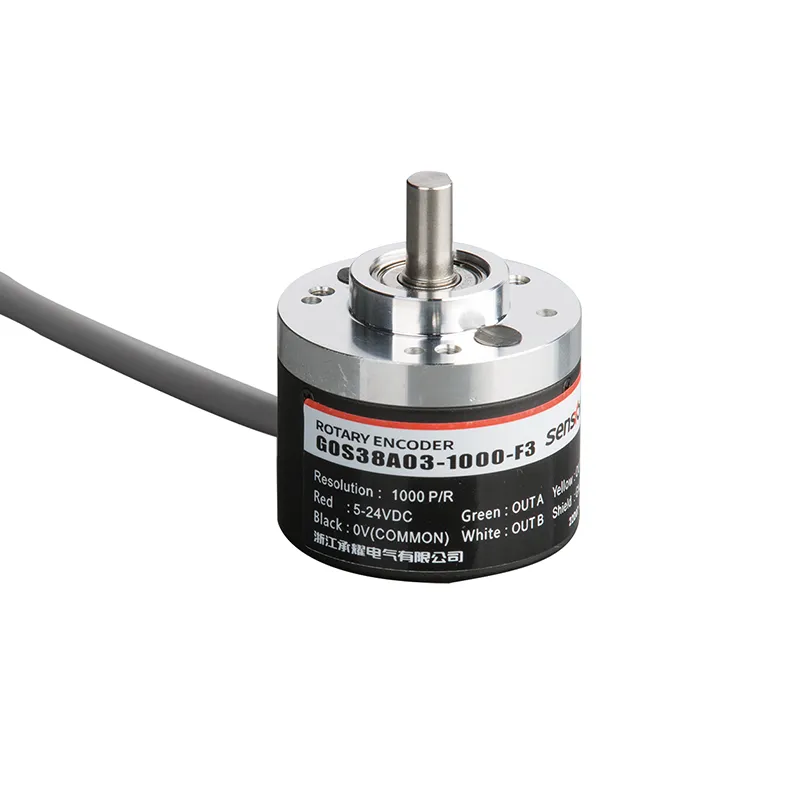
A through-hole rotary encoder is a type of rotary sensing device designed with a hollow center shaft, allowing cables, shafts, or mechanical components to pass through the middle of the encoder. This unique structure makes it ideal for applications where installation space is limited and precise rotational measurement is required.
Unlike traditional shaft encoders, a through-hole design provides greater flexibility during installation. Engineers can easily integrate the encoder into motors, automation equipment, robotics systems, and industrial control devices.
Rotary encoders are widely used to measure:
Rotation angle
Speed
Direction
Position feedback
Mechanical movement
For advanced industrial encoder solutions, you can explore Sensyro’s product range:
Working Principle of Through-Hole Rotary Encoder Systems
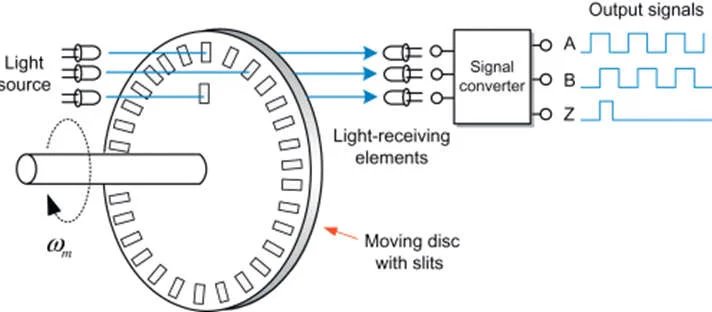
A hollow shaft encoder converts mechanical rotation into electrical signals. When the encoder shaft or rotating component moves, internal sensing elements detect the position changes and generate output signals.
The two most common sensing technologies include:
Optical Sensing Technology
Optical encoders use light sources and coded discs to detect rotational movement. They provide excellent accuracy and are commonly used in precision automation equipment.
Magnetic Sensing Technology
Magnetic encoders use magnetic fields to measure rotation. They offer strong resistance against dust, vibration, and harsh environments.
The generated signals are transferred to a controller, PLC, or electronic system for accurate motion control.
Main Features of Through-Hole Rotary Encoder Technology
Compact Hollow Shaft Design
One of the biggest advantages of a hollow shaft encoder is its hollow shaft structure.
This design allows:
Easy mechanical integration
Reduced installation space
Flexible mounting options
Improved system design efficiency
For machines with limited space, this feature provides significant engineering advantages.
High Precision Position Feedback
A precision hollow shaft encoder delivers reliable feedback signals that help machines maintain accurate movement control.
Common specifications include:
Feature
Description
Resolution
Measures rotational accuracy
Output Signal
Provides digital feedback
Rotation Speed
Supports high-speed operation
Durability
Designed for long service life
Strong Environmental Resistance
Industrial environments often include:
Dust
Oil
Vibration
Temperature changes
A high-quality rotary encoder is designed to maintain stable performance under demanding conditions.
Many industrial models include protective housing and sealing technology to improve reliability.
Types of Through-Hole Rotary Encoder
Incremental Through-Hole Rotary Encoder
An incremental model generates pulses based on rotation movement.
It is commonly used for:
Motor speed control
Conveyor systems
Automation machinery
Robotics
Absolute Through-Hole Rotary Encoder
An absolute encoder provides unique position information even after power loss.
Advantages include:
Accurate position memory
Reduced calibration requirements
Reliable operation
Industrial Through-Hole Rotary Encoder
Industrial versions are designed for harsh applications requiring:
High vibration resistance
Long operating life
Stable signal output
Strong mechanical protection
Applications of Through-Hole Rotary Encoder
Industrial Automation Equipment
Automation systems depend on accurate motion feedback. A hollow shaft encoder helps machines control speed, position, and movement.
Typical applications include:
CNC machines
Assembly equipment
Packaging machinery
Automated production lines
Robotics Systems
Robots require precise joint movement. Rotary encoders provide position feedback that allows robotic arms to perform accurate operations.
Motor Control Systems
Electric motors often require encoder feedback for:
Speed monitoring
Position adjustment
Closed-loop control
Medical and Laboratory Equipment
Precision instruments benefit from compact encoder solutions because they require accuracy and reliability.
Benefits of Using Through-Hole Rotary Encoder
Space-Saving Installation
The hollow shaft structure reduces mechanical complexity and allows engineers to create more compact designs.
Improved System Accuracy
A reliable hollow shaft encoder provides accurate motion feedback, improving machine efficiency.
Easy Maintenance
Compared with complex mechanical measurement systems, encoders require less maintenance and provide stable long-term performance.
Increased Equipment Reliability
Industrial equipment depends on continuous operation. High-quality encoders reduce downtime and improve productivity.
How to Select the Right Through-Hole Rotary Encoder
Consider Resolution Requirements
Higher resolution provides more precise position measurement.
Choose the resolution according to:
Machine accuracy requirements
Control system capability
Operating speed
Check Output Interface
Common output options include:
Incremental signals
Analog signals
Serial communication
Industrial networks
The encoder output should match your controller requirements.
Evaluate Operating Environment
Before selecting a hollow shaft encoder, consider:
Temperature range
Humidity
Dust exposure
Mechanical vibration
Selecting the correct protection level ensures better performance.
Installation and Maintenance Tips
Proper Installation
Follow these practices:
Align the encoder correctly
Avoid excessive mechanical pressure
Secure mounting components properly
Protect cables from damage
Regular Inspection
Routine checks help extend encoder lifespan.
Recommended inspection items:
Cable condition
Mounting stability
Signal quality
Mechanical wear
through-hole rotary encoder with hollow shaft design for automation systems
Why Choose Sensyro Encoder Solutions?
Sensyro provides professional encoder solutions designed for industrial and automation applications.
Our products focus on:
High precision
Reliable performance
Industrial durability
Flexible customization
External Resources for Rotary Encoder Knowledge
For additional technical information about encoder technology, you can refer to:
These resources provide useful background information about encoder technology, motion control systems, and industrial automation standards.
Frequently Asked Questions About Through-Hole Rotary Encoder
1. What is a through-hole rotary encoder used for?
A through-hole rotary encoder is mainly used for measuring rotational position, speed, and direction in automation equipment, motors, and industrial machines.
2. What is the difference between a standard encoder and a through-hole rotary encoder?
The main difference is the shaft structure. A through-hole model has a hollow opening that allows mechanical components to pass through, making installation easier.
3. Are through-hole rotary encoders suitable for industrial applications?
Yes. Many industrial applications use through-hole encoders because they provide reliable feedback and flexible installation.
4. How accurate is a rotary position sensor?
Accuracy depends on resolution, sensing technology, and encoder design. High-resolution models can provide extremely precise motion control.
5. Can a through-hole rotary encoder work in harsh environments?
Yes. Industrial versions are designed to handle vibration, dust, temperature changes, and continuous operation.
6. Where can I buy a reliable rotary position sensor?
You can explore professional encoder products from Sensyro here:
A hollow shaft encoder is an excellent solution for modern automation, robotics, and industrial control systems. Its compact hollow shaft design, accurate feedback capability, and reliable performance make it suitable for many demanding applications.
By selecting the correct encoder type, resolution, and environmental protection level, engineers can improve machine efficiency and achieve better motion control performance.
Table of Contents Introduction 10000PPR encoder is a high-resolution motion feedback device designed for advanced industrial automation systems. The 10000PPR encoder generates 10,000 pulses per revolution, enabling extremely fine position detection. The 10000PPR encoder is widely used in precision machinery, robotics, and servo systems where accuracy is critical. As industries move toward smarter automation, the […]
Table of Contents Introduction 5000PPR encoder is a high-resolution industrial motion feedback device designed for ultra-precise positioning and speed measurement. The 5000PPR encoder generates 5000 pulses per revolution, making it suitable for advanced automation systems requiring extremely fine control. The 5000PPR encoder is widely used in robotics, CNC machines, servo systems, and smart manufacturing environments. […]
Table of Contents Introduction to Absolute Rotary Encoder Absolute rotary encoder technology is widely used in modern industrial automation systems where precise position feedback is essential. An absolute rotary encoder provides exact shaft position information even after power loss, making it more reliable than incremental systems in many applications. The absolute rotary encoder is commonly […]
We use cookies to enhance your browsing experience, serve personalised ads or content, and analyse our traffic. By clicking "Accept All", you consent to our use of cookies.