Why Servo Motor Encoder Is Important in Industrial Automation
Key Benefits of Using Servo Motor Encoder
Applications of Servo Motor Encoder
How to Choose the Right Servo Motor Encoder
Installation and Maintenance Tips
Future Trends of Servo Motor Encoder Technology
Frequently Asked Questions
Conclusion
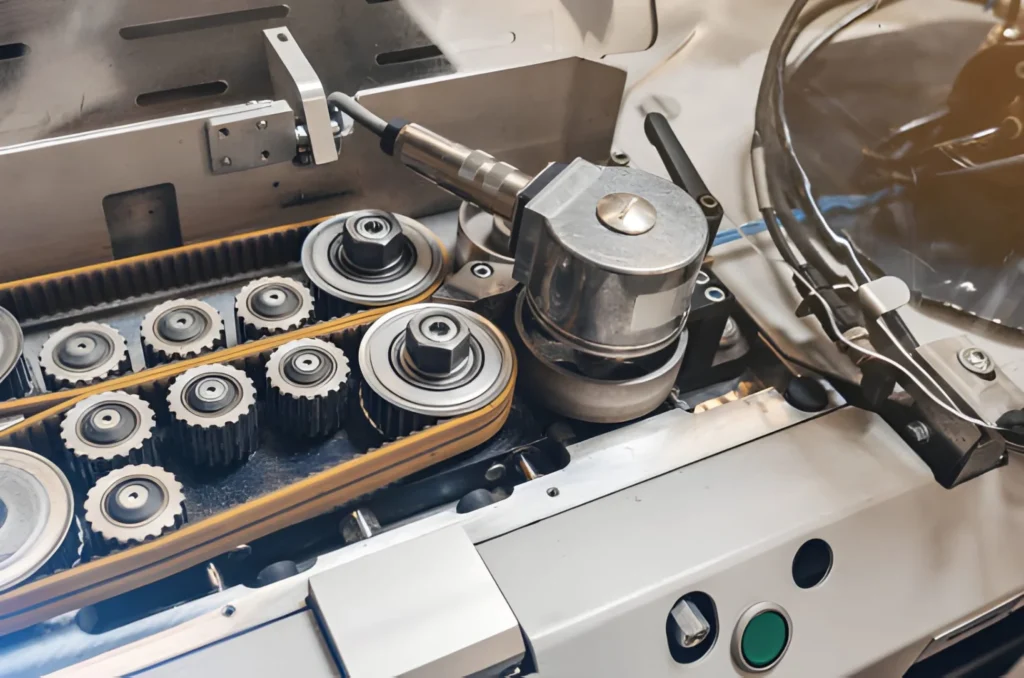
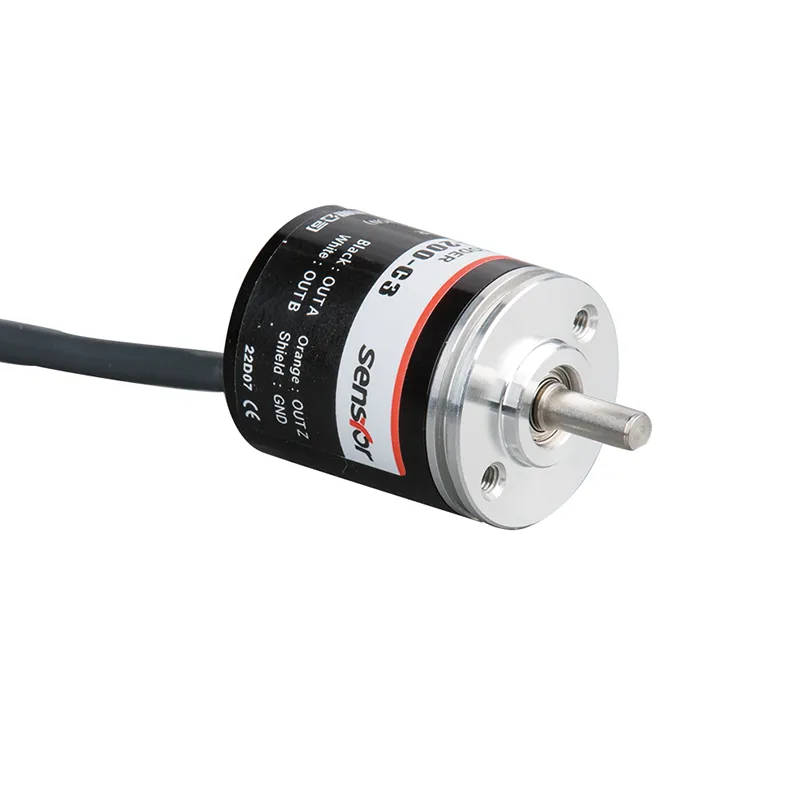
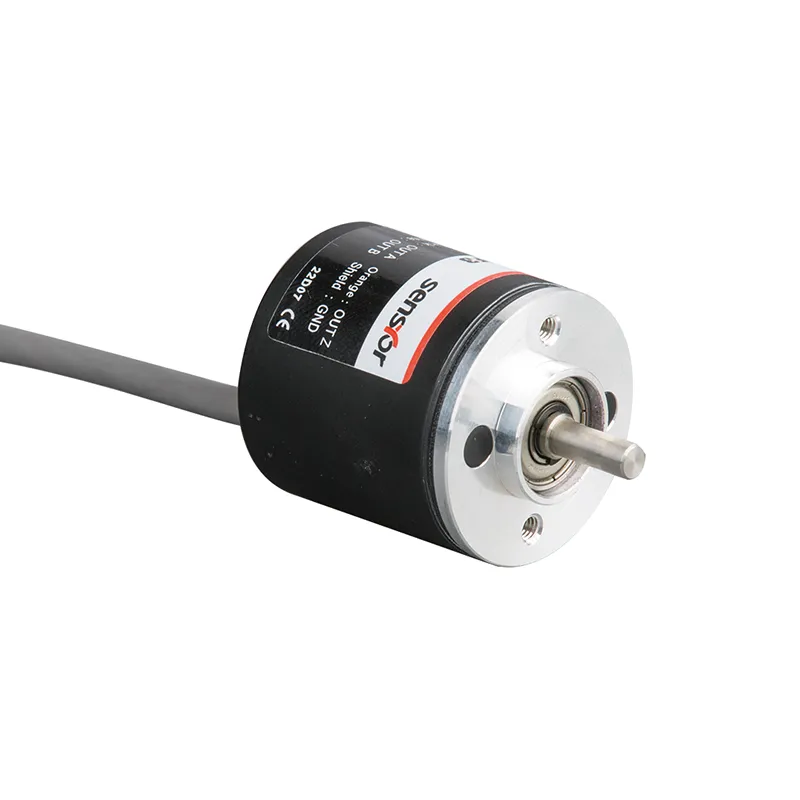
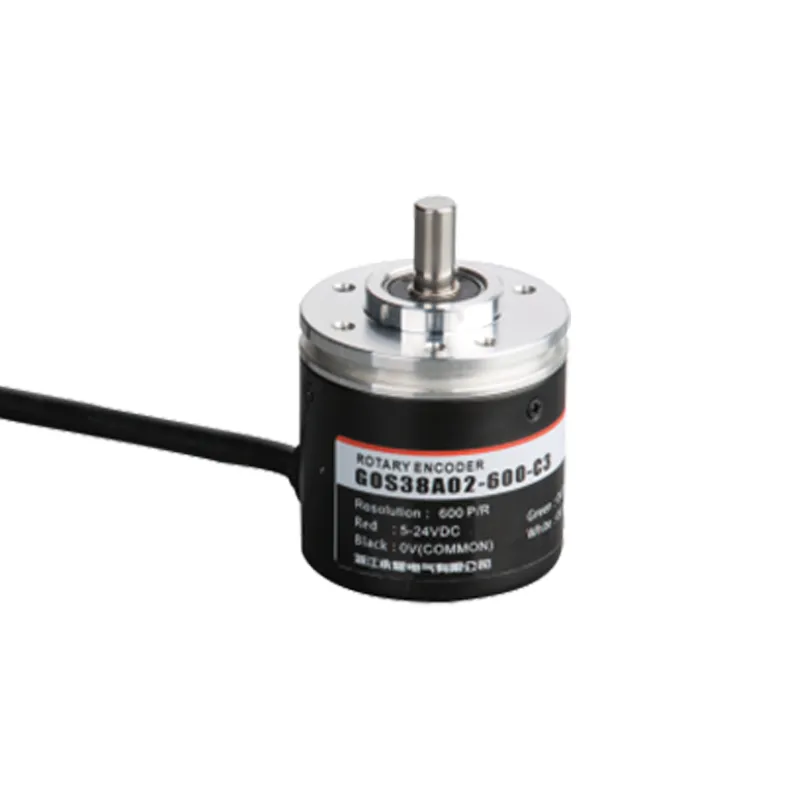
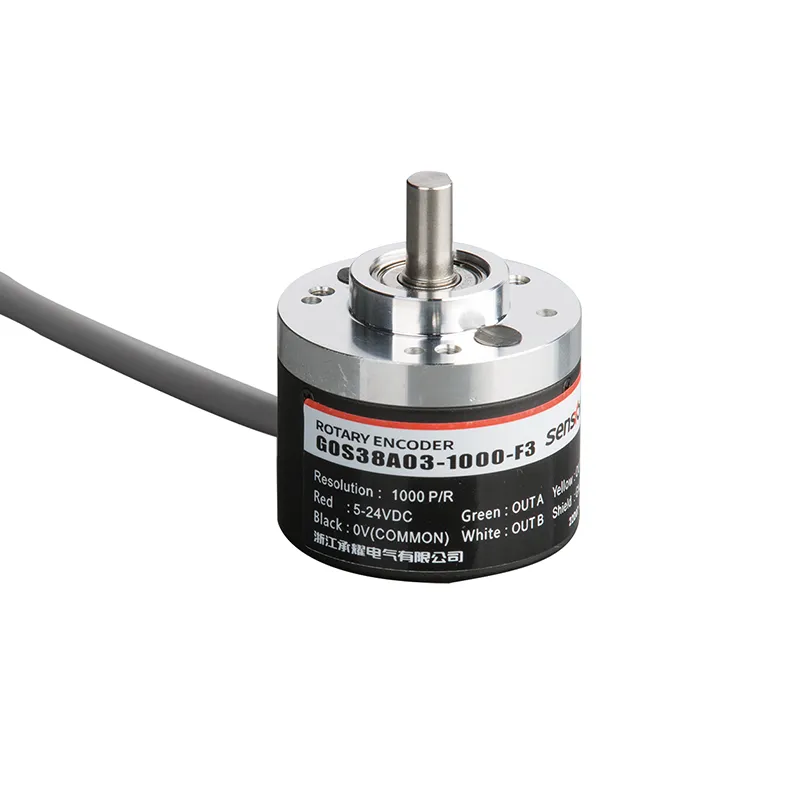
High precision servo motor encoder used for industrial automation and motion control systems.
What Is a Servo Motor Encoder?
A servo encoder is a precision feedback device used in servo systems to measure the position, speed, and direction of a motor shaft. At the beginning of modern industrial automation, accurate motion control became one of the most important requirements for manufacturers. Without reliable feedback, servo motors cannot achieve the high accuracy needed for robotics, CNC machines, and automated production lines.
A servo encoder works by converting mechanical movement into electrical signals. These signals are sent back to a motor controller, allowing the system to adjust movement instantly and maintain accurate positioning.
In simple terms, the motor feedback encoder provides the movement, while the encoder tells the control system exactly where the motor is located.
For industrial applications requiring stable and accurate feedback, selecting a reliable encoder solution is essential. You can explore industrial encoder products and solutions from our company here:
A servo encoder operates through a feedback control process. When the motor rotates, the encoder detects shaft movement and generates signals representing position and speed information.
The control system receives this feedback and compares the actual motor position with the target position. If there is any difference, the controller automatically adjusts the motor operation.
The basic working process includes:
Process
Function
Motor movement
Servo motor rotates according to commands
Signal detection
Encoder measures shaft position
Feedback transmission
Electrical signals are sent to controller
Correction
System adjusts motor movement
This closed-loop system allows machines to achieve high precision, faster response times, and improved reliability.
Main Types of Servo Motor Encoder Technology
Incremental Servo Motor Encoder
An incremental servo encoder generates pulses based on motor rotation. The controller calculates speed and relative position from these pulses.
Advantages include:
Simple design
Fast response
Cost-effective solution
Suitable for many automation systems
Incremental models are commonly used in conveyor systems, packaging machines, and industrial equipment.
Absolute Servo Motor Encoder
An absolute servo encoder provides a unique position value for every shaft location. Even after power loss, the system can remember the exact position.
Benefits include:
No need for machine re-homing
Higher positioning accuracy
Better reliability
Improved safety
Absolute encoders are widely used in robotics, medical equipment, and advanced manufacturing systems.
Magnetic and Optical Servo Motor Encoder
Modern servo feedback systems usually use either optical or magnetic sensing technology.
Optical Encoder
Optical encoders use light signals and coded discs to detect movement.
Advantages:
Extremely high resolution
Excellent accuracy
Suitable for precision applications
Magnetic Encoder
Magnetic encoders use magnetic fields to detect position.
Advantages:
Strong environmental resistance
Better protection against dust and vibration
Suitable for harsh industrial environments
Why Servo Motor Encoder Is Important in Industrial Automation
Industrial automation requires accurate movement control. A small positioning error can cause production defects, machine downtime, and reduced efficiency.
A high-quality servo motor encoder helps automation systems achieve:
Accurate positioning
Stable speed regulation
Smooth operation
Real-time monitoring
Improved productivity
Industries such as automotive manufacturing, semiconductor production, robotics, and packaging depend heavily on precise feedback systems.
According to industrial motion control principles, feedback devices are essential components in closed-loop automation systems. More information about industrial automation standards can be found at:
The biggest advantage of a servo motor encoder is precise position feedback. The encoder continuously monitors motor movement and allows the controller to make instant adjustments.
This ensures accurate operation in applications requiring micron-level positioning.
2. Better Speed Control
Servo systems need consistent speed control. Encoder feedback allows the controller to maintain stable motor speed even when operating conditions change.
3. Higher Machine Efficiency
With accurate feedback, machines experience fewer errors and require less downtime.
Benefits include:
Increased production speed
Reduced material waste
Improved product quality
4. Reliable Performance in Harsh Environments
Industrial environments often include:
Dust
Vibration
Temperature changes
Mechanical stress
Industrial-grade encoders are designed to maintain reliable operation under demanding conditions.
Applications of Servo Motor Encoder
Robotics
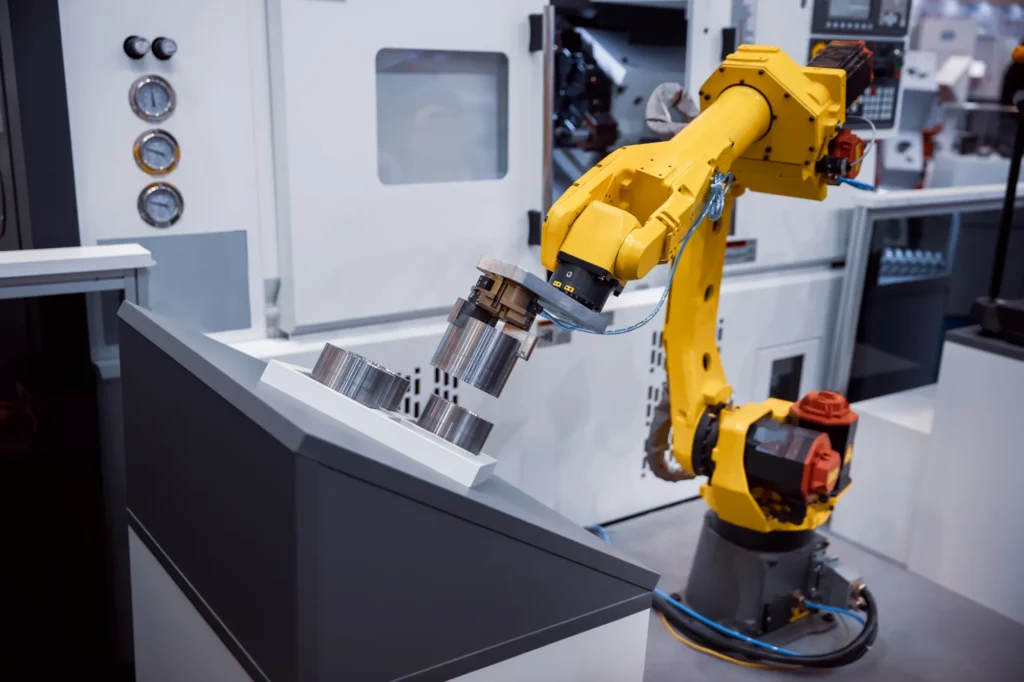
Robotic arms require accurate movement control. Encoders provide the feedback needed for precise positioning and repeatable operation.
CNC Machines
CNC equipment depends on accurate motor feedback for cutting, drilling, and machining processes.
Packaging Equipment
Packaging machines use servo feedback systems to control:
Filling accuracy
Label positioning
Conveyor movement
Automotive Manufacturing
Modern automotive production lines use servo systems for welding, assembly, and inspection processes.
How to Choose the Right Servo Motor Encoder
Selecting the correct encoder depends on several important factors.
Resolution Requirements
Higher resolution provides more accurate positioning. Consider the required accuracy level before selecting an encoder.
Environmental Conditions
Check:
Operating temperature
Protection rating
Vibration resistance
Dust exposure
For harsh applications, choose an industrial encoder designed for demanding environments.
Output Signal Type
Common output options include:
Incremental signals
Absolute communication
SSI
CANopen
EtherCAT
The correct interface ensures compatibility with your control system.
Mechanical Compatibility
Important factors include:
Shaft size
Mounting method
Encoder dimensions
Coupling requirements
Proper mechanical matching improves system reliability.
A servo motor encoder is a critical component for modern automation systems that require precision, reliability, and efficient motion control. From robotics and CNC machines to manufacturing equipment, accurate feedback technology helps businesses improve productivity and reduce operational problems.
Choosing the right encoder solution requires careful consideration of accuracy, environment, communication requirements, and machine compatibility.
For high-quality industrial encoder solutions, visit:
In the world of modern manufacturing and industrial automation, Incremental Shaft Encoder for accuracy and position tracking play a vital role. Whether it’s controlling the speed of a conveyor, monitoring the rotation of a robotic arm, or ensuring a CNC machine operates with micrometer-level precision, one small yet essential device makes it all possible — the incremental shaft encoder. But […]
Introduction to Industrial Encoder Supplier Solutions An industrial encoder supplier plays an important role in modern automation industries by providing accurate motion feedback solutions for machines, robots, production lines, and industrial equipment. Industrial automation requires precise measurement of position, speed, and movement. Without reliable encoder technology, manufacturing systems may experience reduced efficiency, inaccurate positioning, and […]
Introduction to Incremental Rotary Encoder An incremental rotary encoder is a widely used motion feedback device that converts rotational movement into electrical signals. These signals allow industrial control systems to measure speed, direction, and relative position with high accuracy. Modern manufacturing depends heavily on precise motion control. From automated production lines to robotics and packaging […]
We use cookies to enhance your browsing experience, serve personalised ads or content, and analyse our traffic. By clicking "Accept All", you consent to our use of cookies.