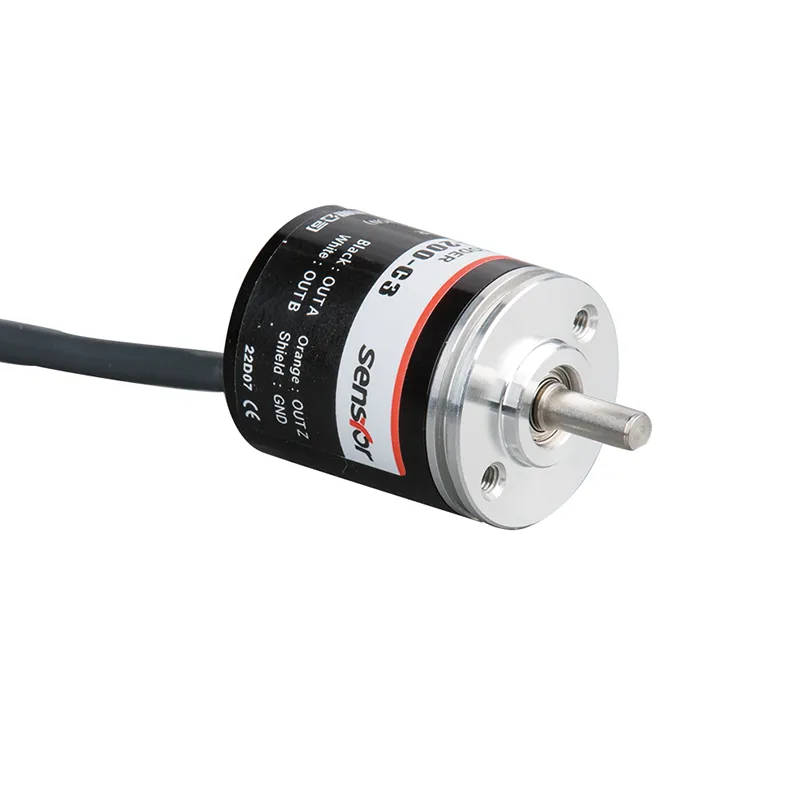
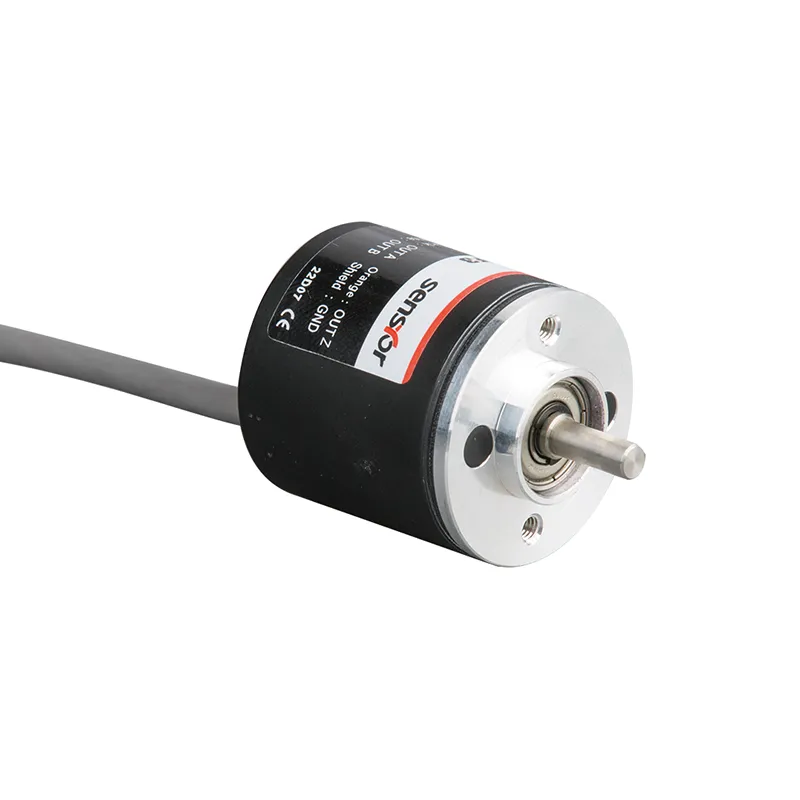
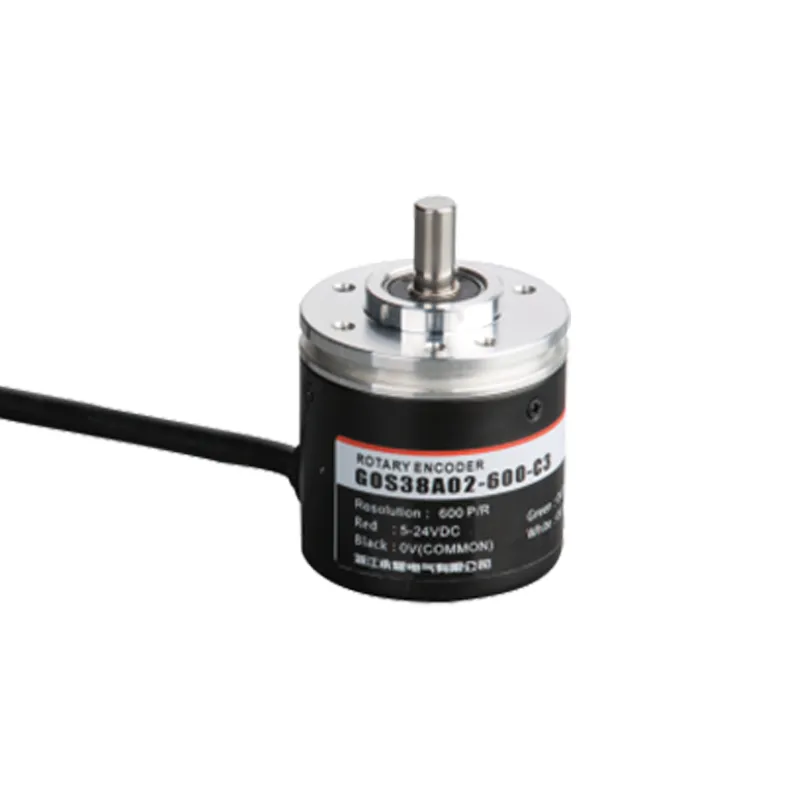
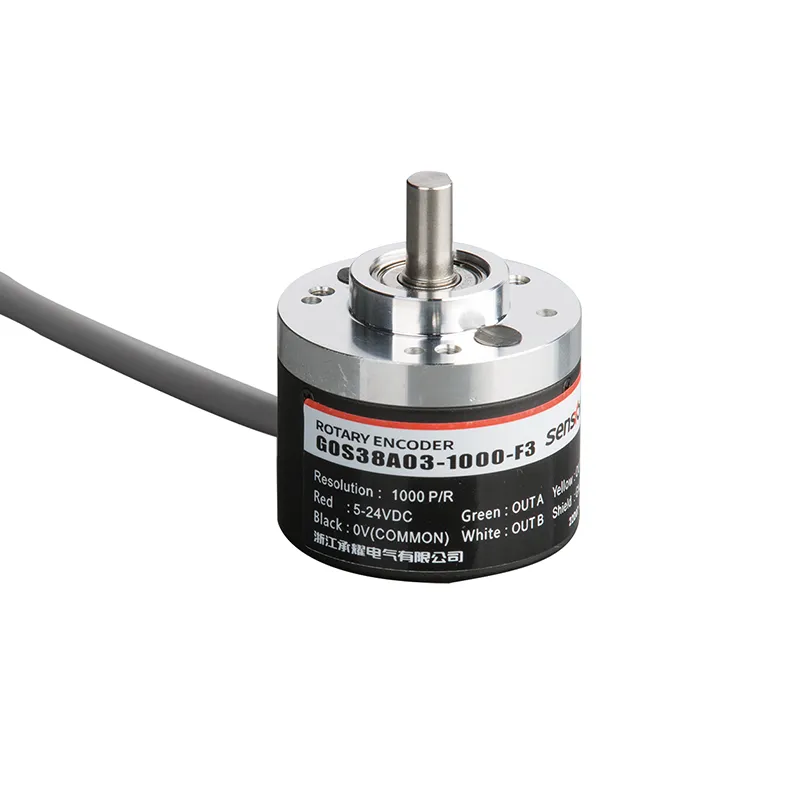
Optical & magnetic encoder solutions provide accurate position feedback for modern industrial automation systems.
What Is an Optical & Magnetic Encoder?
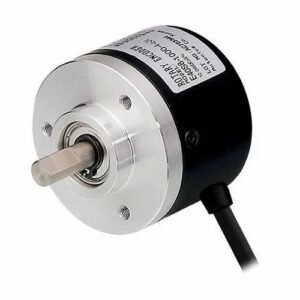
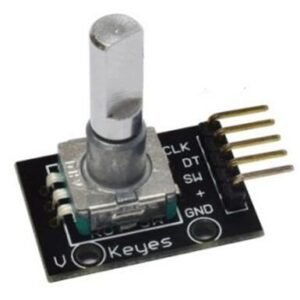
The optical & magnetic encoder is an important motion control component used to measure position, speed, and direction in industrial equipment. These sensors convert mechanical movement into electrical signals, allowing machines to achieve accurate positioning and efficient operation.
With the development of industrial automation, robotics, CNC machines, and smart manufacturing, encoder technology has become increasingly important. Companies require reliable feedback systems that can operate under demanding conditions while maintaining high accuracy.
Modern industrial systems commonly use two major encoder technologies: optical sensing and magnetic sensing. Each technology has unique advantages depending on the working environment, accuracy requirements, and application needs.
For professional encoder products and industrial solutions, you can explore our encoder product range:
An optical & magnetic encoder works by detecting rotational or linear movement and converting this information into electrical output signals.
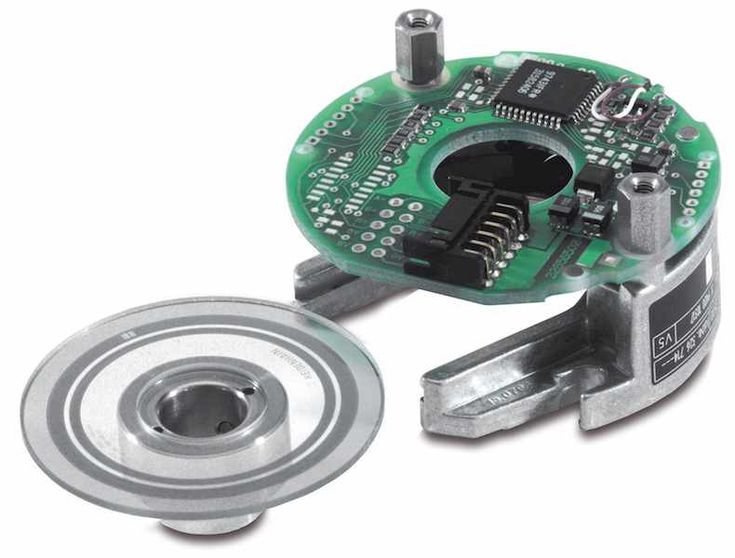
The encoder normally includes:
A sensing element
A rotating disc or magnetic component
Signal processing electronics
Mechanical housing
Output interface
The generated feedback signal allows industrial controllers such as PLC systems and motion controllers to monitor machine movement.
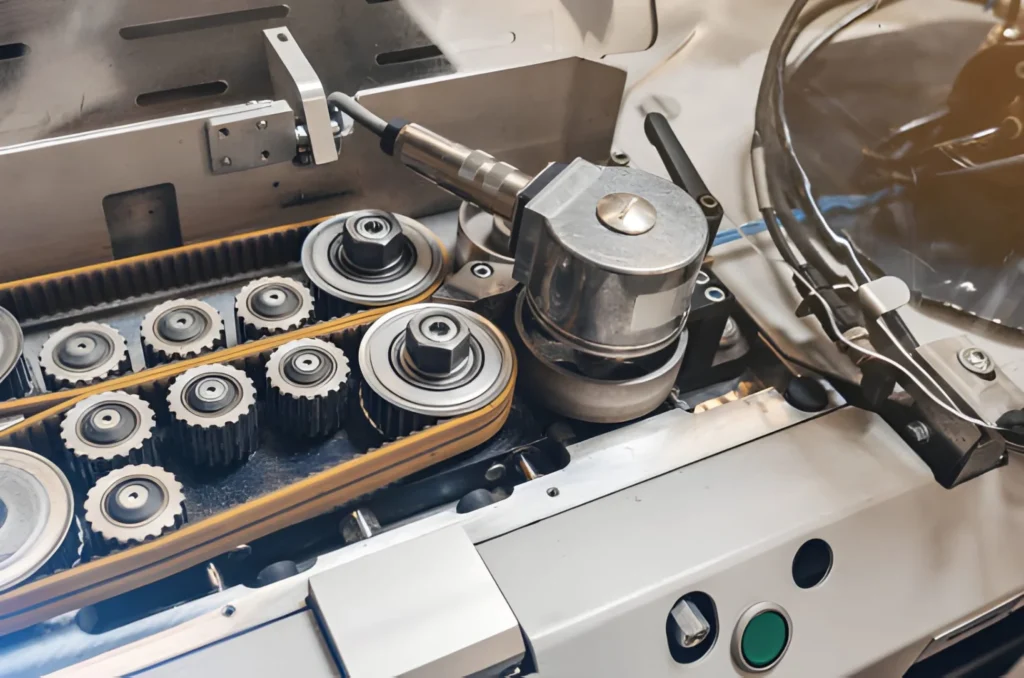
Encoders are widely used in:
Industrial automation
Robotics
Manufacturing equipment
Packaging machinery
Renewable energy systems
Medical equipment
Optical Encoder Working Principle
An optical encoder uses light-based technology to detect movement.
Inside an optical encoder, a coded disc rotates between a light source and a sensor. As the disc moves, the sensor detects changes in light patterns and converts them into electrical signals.
Advantages of Optical Encoder Technology
Optical encoders are known for:
High resolution
Excellent accuracy
Fast response speed
Precise position measurement
They are commonly used in applications where extremely accurate motion control is required.
Typical applications include:
Semiconductor equipment
Precision robotics
Laboratory instruments
CNC machinery
However, optical systems may be more sensitive to contamination such as dust, oil, and moisture because their sensing method depends on light transmission.
Magnetic Encoder Working Principle
A magnetic encoder uses magnetic fields to detect position changes.
Instead of using a light source and optical disc, magnetic encoders use magnets and magnetic sensors such as Hall-effect sensors or magnetoresistive sensors.
Benefits of Magnetic Encoder Technology
Magnetic encoders provide:
Strong environmental resistance
Excellent durability
Protection against dust and vibration
Long operational lifespan
Because of their rugged design, magnetic encoders are suitable for harsh industrial environments.
They are widely used in:
Heavy machinery
Factory automation
Automotive systems
Outdoor equipment
For additional information about industrial automation standards, you can visit:
Our encoder solutions are designed for industrial applications requiring accurate measurement, reliable performance, and long-term operation.
Frequently Asked Questions (FAQ)
1. What is an optical & magnetic encoder?
An optical & magnetic encoder is a sensor device that measures position, speed, and movement using optical or magnetic detection technology.
2. What is the difference between optical and magnetic encoders?
Optical encoders use light detection, while magnetic encoders use magnetic fields. Optical models usually provide higher precision, while magnetic models offer better durability.
3. Which encoder is better for industrial automation?
The best choice depends on the application. Optical encoders are suitable for high-precision environments, while magnetic encoders are better for harsh industrial conditions.
4. Are magnetic encoders resistant to dust?
Yes. Magnetic encoders generally provide stronger resistance against dust, moisture, and vibration compared with optical systems.
5. Where are optical & magnetic encoders used?
They are widely used in robotics, CNC machines, automation systems, manufacturing equipment, and motion control applications.
6. How long can an industrial encoder last?
A high-quality encoder can operate for many years when correctly installed and used within recommended environmental conditions.
Conclusion
The optical & magnetic encoder plays an essential role in modern industrial automation by providing accurate motion feedback and improving machine performance.
Optical encoder technology delivers outstanding precision, while magnetic encoder technology provides excellent durability in demanding environments. Understanding the differences between these technologies helps engineers choose the best solution for their applications.
For advanced encoder products and industrial motion solutions, visit:
Choosing the right encoder technology can improve equipment reliability, reduce maintenance requirements, and support the future development of smart manufacturing.
Table of Contents What Is a High Resolution Encoder? A industrial encoder is a precision sensing device designed to provide extremely accurate position, speed, and motion feedback. It converts mechanical movement into electrical signals that can be interpreted by industrial controllers, PLCs, robotics systems, and motion-control equipment. Compared with standard encoders, these devices generate a […]
Table of Contents Introduction Encoder manufacturer companies are essential to modern industrial automation. They design and produce encoder systems that help machines monitor speed, direction, and position with high accuracy. From robotics to CNC machinery, industrial encoders are widely used in equipment that requires precise motion control. Choosing the right encoder manufacturer can improve production […]
Introduction to 45mm Encoder Technology A 45mm encoder is an important component used in industrial automation and motion control systems. It helps measure position, rotation, speed, and movement with high accuracy. Modern factories, robotics systems, and CNC machinery rely on rotary encoders to improve efficiency and operational precision. The compact size and reliable performance of […]
We use cookies to enhance your browsing experience, serve personalised ads or content, and analyse our traffic. By clicking "Accept All", you consent to our use of cookies.