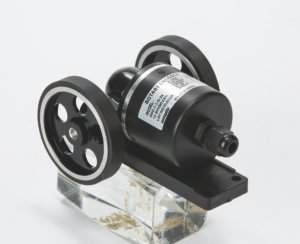
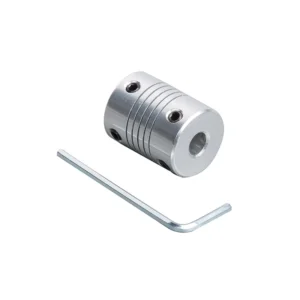
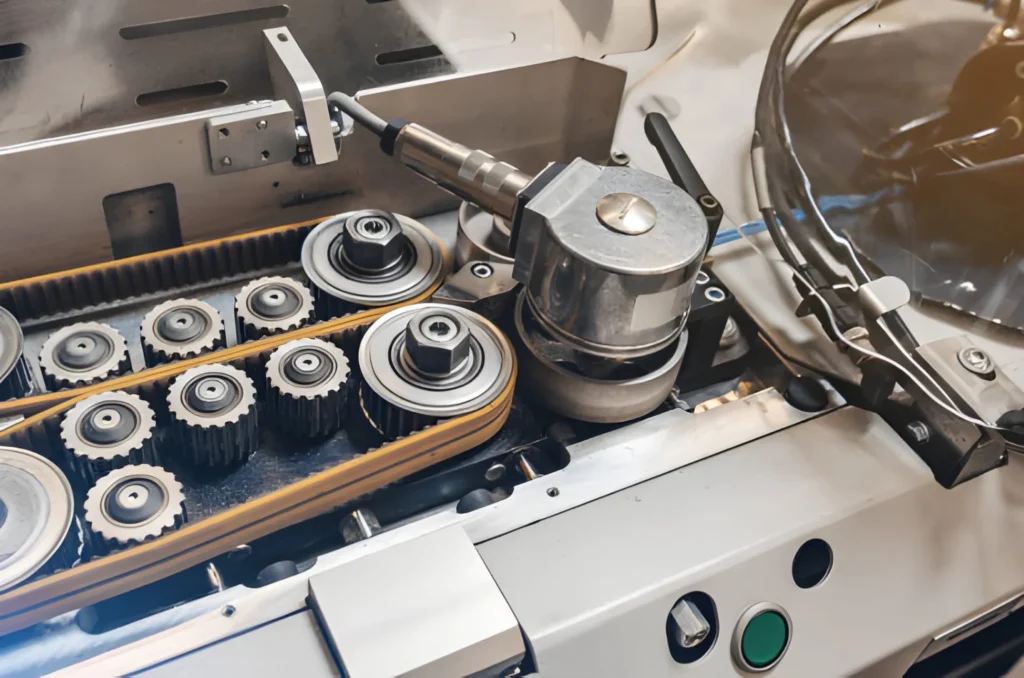
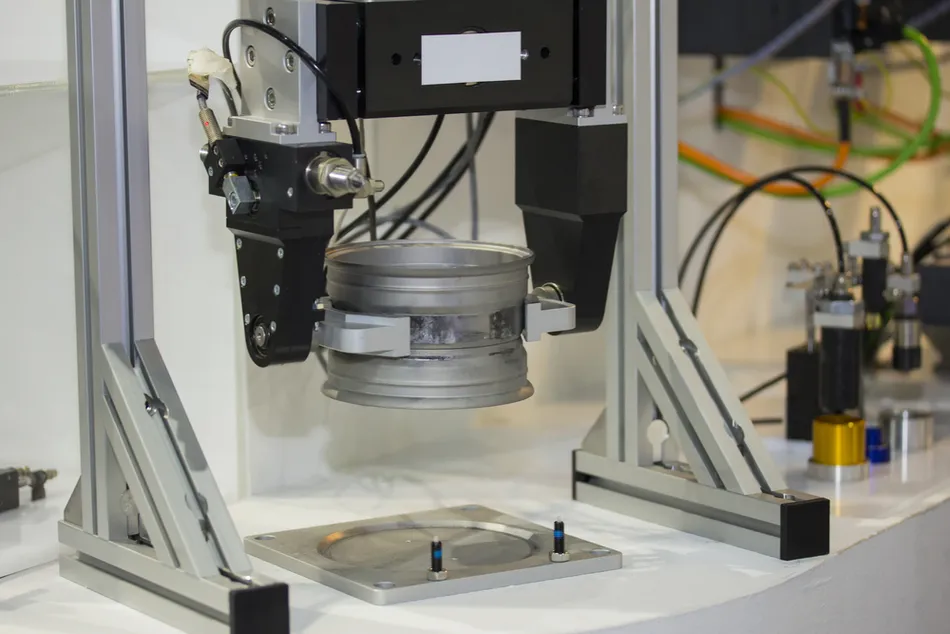
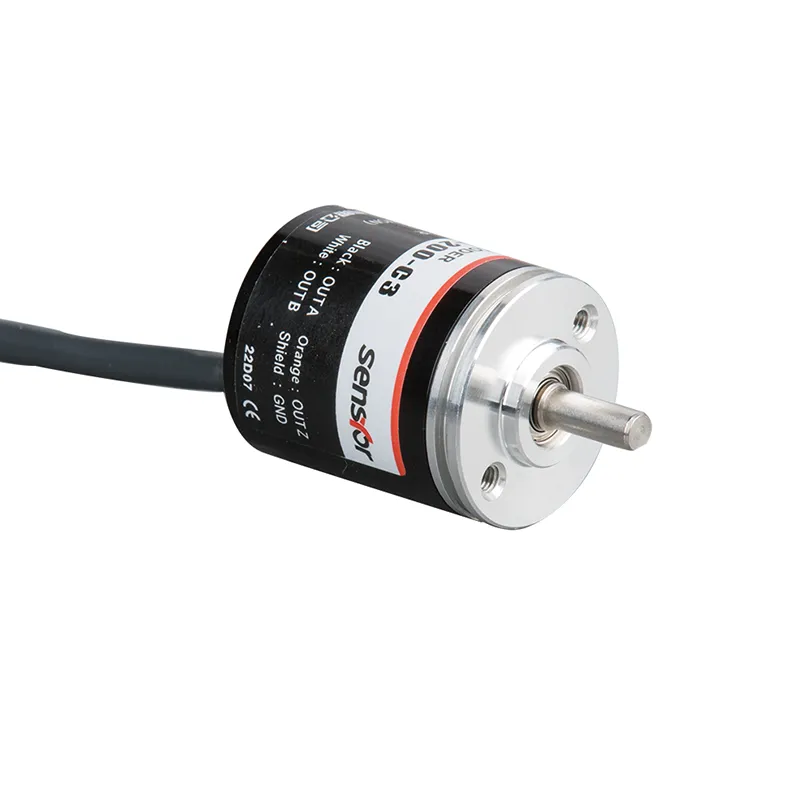
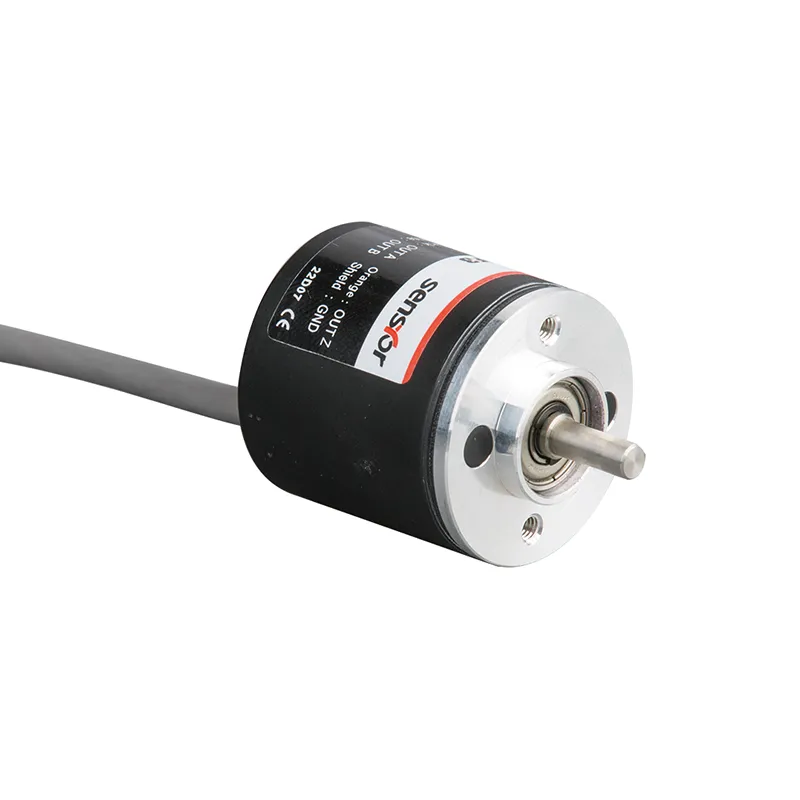
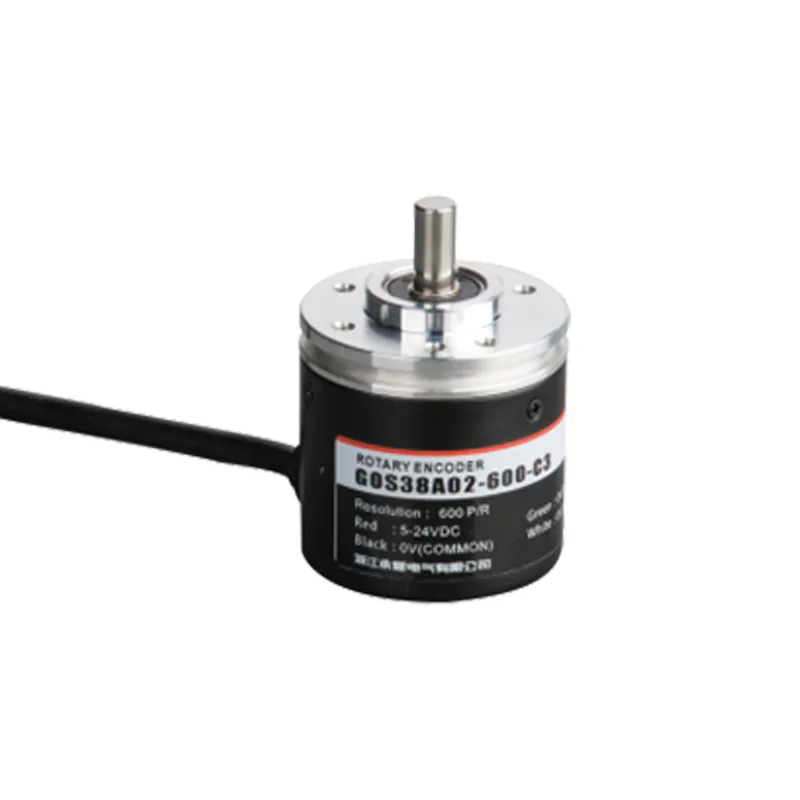
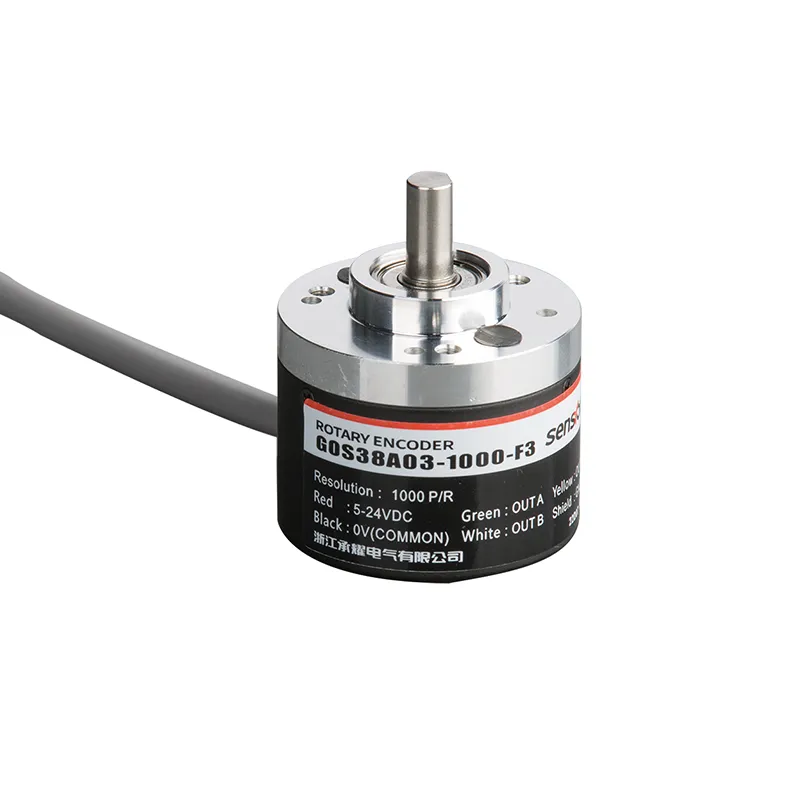
An absolute rotary encoder is a high-precision motion feedback device designed to measure the exact angular position of a rotating shaft. Unlike traditional sensors that only detect movement changes, an absolute rotary encoder can provide a unique position value immediately after startup, even when power has been removed.
In modern industrial automation, accuracy, reliability, and efficiency are essential. Machines used in robotics, manufacturing, packaging, semiconductor production, and heavy equipment require precise position monitoring. This is why an absolute rotary encoder has become a critical component in advanced motion control systems.
Companies looking for reliable industrial encoder solutions can explore professional products and technologies through Sensyor Encoder’s product portfolio: https://sensyorcoder.net/products/
What Is an Absolute Rotary Encoder?
An absolute encoder is an electronic sensor that converts the angular position of a rotating shaft into a digital output signal. The encoder contains sensing elements and coded measurement structures that allow the control system to identify the exact shaft position.
Unlike incremental encoders, which generate pulses based on movement, an absolute rotary encoder provides a unique digital code representing the actual position.
This feature makes it highly valuable in applications where:
Machine position must be maintained after power interruption
Precise positioning is required
Downtime must be minimized
Safety and reliability are priorities
An absolute encoder provides accurate position feedback for advanced industrial automation applications.
How Does an Absolute Rotary Encoder Work?
Working Principle of Absolute Rotary Encoder
The working process of an absolute encoder involves several key components:
Rotating shaft
Position sensing system
Code disc or magnetic detection system
Signal processing electronics
Output communication interface
When the shaft rotates, the encoder detects its exact position and converts this information into electrical signals.
Common technologies include:
Optical Absolute Rotary Encoder
Optical models use a coded disc and light sensors to detect position changes. They provide excellent accuracy and resolution.
Magnetic Absolute Rotary Encoder
Magnetic versions use magnetic fields to determine shaft position. They are highly resistant to dust, vibration, and harsh industrial conditions.
Main Types of Absolute Rotary Encoder
Single-Turn Absolute Rotary Encoder
A single-turn rotary position sensor measures position within one complete rotation.
Typical applications include:
Servo motors
Robotics
Precision machinery
Automated assembly systems
Multi-Turn Absolute Rotary Encoder
A multi-turn rotary position sensor can measure multiple rotations while maintaining accurate position information.
It is commonly used in:
Cranes
Industrial lifting equipment
Large machinery
Energy systems
Key Features of Absolute Rotary Encoder Technology
High Position Accuracy
One of the greatest advantages of an rotary position sensor is its ability to provide accurate position feedback.
High-resolution models can detect extremely small rotational changes, improving machine performance.
Reliable Operation After Power Loss
A major benefit of absolute encoder technology is position memory.
The system does not need to return to a reference point after restarting, reducing machine downtime.
Strong Industrial Durability
Industrial environments often involve:
Dust
Moisture
Vibration
Temperature changes
A properly designed rotary position sensor can continue operating under challenging conditions.
Applications of Absolute Rotary Encoder
Industrial Automation Systems
Manufacturing automation depends on accurate motion control. An absolute encoder helps robots, conveyors, and production equipment maintain precise movement.
Robotics and Servo Control
Robotic arms require accurate position feedback to perform complex movements.
Absolute encoder systems improve:
Repeatability
Speed control
Position accuracy
CNC Machines
CNC equipment requires precise shaft positioning. Absolute encoders help maintain machining accuracy and reduce production errors.
Renewable Energy Equipment
Wind turbines and solar tracking systems use rotary position sensors to monitor movement and optimize performance.
Benefits of Absolute Rotary Encoder
1. Improved Machine Accuracy
Accurate position feedback allows industrial machines to operate with greater precision.
2. Reduced Downtime
Because position information is retained, machines can restart faster after power interruptions.
3. Better Safety Performance
Reliable position monitoring improves machine control and operational safety.
4. Long-Term Reliability
Industrial-grade absolute encoder products are designed for continuous operation and demanding environments.
Absolute Rotary Encoder vs Incremental Encoder
Feature
Absolute Rotary Encoder
Incremental Encoder
Position Information
Provides exact position
Provides relative movement
Startup Reference
Not usually required
Often required
Power Loss Recovery
Position retained
Position may be lost
Accuracy
Very high
High
Applications
Precision automation
Speed measurement
How to Choose the Right Absolute Rotary Encoder
Consider Resolution Requirements
Higher resolution provides more accurate position measurement.
Check Environmental Conditions
Important factors include:
Operating temperature
Protection rating
Vibration resistance
Installation environment
Select the Correct Communication Interface
Common interfaces include:
SSI
CANopen
EtherCAT
PROFINET
Analog output
The correct interface ensures compatibility with industrial control systems.
Installation and Maintenance Tips
Proper Installation
For reliable performance:
Align the shaft correctly
Avoid excessive mechanical force
Secure electrical connections
Follow manufacturer specifications
Regular Maintenance
Although modern precision position sensor systems require limited maintenance, periodic inspection helps extend service life.
Recommended checks:
Cable condition
Mounting stability
Environmental protection
Future Trends of Absolute Rotary Encoder Technology
The future development of precision position sensor technology focuses on:
Smaller sensor designs
Higher resolution
Smart industrial communication
IoT integration
Predictive maintenance capabilities
As factories become smarter, accurate motion feedback will become increasingly important.
High-performance precision position sensor technology improves machine accuracy and operational reliability.
5. Are absolute rotary encoders suitable for harsh environments?
Yes. Many industrial models are designed to resist dust, vibration, moisture, and temperature changes.
6. How do I select the best absolute rotary encoder?
Selection depends on resolution, output signal, environmental conditions, mounting requirements, and application needs.
Conclusion
An absolute rotary encoder is an essential technology for modern industrial automation because it provides accurate position feedback, reliable operation, and improved machine efficiency.
From robotics and CNC equipment to advanced manufacturing systems, these sensors help industries achieve higher precision and productivity.
By choosing the right encoder solution and working with experienced suppliers, businesses can improve automation performance and build more reliable industrial systems.
For professional encoder products and solutions, visit:
If you’ve ever worked with motors or automation systems, you’ve probably heard about Incremental rotary encoder. These devices are crucial for determining position, speed, and direction of rotating shafts. But not all rotary encoders are created equal. The two most common types are incremental and absolute encoders — and understanding how their signals differ is key for choosing the […]
Table of Contents Introduction to 38mm Rotary Encoder 38mm rotary encoder technology is widely used in industrial automation systems that require compact size and precise motion feedback. A 38mm rotary encoder converts rotational movement into electrical signals, allowing machines to monitor speed, direction, and shaft position with high accuracy. Because of its compact design, the […]
Introduction to 40mm Encoder The 40mm encoder is a compact yet highly precise motion feedback device widely used in industrial automation. A 40mm encoder is designed to deliver accurate position and speed signals in applications where space is limited but performance is critical. The 40mm encoder has become a key component in robotics, CNC machines, […]
We use cookies to enhance your browsing experience, serve personalised ads or content, and analyse our traffic. By clicking "Accept All", you consent to our use of cookies.