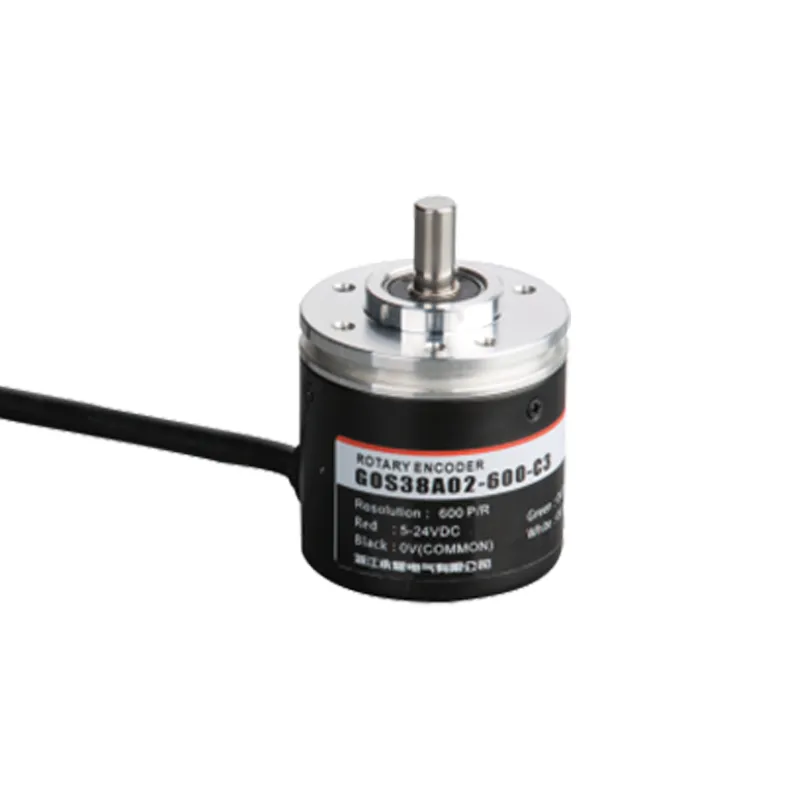
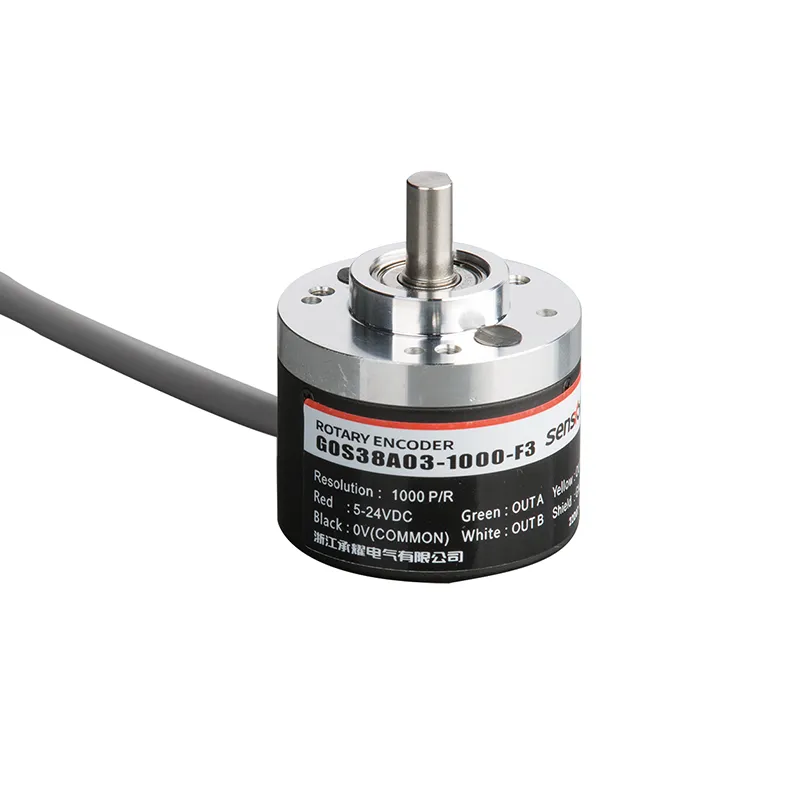
Finding the right China rotary encoder wholesale factory can help industrial automation companies, distributors, OEMs, and machine builders source reliable encoder products at competitive prices. However, choosing a supplier should involve more than comparing quotations. Buyers should evaluate manufacturing capability, product specifications, quality control, customization options, communication, and long-term supply capacity.
A reliable rotary encoder supplier should be able to understand your application requirements and provide products that match your mechanical, electrical, and environmental conditions. For buyers looking for rotary encoder products for industrial automation, you can also explore Sensyor’s rotary encoder product range to review available solutions.
What Is a Rotary Encoder Factory?
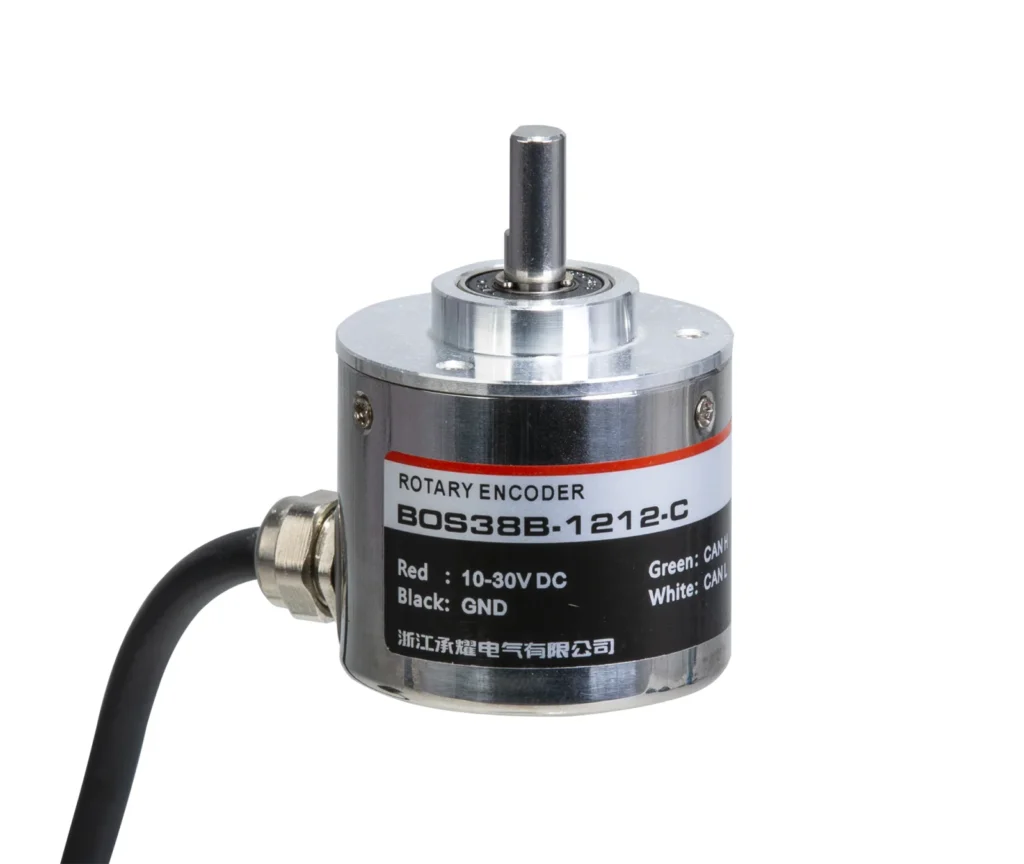
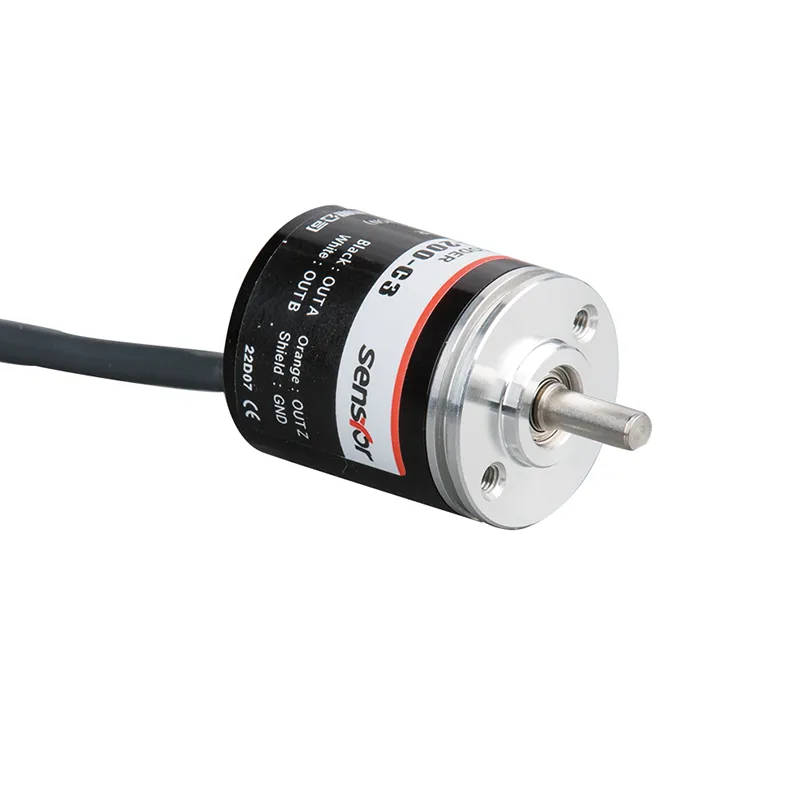
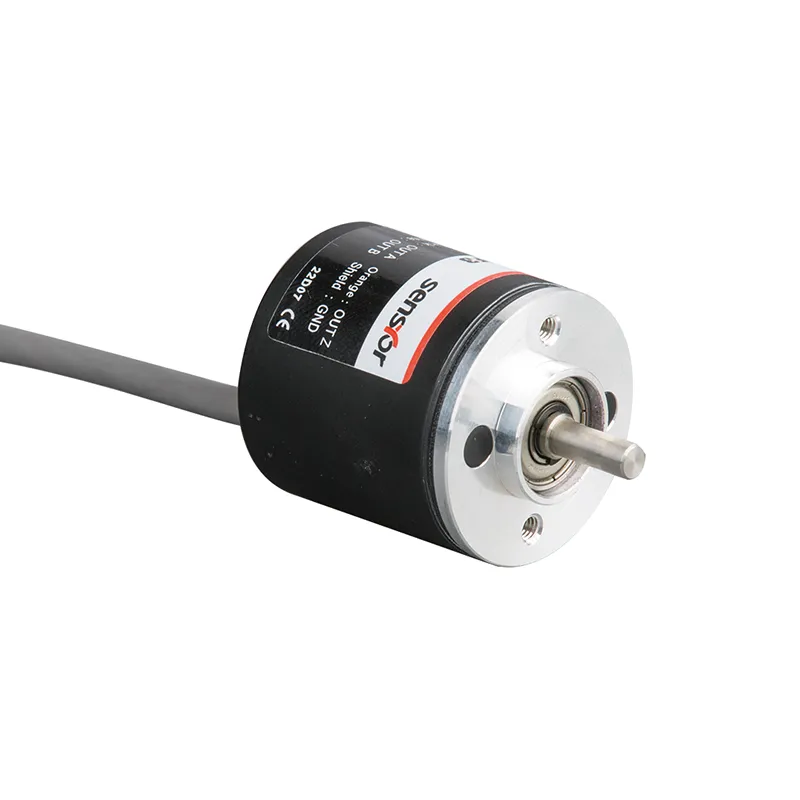
A rotary encoder factory is a manufacturer that produces rotary encoders used to measure rotational position, speed, direction, or movement. Depending on the design, rotary encoders can provide incremental or absolute position feedback.
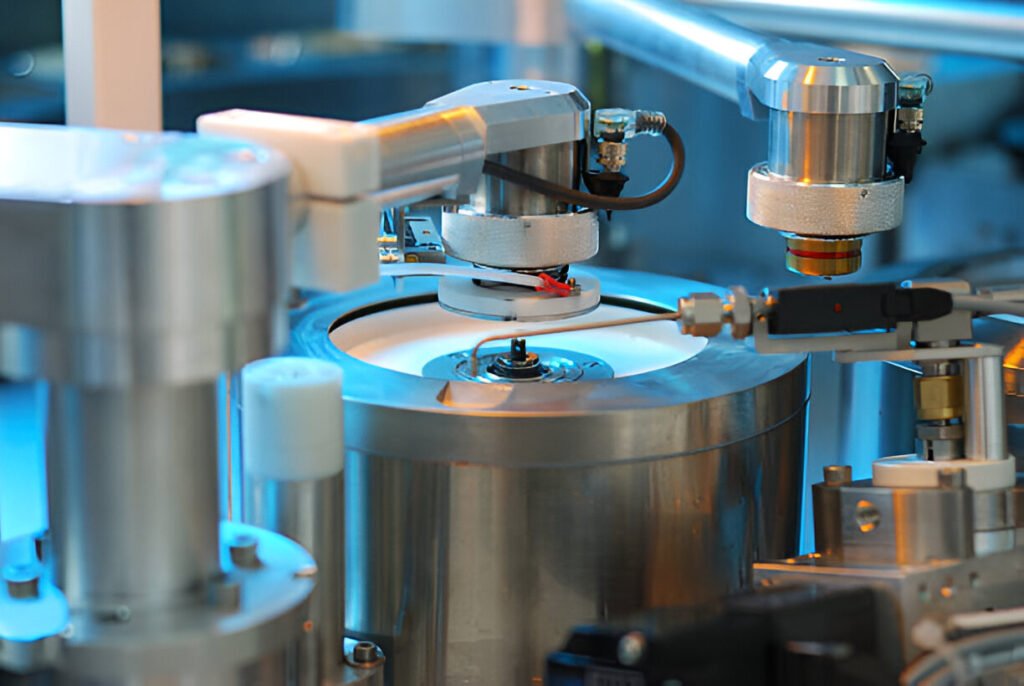
For industrial applications, rotary encoders can be integrated into motors, conveyor systems, CNC equipment, robotics, packaging machinery, motion-control systems, and other automated equipment.
When sourcing directly from a China rotary encoder wholesale factory, buyers may work with the manufacturer on product selection, specifications, quantities, packaging, OEM requirements, and other purchasing details.
The key question is not simply whether a supplier sells rotary encoders. The more important question is whether the supplier can consistently manufacture the encoder specifications your application requires.
China rotary encoder wholesale factory for industrial automation
Why Source Rotary Encoders From China?
China has a large manufacturing ecosystem serving industrial automation and electronic components. For international buyers, sourcing from Chinese manufacturers can provide access to different product configurations, production capabilities, and OEM/ODM options.
However, purchasing from China also requires careful supplier evaluation.
A lower unit price does not necessarily mean lower total procurement costs. Buyers should consider:
Product quality and consistency
Minimum order quantities
Production lead times
Customization capability
Communication efficiency
Packaging and labeling requirements
Quality inspection procedures
Export experience
After-sales support
Long-term production capacity
The best supplier is therefore not necessarily the factory offering the lowest quotation. It is the supplier that provides the appropriate combination of quality, technical compatibility, price, delivery, and service.
What to Look for in a China Rotary Encoder Wholesale Factory
1. Manufacturing Capability
Before placing a wholesale order, determine whether the supplier is actually capable of producing the required encoder specifications.
Ask about:
Production capacity
Available encoder models
Manufacturing equipment
Testing procedures
Quality-control processes
Production lead times
OEM/ODM capabilities
A manufacturer with suitable production capabilities can be easier to work with when you need recurring orders or product customization.
2. A Suitable Product Range
Different machines require different encoder specifications. Before choosing a supplier, review its product range and determine whether it can support your applications.
Important specifications may include:
Encoder type
Resolution
Output signal
Supply voltage
Shaft or bore configuration
Mounting dimensions
Rotation speed
Protection requirements
Operating temperature
Mechanical requirements
For buyers currently comparing products, the Sensyor rotary encoder product page is a useful starting point for evaluating available rotary encoder solutions.
3. OEM and ODM Support
OEM and ODM capability can be particularly important for equipment manufacturers and distributors with specialized requirements.
A customization project may involve changes to mechanical dimensions, electrical interfaces, connectors, cables, labeling, packaging, or other product requirements.
Before requesting customization, prepare a clear technical specification. Drawings, datasheets, application requirements, and target operating conditions can help the factory determine whether the requested design is practical.
4. Quality Control
Quality control is one of the most important considerations when selecting a rotary encoder manufacturer.
An encoder may need to operate reliably in an environment involving vibration, dust, temperature changes, continuous rotation, or other demanding conditions.
A buyer should therefore ask the supplier how products are inspected and tested before shipment.
Useful questions include:
What parameters are tested during production?
Are finished products tested before shipment?
How are defective units handled?
Is batch-level quality inspection available?
Can the supplier provide technical documentation?
For applications where encoder failure could affect machine operation, quality should be evaluated alongside price rather than after the purchase decision.
Types of Rotary Encoders to Consider
Not every rotary encoder is designed for the same purpose. Two major categories are incremental and absolute rotary encoders.
Incremental Rotary Encoders
Incremental encoders generate output signals corresponding to rotational movement. They can be used to determine parameters such as speed, direction, and relative movement.
They are commonly considered for applications such as:
Motor feedback
Conveyor systems
Position monitoring
Machine tools
Packaging equipment
Motion-control systems
When selecting an incremental encoder, buyers should pay close attention to resolution, output type, mounting configuration, and electrical compatibility.
Absolute Rotary Encoders
Absolute encoders provide a position value associated with the encoder’s rotational position. Depending on the encoder design and interface, they can be suitable for applications where absolute position information is important.
Potential applications include:
Robotics
Industrial machinery
Servo systems
Automated production equipment
Precision positioning systems
The correct choice between incremental and absolute technology depends on the machine architecture and control requirements.
Wholesale Factory vs. Trading Company
When searching for a China rotary encoder wholesale factory, buyers may encounter both manufacturers and trading companies.
A trading company can sometimes provide access to multiple product categories and suppliers. However, working directly with a manufacturer may provide advantages when technical customization, recurring production, or detailed product communication is important.
When evaluating a supplier, ask:
Is the company a manufacturer or trading company?
Where are the products manufactured?
Can technical specifications be customized?
Who handles engineering questions?
Can the supplier support repeat orders?
What quality-control procedures are used?
Can the supplier provide product documentation?
The answer to these questions can help you determine whether the supplier is suitable for a long-term B2B relationship.
Questions to Ask a Chinese Rotary Encoder Manufacturer
Before requesting a wholesale quotation, prepare a technical and commercial checklist.
Product Questions
Ask about:
Encoder type
Resolution
Output format
Voltage requirements
Shaft size
Housing dimensions
Connector type
Maximum rotational speed
Environmental requirements
Commercial Questions
Also confirm:
Minimum order quantity
Sample availability
Sample lead time
Mass-production lead time
Packaging
Payment terms
Shipping terms
Warranty or quality policies
Clear specifications make supplier comparisons more meaningful because different quotations may otherwise be based on different product configurations.
How to Compare Rotary Encoder Suppliers
A useful way to compare suppliers is to create a standardized evaluation sheet.
Evaluation Factor
What to Check
Product compatibility
Does the encoder meet your technical requirements?
Manufacturing
Does the supplier have suitable production capability?
Quality control
How are products tested and inspected?
Customization
Can the factory support OEM/ODM requirements?
MOQ
Is the minimum order suitable for your business?
Lead time
Can the supplier meet your delivery schedule?
Documentation
Are datasheets and technical specifications available?
Communication
Can technical questions be handled efficiently?
Price
Is the quotation competitive for the specified product?
Long-term supply
Can the supplier support repeat orders?
This approach helps buyers avoid selecting a supplier based only on the initial quotation.
Why Work With Sensyor?
For buyers searching for a China rotary encoder wholesale factory, Sensyor can be considered as a potential supplier for rotary encoder sourcing and industrial applications.
When evaluating Sensyor or any other manufacturer, buyers should provide their application requirements and technical specifications so the supplier can determine the appropriate product configuration.
For OEMs, distributors, system integrators, and industrial equipment manufacturers, providing detailed information at the beginning of the sourcing process can make product selection and quotation discussions more efficient.
How to Choose the Right Rotary Encoder for Your Application
China rotary encoder wholesale factory for industrial automation
Choosing a rotary encoder starts with understanding what the machine needs to measure.
Consider these questions:
Do you need incremental or absolute position feedback?
What resolution is required?
What output signal does the controller accept?
What supply voltage is available?
What shaft or mounting configuration is required?
What rotational speed will the encoder experience?
Will the encoder operate in dust, moisture, vibration, or temperature extremes?
Are customized dimensions or connectors required?
Once these requirements are defined, you can provide them to a manufacturer and request a technically comparable quotation.
For international sourcing, this is generally more useful than simply asking for the cheapest rotary encoder available.
FAQs About China Rotary Encoder Wholesale Factories
What should I look for in a China rotary encoder wholesale factory?
Look for suitable manufacturing capability, consistent quality control, appropriate product specifications, customization support, reasonable lead times, clear communication, and the ability to support repeat wholesale orders.
Can I buy rotary encoders directly from a Chinese factory?
Yes. International buyers can source rotary encoders directly from Chinese manufacturers. Before ordering, verify the supplier’s manufacturing capabilities, product specifications, quality procedures, commercial terms, and export experience.
What information should I provide when requesting a rotary encoder quotation?
Provide the encoder type, resolution, output signal, voltage, mechanical dimensions, shaft configuration, operating environment, quantity, and any customization requirements. Technical drawings or existing encoder specifications can also be helpful.
Are incremental and absolute rotary encoders interchangeable?
Not necessarily. Incremental and absolute encoders use different approaches to position feedback, and the appropriate choice depends on the machine’s control architecture and application requirements.
What industries use rotary encoders?
Rotary encoders are used across industrial automation and motion-control applications, including manufacturing machinery, conveyors, robotics, packaging equipment, motor systems, and machine tools.
How can I compare quotations from different encoder factories?
Compare quotations using the same technical specification. Evaluate product compatibility, quality control, MOQ, lead time, customization, documentation, commercial terms, and price rather than comparing unit prices alone.
Is the cheapest rotary encoder factory the best choice?
Not necessarily. A lower purchase price may not provide the best overall value if product quality, delivery reliability, technical support, or consistency does not meet your requirements.
Can a rotary encoder factory provide OEM products?
Some manufacturers provide OEM or ODM services, but capabilities vary. Buyers should discuss the required mechanical, electrical, branding, packaging, and production specifications with the supplier before placing an order.
Finding the right China rotary encoder wholesale factory requires more than searching for the lowest price. Buyers should evaluate manufacturing capability, product compatibility, quality control, customization, lead times, documentation, and long-term supply capacity.
A clear technical specification is one of the best starting points for the sourcing process. It allows manufacturers to provide more accurate quotations and helps buyers compare different suppliers on an equivalent basis.
If you are sourcing rotary encoders for industrial automation, OEM equipment, distribution, or machine-building applications, you can explore Sensyor’s rotary encoder products and contact the company with your technical requirements.
Absolute encoder are indispensable components in modern industrial automation and precision control. They provide accurate, stable, and unique position information for mechanical systems—even retaining data after power loss. This makes absolute encoders crucial in many B2B applications such as robotics, CNC machines, and automated production lines. As a professional absolute encoder supplier, Sensyor is committed […]
We use cookies to enhance your browsing experience, serve personalised ads or content, and analyse our traffic. By clicking "Accept All", you consent to our use of cookies.