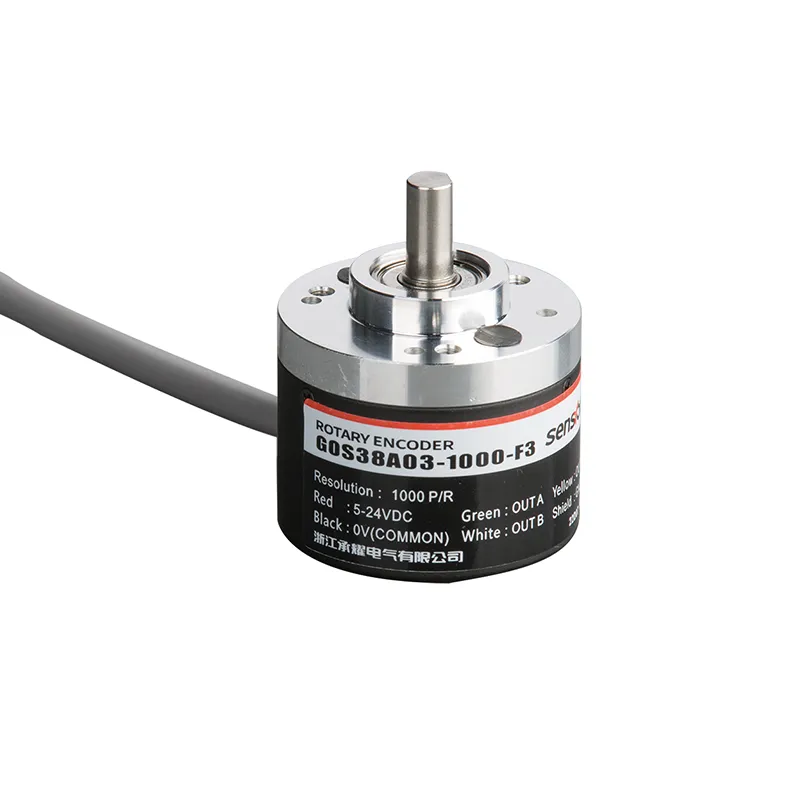
Introduction to Custom Industrial Encoder for Special Scenarios
Why Standard Encoders Cannot Meet Every Industrial Requirement
Key Features of Custom Industrial Encoder for Special Scenarios
Applications of Custom Industrial Encoder Solutions
How to Design a Customized Encoder for Unique Environments
Benefits of Choosing a Special Application Encoder
Selecting the Right Industrial Encoder Manufacturer
Future Trends in Customized Encoder Technology
Frequently Asked Questions
Conclusion
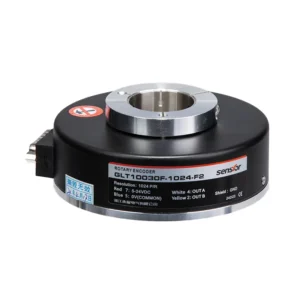
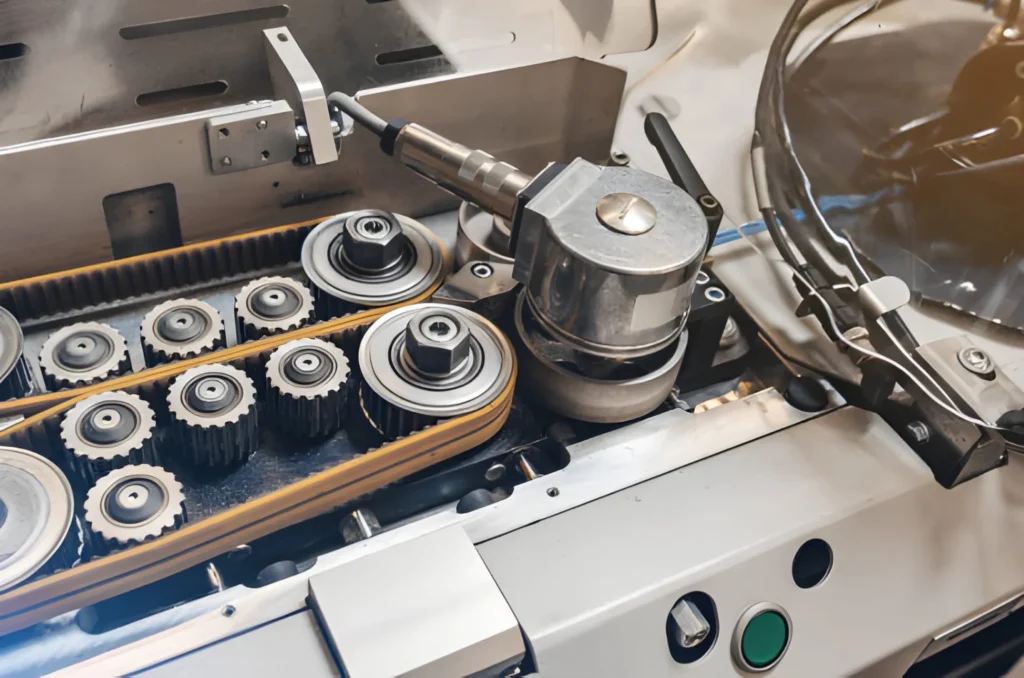
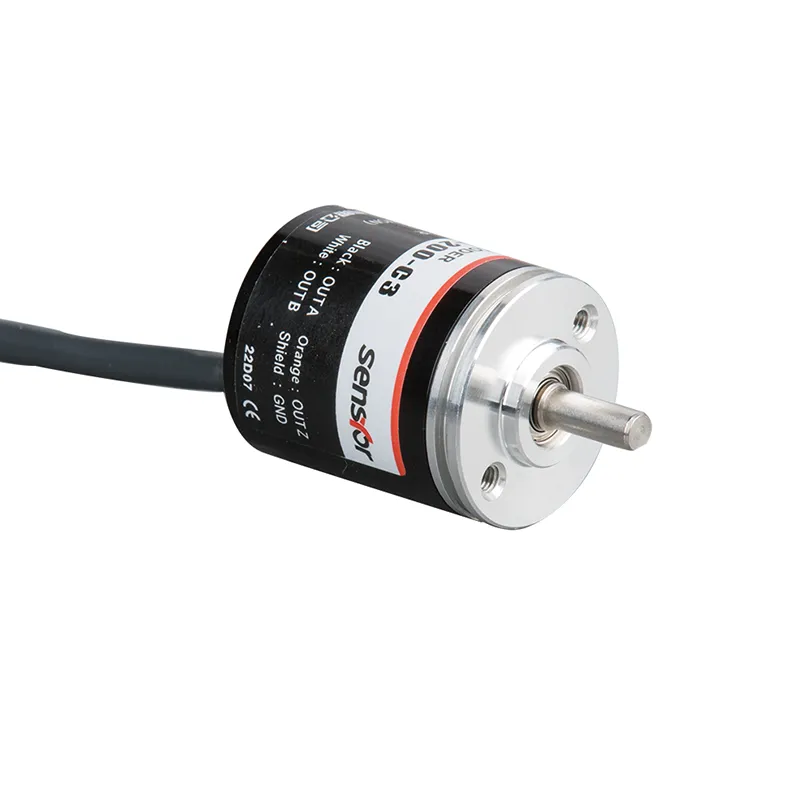
A customized industrial encoder designed for demanding automation environments and special application requirements.
Introduction to Custom Industrial Encoder for Special Scenarios
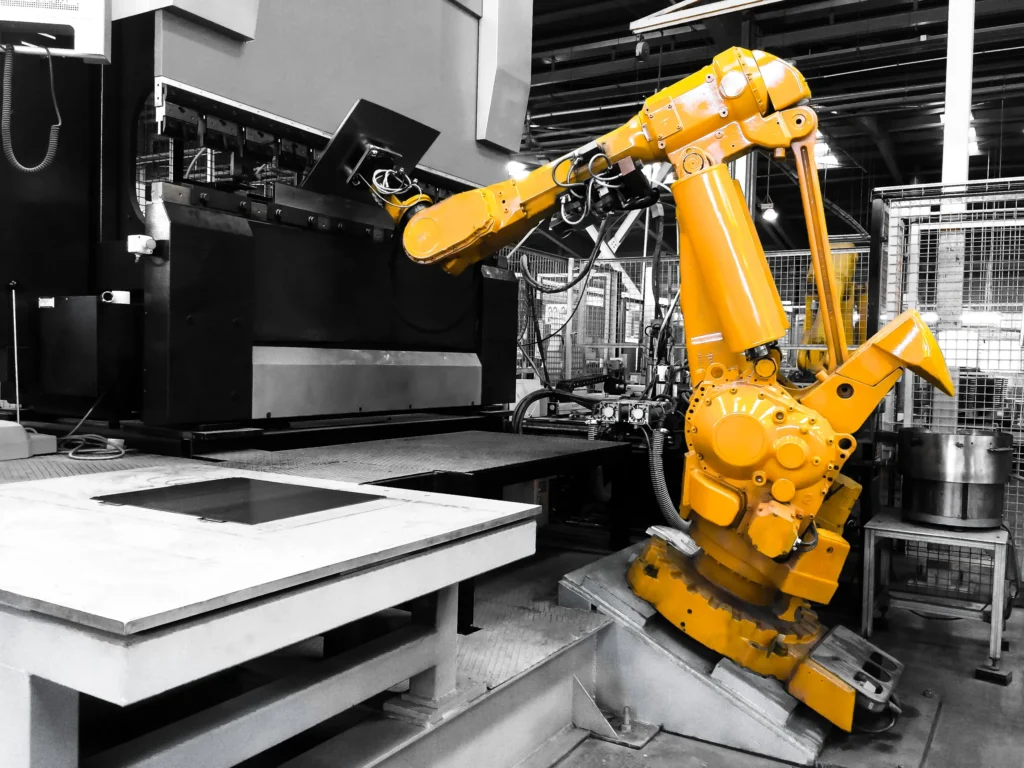
Modern industrial automation systems require higher accuracy, stronger durability, and better adaptability than ever before. A custom industrial encoder for special scenarios is designed specifically for applications where standard encoder products cannot provide the required performance.
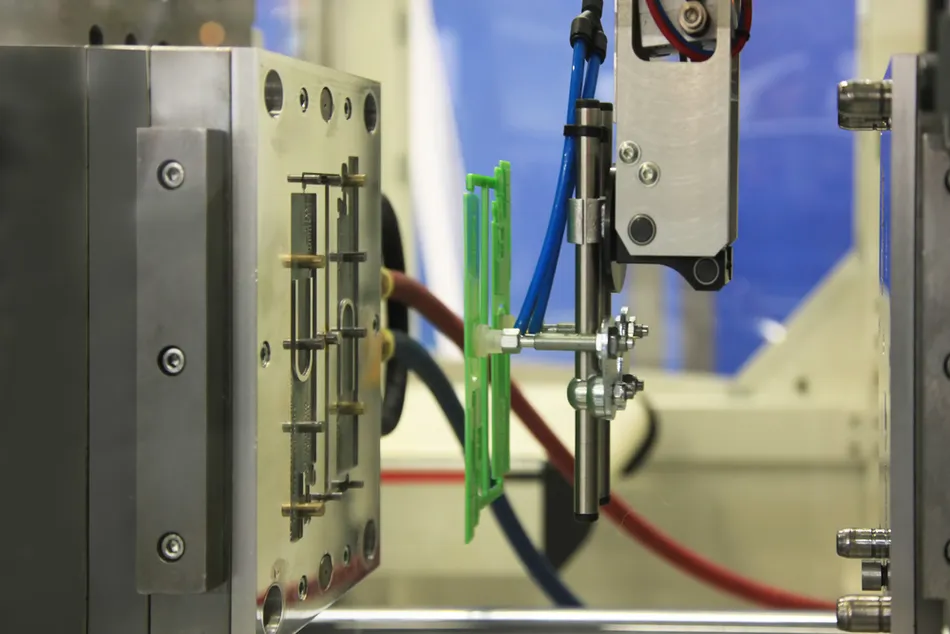
Unlike conventional rotary encoders, customized industrial encoders are developed according to specific customer requirements, including extreme temperatures, limited installation space, high vibration environments, underwater applications, aerospace equipment, and advanced manufacturing systems.
Industrial machines depend on accurate position feedback to maintain efficiency and safety. When operating conditions become complex, a standard sensor may not deliver reliable results. This is where a customized encoder solution becomes essential.
For professional encoder solutions designed for different industrial requirements, you can explore our product range:
Why Custom Industrial Encoder for Special Scenarios Is Required
Custom Industrial Encoder for Special Scenarios Solves Unique Engineering Challenges
Many industrial applications have special requirements that cannot be handled by traditional encoder designs.
Examples include:
Extremely high or low operating temperatures
Heavy mechanical shock and vibration
Compact installation spaces
Exposure to dust, oil, moisture, or chemicals
High-speed rotating equipment
High precision positioning requirements
A customized encoder allows engineers to modify mechanical structures, electrical interfaces, resolution levels, and communication protocols.
For example, an encoder used in a steel production line may require heat resistance, while an encoder installed in medical equipment may require compact dimensions and extremely high accuracy.
Key Features of Custom Industrial Encoder for Special Scenarios
1. Customized Mechanical Design
One of the biggest advantages of a custom industrial encoder for special scenarios is flexible mechanical design.
Manufacturers can customize:
Shaft dimensions
Mounting structures
Housing materials
Connector positions
Encoder size
This ensures the encoder fits perfectly into existing equipment without major redesign.
2. Enhanced Environmental Protection
Industrial environments can be extremely demanding.
Customized encoders can include:
High IP protection ratings
Waterproof sealing
Corrosion-resistant materials
Dust-resistant structures
Temperature-resistant components
These features allow reliable operation in factories, outdoor machinery, and harsh production environments.
More information about industrial protection standards can be found at:
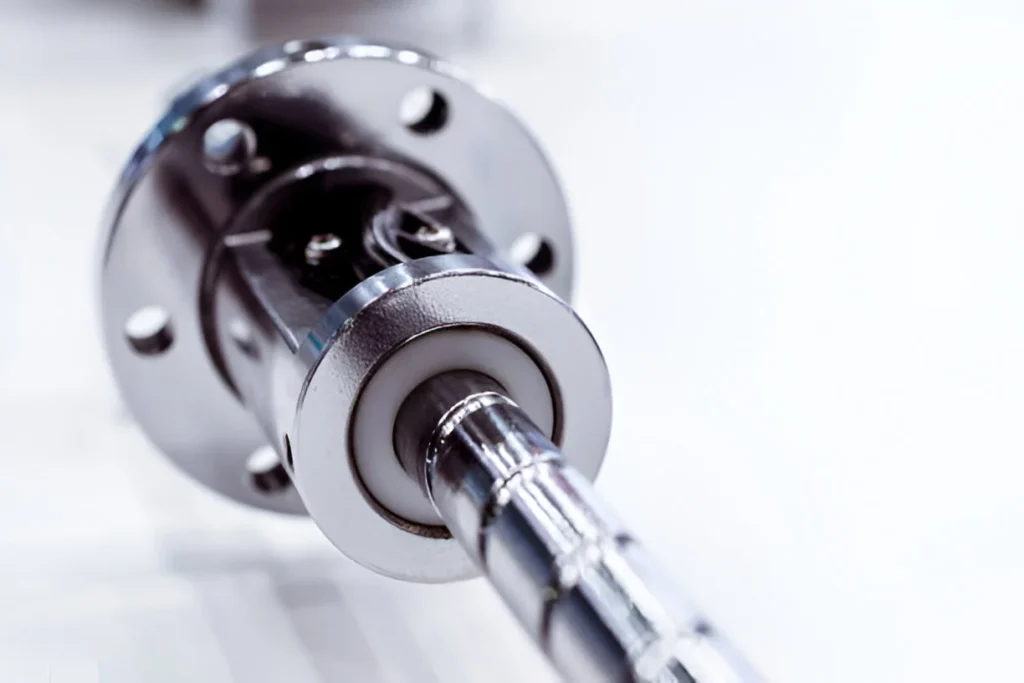
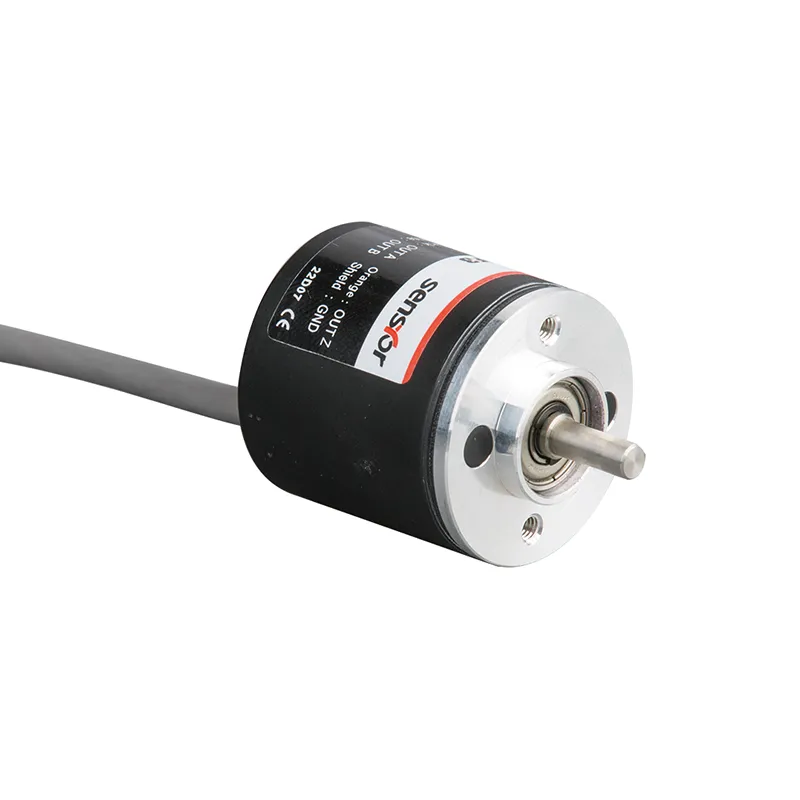
Heavy-duty customized encoder solutions provide reliable position feedback in challenging industrial conditions.
Frequently Asked Questions (FAQ)
1. What is a custom industrial encoder for special scenarios?
A custom industrial encoder for special scenarios is a specially designed encoder created for unique industrial environments where standard products cannot meet performance requirements.
2. Why choose a customized encoder instead of a standard encoder?
Customized encoders provide better compatibility, improved durability, and optimized performance for challenging applications.
3. Which industries use custom industrial encoders?
They are widely used in automation, robotics, mining, renewable energy, manufacturing, medical equipment, and heavy machinery.
4. Can industrial encoders work in extreme environments?
Yes. Customized designs can support extreme temperatures, vibration, moisture, dust, and chemical exposure.
5. How long does a customized encoder development process take?
The timeline depends on design complexity, testing requirements, and production quantity.
6. How can I choose the right encoder solution?
You should consider operating conditions, accuracy requirements, mounting limitations, and communication protocols.
Conclusion
A custom industrial encoder for special scenarios provides an effective solution for industries requiring reliable motion control under challenging conditions.
By combining customized mechanical structures, flexible electrical designs, and advanced sensing technology, these encoders help improve automation efficiency, accuracy, and long-term reliability.
Whether your application involves factory automation, heavy machinery, renewable energy, or another specialized field, choosing the right customized encoder partner can make a significant difference.
Explore professional custom industrial encoder solutions:
📊 Comprehensive Outline for “encoder manufacturer” Heading Level Topic H1 Encoder Manufacturer: 12 Key Factors to Choose the Best Partner H2 Introduction to Encoder Manufacturer H3 What Does an Encoder Manufacturer Do H3 Importance in Automation Industry H2 Types of Encoders Produced by Manufacturers H3 Optical Encoders H3 Magnetic Encoders H3 Absolute and Incremental Encoders […]
Table of Contents Introduction to CNC Machine Encoder CNC machine encoder technology is essential in modern manufacturing and industrial automation systems. A CNC machine encoder provides accurate motion feedback, helping CNC equipment maintain precise positioning and speed control during operation. Without a reliable CNC machine encoder, machining errors and positioning inaccuracies can reduce production quality. […]
In the world of modern manufacturing and industrial automation, Incremental Shaft Encoder for accuracy and position tracking play a vital role. Whether it’s controlling the speed of a conveyor, monitoring the rotation of a robotic arm, or ensuring a CNC machine operates with micrometer-level precision, one small yet essential device makes it all possible — the incremental shaft encoder. But […]
We use cookies to enhance your browsing experience, serve personalised ads or content, and analyse our traffic. By clicking "Accept All", you consent to our use of cookies.