📊 Comprehensive Outline for “encoder for printing machinery”
Heading Level
Topic
H1
Encoder for Printing Machinery: Improve Accuracy and Efficiency
H2
Introduction to Encoder for Printing Machinery
H3
What is an Encoder in Printing Systems
H3
Why Precision Matters in Printing
H2
How Encoder for Printing Machinery Works
H3
Signal Generation and Feedback
H3
Role in Synchronization
H2
Types of Encoder Used in Printing
H3
Optical Encoder
H3
Magnetic Encoder
H3
Incremental vs Absolute Encoder
H2
Components of Encoder Systems
H3
Sensor Unit
H3
Code Disc
H3
Signal Processor
H2
Applications in Printing Industry
H3
Flexographic Printing
H3
Offset Printing
H3
Digital Printing
H2
Benefits of Using Encoder for Printing Machinery
H3
Improved Print Accuracy
H3
Better Speed Control
H3
Reduced Waste
H2
Challenges and Limitations
H3
Environmental Factors
H3
Maintenance Requirements
H2
Encoder for Printing Machinery vs Standard Encoder
H3
Key Differences
H3
Performance Comparison
H2
Installation Tips
H3
Alignment and Calibration
H3
Proper Mounting
H2
Maintenance Practices
H3
Cleaning and Inspection
H3
Performance Monitoring
H2
Future Trends
H3
Smart Encoders
H3
Integration with IoT
H2
Buying Guide
H3
Key Features
H3
Selection Tips
H2
FAQs
H2
Conclusion
Introduction to Encoder for Printing Machinery
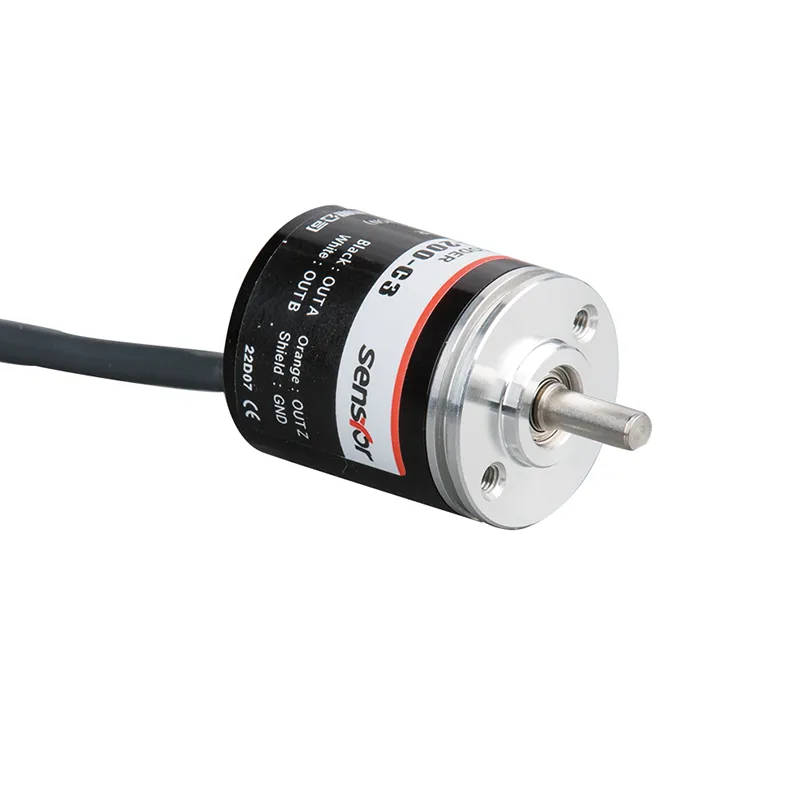
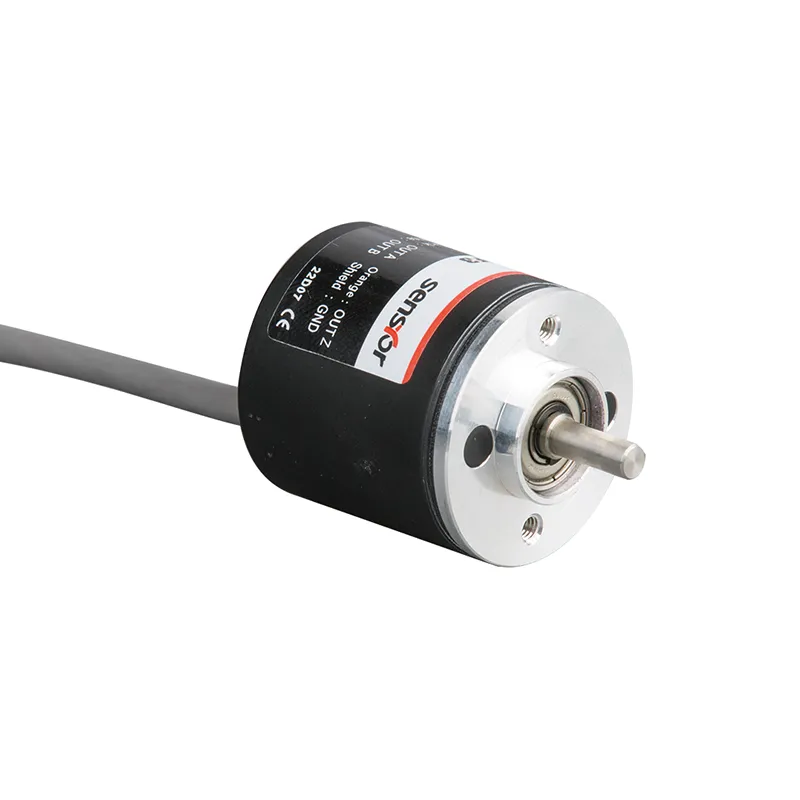
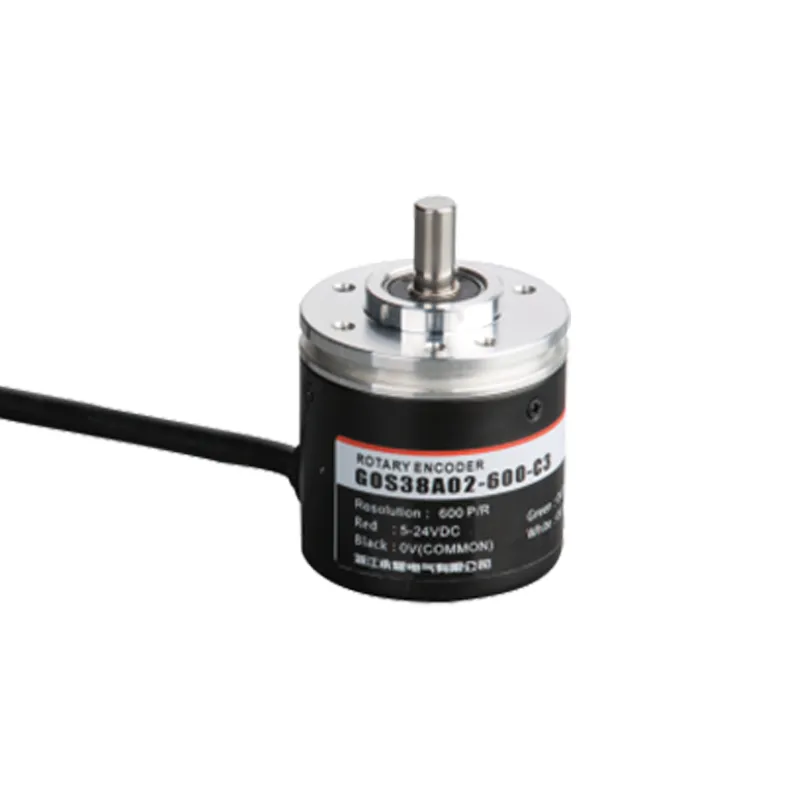
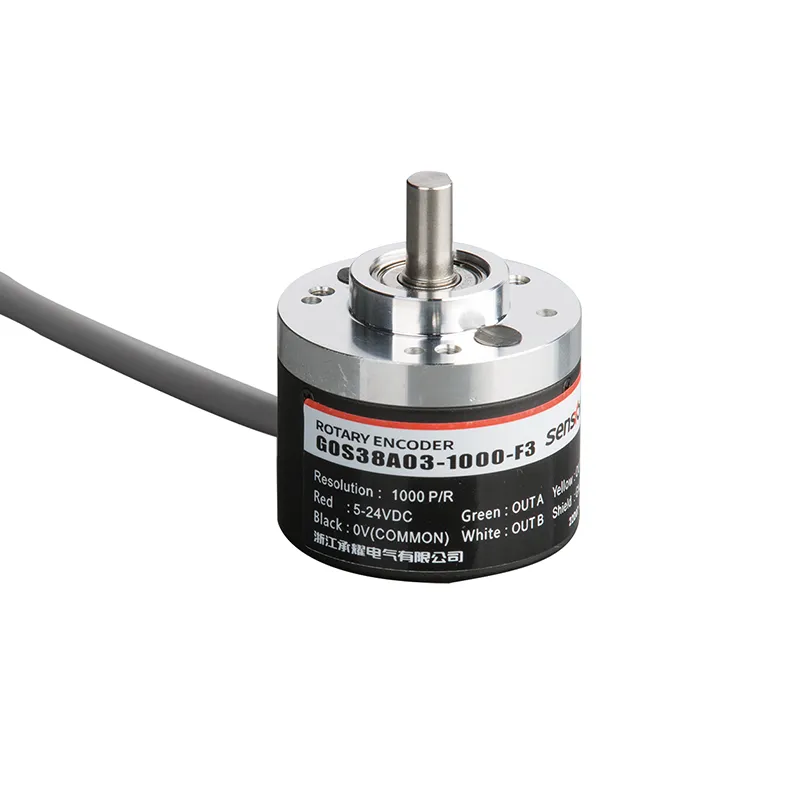
An encoder for printing machinery is a critical component used to monitor and control motion in printing systems. It converts mechanical movement into electrical signals, enabling precise control over printing speed, position, and alignment.
In modern printing environments, where even minor misalignment can cause defects, using an encoder for printing machinery ensures high-quality output and efficient production.
What is an Encoder in Printing Systems
An encoder is a feedback device that tracks movement and sends real-time data to the control system. In printing applications, it helps maintain synchronization between rollers, print heads, and material feed.
How Encoder for Printing Machinery Works
An encoder for printing machinery detects motion and converts it into electrical signals.
Signal Generation and Feedback
The encoder produces pulses corresponding to movement. These signals help the control system adjust speed and position.
Role in Synchronization
Proper synchronization ensures that printed images align perfectly with the substrate, reducing errors and waste.
Types of Encoder Used in Printing
Optical Encoder
High precision
Ideal for detailed printing tasks
Magnetic Encoder
Durable
Suitable for harsh environments
Incremental vs Absolute Encoder
Type
Description
Incremental
Tracks relative movement
Absolute
Provides exact position
Components of Encoder Systems
An encoder for printing machinery includes:
Sensor unit
Code disc
Signal processor
Each part contributes to accurate motion tracking.
Applications in Printing Industry
Flexographic Printing
Used for packaging and labels, requiring precise speed control.
Offset Printing
Ensures accurate plate alignment and ink distribution.
Digital Printing
Supports high-speed and high-resolution printing processes.
Benefits of Using Encoder for Printing Machinery
Improved Print Accuracy
Ensures consistent alignment and high-quality output.
Better Speed Control
Maintains optimal speed for different printing tasks.
Reduced Waste
Minimizes errors, saving materials and cost.
Challenges and Limitations
Environmental Factors
Dust, heat, and vibration can affect performance.
Maintenance Requirements
Regular maintenance is necessary for optimal performance.
Encoder for Printing Machinery vs Standard Encoder
Feature
Printing Encoder
Standard Encoder
Accuracy
High
Moderate
Application
Specialized
General
Cost
Higher
Lower
Installation Tips
Alignment and Calibration
Proper alignment ensures accurate readings.
Proper Mounting
Secure installation prevents vibration issues.
Maintenance Practices
Cleaning and Inspection
Regular cleaning prevents signal interference.
Performance Monitoring
Track performance to detect issues early.
Future Trends
Smart Encoders
Advanced encoders with built-in diagnostics.
Integration with IoT
Connected systems enable real-time monitoring.
Buying Guide
Key Features
Resolution
Durability
Compatibility
Selection Tips
Choose based on printing type and environment.
For industry standards, refer to 👉 https://www.ieee.org/ (DoFollow external link to IEEE)
1. What is an encoder for printing machinery used for?
It controls motion, speed, and alignment in printing systems.
2. Why is it important in printing?
It ensures accuracy and reduces waste.
3. What type is best for printing?
Optical encoders are preferred for high precision.
4. Can it work in harsh environments?
Yes, magnetic encoders are suitable.
5. Does it require maintenance?
Yes, regular inspection is recommended.
6. Is it expensive?
Costs vary depending on features and accuracy.
Conclusion
An encoder for printing machinery is essential for achieving high precision, efficiency, and consistency in modern printing systems. By ensuring accurate motion control and synchronization, it significantly enhances production quality and reduces operational costs.
📊 SEO-Optimized Outline (Content AI Structured) Heading Level Topic H1 China Encoder Supplier: 11 Powerful Ways to Choose the Best Manufacturer H2 What is a China Encoder Supplier H2 Why a China Encoder Supplier is Important H2 How a China Encoder Supplier Manufactures Encoders H2 Types of Products from a China Encoder Supplier H3 Optical […]
In today’s fast-paced industrial and automation landscape, incremental encoder are everywhere—hidden in robotics, conveyors, packaging lines, and even your favorite coffee machine. But, here’s something people often overlook: the real-world environment where these nifty gadgets operate. Does it matter? Absolutely. Sure, incremental encoders are versatile and accurate, but environmental factors can make or break their performance and […]
Table of Contents What Is a Servo Motor Encoder? A servo encoder is a precision feedback device used in servo systems to measure the position, speed, and direction of a motor shaft. At the beginning of modern industrial automation, accurate motion control became one of the most important requirements for manufacturers. Without reliable feedback, servo […]
We use cookies to enhance your browsing experience, serve personalised ads or content, and analyse our traffic. By clicking "Accept All", you consent to our use of cookies.