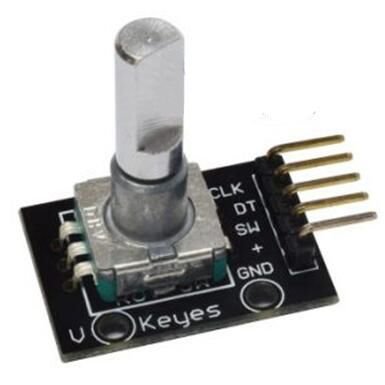
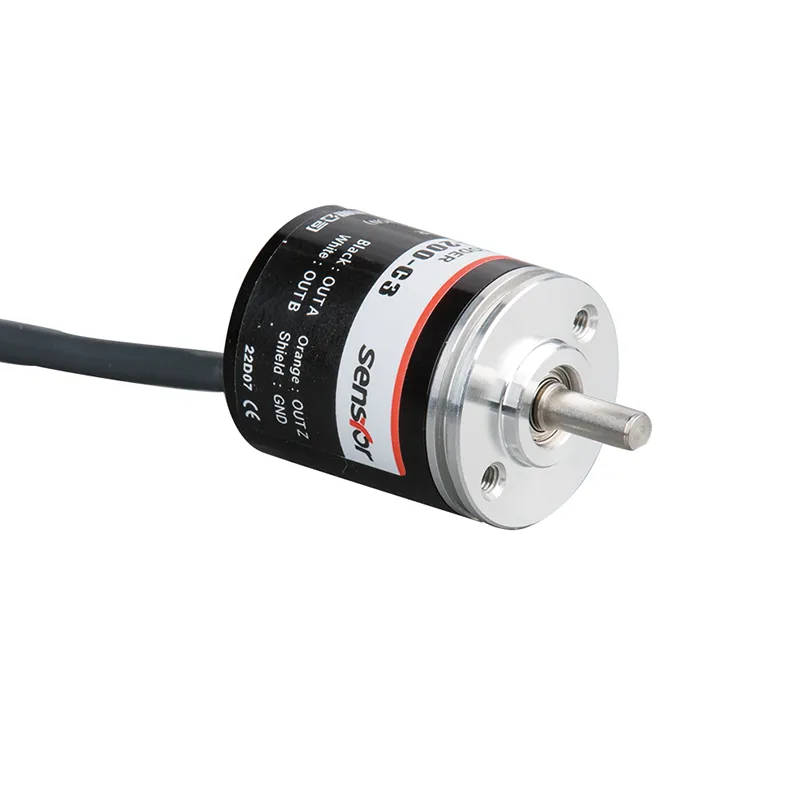
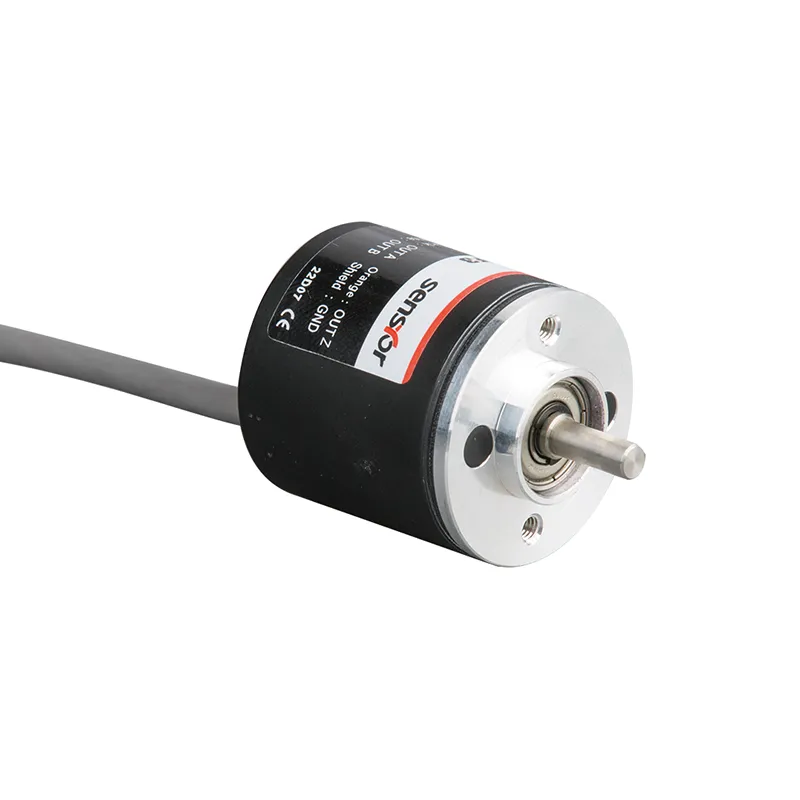
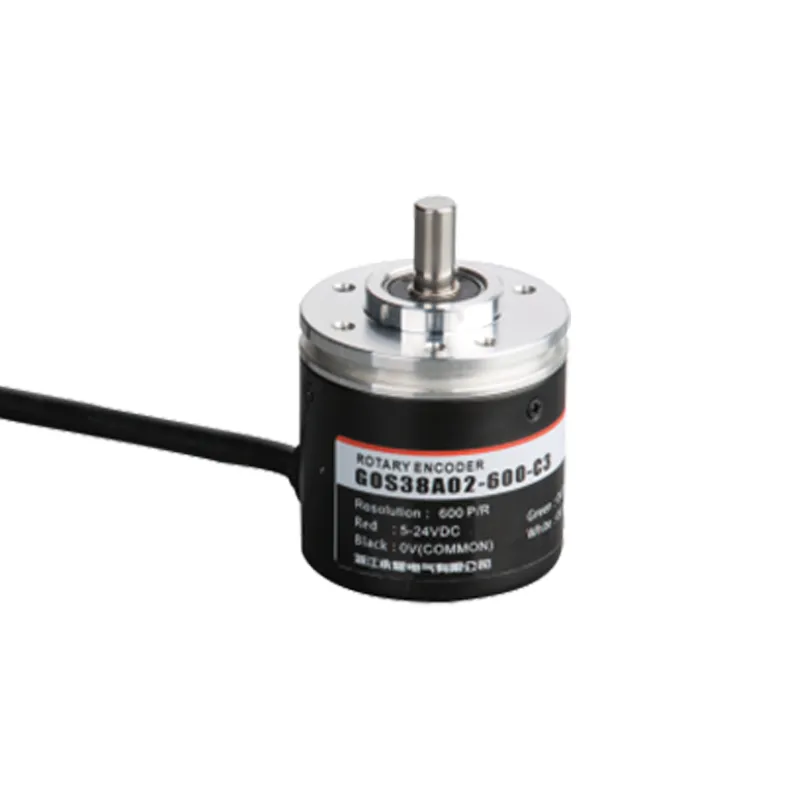
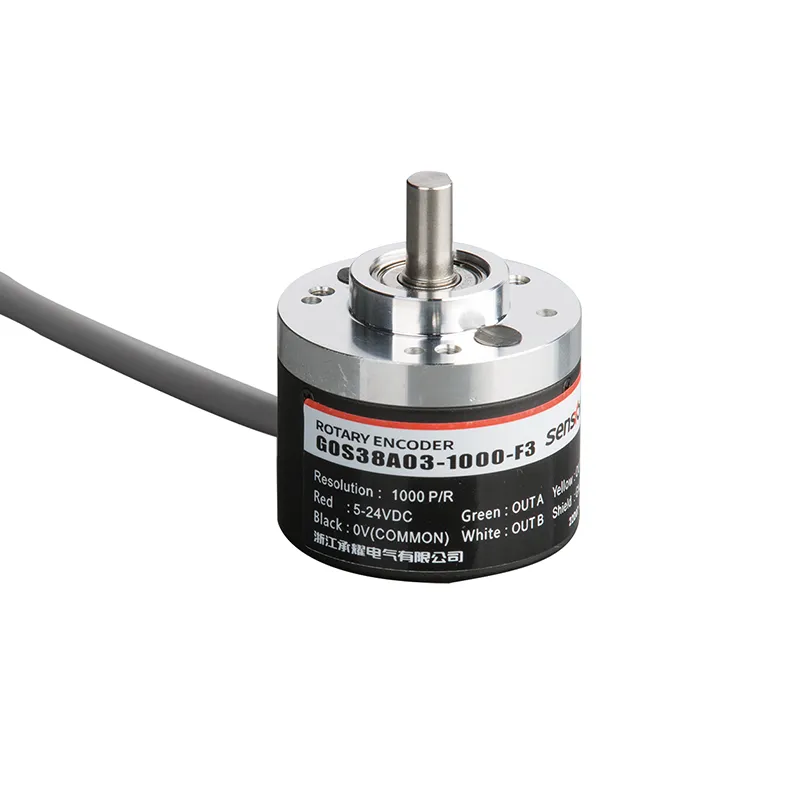
An encoder for textile machinery is a motion feedback device used to monitor speed, position, and rotational movement in textile equipment. It helps textile manufacturers maintain production accuracy while improving machine efficiency.
Modern weaving, knitting, spinning, and winding machines depend on encoder technology to achieve consistent fabric quality. A reliable encoder for textile machinery can improve synchronization between different production stages and reduce operational errors.
An encoder for textile machinery provides precise motion feedback, helping machines maintain accurate yarn positioning and fabric patterns.
Improved Machine Efficiency
Real-time feedback allows textile equipment to operate at optimal speeds while maintaining product quality.
Reduced Material Waste
Accurate speed and position monitoring helps reduce production defects and unnecessary material consumption.
Better Automation Integration
Modern textile factories use encoders together with PLCs and servo systems to create highly automated production lines.
Applications of Encoder for Textile Machinery
Weaving Machines
Weaving systems use an encoder for textile machinery to synchronize yarn movement and loom operation.
Knitting Equipment
Knitting machines require precise motion control to ensure uniform stitching and pattern consistency.
Spinning Machines
In spinning processes, encoders monitor shaft speed and help maintain stable yarn quality.
Automated Textile Lines
Advanced manufacturing facilities use encoder feedback to optimize production efficiency and machine coordination.
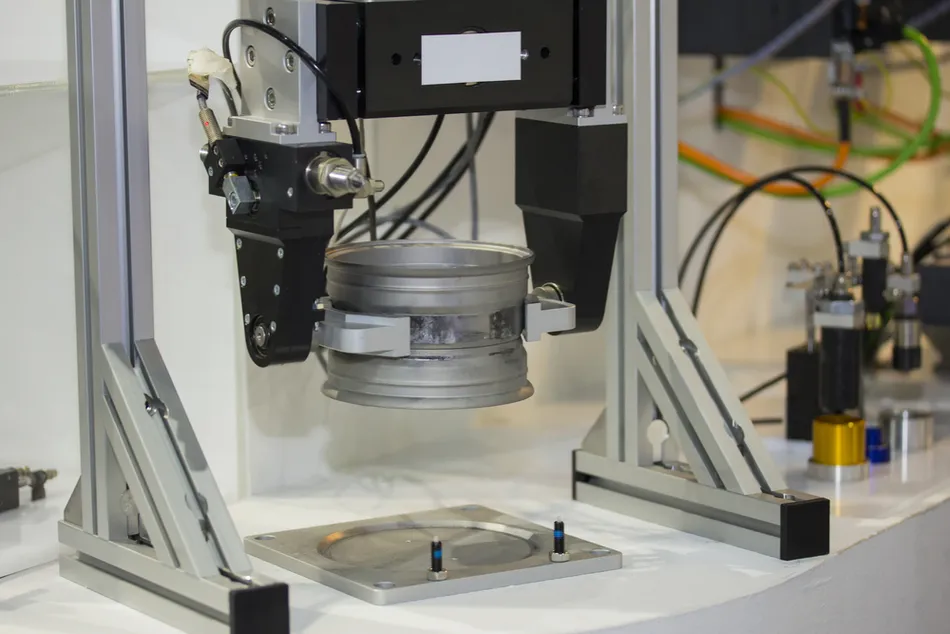
Encoder for textile machinery installed on a high-speed weaving system.
Textile Industry Trends and Encoder Technology
The textile industry continues to move toward higher levels of automation and digital manufacturing. Modern production facilities require precise motion control systems that can operate continuously while maintaining product consistency. Advanced rotary encoders help manufacturers achieve these goals by delivering accurate feedback for machine control systems.
In smart textile factories, motion feedback devices are integrated with PLCs, servo drives, and industrial communication networks. This integration enables real-time monitoring of machine performance and production efficiency. As Industry 4.0 technologies become more common, demand for reliable encoder solutions continues to grow.
Manufacturers are increasingly selecting high-resolution encoder systems to improve fabric quality and reduce production waste. Better motion control helps ensure accurate yarn positioning, stable machine speeds, and consistent product output.
Technical Features for Textile Applications
When selecting an industrial encoder for textile equipment, several technical specifications should be evaluated carefully:
High resolution for accurate positioning
Stable signal output during continuous operation
Compact housing for limited installation space
Resistance to dust and vibration
Long operating life with minimal maintenance
These characteristics help ensure reliable operation in demanding textile production environments.
For additional product information and industrial solutions, visit:
It provides speed and position feedback to textile equipment for accurate production control.
Which textile machines use encoders?
Weaving, knitting, spinning, winding, and automated production systems commonly use encoders.
Why is encoder accuracy important?
Accurate feedback improves fabric quality, reduces waste, and enhances machine efficiency.
How long does an industrial encoder last?
With proper maintenance, industrial encoders can operate reliably for many years.
Conclusion
An encoder for textile machinery is essential for modern textile manufacturing. By delivering accurate motion feedback, it helps improve efficiency, maintain product quality, and support advanced automation systems. Choosing the right encoder solution can significantly enhance production performance and long-term reliability.
In the world of industrial automation and machinery manufacturing, encoders play a crucial role. Think of them as the “eyes” and “ears” of your equipment, helping machines accurately sense position, speed, and direction for precise control. For B2B projects, selecting the right encoder not only affects your equipment’s performance and stability but also directly impacts […]
Table of Contents What Is a Hollow Shaft Rotary Encoder? A hollow shaft rotary encoder is an industrial motion feedback device designed to measure rotational speed, position, and direction without requiring a traditional solid shaft connection. Unlike conventional encoders, this design allows the machine shaft to pass directly through the encoder, creating a simple and […]
📊 Comprehensive Outline for “encoder for packaging machine” Heading Level Topic H1 Encoder for Packaging Machine: Improve Accuracy and Efficiency H2 Introduction to Encoder for Packaging Machine H3 What is an Encoder in Packaging Systems H3 Why Encoders Are Essential in Packaging H2 How an Encoder for Packaging Machine Works H3 Signal Conversion Process H3 […]
We use cookies to enhance your browsing experience, serve personalised ads or content, and analyse our traffic. By clicking "Accept All", you consent to our use of cookies.