Rotary Encoder: 15 Powerful Insights for Motion Control
H2
Introduction to Rotary Encoder
H3
What is a Rotary Encoder
H3
Why Rotary Encoders Matter
H2
How a Rotary Encoder Works
H3
Signal Generation in Rotary Encoder
H3
Position and Speed Detection
H2
Types of Rotary Encoder
H3
Optical Rotary Encoder
H3
Magnetic Rotary Encoder
H3
Incremental Rotary Encoder
H3
Absolute Rotary Encoder
H2
Key Components of Rotary Encoder
H3
Shaft and Disc
H3
Sensors and Electronics
H2
Applications of Rotary Encoder
H3
Industrial Automation
H3
Robotics Systems
H3
Automotive Technology
H3
Consumer Electronics
H2
Benefits of Rotary Encoder
H3
High Accuracy
H3
Real-Time Feedback
H3
System Efficiency
H2
Limitations of Rotary Encoder
H3
Environmental Sensitivity
H3
Installation Challenges
H2
Rotary Encoder vs Linear Encoder
H3
Key Differences
H3
Use Case Comparison
H2
Installation Tips for Rotary Encoder
H3
Proper Alignment
H3
Electrical Connections
H2
Maintenance of Rotary Encoder
H3
Regular Inspection
H3
Cleaning and Calibration
H2
Future Trends in Rotary Encoder
H3
Smart Encoders
H3
IoT Integration
H2
Buying Guide for Rotary Encoder
H3
Key Features to Consider
H3
Choosing the Right Model
H2
FAQs About Rotary Encoder
H2
Conclusion
Introduction to Rotary Encoder
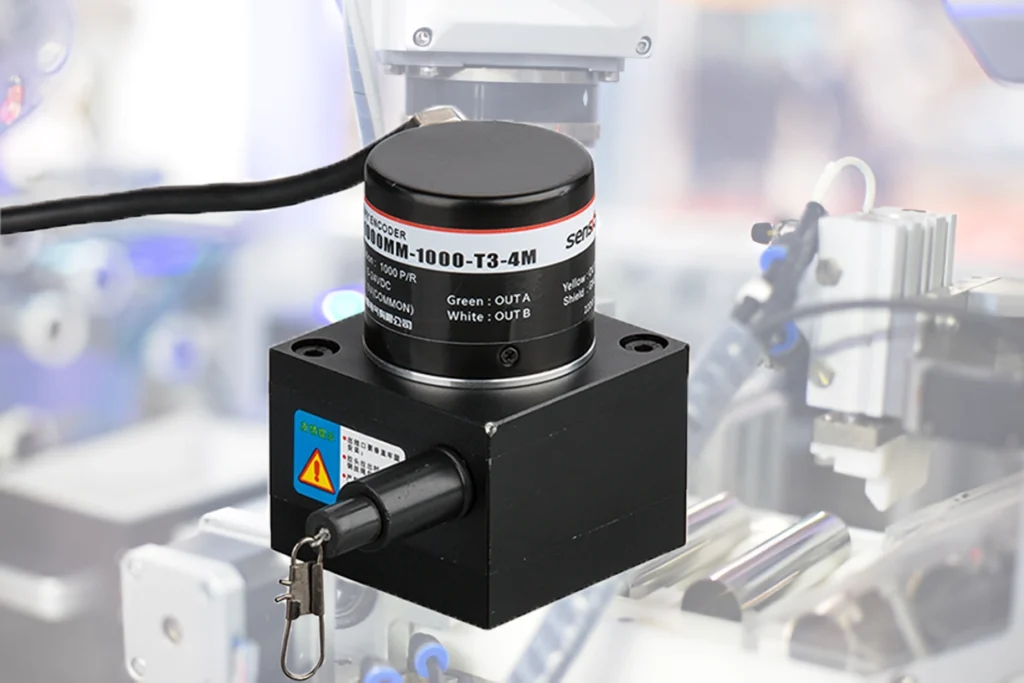
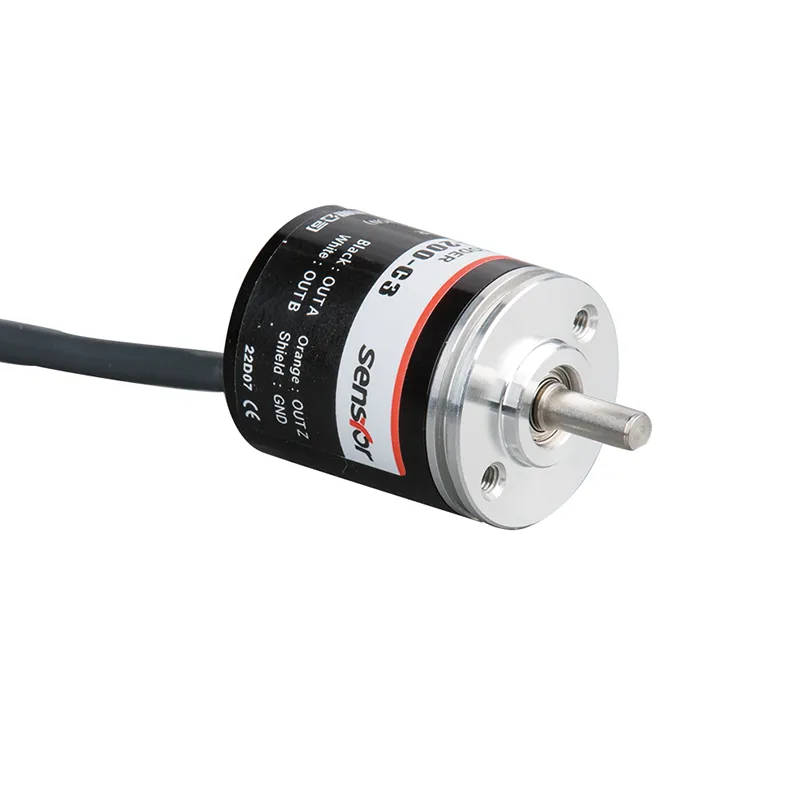
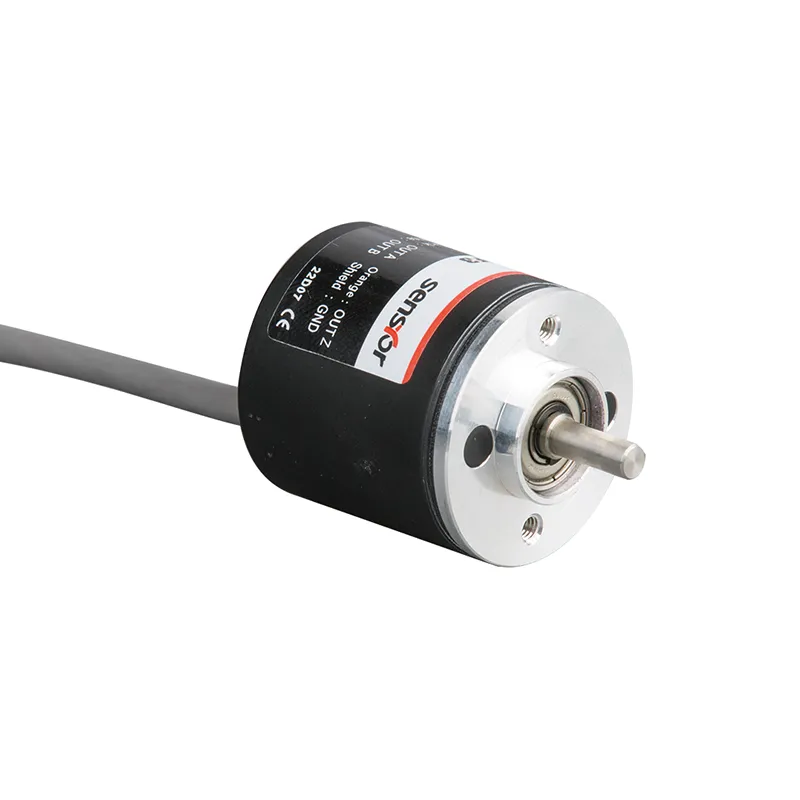
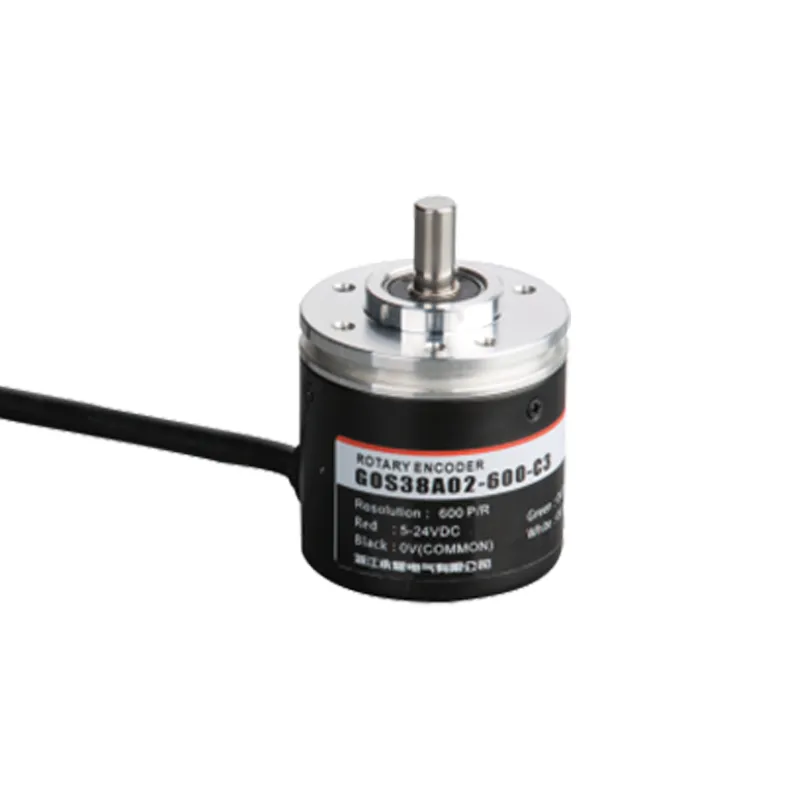
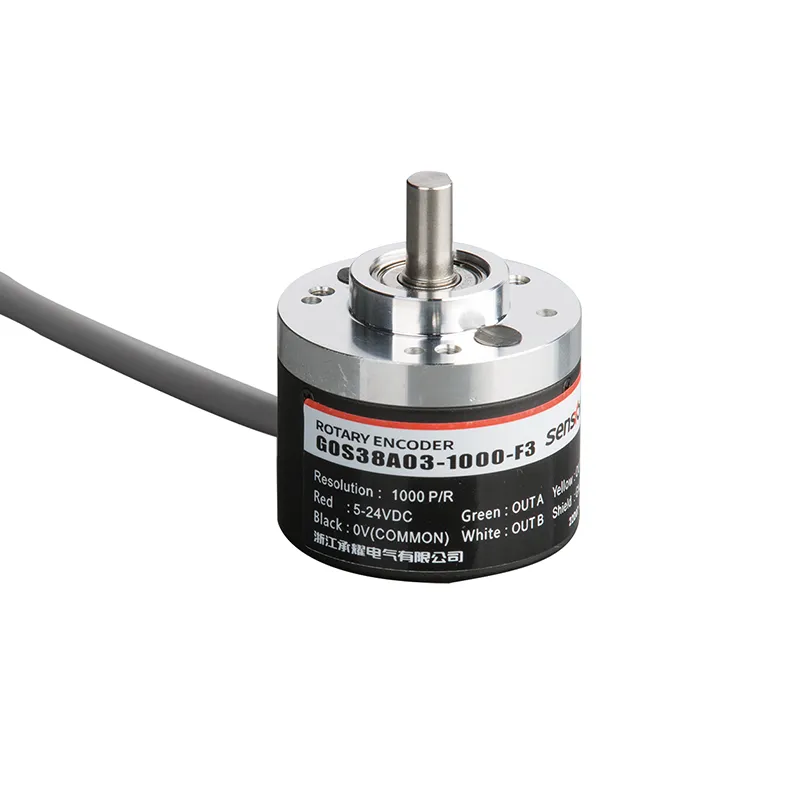
A rotary encoder is a critical sensor used to measure rotational position, speed, and direction. It converts mechanical motion into electrical signals, allowing machines to operate with high precision and control. From robotics to industrial automation, a rotary encoder plays a key role in ensuring accurate movement and system efficiency.
What is a Rotary Encoder
A rotary encoder is an electromechanical device that tracks rotational movement. It is commonly attached to a motor shaft and provides feedback to control systems.
There are two main types:
Incremental encoders (measure relative movement)
Absolute encoders (provide exact position data)
How a Rotary Encoder Works
Signal Generation in Rotary Encoder
A rotary encoder generates signals based on shaft rotation. Depending on the type, it may use optical or magnetic sensing to detect movement.
Position and Speed Detection
The encoder sends pulses or digital codes to a controller, which calculates position and speed in real time.
Types of Rotary Encoder
Optical Rotary Encoder
Uses light beams
High precision
Sensitive to dust
Magnetic Rotary Encoder
Uses magnetic fields
Durable and reliable
Suitable for harsh environments
Incremental Rotary Encoder
Tracks changes in position
Requires reference point
Absolute Rotary Encoder
Provides exact position
Retains data after power loss
Key Components of Rotary Encoder
Shaft
Code disc
Sensors
Signal processor
Each part contributes to the performance of the rotary encoder.
Applications of Rotary Encoder
Industrial Automation
Used in conveyor systems and production lines.
Robotics Systems
Ensures precise movement and positioning.
Automotive Technology
Supports steering and speed detection systems.
Consumer Electronics
Found in devices like printers and volume controls.
Benefits of Rotary Encoder
High accuracy
Real-time feedback
Improved efficiency
A rotary encoder enhances system performance and reduces errors.
Limitations of Rotary Encoder
Sensitive to environmental factors
Requires proper installation
Rotary Encoder vs Linear Encoder
Feature
Rotary Encoder
Linear Encoder
Motion Type
Rotational
Linear
Usage
Motors
Linear systems
Accuracy
High
High
Installation Tips for Rotary Encoder
Ensure proper alignment
Secure mounting
Check wiring connections
Maintenance of Rotary Encoder
Regular inspection
Clean components
Calibrate periodically
Future Trends in Rotary Encoder
Smart encoders with diagnostics
IoT-enabled systems
Miniaturization
Buying Guide for Rotary Encoder
Consider:
Resolution
Environment
Output type
Durability
For technical standards, refer to: 👉 https://www.ieee.org/ (DoFollow external resource from IEEE)
A rotary encoder is used to measure rotation, position, and speed.
2. What is the difference between incremental and absolute encoders?
Incremental measures change, while absolute provides exact position.
3. Are rotary encoders accurate?
Yes, they provide high precision depending on the type.
4. Can rotary encoders work in harsh environments?
Magnetic types are suitable for harsh conditions.
5. Do rotary encoders require maintenance?
Yes, regular inspection ensures performance.
6. Where are rotary encoders used?
They are used in automation, robotics, and electronics.
Conclusion
A rotary encoder is an essential component in modern motion control systems. It delivers accurate feedback, improves efficiency, and supports advanced automation technologies. Whether in industrial or consumer applications, investing in the right rotary encoder ensures reliable and precise performance.
Introduction: Understanding the 10000ppr Encoder A 10000ppr encoder is a high-resolution rotary encoder designed to provide extremely accurate motion feedback in industrial automation systems. With 10,000 pulses generated per revolution, this type of encoder allows machines to achieve precise speed measurement, position control, and motion synchronization. Modern manufacturing equipment requires higher accuracy and faster response […]
Introduction to 50mm Encoder A 50mm encoder is an essential device used in industrial automation systems to measure position, speed, rotation, and movement with high accuracy. Industries rely on this compact yet powerful component to improve machine control, production efficiency, and operational reliability. Whether used in robotics, CNC machinery, conveyor systems, or motor control, a […]
What Is a Nemicon Slim Encoder Equivalent? Nemicon slim encoder equivalent refers to an alternative encoder solution designed to replace or match the performance characteristics of Nemicon slim encoder products. These replacement encoders are developed to provide similar mechanical dimensions, electrical specifications, signal output options, and installation compatibility. In modern industrial automation systems, rotary encoders […]
We use cookies to enhance your browsing experience, serve personalised ads or content, and analyse our traffic. By clicking "Accept All", you consent to our use of cookies.