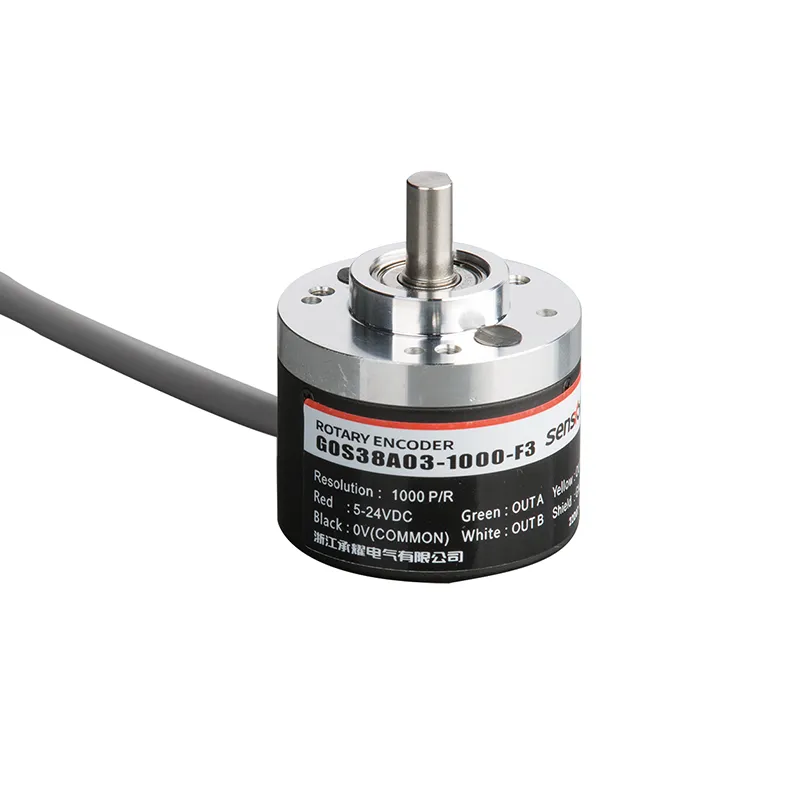
Servo Motor Encoder: 15 Essential Insights for Precision Control
H2
Introduction to Servo Motor Encoder
H3
What is a Servo Motor Encoder
H3
Why Feedback Systems Matter
H2
How a Servo Motor Encoder Works
H3
Signal Generation and Feedback Loop
H3
Position and Speed Measurement
H2
Types of Servo Motor Encoder
H3
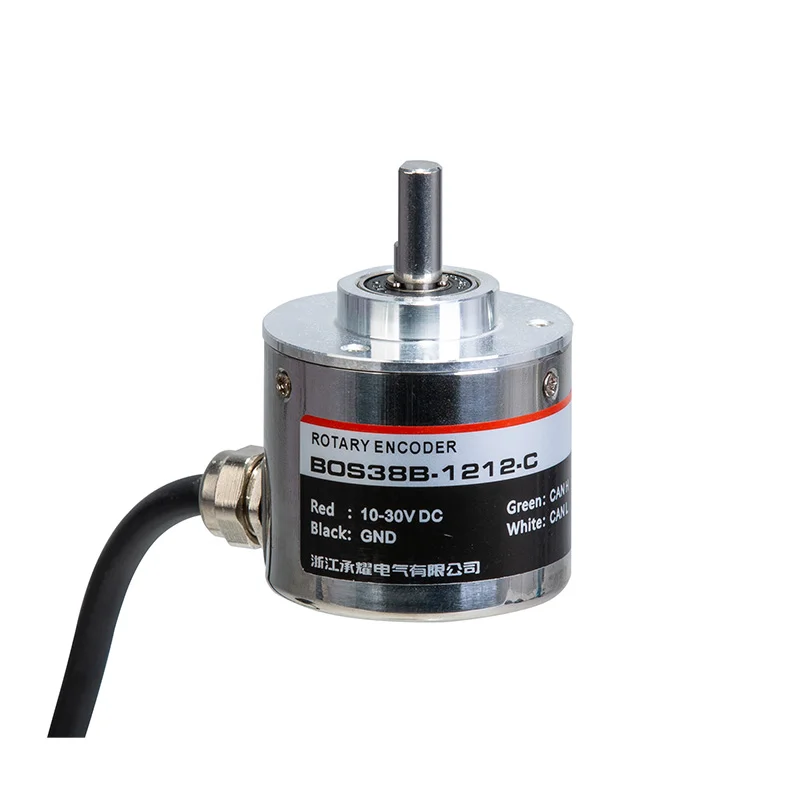
Incremental Encoder
H3
Absolute Encoder
H3
Optical Encoder
H3
Magnetic Encoder
H2
Key Components of Servo Motor Encoder
H3
Sensor Unit
H3
Code Disc
H3
Signal Processor
H2
Applications of Servo Motor Encoder
H3
Robotics Systems
H3
CNC Machinery
H3
Packaging Equipment
H3
Automation Systems
H2
Benefits of Servo Motor Encoder
H3
High Accuracy
H3
Real-Time Feedback
H3
Improved Efficiency
H2
Challenges of Servo Motor Encoder
H3
Environmental Sensitivity
H3
Cost Considerations
H2
Servo Motor Encoder vs Resolver
H3
Key Differences
H3
Performance Comparison
H2
Installation Tips for Servo Motor Encoder
H3
Alignment
H3
Electrical Connections
H2
Maintenance of Servo Motor Encoder
H3
Cleaning and Inspection
H3
Calibration
H2
Future Trends in Servo Motor Encoder
H3
Smart Encoders
H3
IoT Integration
H2
Buying Guide for Servo Motor Encoder
H3
Key Features to Consider
H3
Choosing the Right Encoder
H2
FAQs About Servo Motor Encoder
H2
Conclusion
Introduction to Servo Motor Encoder
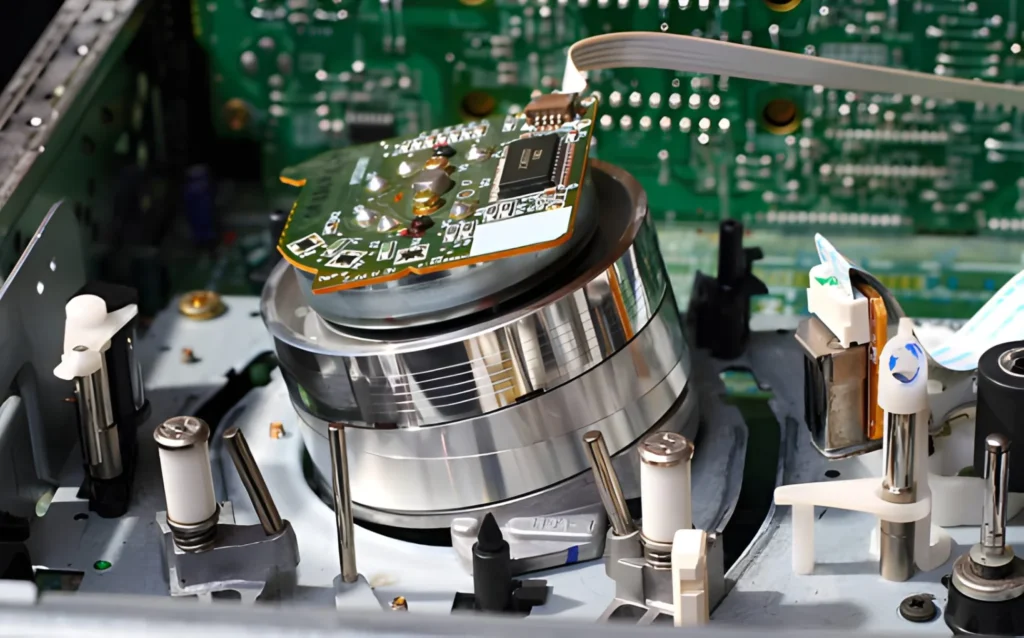
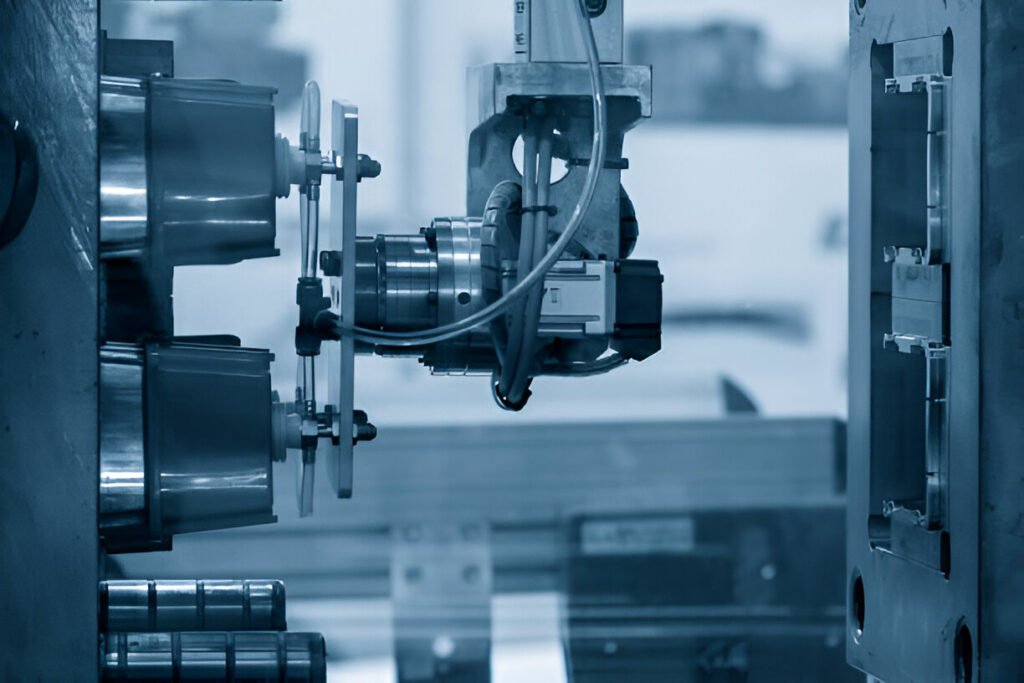
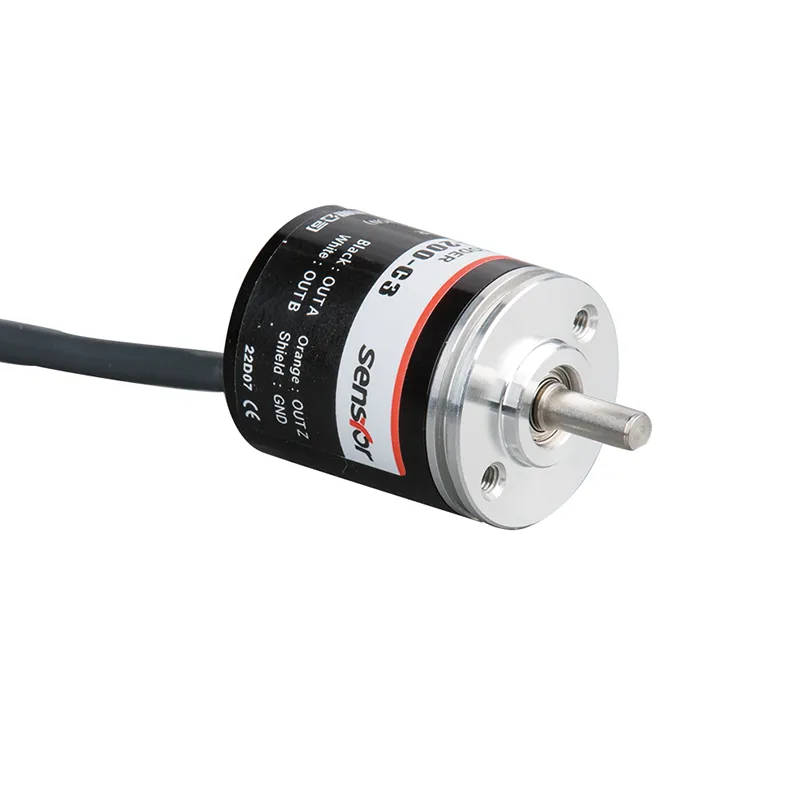
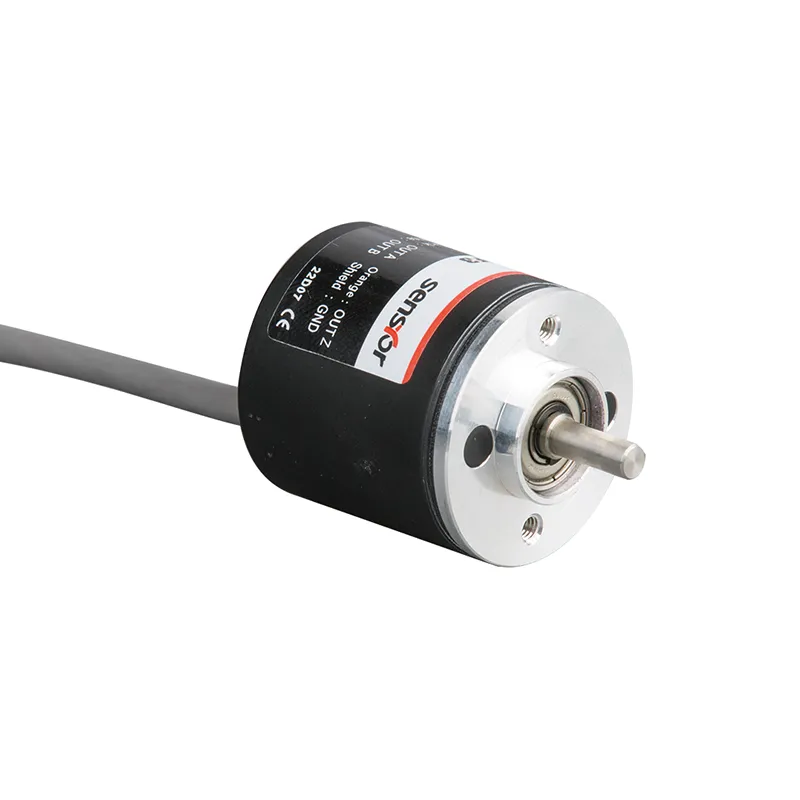
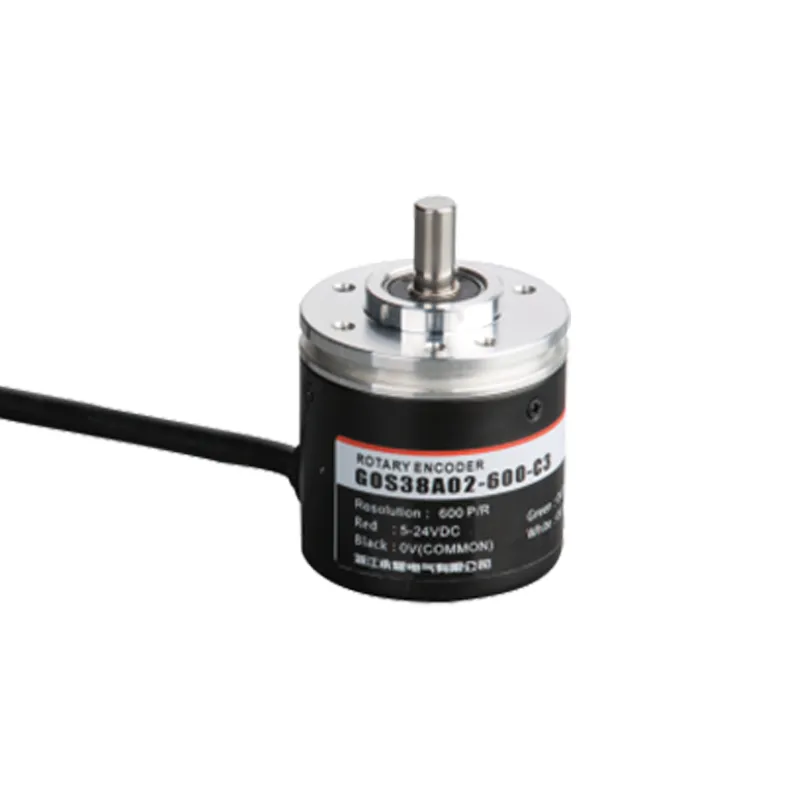
A servo motor encoder is a critical feedback device used in motion control systems to monitor position, speed, and direction. It plays a key role in ensuring that servo motors operate with high precision and accuracy.
In modern automation, a servo motor encoder allows systems to self-correct by continuously sending real-time data to the controller. This ensures smooth operation in applications like robotics, CNC machines, and industrial automation.
Understanding the Basics of Servo Feedback Systems
A feedback system is essential for precise motion control. Without it, motors would operate blindly without knowing their exact position.
A servo motor encoder provides this feedback by converting mechanical motion into electrical signals. These signals are then used to adjust motor performance instantly.
How a Servo Motor Encoder Works
Signal Generation and Feedback Loop
A servo motor encoder detects shaft movement and generates signals that represent motion. These signals are transmitted to a controller, forming a closed-loop system.
Position and Speed Measurement
The encoder continuously tracks:
Angular position
Rotational speed
Direction of movement
This data allows precise control over motor operations.
Types of Servo Motor Encoder
Incremental Encoder
Provides relative position data based on movement.
Absolute Encoder
Provides exact position even after power loss.
Optical Encoder
Uses light to detect position with high accuracy.
Magnetic Encoder
Uses magnetic fields and is suitable for harsh environments.
Key Components of Servo Motor Encoder
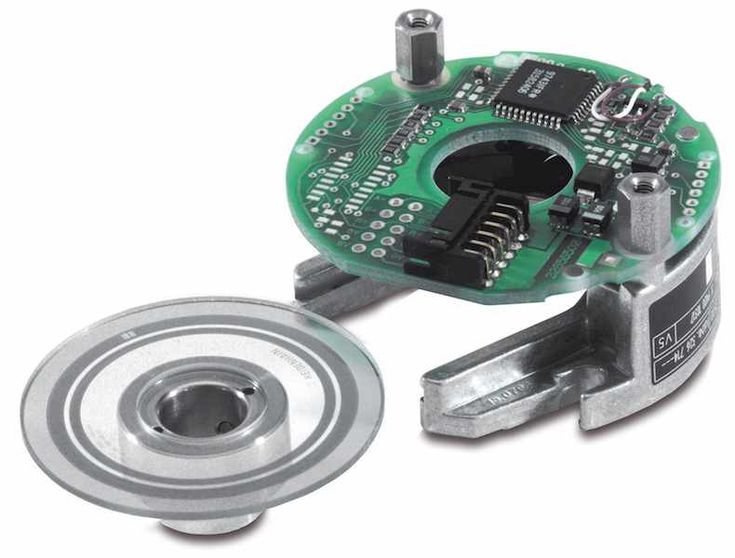
A typical servo motor encoder includes:
Sensor unit
Code disc or scale
Signal processing electronics
These components work together to ensure accurate feedback.
Applications of Servo Motor Encoder
Robotics Systems
Robots rely on a servo motor encoder for precise movement and positioning.
CNC Machinery
Ensures accurate cutting and machining processes.
Packaging Equipment
Maintains synchronization in high-speed operations.
Automation Systems
Used in production lines for efficiency and control.
Benefits of Servo Motor Encoder
High Accuracy
Provides precise control over motion.
Real-Time Feedback
Enables immediate system adjustments.
Improved Efficiency
Reduces errors and enhances productivity.
Challenges of Servo Motor Encoder
Environmental Sensitivity
Dust, vibration, and temperature can affect performance.
Cost Considerations
High-precision encoders can be expensive.
Servo Motor Encoder vs Resolver
Feature
Servo Motor Encoder
Resolver
Accuracy
High
Moderate
Cost
Higher
Lower
Durability
Moderate
High
Installation Tips for Servo Motor Encoder
Ensure proper alignment
Use secure electrical connections
Protect from environmental factors
Maintenance of Servo Motor Encoder
Regular inspection
Cleaning
Calibration
Future Trends in Servo Motor Encoder
Smart encoders with diagnostics
Integration with IoT systems
Miniaturization
Buying Guide for Servo Motor Encoder
Consider the following:
Resolution
Environment
Output type
For technical standards, refer to: 👉 https://www.ieee.org/ (DoFollow external resource from IEEE)
A servo motor encoder is a vital component in modern automation systems. It ensures precision, improves efficiency, and enables advanced motion control across industries.
Table of Contents Introduction Encoder for CNC technology plays a critical role in modern machining systems. An encoder for CNC provides real-time position and speed feedback, allowing machine tools to achieve precise movement and repeatable accuracy. Whether used in milling machines, lathes, routers, or machining centers, an encoder for CNC helps manufacturers improve productivity and […]
Introduction to Encoder Factory An encoder factory is a specialized manufacturing facility that produces encoders used in automation, robotics, and industrial systems. These factories play a vital role in ensuring precision, reliability, and efficiency in motion control applications. Whether you’re sourcing components for robotics or CNC systems, choosing the right encoder factory can significantly impact […]
As a professional incremental encoder supplier, Sensyor is committed to providing high-quality, high-performance encoder solutions for industrial automation customers. This article will provide an in-depth introduction to the classification, functions, product advantages, and frequently asked questions about incremental encoders, helping you better understand and select the right incremental encoder to improve your equipment’s precise control […]
We use cookies to enhance your browsing experience, serve personalised ads or content, and analyse our traffic. By clicking "Accept All", you consent to our use of cookies.