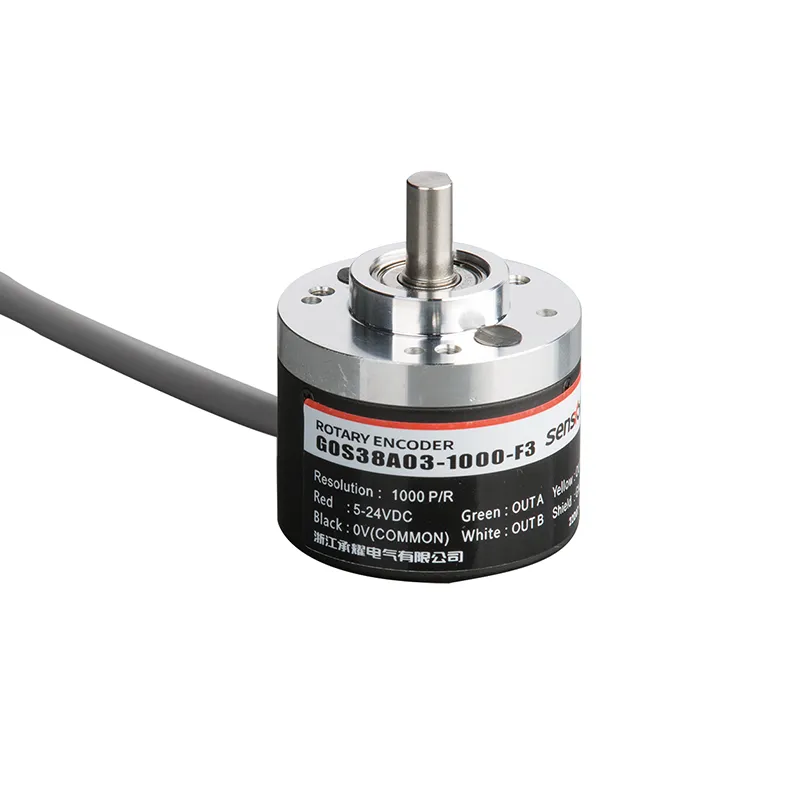
In industrial automation and motion control, knowing exactly how far something has turned—or how fast it’s moving—can be the difference between smooth precision and costly errors. That’s where incremental shaft encoder come in. These small but powerful devices play a critical role in modern machinery, offering real-time position and speed feedback that keeps manufacturing lines, robotics, and motion systems synchronized and efficient.
Whether you’re designing a motor drive system or upgrading your production equipment, understanding how incremental shaft encoders work can help you improve accuracy, reliability, and process control. Let’s break it down step by step.
Understanding the Basics of an Incremental Shaft Encoder
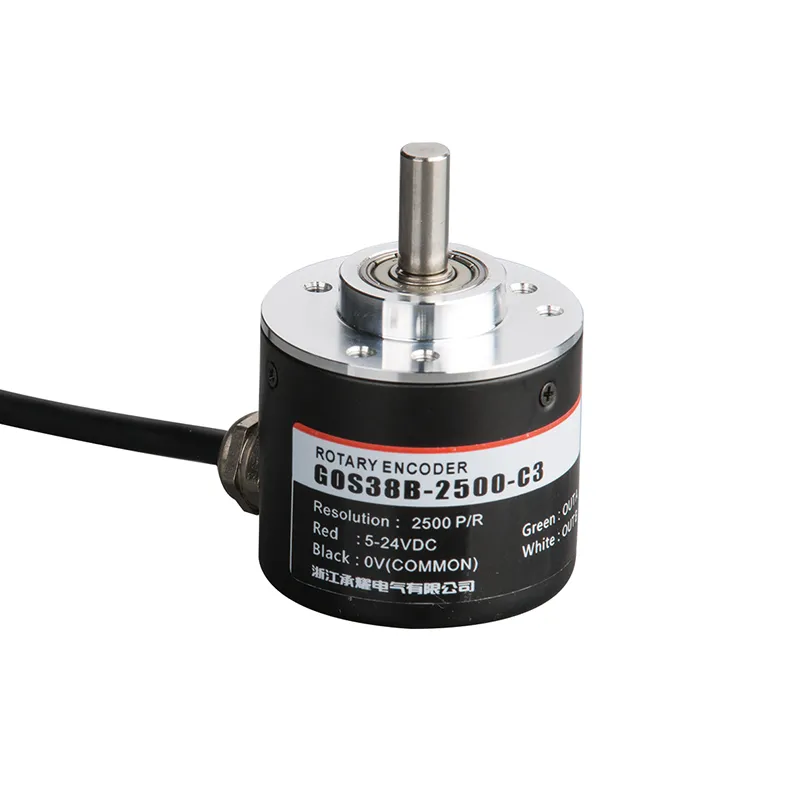
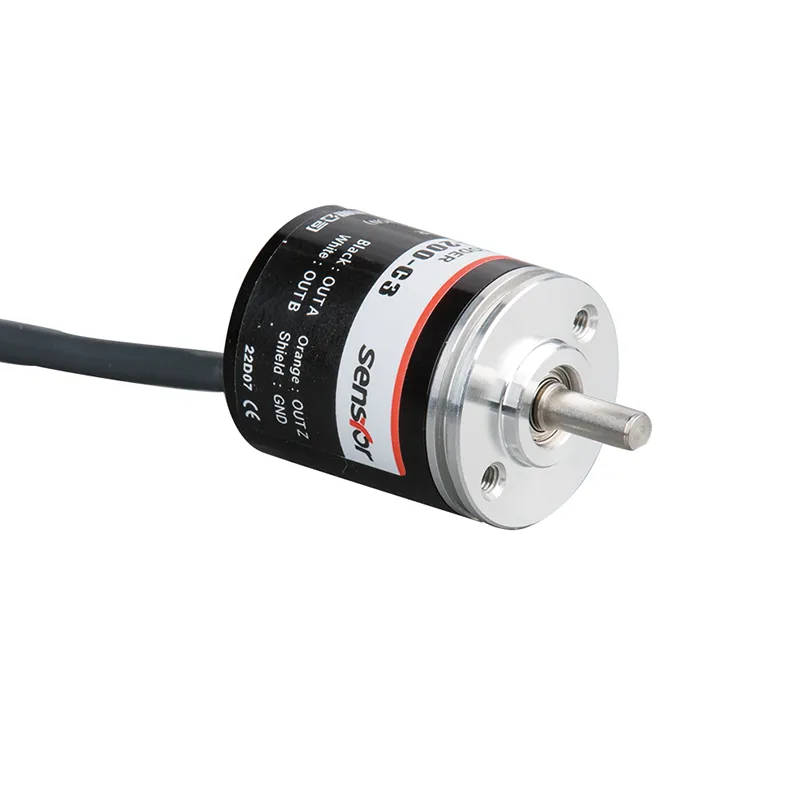
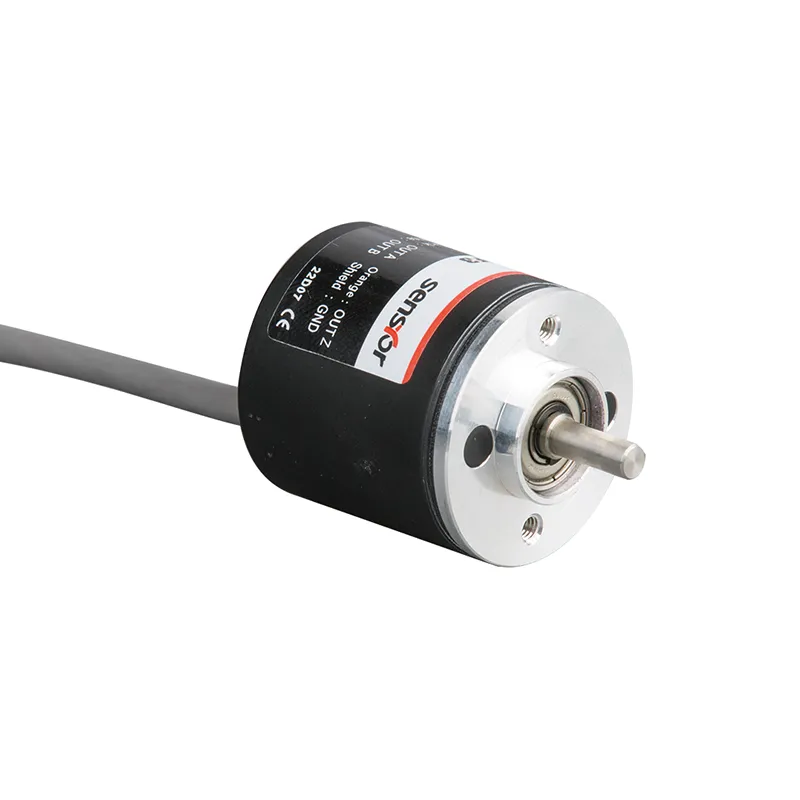
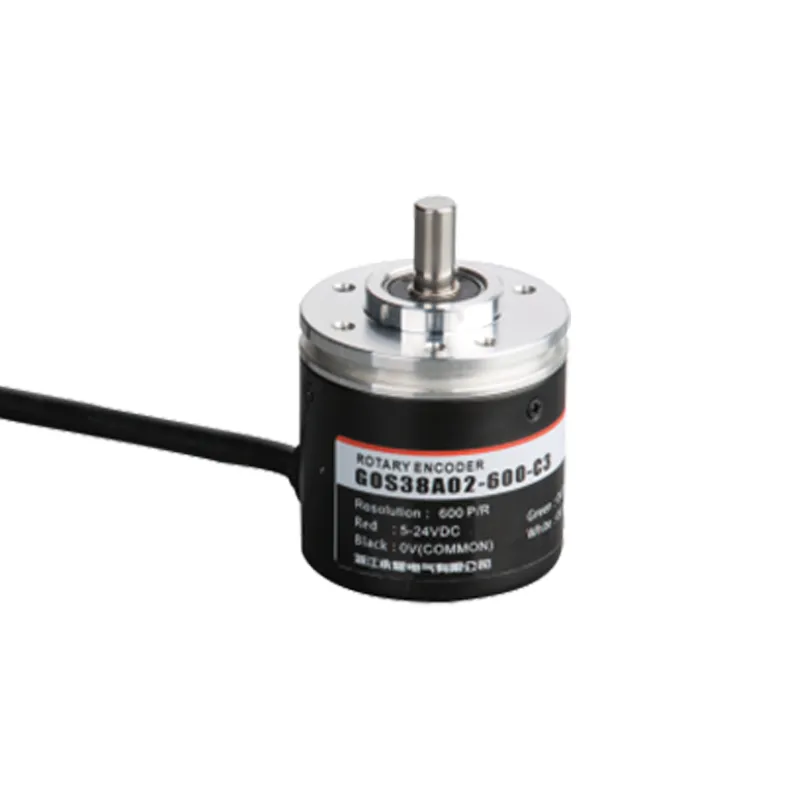
An GOS38Bincremental shaft encoder is a type of rotary encoder used to measure motion. It works by converting the rotation of a shaft into a series of electrical pulses. Each pulse corresponds to a specific angular displacement, allowing a controller or PLC (programmable logic controller) to track the shaft’s position and rotational speed.
Compared to absolute encoders—which provide a unique digital position value for every shaft rotation—incremental encoders output pulse counts. The system must monitor these pulses to determine relative motion. Because of their simplicity and cost-effectiveness, incremental encoders are widely used across manufacturing, robotics, CNC machinery, packaging automation, and conveyor systems.
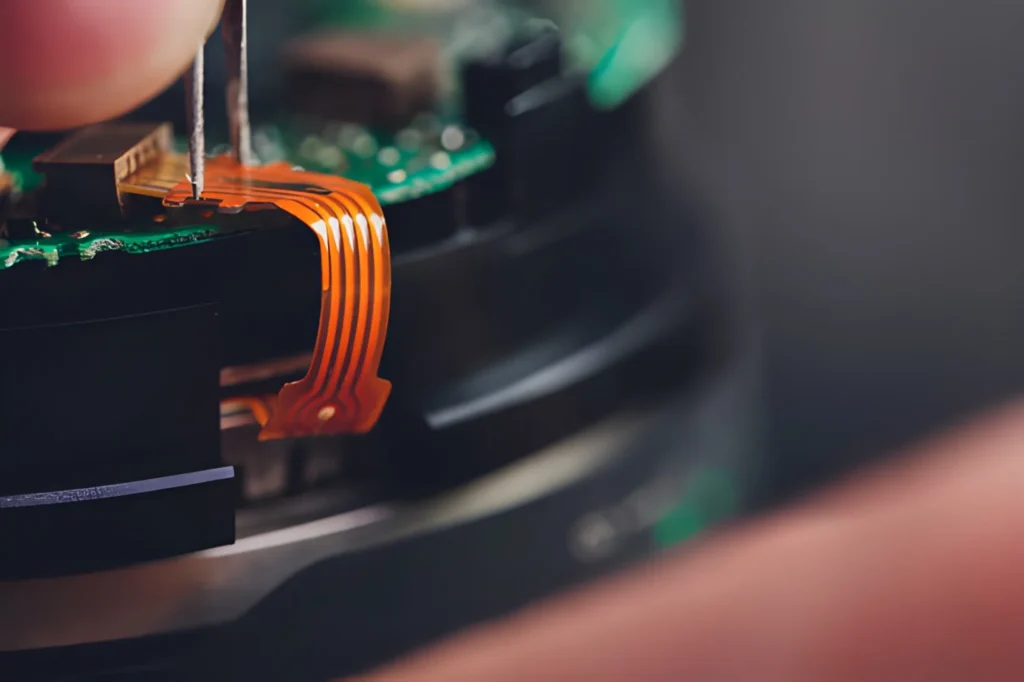
Inside an incremental encoder, a code disk with equally spaced slots or lines is attached to the rotating shaft. As the disk spins, a light source and photodetector (or magnetic sensor, depending on the design) generate pulses corresponding to movement. Each pulse is a measure of rotation—typically referred to as “counts per revolution” (CPR).
Incremental encoders commonly produce two output channels, A and B, which are 90 degrees out of phase. This configuration allows for direction detection—your control system can tell whether the rotation is clockwise or counterclockwise.
More advanced models also feature a Z channel (often called an index pulse) that signals one full revolution, helpful for resetting or referencing the system.
Table: Common Output Signals of an Incremental Encoder
Channel
Function
Typical Use Case
A
Pulse output
Basic motion counting
B
Quadrature pulse
Detects rotation direction
Z
Index or zero pulse
Reference point for system reset
A+, B+, Z+
Differential outputs
For noise resistance and long-distance transmission
Incremental vs. Absolute Shaft Encoders
Understanding the difference between incremental and absolute shaft encoders helps you choose the right device for your application.
While incremental shaft encoders provide relative movement information, absolute encoders deliver an exact shaft position even after power loss. Incremental versions are valued for their simplicity, speed, and affordability, while absolute ones are favored in critical applications requiring memory of position data.
Table: Comparison of Incremental and Absolute Encoders
Feature
Incremental Shaft Encoder
Absolute Shaft Encoder
Output type
Pulse train
Digital position code
Position retention
No (resets on power loss)
Yes (retains position)
System cost
Lower
Higher
Response speed
Very fast
Moderate
Typical applications
Motors, conveyors, robotics
Elevators, medical devices, CNCs
If your process relies heavily on speed feedback or simple motion measurement, an incremental design often offers the best balance between price and performance. For OEMs or automation system integrators sourcing encoders in bulk, incremental shaft encoders remain the go-to option for efficiency.
Key Specifications to Consider
Choosing the right incremental shaft encoder depends on several technical specifications. Here are the most critical ones to review before purchase or integration:
Resolution (CPR): The number of pulses per revolution determines how finely you can measure movement.
Output type: Options include TTL (transistor-transistor logic), HTL (high threshold logic), or differential (RS-422) output.
Shaft type: Hollow shaft, solid shaft, or blind hollow shaft configurations fit different mechanical designs.
Mounting style: Ranges from servo mounts to clamping flanges or synchro flanges.
Ingress protection (IP rating): Affects durability in dusty, humid, or high-vibration environments.
For precision control systems, a high-resolution incremental encoder with robust sealing (IP65 or higher) can significantly extend service life and accuracy.
Applications of Incremental Shaft Encoders
Incremental shaft encoders are versatile and used across industries, from heavy-duty factory automation to delicate laboratory equipment. Some of the most common applications include:
Servo motor and stepper motor control
Conveyor speed monitoring
Robot arm positioning
Printing and textile machines
Packaging equipment synchronization
Wind turbine pitch control
Each of these systems relies on accurate feedback to maintain synchronization, ensuring smooth motion, reduced downtime, and safer operation.
Table: Industry Examples
Industry
Function of Encoder
Benefits Gained
Manufacturing
Motor speed feedback
High precision and line stability
Robotics
Joint motion tracking
Smooth and accurate arm movement
Renewable energy
Turbine rotation measurement
Improved energy conversion efficiency
Logistics
Conveyor line coordination
Reduced delay and error
If your factory or OEM business deals with such setups, integrating incremental shaft encoders from a reliable supplier can improve both system performance and service efficiency. For customized encoder quotations or bulk purchase needs, you can contact our sales team directly through CNJPM.com for support.
Advantages of Using Incremental Shaft Encoders
There’s a reason so many automation engineers prefer incremental encoders over other sensor types. Their main benefits include:
High signal frequency for real-time feedback.
Compact design that fits easily into motor assemblies.
Cost efficiency for bulk automation builds.
Broad compatibility with PLCs and servo drive systems.
Easy maintenance with widely available spare parts.
Incremental encoders also simplify system design. Their two-wire connection (for A and B channels) means setup is fast, diagnostics are simple, and failure points are reduced.
How to Install an Incremental Shaft Encoder
Most incremental encoders are designed for easy installation. However, correct mounting and wiring are essential to achieve accurate performance and signal integrity.
Align the shaft: Ensure both the motor shaft and the encoder shaft are concentric to prevent vibration and wear.
Mount securely: Use the correct flange or coupling and avoid overtightening.
Connect wiring carefully: Follow the manufacturer’s wiring diagram to connect A, B, and Z channels correctly.
Test the signal: Verify that the controller receives correct pulses per revolution.
Calibrate if necessary: Adjust any zero-pulse position to match your reference point.
Incorrect installation can lead to miscounts or phase errors, affecting motion control accuracy.
Troubleshooting Common Encoder Issues
If your encoder stops sending signals or the reading seems unstable, check the following possible causes:
Cable interference or damage
Loose connections at the controller input
Dust or oil contamination on the optical disk
Power supply fluctuation
Mechanical shock or misalignment
Preventive maintenance—like regular cleaning and vibration checking—can extend the encoder’s service life and reduce downtime.
Incremental shaft encoders may seem small, but they play a huge role in controlling the movement of today’s most advanced industrial systems. Their simple design, fast response, and compatibility make them the ideal choice for manufacturers seeking precision at scale.
Whether you’re modernizing machinery or designing a new automation system, investing in a reliable incremental encoder ensures smoother operation, better feedback, and higher overall productivity.
Looking to source incremental shaft encoders for your factory or automation project? Contact CNJPM today to request a custom quote and discuss your specific requirements.
FAQ
What is the difference between an incremental encoder and a rotary encoder?
All incremental shaft encoders are rotary encoders, but not all rotary encoders are incremental. Rotary encoders can be either incremental (relative position) or absolute (fixed digital position).
How accurate is an incremental shaft encoder?
Accuracy depends largely on its resolution, measured in counts per revolution. High-end models with 5000–10000 CPR can achieve sub-degree precision ideal for servo systems.
Can an incremental encoder be used outdoors?
Yes—encoders with a high IP rating, corrosion-resistant housing, and magnetic sensing technology can perform well in harsh environments like construction or wind turbines.
What output types are available?
Common output forms include TTL, HTL, and RS-422 differential outputs. The right type depends on your control system’s interface and signal distance.
How do I select the best incremental shaft encoder for my machine?
Focus on key parameters: shaft size, resolution, environmental protection, voltage supply, and mounting type. Reliable suppliers can help customize encoders to fit your specific needs.
Where can I buy high-quality incremental shaft encoders?
If your company requires industrial-grade encoders for automation or motor control, reach out to CNJPM for factory-direct solutions, technical consultation, and OEM customization support.
If you’ve ever wondered whether incremental encoders can measure linear displacement, you’re not alone. Engineers, system integrators, and industrial buyers often face this exact question when designing motion control systems or sourcing encoder solutions for automation projects. Let’s break this concept down in a clear and practical way—no jargon, no fluff, just straightforward insight into how incremental encoders […]
In modern automation and motion control, precision is everything. Whether you’re designing a robotic arm, upgrading a conveyor system, or developing industrial machinery, one question always surfaces: Should you choose an absolute encoder or an incremental encoder? At first glance, both devices seem to perform the same task — measuring position and speed. But when you […]
In the world of automation, robotics, and industrial equipment, precision is more than just a goal—it’s a requirement. That’s where the incremental rotary encoder comes in. This small but mighty sensor has become one of the most essential components for modern motion control systems, ensuring that machines move with accuracy, consistency, and reliability. But what exactly is […]
We use cookies to enhance your browsing experience, serve personalised ads or content, and analyse our traffic. By clicking "Accept All", you consent to our use of cookies.