24V Encoder: 15 Smart Ways to Boost Industrial Accuracy
H2
Introduction to 24V Encoder
H3
What is a 24V Encoder
H3
Why Voltage Matters in Encoders
H2
How a 24V Encoder Works
H3
Signal Output and Power Supply
H3
Electrical Characteristics
H2
Types of 24V Encoder
H3
Incremental Encoder
H3
Absolute Encoder
H3
Optical Encoder
H3
Magnetic Encoder
H2
Components of 24V Encoder
H3
Sensor Element
H3
Code Disc
H3
Output Circuit
H2
Applications of 24V Encoder
H3
Industrial Automation
H3
Robotics Systems
H3
Conveyor Systems
H3
CNC Machines
H2
Advantages of 24V Encoder
H3
Stable Power Supply
H3
Noise Resistance
H3
Long-Distance Signal Transmission
H2
Challenges of 24V Encoder
H3
Installation Complexity
H3
Cost Considerations
H2
24V Encoder vs 5V Encoder
H3
Key Differences
H3
Performance Comparison
H2
Installation and Maintenance
H3
Wiring Best Practices
H3
Calibration Tips
H2
Future Trends
H3
Smart Encoders
H3
IoT Integration
H2
Buying Guide
H3
Key Features
H3
Selection Tips
H2
FAQs
H2
Conclusion
Introduction to 24V Encoder
What is a 24V Encoder
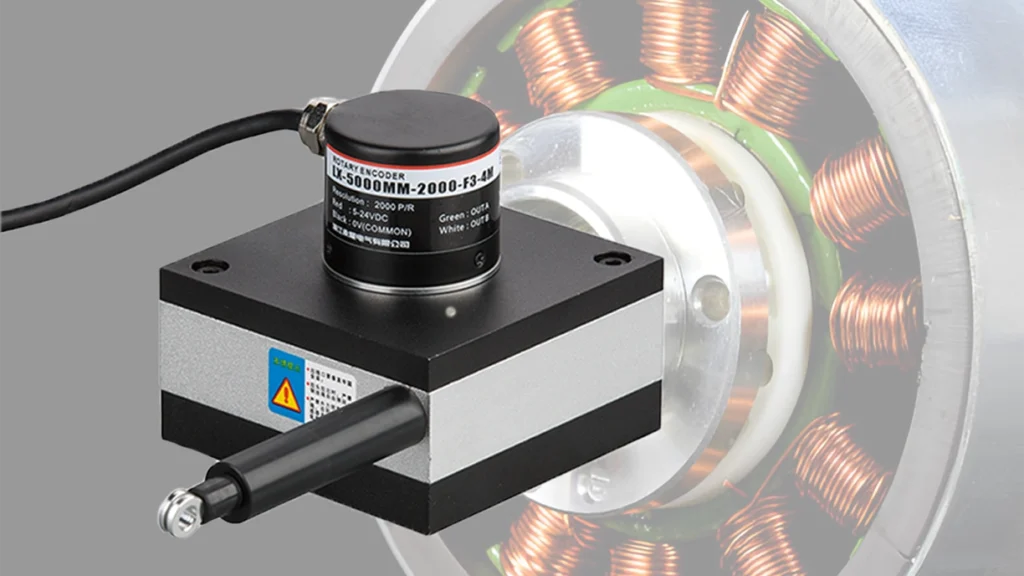
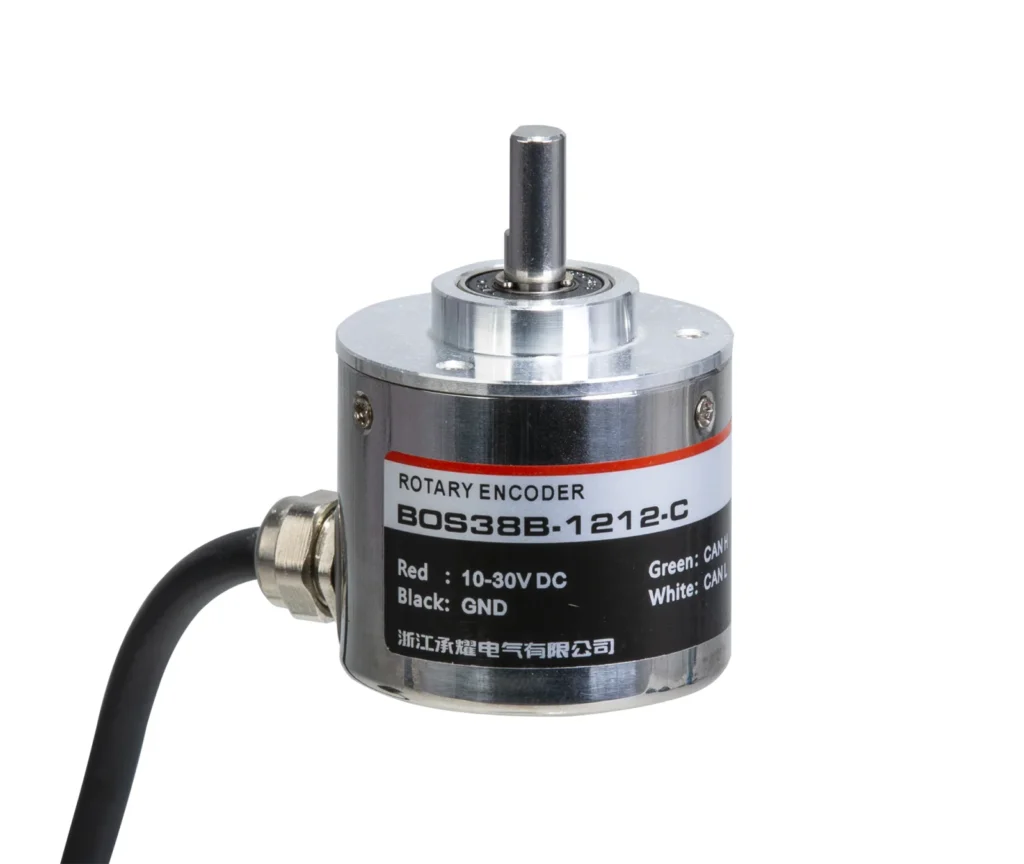
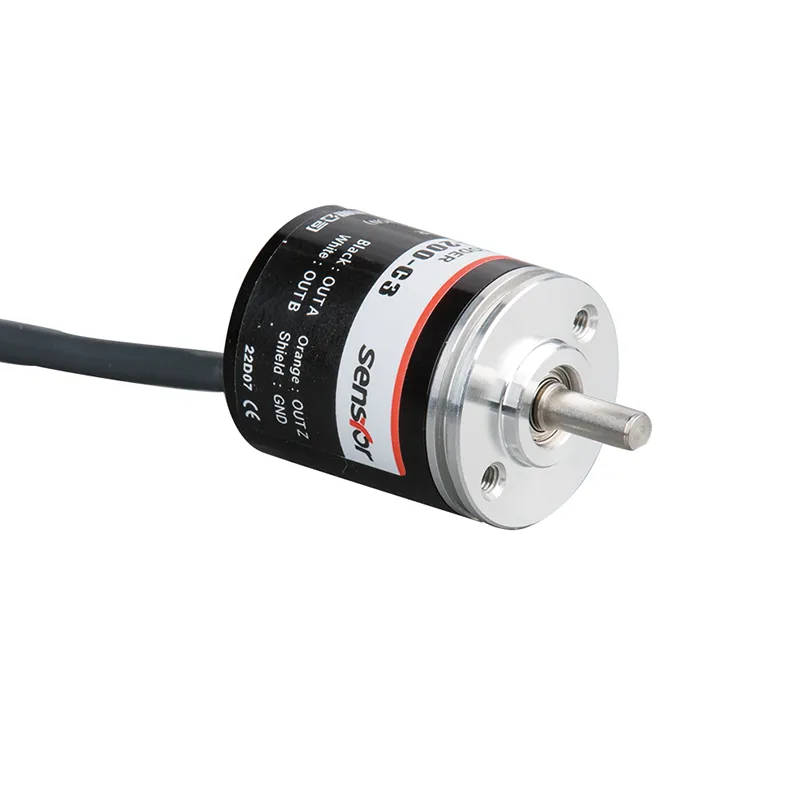
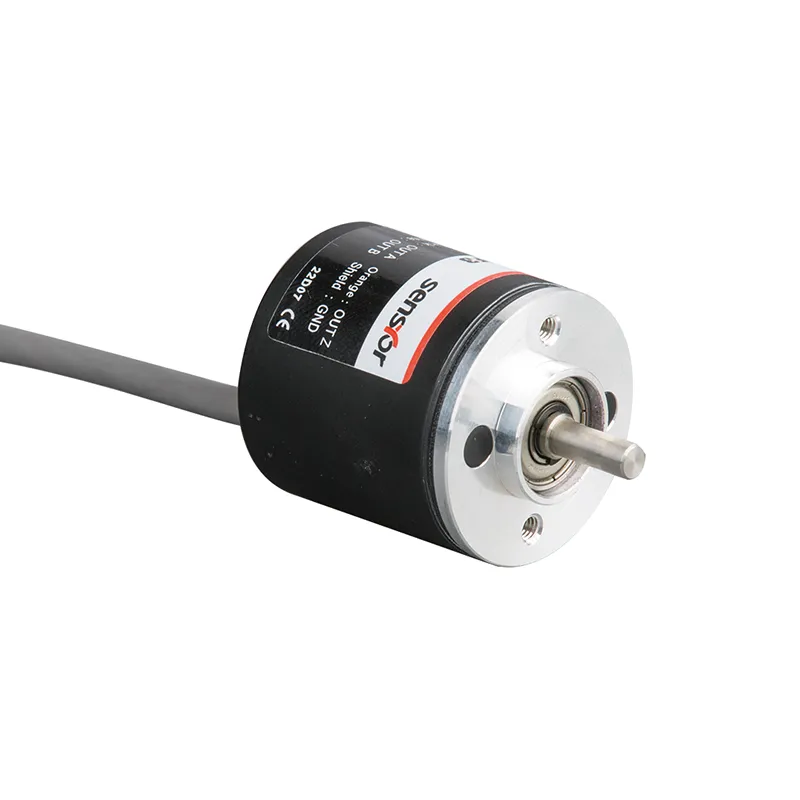
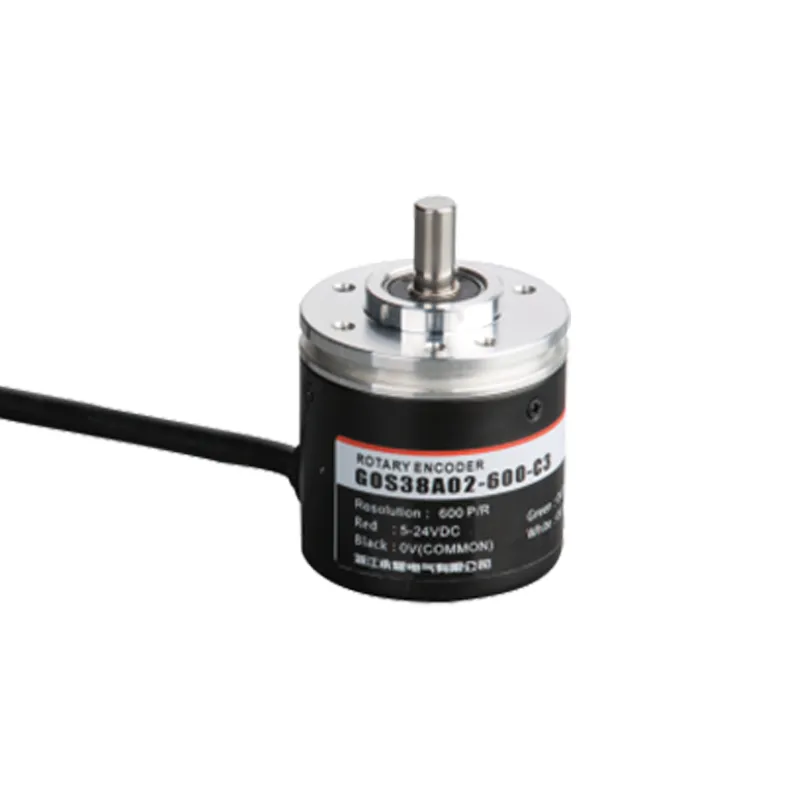
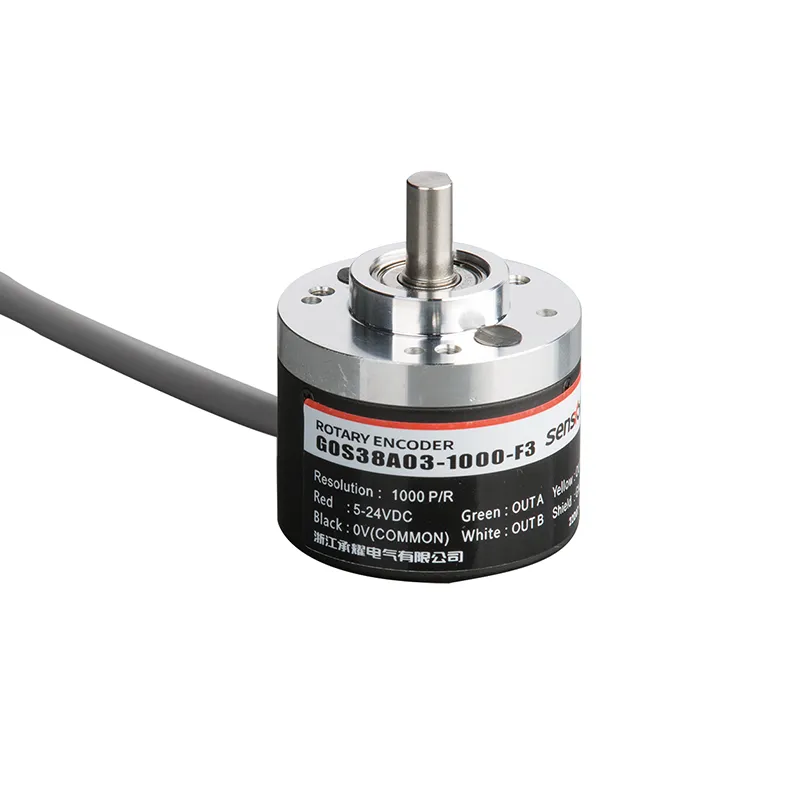
A 24V encoder is a motion sensing device powered by a 24-volt supply, commonly used in industrial automation systems. It converts mechanical motion into electrical signals, enabling machines to track position, speed, and direction with high reliability.
The 24V encoder is widely preferred in industrial environments because 24V systems are more stable and resistant to electrical noise compared to lower-voltage alternatives.
Why Voltage Matters in Encoders
Voltage plays a crucial role in signal integrity. A 24V encoder offers:
Better noise immunity
Stronger signal transmission
Improved reliability over long distances
These advantages make the 24V encoder ideal for factories and heavy-duty applications.
How a 24V Encoder Works
Signal Output and Power Supply
A 24V encoder operates by detecting motion through sensors and converting it into electrical pulses. These pulses are transmitted to a controller using a 24V power system, ensuring stable communication.
Electrical Characteristics
Key characteristics of a 24V encoder include:
High voltage tolerance
Stable output signals
Compatibility with industrial PLC systems
Types of 24V Encoder
Incremental Encoder
An incremental 24V encoder generates pulses based on movement, allowing systems to track relative position.
Absolute Encoder
An absolute 24V encoder provides exact position data even after power loss.
Optical Encoder
Uses light detection for high precision.
Magnetic Encoder
Uses magnetic fields and is more durable in harsh environments.
Components of 24V Encoder
A 24V encoder typically includes:
Sensor element
Code disc
Output circuitry
Each component ensures accurate motion detection and signal transmission.
Applications of 24V Encoder
Industrial Automation
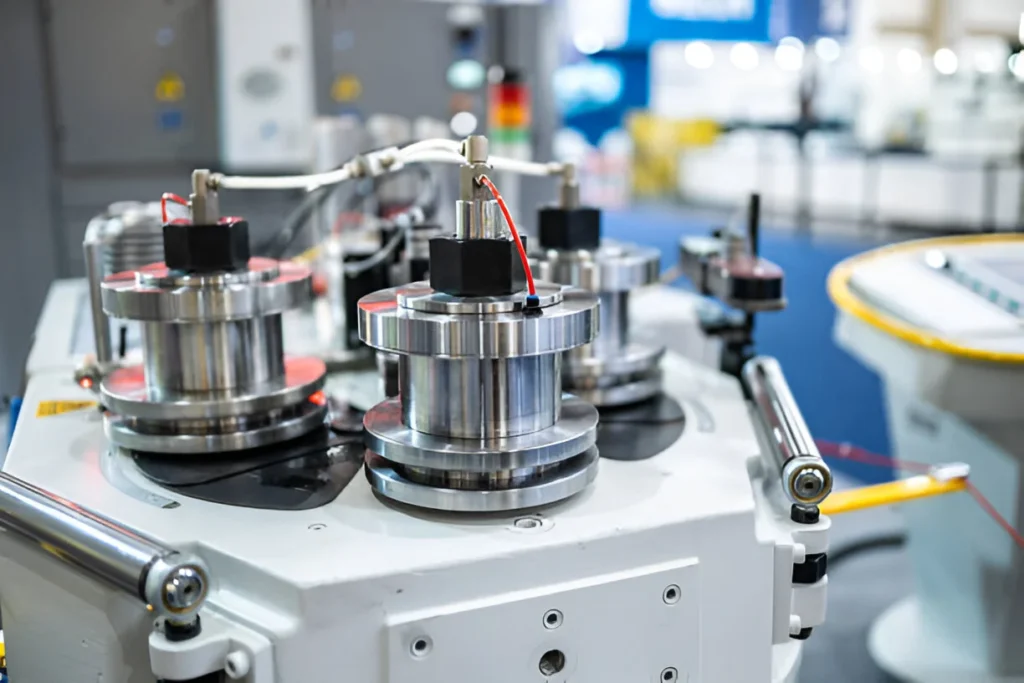
A 24V encoder is widely used in automated production lines for precise control.
Robotics Systems
Robots rely on 24V encoder systems for accurate movement.
Conveyor Systems
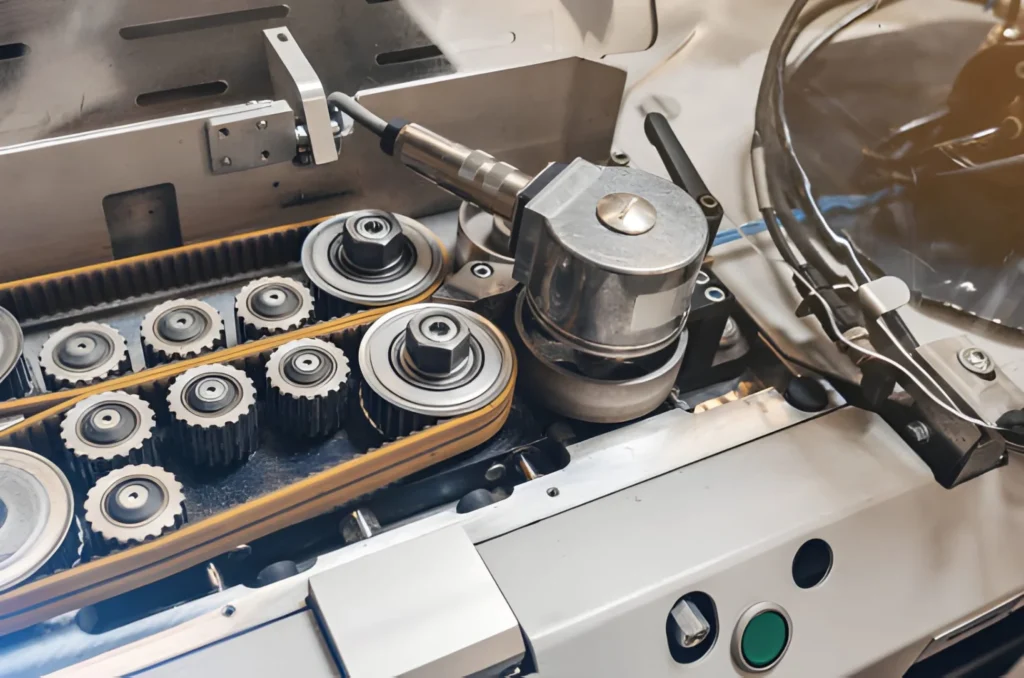
Used to track speed and position of materials.
CNC Machines
Ensures precise machining operations.
Advantages of 24V Encoder
Stable Power Supply
A 24V encoder provides consistent performance due to stable voltage levels.
Noise Resistance
Higher voltage improves resistance to electromagnetic interference.
Long-Distance Transmission
Signals from a 24V encoder can travel longer distances without degradation.
Challenges of 24V Encoder
Installation Complexity
Requires proper wiring and configuration.
Cost Considerations
A 24V encoder may be more expensive than low-voltage alternatives.
24V Encoder vs 5V Encoder
Feature
24V Encoder
5V Encoder
Noise Resistance
High
Low
Signal Distance
Long
Short
Application
Industrial
Consumer
Installation and Maintenance
Wiring Best Practices
Use shielded cables
Ensure proper grounding
Avoid signal interference
Calibration Tips
Regular calibration ensures optimal performance of the 24V encoder.
Future Trends
Smart Encoder Technology
Modern 24V encoder systems include diagnostics and monitoring features.
IoT Integration
Encoders are becoming part of connected industrial systems.
Buying Guide
Key Features
Resolution
Output type
Environmental rating
Selection Tips
Choose a 24V encoder based on application requirements and operating conditions.
External Resource
Learn more about industrial automation standards: 👉 https://www.iec.ch/ (DoFollow link to International Electrotechnical Commission)
A 24V encoder is used for motion control in industrial systems.
2. Why use 24V instead of 5V?
It offers better noise resistance and signal stability.
3. Are 24V encoders durable?
Yes, they are designed for industrial environments.
4. Can a 24V encoder work with PLCs?
Yes, most PLC systems support 24V encoders.
5. Is installation difficult?
It requires proper wiring but is manageable with guidance.
6. How accurate is a 24V encoder?
Accuracy depends on resolution and type.
Conclusion
A 24V encoder is a powerful solution for industrial motion control. With superior stability, noise resistance, and reliability, it plays a critical role in modern automation systems.
Choosing the right 24V encoder ensures improved efficiency, accuracy, and long-term performance.
📊 Comprehensive Outline for “CE certified encoder” Heading Level Topic H1 CE Certified Encoder: Essential Guide for Compliance H2 Introduction to CE certified encoder H3 What is a CE certified encoder H3 Why CE certification matters H2 How encoder certification works H3 CE marking requirements H3 Compliance process overview H2 Types of encoders in certified […]
📊 Comprehensive Outline for “through-hole encoder” Heading Level Topic H1 Through-Hole Encoder: Essential Guide H2 Introduction to Through-Hole Encoder H3 What is a Through-Hole Encoder H3 Why It Matters in Motion Control H2 How a Through-Hole Encoder Works H3 Basic Working Principle H3 Signal Output and Feedback H2 Types of Encoders Used in Systems H3 […]
The GOS5008AO1 50mm 10000P/R IP65 rotary encoder is a product configuration identified by the supplied model name and specifications: GOS5008AO1, a 50mm size designation, 10000 pulses per revolution (P/R), and IP65 protection. For industrial automation applications, these characteristics can be important when evaluating an encoder for motion feedback, position measurement, speed monitoring, and machine-control systems. […]
We use cookies to enhance your browsing experience, serve personalised ads or content, and analyse our traffic. By clicking "Accept All", you consent to our use of cookies.