📊 Comprehensive Outline for “through-hole encoder”
Heading Level
Topic
H1
Through-Hole Encoder: Essential Guide
H2
Introduction to Through-Hole Encoder
H3
What is a Through-Hole Encoder
H3
Why It Matters in Motion Control
H2
How a Through-Hole Encoder Works
H3
Basic Working Principle
H3
Signal Output and Feedback
H2
Types of Encoders Used in Systems
H3
Incremental Encoder
H3
Absolute Encoder
H2
Key Components of Encoder Systems
H3
Shaft and Housing
H3
Sensor and Electronics
H2
Applications in Modern Industry
H3
Robotics
H3
Industrial Automation
H3
Motors and Drives
H2
Benefits of Using This Encoder Type
H3
Easy Installation
H3
High Accuracy
H2
Challenges and Limitations
H3
Alignment Issues
H3
Environmental Sensitivity
H2
Comparison with Other Encoder Types
H3
Solid Shaft vs Hollow Shaft
H2
Installation and Maintenance Tips
H3
Mounting Best Practices
H3
Regular Maintenance
H2
Future Trends in Encoder Technology
H3
Smart Sensors
H3
IoT Integration
H2
Buying Guide
H3
Key Features
H3
Budget Considerations
H2
FAQs
H2
Conclusion
Introduction to Through-Hole Encoder
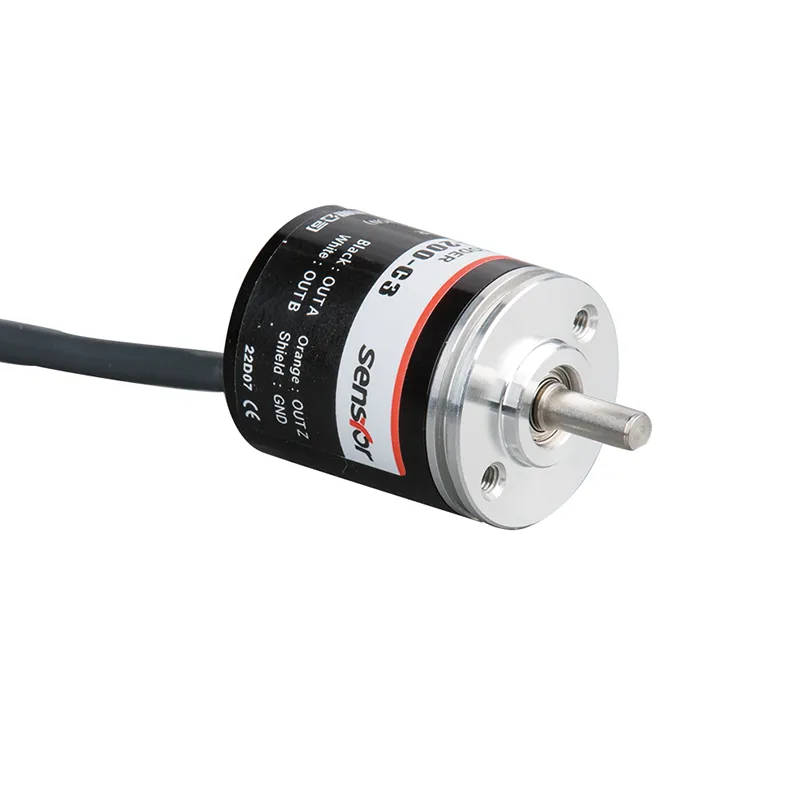
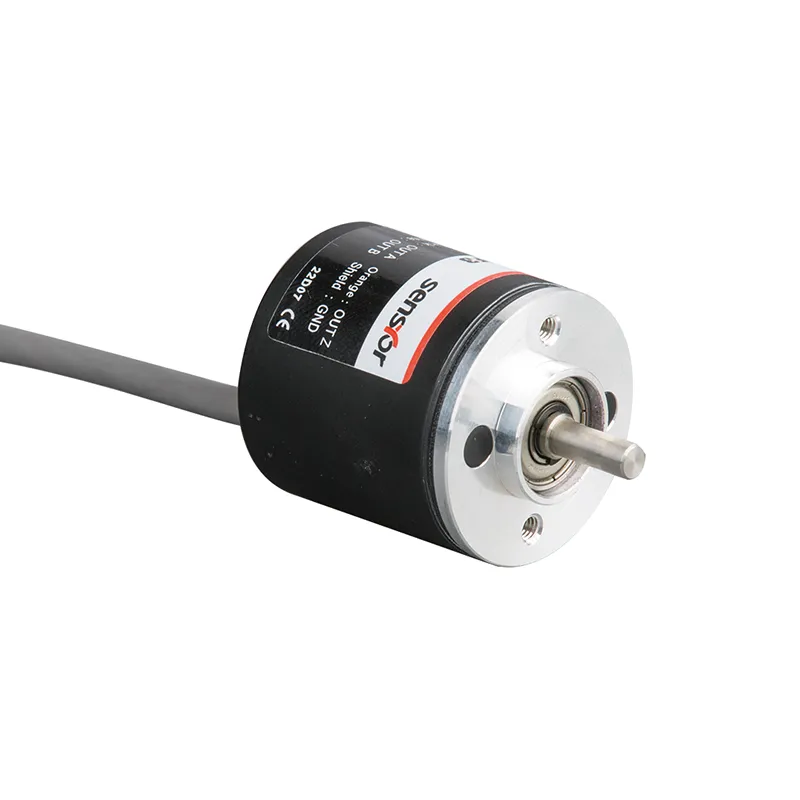
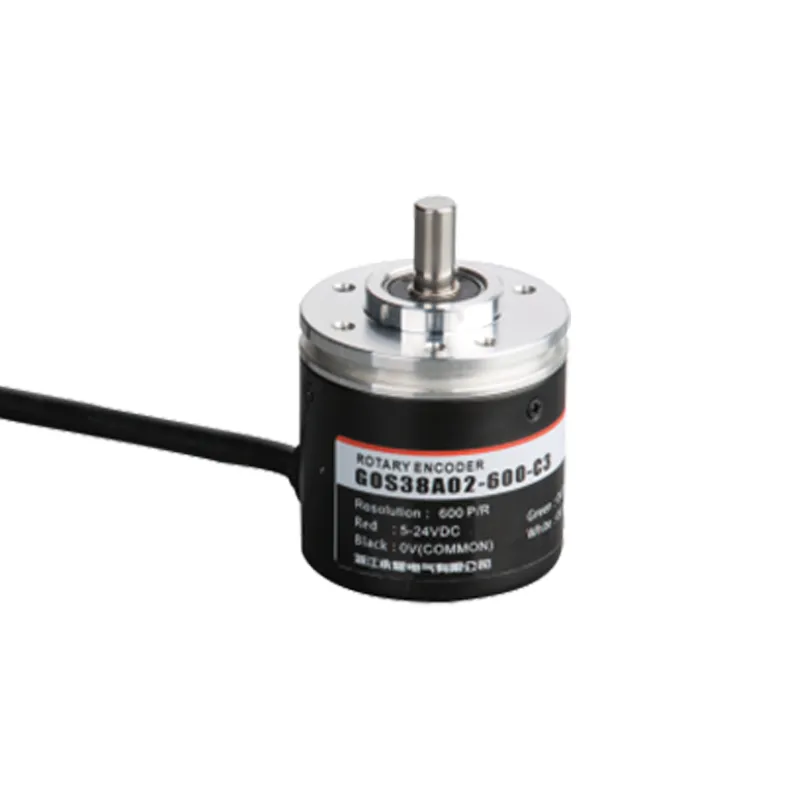
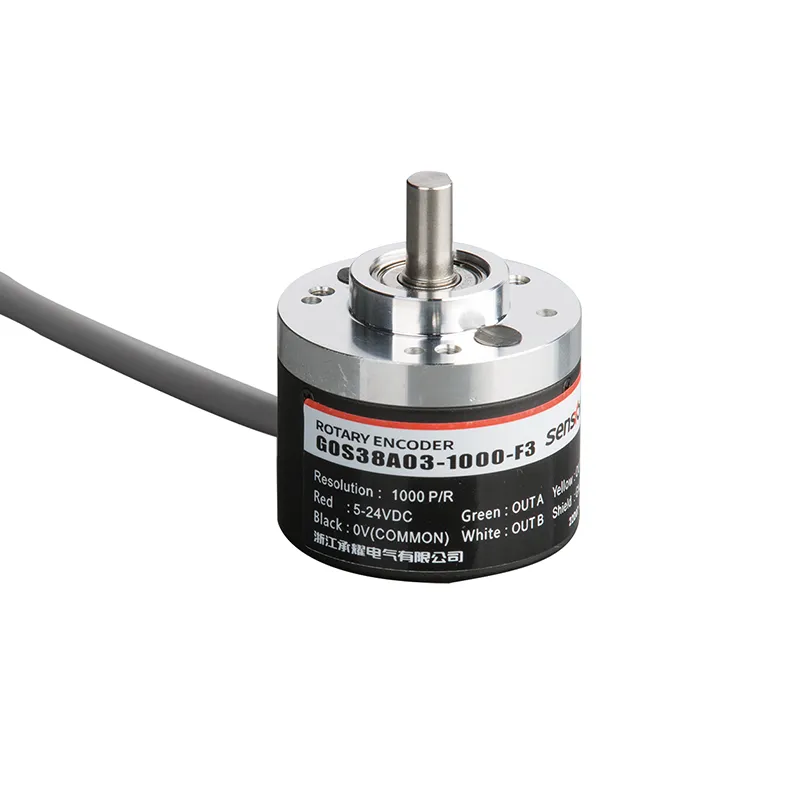
A through-hole encoder is a type of rotary encoder designed with a hollow center, allowing it to be mounted directly onto a shaft without requiring additional couplings. This design makes the through-hole encoder ideal for applications where space, alignment, and ease of installation are critical.
Unlike traditional encoders, a through-hole encoder provides flexibility and improved performance in dynamic systems such as motors and automation equipment.
How a Through-Hole Encoder Works
A through-hole encoder detects rotational movement and converts it into electrical signals for control systems.
Basic Working Principle
The encoder uses internal sensors to track the rotation of the shaft passing through its hollow center. These sensors generate signals based on movement.
Signal Output and Feedback
The signals are sent to a controller, enabling real-time monitoring of:
Position
Speed
Direction
Types of Encoders Used in Systems
Incremental Encoder
Provides relative position data based on movement.
Absolute Encoder
Gives exact position data even after power loss.
Key Components of Encoder Systems
Shaft and Housing
The hollow shaft allows direct mounting, while the housing protects internal components.
Sensor and Electronics
These components convert motion into electrical signals.
Applications in Modern Industry
Robotics
A through-hole encoder is widely used in robotic arms for precise positioning.
Industrial Automation
Helps control machinery with high accuracy.
Motors and Drives
Commonly installed on motors for speed and position feedback.
Benefits of Using This Encoder Type
Easy Installation
The hollow design eliminates the need for couplings.
High Accuracy
Provides reliable and precise motion feedback.
Challenges and Limitations
Alignment Issues
Improper installation may lead to inaccurate readings.
Environmental Sensitivity
Dust and vibration can affect performance.
Comparison with Other Encoder Types
Solid Shaft vs Hollow Shaft
Feature
Through-Hole Encoder
Solid Shaft Encoder
Installation
Easy
Requires coupling
Alignment
Flexible
More rigid
Maintenance
Lower
Higher
Installation and Maintenance Tips
Mounting Best Practices
Ensure proper alignment
Avoid excessive force
Regular Maintenance
Clean regularly
Inspect for wear
Future Trends in Encoder Technology
Smart Sensors
Encoders are becoming smarter with integrated diagnostics.
IoT Integration
Connected systems allow real-time monitoring and predictive maintenance.
Buying Guide
Key Features
Resolution
Shaft size
Output type
Budget Considerations
Choose based on application needs and system requirements.
External Resource
For engineering standards and best practices, visit: 👉 https://www.ieee.org/ (DoFollow external link to IEEE)
It is used for measuring position and speed in rotating systems.
2. Why choose a hollow shaft design?
It simplifies installation and improves alignment.
3. Is it better than a solid shaft encoder?
It depends on the application, but it offers easier mounting.
4. Where is it commonly used?
In motors, robotics, and automation systems.
5. Does it require maintenance?
Yes, periodic inspection is recommended.
6. Can it work in harsh environments?
Some models are designed for rugged conditions.
Conclusion
The through-hole encoder is a versatile and efficient solution for motion control systems. Its hollow shaft design, ease of installation, and reliable performance make it a preferred choice in modern industrial applications.
Modern automation systems require accurate motion feedback to maintain efficiency and reliability. A hollow shaft encoder is one of the most widely used sensing devices for measuring speed, position, and direction in industrial equipment. Unlike traditional shafted models, this encoder design allows direct mounting onto a motor shaft, reducing installation complexity and improving mechanical performance. […]
If you’ve ever wondered how machines track rotation and position so precisely, the answer often lies with an Incremental Rotary Encoder. These devices are the unsung heroes behind accurate motion control in many industries. Whether you’re working with robotics, CNC machines, or conveyor belts, understanding this technology can simplify your selection process and improve system […]
Table of contents What Is an Autonics Hollow Shaft Encoder Substitute? Autonics hollow shaft encoder substitute refers to an alternative encoder product that can replace an existing Autonics hollow shaft encoder while maintaining similar or improved performance in industrial applications. Hollow shaft encoders are widely used in automation systems because they can be directly mounted […]
We use cookies to enhance your browsing experience, serve personalised ads or content, and analyse our traffic. By clicking "Accept All", you consent to our use of cookies.