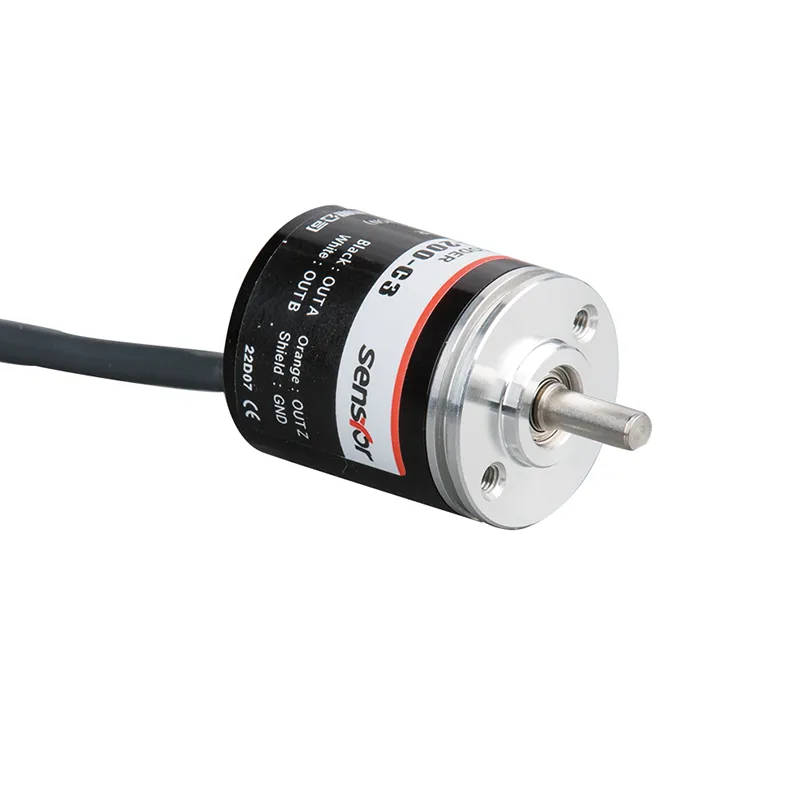
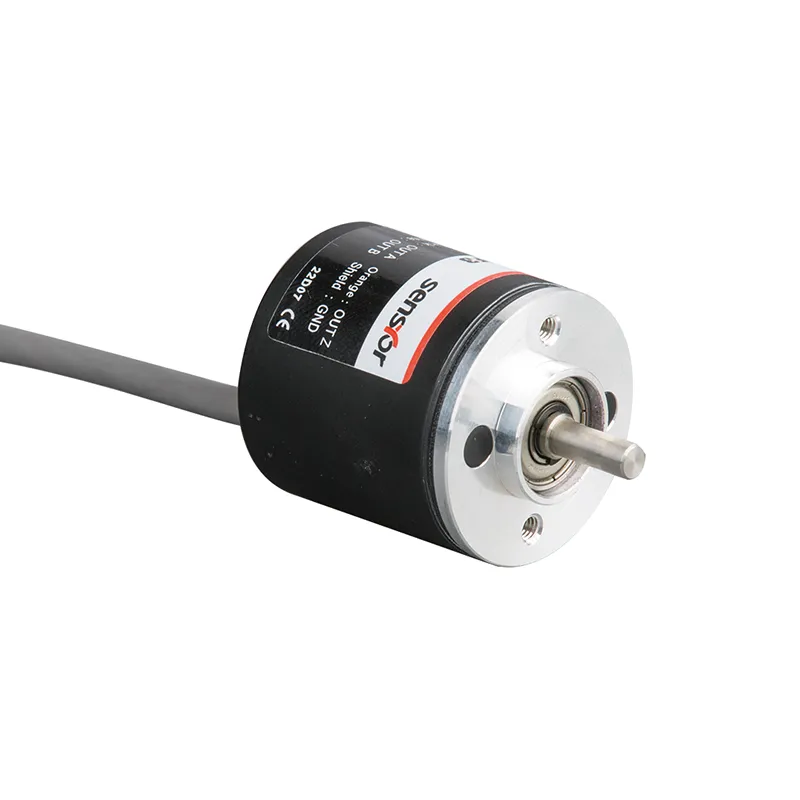
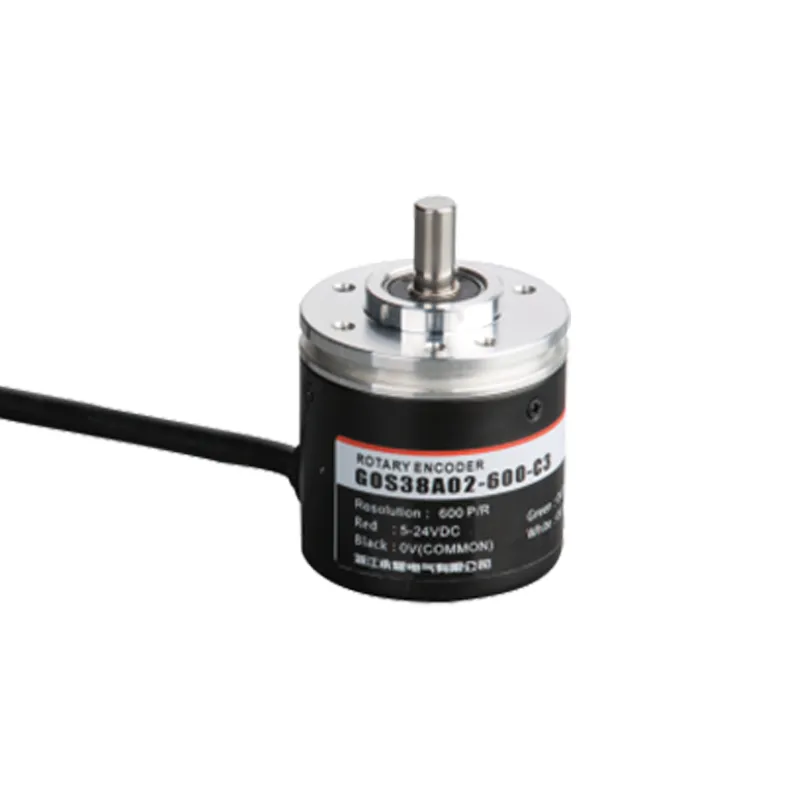
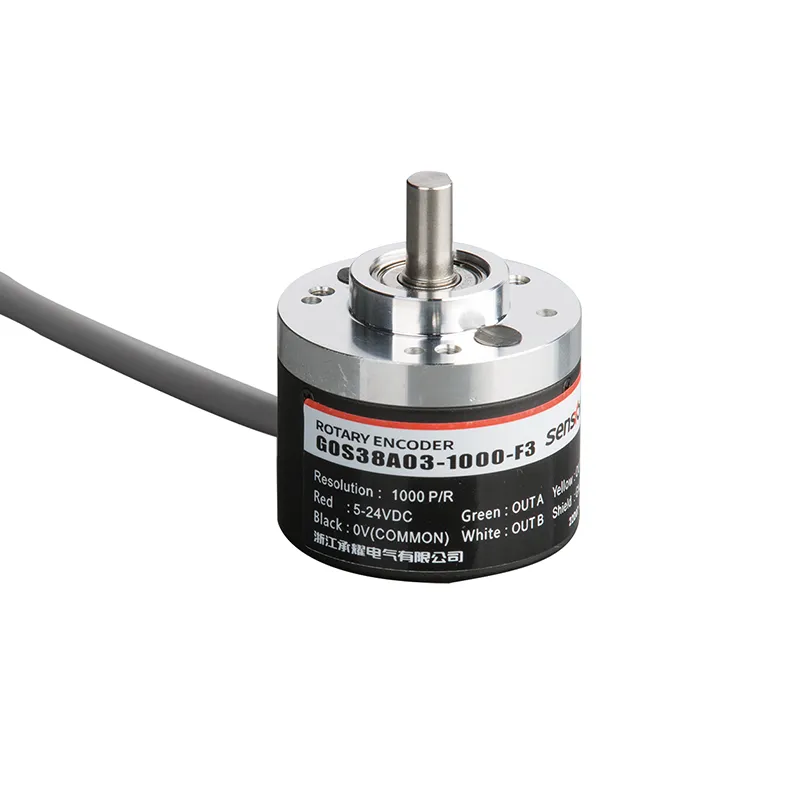
A 5000ppr encoder is a high-resolution rotary feedback device designed to provide accurate position, speed, and motion information in industrial applications. With 5000 pulses generated per revolution, this type of encoder delivers excellent measurement precision for machines requiring detailed motion control.
Modern automation systems depend heavily on accurate feedback signals. Whether used in robotics, CNC machines, packaging equipment, or manufacturing lines, a reliable encoder helps controllers understand exactly how a motor or mechanical component is moving.
For industries where accuracy directly affects productivity and product quality, selecting the correct encoder resolution is essential. A high resolution encoder provides a balance between high precision, stable performance, and practical installation requirements.
A high resolution encoder is an incremental rotary encoder that produces 5000 electrical pulses during one complete shaft rotation.
PPR means Pulses Per Revolution. The higher the PPR value, the more detailed the feedback information becomes.
For example:
Encoder Resolution
Pulses per Revolution
Typical Application
1000 PPR
1000 pulses
General automation
2500 PPR
2500 pulses
Medium precision systems
5000 PPR
5000 pulses
High precision industrial control
10000 PPR
10000 pulses
Advanced motion applications
A 5000-pulse encoder allows control systems to detect smaller changes in rotation, making it suitable for applications requiring accurate positioning and speed regulation.
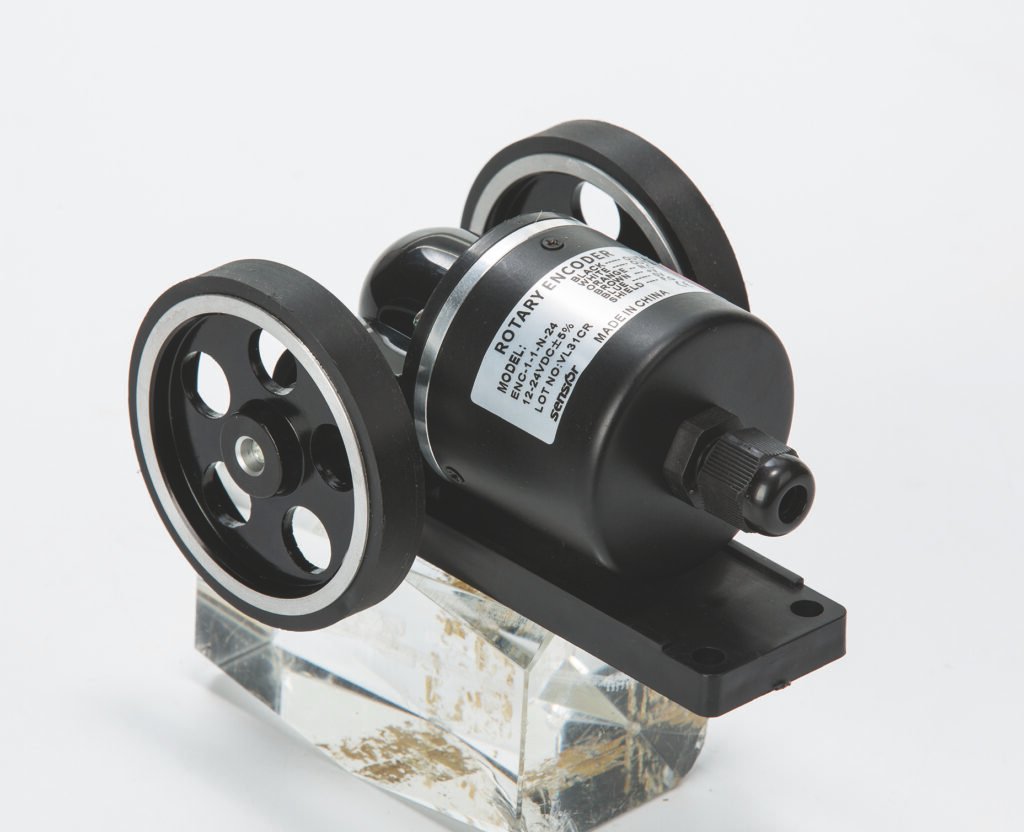
5000ppr encoder designed for accurate position feedback and advanced motion control.
How Does a 5000ppr Encoder Work?
Working Principle of a 5000ppr Encoder
A typical 5000ppr encoder uses optical or magnetic sensing technology to convert mechanical rotation into electrical signals.
The main components include:
Rotating shaft
Encoder disc or magnetic element
Sensor system
Signal processing circuit
Output interface
During operation, the rotating shaft moves the internal measuring element. The encoder detects these movements and generates pulse signals.
The connected controller, such as a PLC or servo drive, interprets these pulses to calculate:
Rotation speed
Position changes
Direction of movement
Motor synchronization
Key Features of 5000ppr Encoder Technology
High Resolution Motion Feedback
The main advantage of a 5000ppr encoder is its ability to provide detailed feedback.
Higher resolution helps machines achieve:
Better positioning accuracy
Smoother motor control
Reduced positioning errors
Improved production quality
Reliable Industrial Performance
Industrial environments often include:
Dust
Vibration
Temperature changes
Continuous operation
A quality encoder is designed to maintain stable output signals even under demanding conditions.
Multiple Output Signal Options
Many industrial encoders support different signal formats, including:
A/B phase quadrature signals
Differential line driver output
TTL output
HTL output
These options allow integration with different automation controllers.
Applications of 5000ppr Encoder in Industrial Systems
5000ppr Encoder for CNC Machines
CNC equipment requires extremely accurate position feedback. A high-resolution encoder helps monitor spindle rotation and axis movement.
Benefits include:
Improved machining accuracy
Better speed control
Higher repeatability
5000ppr Encoder for Robotics
Robotic systems depend on precise feedback to control movement.
A 5000ppr encoder helps robotic arms achieve:
Accurate positioning
Smooth movement
Faster response times
5000ppr Encoder for Servo Motors
Servo systems require continuous feedback between motors and controllers.
A 5000ppr encoder is an excellent choice for industrial systems requiring accurate motion feedback, reliable performance, and improved automation control.
With high-resolution output, strong compatibility, and wide application possibilities, this encoder technology supports modern manufacturing, robotics, and precision engineering.
Choosing the right encoder supplier and product specification can significantly improve machine efficiency and long-term reliability. For professional encoder solutions, visit:
Table of Contents Omron Rotary Encoder Replacement: Understanding the Need for Modern Encoder Solutions Omron rotary encoder replacement is an important consideration for companies operating industrial automation equipment, motion control systems, and manufacturing machinery. Rotary encoders are essential components that measure rotational position, speed, and direction. When an existing encoder becomes unavailable, outdated, or fails […]
Incremental rotary encoder play a vital role in many industrial and automation applications. If you have ever wondered exactly how these devices work, what signals they output, and how to identify them, you’re in the right place. This article will take a close look at the three primary signals—Phase A, Phase B, and Phase Z—of […]
Introduction to 38mm Encoder The 38mm encoder is a compact yet highly precise rotary sensor widely used in modern industrial automation systems. A 38mm encoder is specifically designed for applications where space is limited but accuracy is critical. Unlike larger encoder models, the 38mm encoder offers a balance between compact design and high-performance signal output. […]
We use cookies to enhance your browsing experience, serve personalised ads or content, and analyse our traffic. By clicking "Accept All", you consent to our use of cookies.