Omron Rotary Encoder Replacement: 7 Best Solutions for Industrial Automation Upgrades

Omron Rotary Encoder Replacement: 7 Best Solutions for Industrial Automation Upgrades

Table of Contents

  • What Is Omron Rotary Encoder Replacement?
  • Why Industries Need Omron Rotary Encoder Replacement
  • Key Factors When Selecting Omron Rotary Encoder Replacement
  • Types of Compatible Encoder Replacements
  • Benefits of Upgrading Your Rotary Encoder System
  • How to Install and Maintain Encoder Replacements
  • Choosing a Reliable Industrial Encoder Supplier
  • Frequently Asked Questions
  • Conclusion

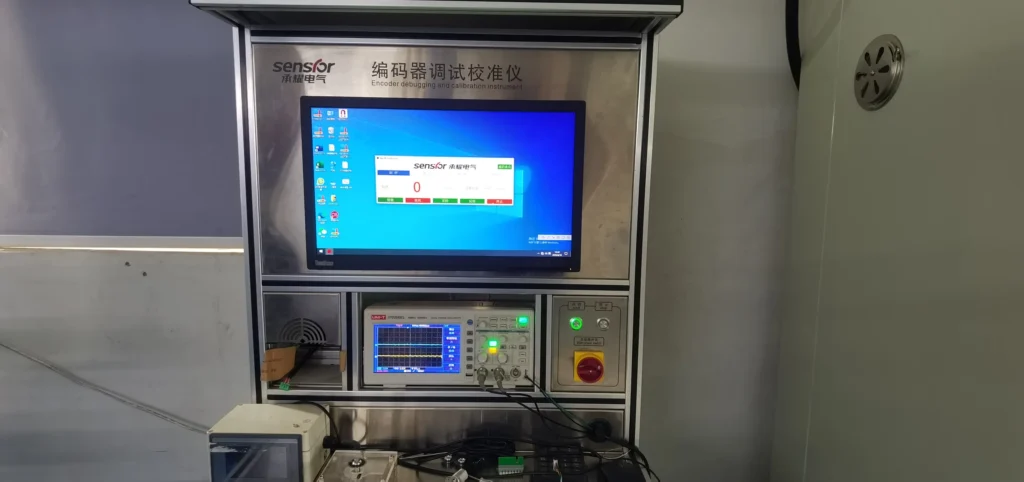
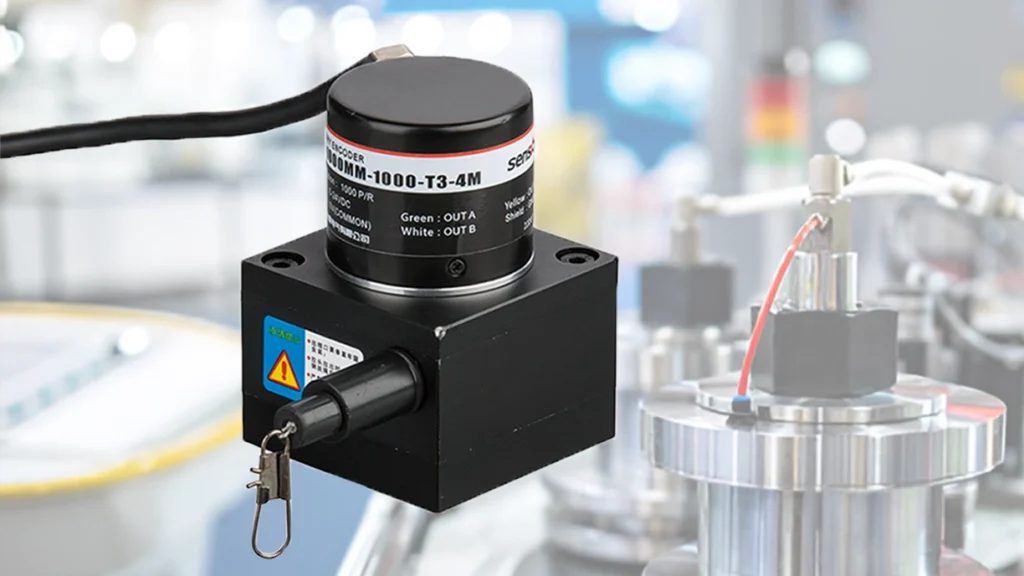
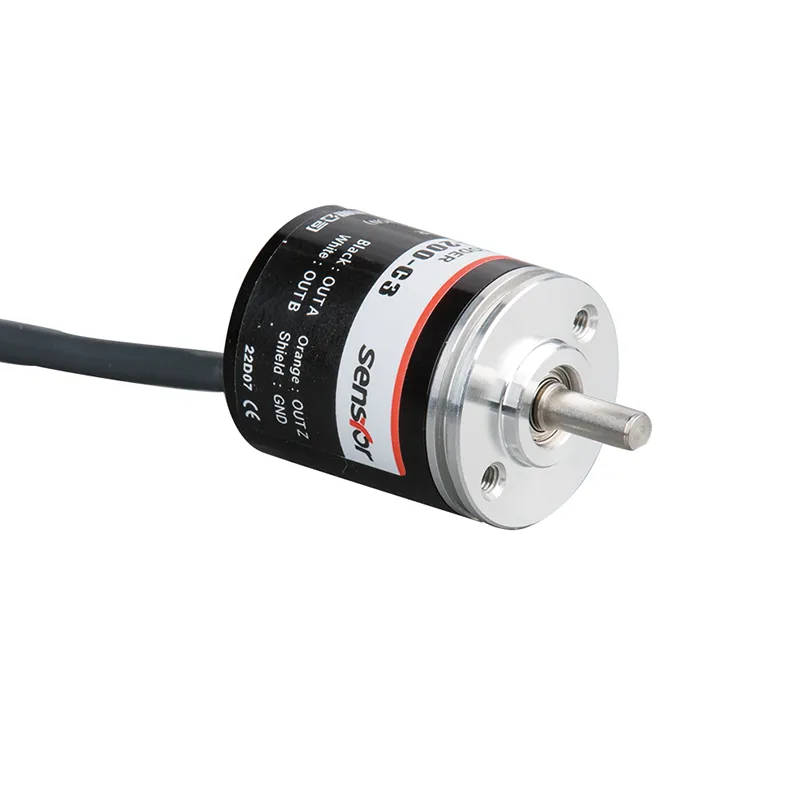
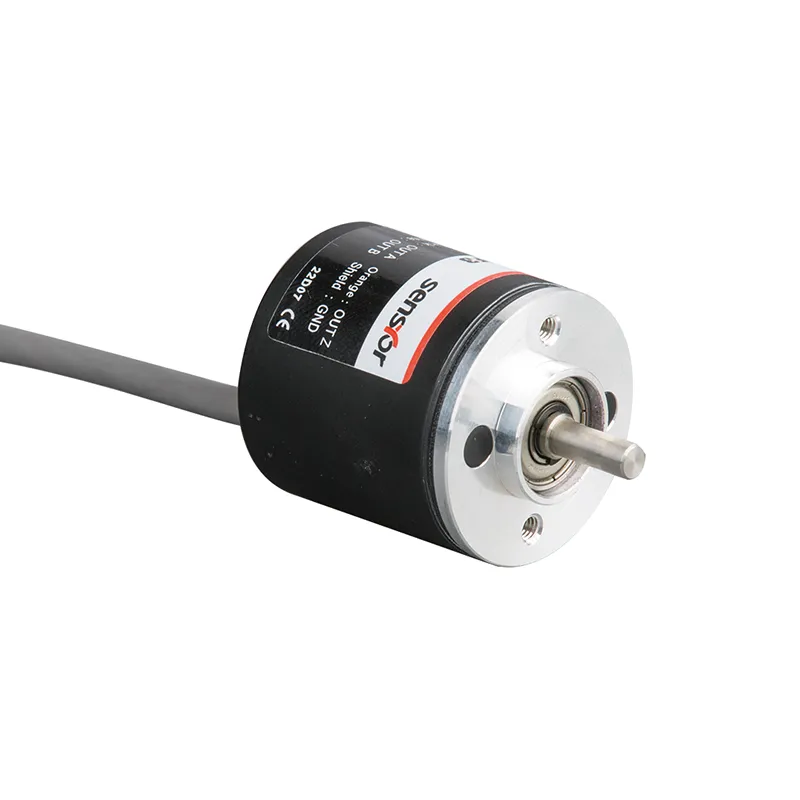
Omron rotary encoder replacement for industrial automation equipment
Omron rotary encoder replacement solutions provide accurate motion feedback for modern industrial automation systems.

Omron Rotary Encoder Replacement: Understanding the Need for Modern Encoder Solutions

Omron rotary encoder replacement is an important consideration for companies operating industrial automation equipment, motion control systems, and manufacturing machinery.

Rotary encoders are essential components that measure rotational position, speed, and direction. When an existing encoder becomes unavailable, outdated, or fails during production, finding a reliable replacement helps prevent unexpected downtime.

Many factories using automated systems require a compatible encoder that can deliver the same performance level as the original device while offering improved reliability and longer service life.

Modern industrial encoder solutions provide accurate feedback signals, strong environmental resistance, and excellent compatibility with PLC and motion control systems.

For high-quality encoder products, you can explore professional solutions here:

https://sensyorcoder.net/products


What Is Omron Rotary Encoder Replacement?

An Omron rotary encoder replacement refers to a compatible encoder product used to replace an original Omron rotary encoder while maintaining similar electrical and mechanical performance.

A replacement encoder normally needs to match several important specifications:

  • Resolution (PPR or pulses per revolution)
  • Output signal type
  • Operating voltage
  • Shaft size
  • Mounting dimensions
  • Rotation direction
  • Communication interface

Choosing the correct replacement ensures that automation equipment continues working without major modifications.

In industrial environments, encoder compatibility is critical because even a small difference in signal output can affect machine accuracy.


Why Choose Omron Rotary Encoder Replacement for Industrial Automation?

Omron Rotary Encoder Replacement Reduces Production Downtime

Machine downtime can create significant financial losses. A suitable encoder replacement allows maintenance teams to quickly restore equipment operation.

Instead of redesigning the entire control system, companies can install a compatible rotary encoder and continue production efficiently.


Omron Rotary Encoder Replacement Improves Equipment Reliability

Industrial environments often include:

  • Dust
  • Oil contamination
  • Vibration
  • Temperature changes
  • Continuous operation

A high-quality encoder replacement provides stable feedback even under challenging conditions.

Industrial automation systems depend on accurate position monitoring. A reliable encoder helps maintain production consistency and product quality.


Key Factors When Selecting Omron Rotary Encoder Replacement

1. Check Electrical Compatibility

Before selecting an encoder replacement, engineers should confirm:

  • Supply voltage
  • Output format
  • Pulse frequency
  • Connector type

Common output options include:

  • Incremental A/B phase output
  • Differential line driver output
  • Analog output
  • Industrial communication protocols

2. Verify Mechanical Dimensions

A replacement encoder should match the original installation requirements.

Important mechanical specifications include:

SpecificationImportance
Shaft diameterEnsures proper mechanical connection
Mounting holesAllows easy installation
Encoder body sizePrevents installation problems
Coupling compatibilityMaintains accurate rotation

3. Consider Environmental Protection

For factories, choosing an encoder with suitable protection is essential.

Many industrial rotary encoders provide:

  • Dust resistance
  • Water resistance
  • Shock protection
  • Vibration resistance

This makes them suitable for:

  • Packaging machines
  • CNC equipment
  • Conveyor systems
  • Robotics
  • Automated assembly lines

Types of Omron Rotary Encoder Replacement Solutions

Incremental Rotary Encoder Replacement

Incremental encoders generate pulses based on shaft rotation.

They are commonly used for:

  • Speed measurement
  • Motor control
  • Position feedback

These encoders are popular because they offer excellent accuracy and cost efficiency.


Absolute Rotary Encoder Replacement

Absolute encoders provide unique position information even after power interruption.

They are ideal for applications requiring:

  • Precise positioning
  • Servo systems
  • Robotic equipment
  • High-performance automation

Benefits of Upgrading to a Modern Encoder Replacement

Improved Machine Accuracy

A modern rotary encoder provides precise motion feedback, helping automation systems achieve better positioning accuracy.


Longer Equipment Life

High-quality industrial encoders are designed for continuous operation.

They reduce maintenance frequency and help extend machine lifespan.


Better Compatibility With Modern Automation Systems

New encoder technologies support advanced control platforms, including:

  • PLC systems
  • Servo drives
  • Industrial networks

More information about industrial automation standards can be found at:

https://www.iso.org/standard/74564.html


How to Install Omron Rotary Encoder Replacement Correctly

Step 1: Disconnect Power Safely

Always turn off equipment power before removing the old encoder.

Safety procedures help prevent electrical damage and personal injury.


Step 2: Compare Encoder Specifications

Confirm that the replacement encoder matches:

  • Voltage requirements
  • Resolution
  • Output signals
  • Mechanical dimensions

Step 3: Install and Test the New Encoder

After installation:

  1. Check wiring connections
  2. Verify rotation direction
  3. Test signal output
  4. Calibrate machine parameters

Proper testing ensures reliable operation.


Maintenance Tips for Omron Rotary Encoder Replacement

Regular maintenance can extend encoder service life.

Recommended practices include:

  • Checking cable connections
  • Inspecting mounting conditions
  • Preventing excessive vibration
  • Keeping the encoder environment clean

Preventive maintenance reduces unexpected machine failures.


Choosing a Reliable Supplier for Omron Rotary Encoder Replacement

Selecting the right supplier is essential for industrial applications.

A professional encoder manufacturer should provide:

  • Technical support
  • Product customization
  • Quality testing
  • Reliable delivery

You can view industrial encoder products and replacement solutions here:

https://sensyorcoder.net/products

A trusted supplier helps businesses find suitable alternatives for discontinued or aging encoder models.


External Resources for Encoder Technology

For additional technical information about encoder principles and industrial applications, visit:

https://www.motioncontroltips.com/what-is-an-encoder

https://www.automation.com/en-us/articles/2023/understanding-industrial-automation

These resources provide additional knowledge about encoder operation and automation technology.


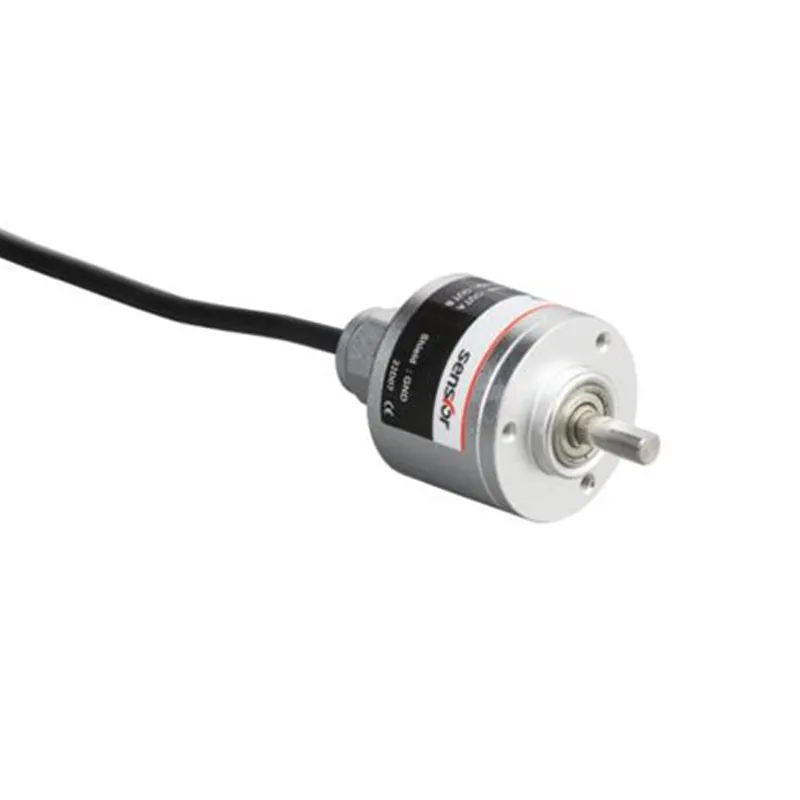
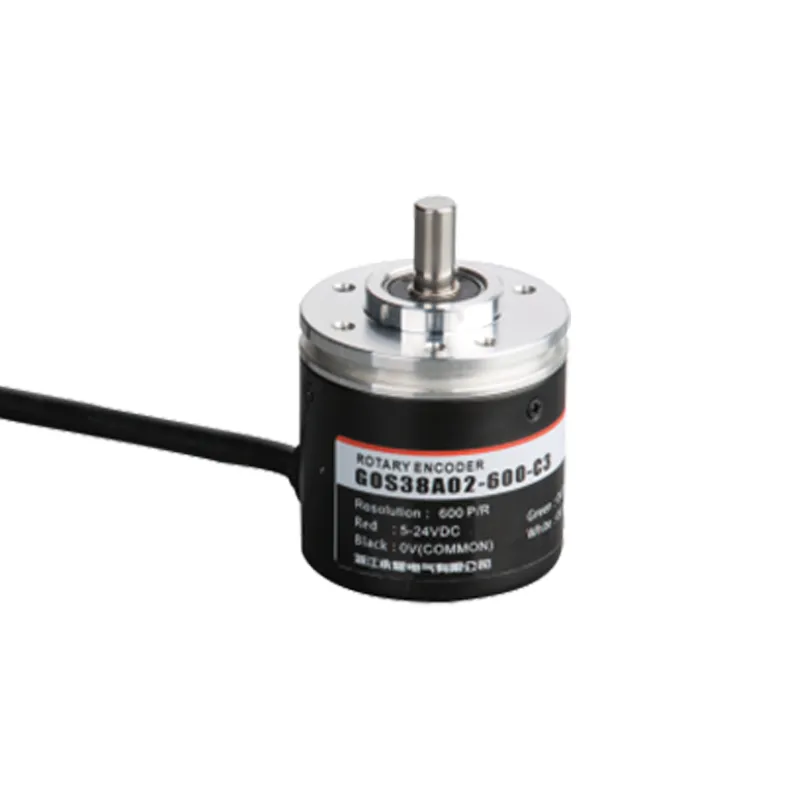
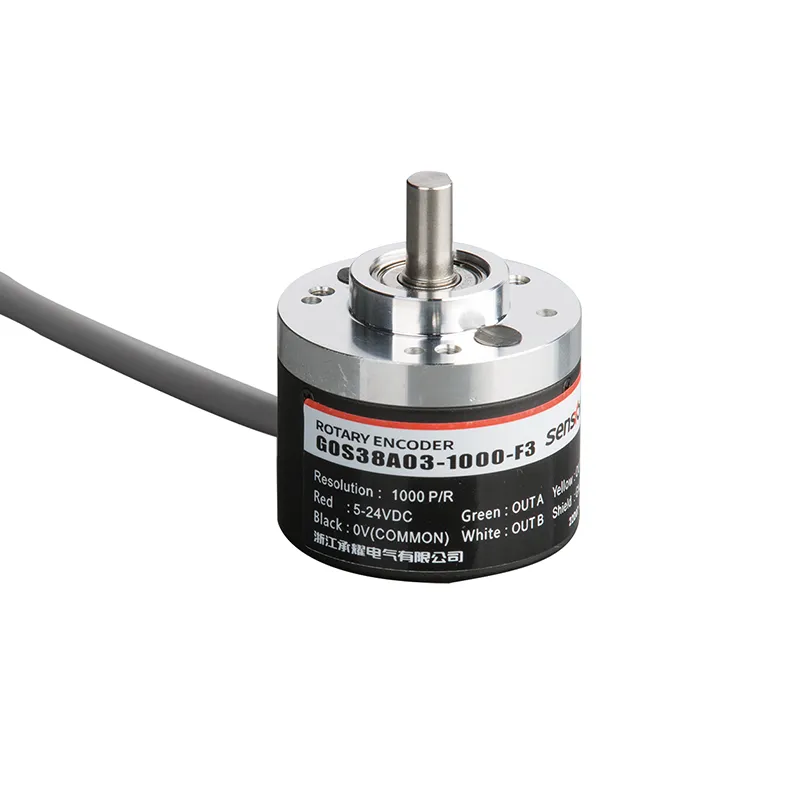
Omron rotary encoder replacement installed in factory machinery control system
A reliable Omron rotary encoder replacement helps improve machine accuracy, efficiency, and operational stability.

Frequently Asked Questions (FAQ)

1. What is an Omron rotary encoder replacement?

An Omron rotary encoder replacement is a compatible encoder designed to replace an existing Omron encoder while maintaining similar performance and functionality.


2. How do I choose the correct Omron rotary encoder replacement?

You should compare specifications such as resolution, voltage, output type, shaft size, and mounting dimensions.


3. Can an alternative encoder work with Omron automation systems?

Yes. Many industrial encoder alternatives can work with Omron-based systems if electrical and mechanical specifications match.


4. What industries use rotary encoder replacements?

They are widely used in:

  • Manufacturing
  • Robotics
  • Packaging
  • Automotive production
  • CNC machinery

5. Why replace an old rotary encoder?

Replacing an outdated encoder improves reliability, reduces downtime, and supports better machine performance.


6. Where can I find industrial encoder replacement products?

You can explore professional encoder products here:

https://sensyorcoder.net/products


Conclusion

Choosing the right Omron rotary encoder replacement is essential for maintaining reliable industrial automation performance.

A suitable replacement encoder can restore machine operation, improve accuracy, reduce maintenance costs, and support long-term production efficiency.

When selecting an encoder replacement, always consider electrical compatibility, mechanical dimensions, environmental conditions, and supplier reliability.

For industrial-grade encoder solutions, visit:

https://sensyorcoder.net/products

The right encoder technology helps businesses build more efficient, stable, and future-ready automation systems.

Related Posts

50mm Heavy Duty Rotary Encoder IP65: 5 Key Benefits for Industrial Automation

50mm Heavy Duty Rotary Encoder IP65: 5 Key Benefits for Industrial Automation

Table Introduction to 50mm Heavy Duty Rotary Encoder IP65 The 50mm heavy duty rotary encoder IP65 is an advanced industrial motion feedback device designed for demanding automation environments. With a compact 50mm housing size and IP65 protection rating, this type of encoder provides reliable position, speed, and direction feedback even in challenging industrial conditions. Modern […]

Read More
Encoder for Servo System: Complete Guide to Precision Motion Control

Encoder for Servo System: Complete Guide to Precision Motion Control

Introduction to Encoder for Servo System An encoder for servo system is one of the most important components in modern motion control technology. It provides real-time feedback regarding position, speed, and direction, allowing servo motors to operate with exceptional precision. Without an encoder for servo system, accurate positioning and synchronized motion would be difficult to […]

Read More
40mm Encoder for Precision Industrial Automation

40mm Encoder for Precision Industrial Automation

Table of Contents Introduction to 40mm Encoder 40mm encoder technology is widely used in modern industrial automation systems that require precise motion feedback and compact installation. A 40mm encoder provides accurate speed, direction, and position signals for machinery operating in manufacturing, robotics, CNC systems, and packaging equipment. Because of its compact housing size, the 40mm […]

Read More