📊 Comprehensive Outline for “hollow shaft encoder”
Heading Level
Topic
Subtopics
H1
Hollow Shaft Encoder: 7 Powerful Insights You Must Know for Precision Motion Control
Introduction
H2
What is a Hollow Shaft Encoder?
Definition, Basic Concept
H3
How It Differs from Solid Shaft Encoders
Structural Differences
H4
Core Working Principle of Hollow Shaft Encoder
Signal Generation
H2
Types of Hollow Shaft Encoders
Overview
H3
Incremental Hollow Shaft Encoder
Features, Uses
H3
Absolute Hollow Shaft Encoder
Features, Uses
H4
Single-turn vs Multi-turn
Differences
H2
Key Components of Hollow Shaft Encoder
Internal Structure
H3
Optical vs Magnetic Technology
Comparison
H2
Advantages of Using Hollow Shaft Encoder
Key Benefits
H3
Space-Saving Design
Compactness
H3
Easy Installation
Mounting Benefits
H2
Common Applications of Hollow Shaft Encoder
Industrial Use Cases
H3
Robotics and Automation
Precision Control
H3
Packaging and Conveyor Systems
Efficiency
H4
Renewable Energy Systems
Wind Turbines
H2
How to Choose the Right Hollow Shaft Encoder
Selection Guide
H3
Key Parameters to Consider
Resolution, Speed
H4
Environmental Factors
Temperature, Dust
H2
Installation and Maintenance Tips
Best Practices
H3
Alignment and Mounting
Avoiding Errors
H3
Troubleshooting Common Issues
Signal Loss
H2
Hollow Shaft Encoder vs Other Encoders
Comparative Analysis
H2
Future Trends in Encoder Technology
Smart Sensors
H2
FAQs About Hollow Shaft Encoder
Common Questions
H2
Conclusion
Final Thoughts
🛠️ What is a Hollow Shaft Encoder?
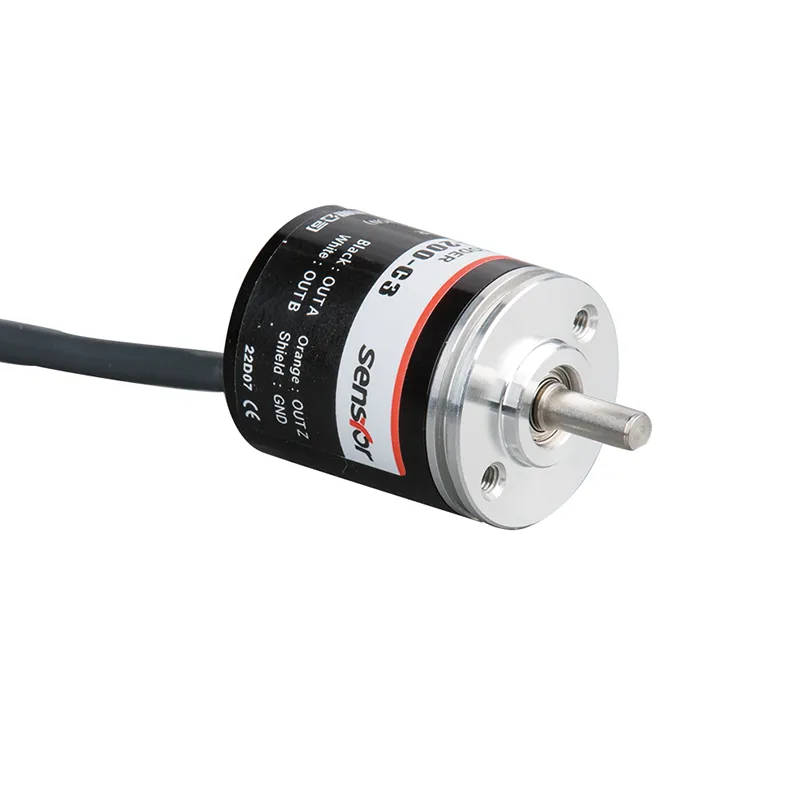
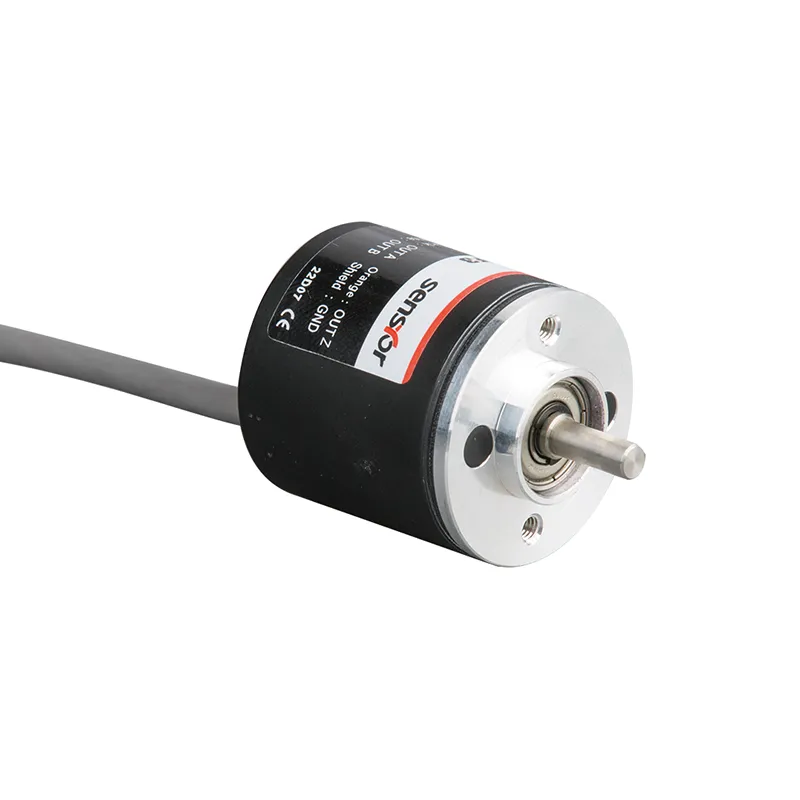
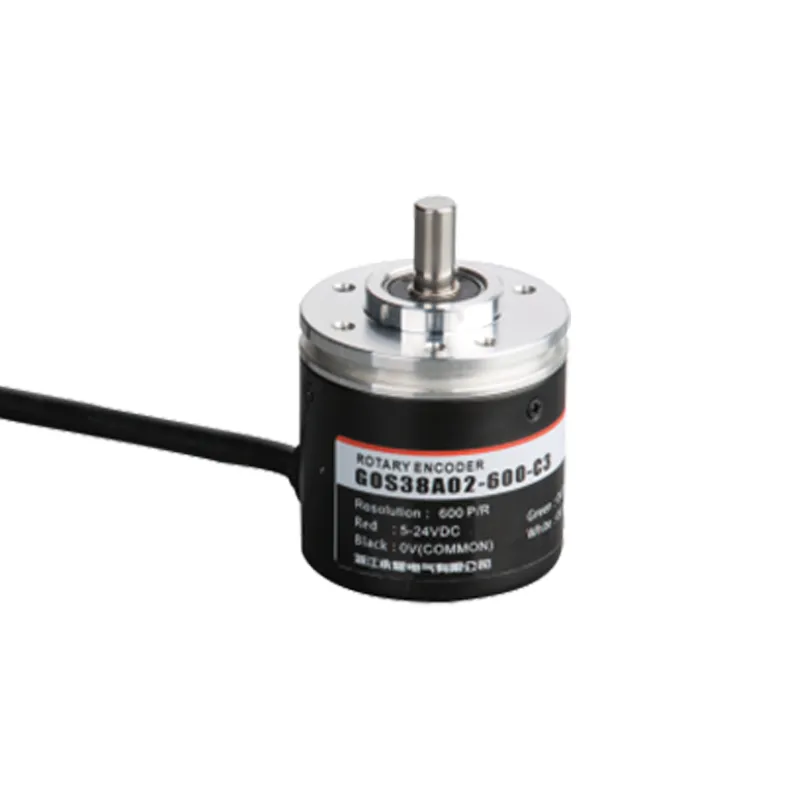
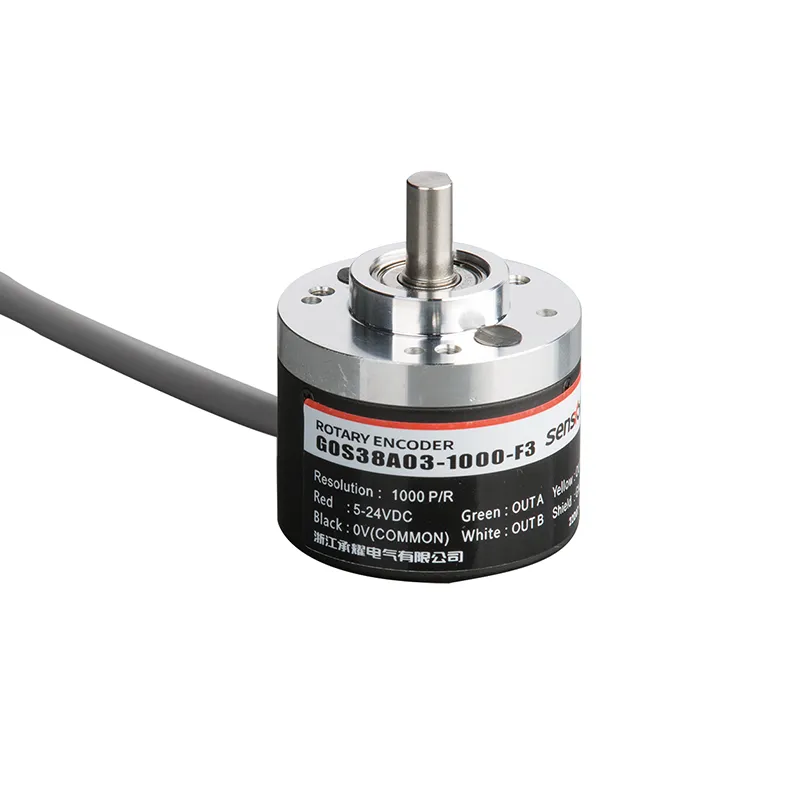
A hollow shaft encoder is a type of rotary encoder designed with a central hole (or hollow bore) that allows it to be directly mounted onto a rotating shaft. Unlike traditional encoders that require couplings, this design simplifies installation and improves alignment accuracy.
In simple terms, a hollow shaft encoder measures rotational motion—such as speed, position, or direction—and converts it into electrical signals for monitoring and control systems.
🔍 How It Differs from Solid Shaft Encoders
The main difference lies in the mounting mechanism:
Hollow Shaft Encoder: Slides directly onto the machine shaft
Solid Shaft Encoder: Requires additional couplings and brackets
This direct mounting reduces mechanical complexity and minimizes potential misalignment issues.
⚙️ Core Working Principle of Hollow Shaft Encoder
A hollow shaft encoder works by detecting the rotation of a shaft and converting that motion into electrical signals. These signals are then interpreted by a control system.
Here’s how it works step-by-step:
A rotating shaft passes through the hollow center
Internal sensors detect motion
Signals are generated (digital or analog)
Data is sent to a controller (PLC or drive system)
🔢 Types of Hollow Shaft Encoders
Hollow shaft encoders are mainly classified into two types:
🔁 Incremental Hollow Shaft Encoder
This type generates pulses as the shaft rotates. Each pulse represents a small movement.
Key Features:
Measures relative position
Cost-effective
High-speed capability
Best For:
Speed monitoring
Conveyor systems
📍 Absolute Hollow Shaft Encoder
Absolute encoders provide a unique position value for every shaft angle—even after power loss.
Key Features:
Retains position data
No need for recalibration
Higher precision
🔄 Single-turn vs Multi-turn
Single-turn: Tracks position within one full rotation
Multi-turn: Tracks multiple rotations using internal counters
🧩 Key Components of Hollow Shaft Encoder
Understanding its internal parts helps you choose the right encoder.
🔬 Optical vs Magnetic Technology
Optical Encoders
Use light and a coded disk
High resolution
Sensitive to dust and vibration
Magnetic Encoders
Use magnetic fields
More durable in harsh environments
Slightly lower resolution
✅ Advantages of Using Hollow Shaft Encoder
📦 Space-Saving Design
Because it mounts directly onto the shaft, a hollow shaft encoder eliminates the need for extra components. This makes it ideal for compact machinery.
🔧 Easy Installation
No coupling required
Faster setup time
Reduced alignment errors
Other benefits include:
Lower maintenance
Improved reliability
Better mechanical stability
🏭 Common Applications of Hollow Shaft Encoder
Hollow shaft encoders are widely used across industries.
🤖 Robotics and Automation
They provide precise feedback for robotic arms, ensuring accurate movement and positioning.
📦 Packaging and Conveyor Systems
Used for:
Speed synchronization
Product tracking
Motion control
🌬️ Renewable Energy Systems
In wind turbines, hollow shaft encoders monitor rotor speed and position to optimize performance.
🛒 How to Choose the Right Hollow Shaft Encoder
Selecting the right encoder depends on several factors.
The future of hollow shaft encoder technology looks promising:
Integration with IoT systems
Wireless signal transmission
Higher resolution and miniaturization
Smart diagnostics and predictive maintenance
❓ FAQs About Hollow Shaft Encoder
1. What is a hollow shaft encoder used for?
It is used to measure rotational motion such as speed, direction, and position in machinery.
2. What is the main advantage of a hollow shaft encoder?
Its direct mounting design reduces installation complexity and improves accuracy.
3. Are hollow shaft encoders accurate?
Yes, especially optical versions, which offer high precision.
4. Can hollow shaft encoders work in harsh environments?
Yes, magnetic types are designed for rugged conditions.
5. How do I install a hollow shaft encoder?
Simply slide it onto the shaft and secure it using clamps or set screws.
6. What industries use hollow shaft encoders?
Industries like automation, robotics, manufacturing, and renewable energy commonly use them.
🏁 Conclusion
A hollow shaft encoder is an essential component in modern motion control systems. Its compact design, ease of installation, and high performance make it a preferred choice across industries. Whether you’re working in automation, robotics, or energy systems, choosing the right encoder can significantly improve efficiency and accuracy.
By understanding its types, features, and applications, you can confidently select the best hollow shaft encoder for your needs.
📊 Comprehensive Outline for “Koyo encoder replacement” Heading Level Topic H1 Koyo Encoder Replacement: 15 Expert Tips for Fast Upgrade H2 Introduction to Koyo encoder replacement H3 What is Koyo encoder replacement H3 Why replacement is necessary H2 Signs You Need a Koyo encoder replacement H3 Performance issues H3 Signal errors H2 Types of encoders […]
An optical encoder is one of the most widely used sensors in industrial automation, robotics, and motion control systems. It converts mechanical movement into electrical signals, allowing machines to measure position, speed, and direction with exceptional accuracy. As manufacturing processes become more automated, the demand for reliable sensing solutions continues to increase. Modern motion control […]
Introduction to 1000PPR Encoder A 1000PPR encoder is a motion sensing device that generates 1000 pulses per revolution, allowing precise measurement of position, speed, and direction. In modern automation systems, using a 1000PPR encoder helps improve control accuracy and ensures smooth machine operation across industries such as robotics, CNC machining, and manufacturing. Understanding Encoder Resolution […]
We use cookies to enhance your browsing experience, serve personalised ads or content, and analyse our traffic. By clicking "Accept All", you consent to our use of cookies.