Absolute Encoder: Powerful Guide to Precision Position Measurement (2026)

Absolute Encoder: Powerful Guide to Precision Position Measurement (2026)

📑 Comprehensive Outline for Absolute Encoder

Heading LevelTopic
H1Absolute Encoder: Complete Guide
H2Introduction to Absolute Encoder
H3Definition and Basic Concept
H3Importance in Modern Automation
H2How an Absolute Encoder Works
H3Position Detection Mechanism
H4Binary Code Output
H4Unique Position Identification
H2Types of Absolute Encoder
H3Single-Turn Absolute Encoder
H3Multi-Turn Absolute Encoder
H4Mechanical Multi-Turn
H4Battery-Free Multi-Turn
H2Key Components of Absolute Encoder
H3Code Disc
H3Optical Sensor
H3Signal Processor
H2Advantages of Absolute Encoder
H3High Accuracy
H3No Data Loss
H3Immediate Position Feedback
H2Absolute Encoder vs Incremental Encoder
H3Key Differences
H3Use Cases Comparison
H2Applications of Absolute Encoder
H3Industrial Automation
H3Robotics Systems
H3CNC Machines
H3Elevators and Motion Control
H2Installation Guidelines
H3Mounting Techniques
H3Electrical Connections
H2Common Issues and Troubleshooting
H3Signal Errors
H3Mechanical Misalignment
H2Maintenance Tips
H3Regular Calibration
H3Cleaning Sensors
H2Factors to Consider Before Buying
H3Resolution
H3Interface Type
H3Environmental Protection
H2Future Trends in Encoder Technology
H3Smart Encoders
H3Industry 4.0 Integration
H2FAQs About Absolute Encoder
H2Conclusion

🔍 Introduction to Absolute Encoder

An absolute encoder is a highly accurate position-sensing device used in automation and control systems. Unlike other sensors, it provides a unique digital output for every position, ensuring precise tracking even after power loss. This makes the absolute encoder a critical component in industries where accuracy and reliability are essential.

📘 Definition and Basic Concept

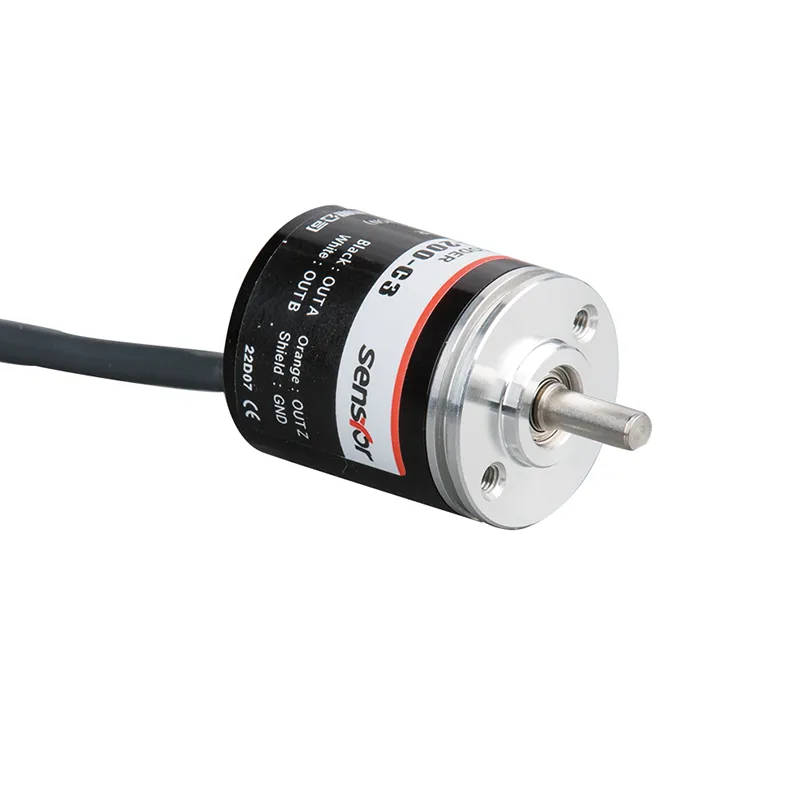
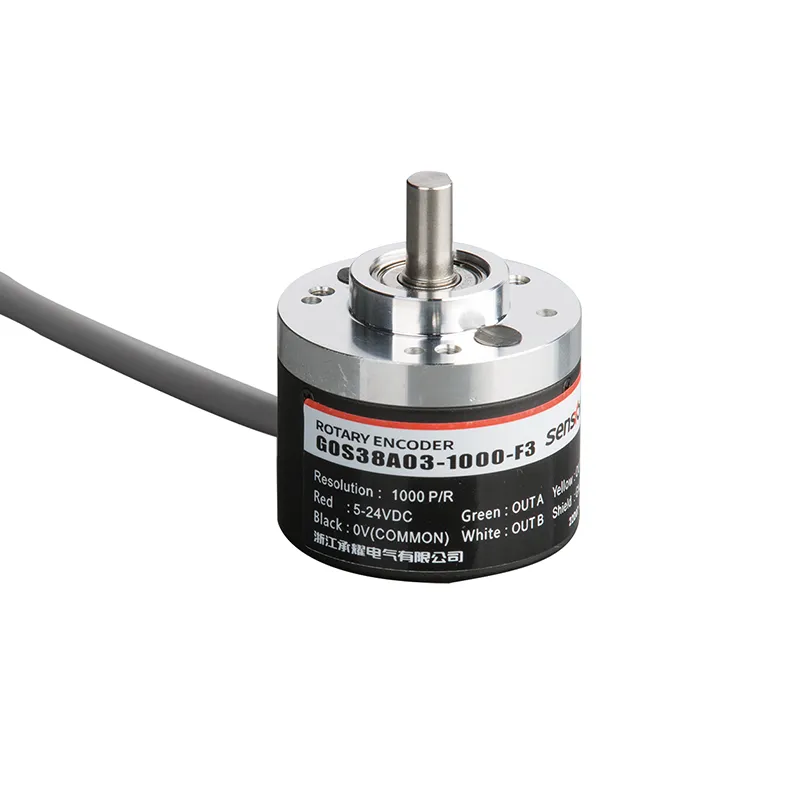
An absolute encoder is an electromechanical device that converts shaft position into a digital signal. Each position corresponds to a unique code, allowing systems to instantly know the exact position without needing recalibration.

Linear encoder 2

⚙️ Importance in Modern Automation

In today’s fast-moving industrial world, machines must operate with precision. Absolute encoders:

  • Eliminate the need for homing procedures
  • Improve efficiency
  • Enhance safety

⚙️ How an Absolute Encoder Works

🔄 Position Detection Mechanism

The encoder uses a rotating disc with coded patterns. As the shaft rotates, sensors read the pattern and convert it into digital signals.

🔢 Binary Code Output

Each position corresponds to a binary or Gray code output, ensuring unique identification.

📍 Unique Position Identification

Even after power failure, the encoder remembers its position—this is what makes it “absolute.”


🔧 Types of Absolute Encoder

🔹 Single-Turn Absolute Encoder

Measures position within one full rotation. Ideal for applications with limited rotation.

🔹 Multi-Turn Absolute Encoder

Tracks multiple rotations, useful for complex machinery.

⚙️ Mechanical Multi-Turn

Uses gears to count rotations.

🔋 Battery-Free Multi-Turn

Uses energy-harvesting technology—no battery required.


🧩 Key Components of Absolute Encoder

🌀 Code Disc

Contains unique patterns for position detection.

🔍 Optical Sensor

Reads patterns from the disc.

💻 Signal Processor

Converts signals into usable digital output.


✅ Advantages of Absolute Encoder

🎯 High Accuracy

Provides precise position data.

🔒 No Data Loss

Retains position even during power outages.

⚡ Instant Feedback

No need for startup calibration.


⚖️ Absolute Encoder vs Incremental Encoder

🔍 Key Differences

FeatureAbsolute EncoderIncremental Encoder
Position TrackingExactRelative
Power Loss ImpactNo effectLoses position
ComplexityHigherLower

🧠 Use Cases Comparison

  • Absolute: Robotics, CNC
  • Incremental: Simple motion tracking

🏭 Applications of Absolute Encoder

🤖 Industrial Automation

Used in conveyor systems and assembly lines.

🦾 Robotics Systems

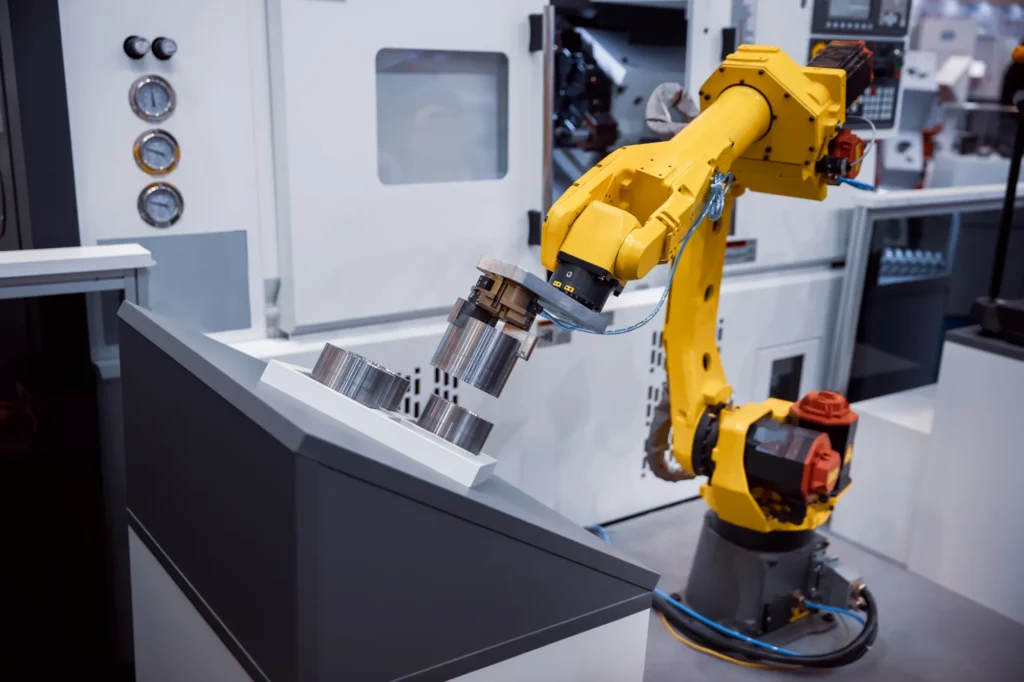
Ensures precise arm positioning.

XR2-D20

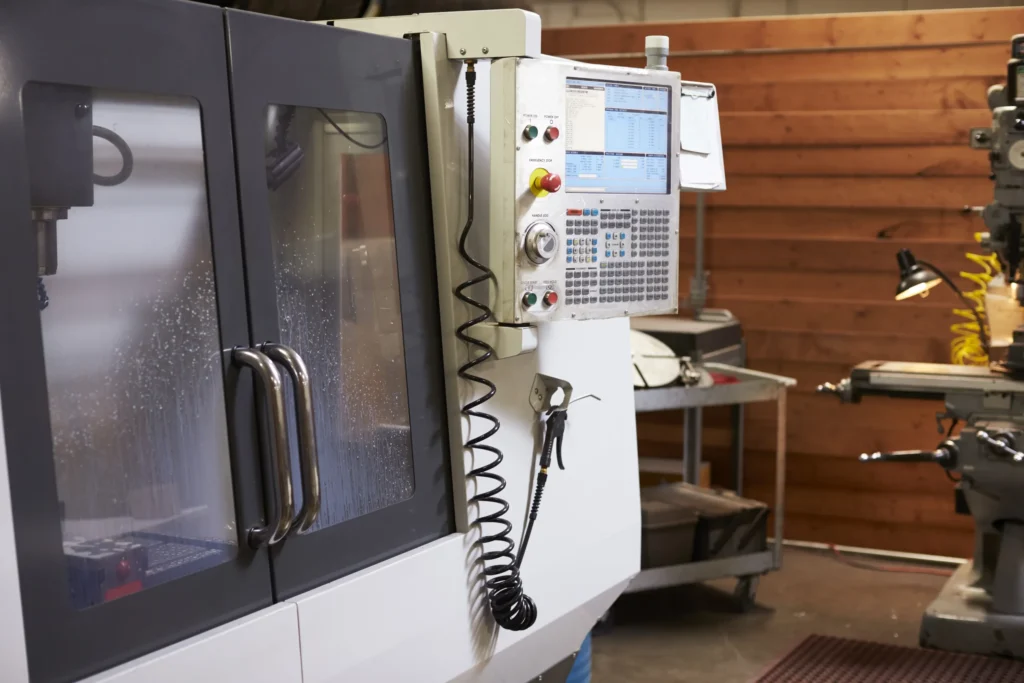
🔩 CNC Machines

Provides exact cutting positions.

🛗 Elevators and Motion Control

Maintains safe positioning.


🔌 Installation Guidelines

🛠️ Mounting Techniques

Ensure proper alignment with the shaft.

🔌 Electrical Connections

Use shielded cables to reduce noise.


⚠️ Common Issues and Troubleshooting

📡 Signal Errors

Caused by electrical interference.

⚙️ Mechanical Misalignment

Leads to inaccurate readings.


🧼 Maintenance Tips

🧪 Regular Calibration

Ensures long-term accuracy.

🧹 Cleaning Sensors

Prevents dust interference.


🛒 Factors to Consider Before Buying

📏 Resolution

Higher resolution means better accuracy.

🔌 Interface Type

Choose between analog, digital, or fieldbus.

🌡️ Environmental Protection

Check IP rating for harsh conditions.


📱 Smart Encoders

Offer real-time diagnostics.

🌐 Industry 4.0 Integration

Connect seamlessly with smart factories.


❓ FAQs About Absolute Encoder

1. What is an absolute encoder used for?

It is used to measure exact position in machines and automation systems.

2. How is it different from incremental encoders?

It provides exact position data even after power loss.

3. Where are absolute encoders commonly used?

In robotics, CNC machines, and industrial automation.

4. Do absolute encoders need calibration?

Minimal calibration is required compared to other encoders.

5. Are they expensive?

Yes, but they offer higher reliability and precision.

6. Can they work in harsh environments?

Yes, with proper IP-rated designs.


🏁 Conclusion

An absolute encoder is a powerful and reliable solution for precise position measurement in modern industries. Its ability to provide exact positioning without recalibration makes it essential in automation, robotics, and motion control systems. As technology advances, absolute encoders will continue to play a key role in smart manufacturing and Industry 4.0.

Related Posts

China Encoder Supplier: 11 Powerful Ways to Choose the Best Manufacturer for Precision Motion Control

China Encoder Supplier: 11 Powerful Ways to Choose the Best Manufacturer for Precision Motion Control

📊 SEO-Optimized Outline (Content AI Structured) Heading Level Topic H1 China Encoder Supplier: 11 Powerful Ways to Choose the Best Manufacturer H2 What is a China Encoder Supplier H2 Why a China Encoder Supplier is Important H2 How a China Encoder Supplier Manufactures Encoders H2 Types of Products from a China Encoder Supplier H3 Optical […]

Read More
What Does PPR Mean in an Incremental Rotary Encoders?

What Does PPR Mean in an Incremental Rotary Encoders?

When working with motion control systems, you’ve probably encountered the term “PPR” in the specifications of an incremental rotary encoders. But what exactly does PPR mean? And why does it matter so much in applications like CNC machines, robotics, automation, and servo motors? In this post, we’ll dive deep into PPR (Pulses Per Revolution), explore how […]

Read More
Absolute vs Incremental Encoder Choosing the Right Solution

Absolute vs Incremental Encoder Choosing the Right Solution

In modern automation and motion control, precision is everything. Whether you’re designing a robotic arm, upgrading a conveyor system, or developing industrial machinery, one question always surfaces: Should you choose an absolute encoder or an incremental encoder? At first glance, both devices seem to perform the same task — measuring position and speed. But when you […]

Read More