Through-Hole Encoder: 15 Essential Insights for Accurate and Efficient Motion Control
H2
Introduction to Through-Hole Encoder
H3
What is a Through-Hole Encoder?
H3
Importance in Modern Automation
H2
Working Principle of Through-Hole Encoder
H3
How It Operates
H4
Optical vs Magnetic Technology
H3
Signal Output Types
H2
Types of Through-Hole Encoder
H3
Incremental Encoders
H3
Absolute Encoders
H4
Single-Turn vs Multi-Turn
H2
Key Components
H3
Hollow Shaft Design
H3
Sensors and Electronics
H2
Advantages of Through-Hole Encoder
H3
Easy Installation
H3
High Precision
H2
Applications of Through-Hole Encoder in Industry
H3
Automation Systems
H3
Robotics
H3
CNC Machinery
H2
How to Choose the Right Through-Hole Encoder
H3
Resolution
H3
Environmental Factors
H4
IP Ratings
H2
Installation and Maintenance
H3
Mounting Tips
H3
Troubleshooting
H2
Comparison with Solid Shaft Encoders
H3
Key Differences
H3
Best Use Cases
H2
Trends and Innovations
H3
Smart Encoders
H3
Compact Designs
H2
Common Mistakes
H3
Misalignment
H3
Electrical Issues
H2
FAQs
H2
Conclusion
Introduction to Through-Hole Encoder
What is a Through-Hole Encoder?
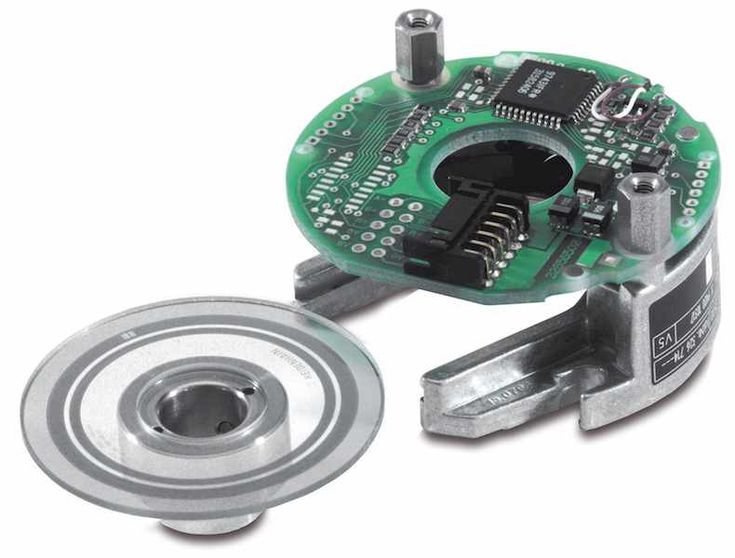
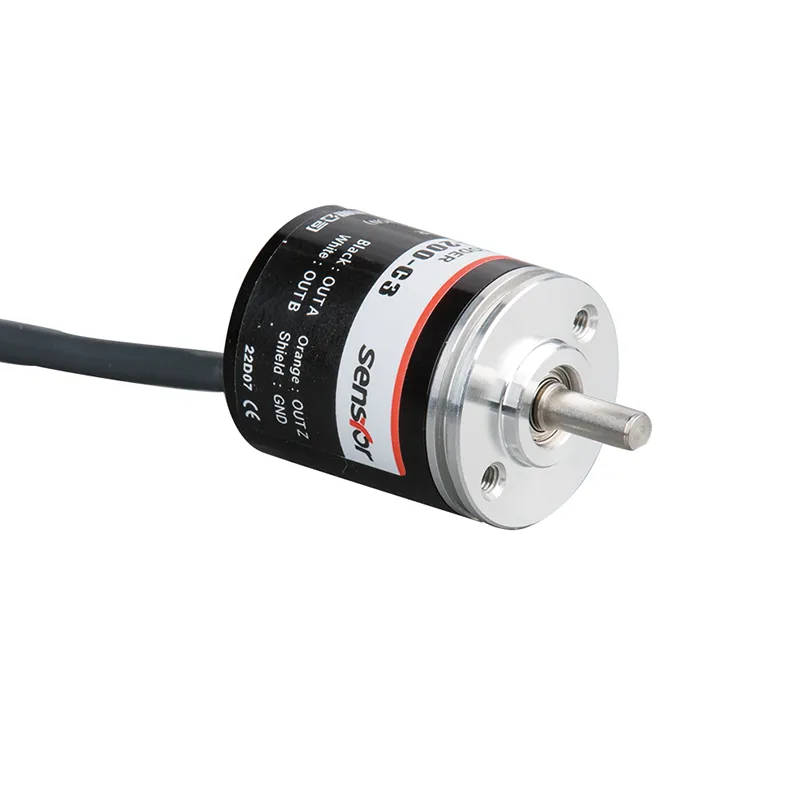
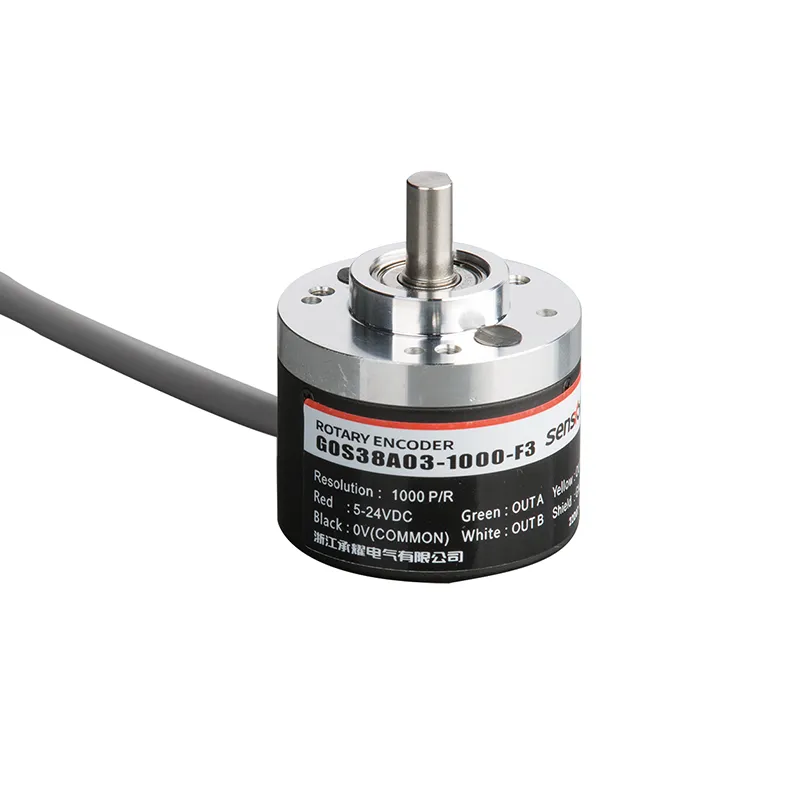
A through-hole encoder is a rotary sensing device designed with a hollow center that allows it to mount directly onto a rotating shaft. This eliminates the need for couplings and reduces alignment issues, making it highly efficient in industrial systems.
Unlike traditional encoders, this design simplifies installation while delivering accurate position, speed, and direction feedback. Because of its flexibility, it’s widely used in automation, robotics, and manufacturing environments.
Importance in Modern Automation
In modern industries, precision is everything. A through-hole encoder helps:
Improve motion accuracy
Reduce mechanical complexity
Enhance system reliability
Support compact designs
These benefits make it a key component in advanced motion control systems.
Working Principle of Through-Hole Encoder
How It Operates
A through-hole encoder detects shaft rotation and converts it into electrical signals. These signals are then processed by control systems to determine motion parameters.
The process includes:
Shaft rotation
Signal detection
Output transmission
Optical vs Magnetic Technology
Two common sensing technologies include:
Optical Encoders
High precision
Uses light and coded disks
Sensitive to dust
Magnetic Encoders
Durable and robust
Works well in harsh environments
Slightly lower resolution
Signal Output Types
Common outputs include:
Quadrature signals (A/B)
Index pulse (Z channel)
Analog or digital outputs
These signals help determine speed and direction accurately.
Types of Through-Hole Encoder
Incremental Encoders
Incremental encoders generate pulses as the shaft rotates.
Features:
Cost-effective
Simple design
Requires recalibration after power loss
Absolute Encoders
Absolute encoders provide a unique position value at all times.
Benefits:
No recalibration needed
High precision
Ideal for critical systems
Single-Turn vs Multi-Turn
Single-turn: Measures one rotation
Multi-turn: Tracks multiple rotations
Key Components
Hollow Shaft Design
The hollow shaft:
Allows direct mounting
Reduces mechanical error
Saves space
Sensors and Electronics
Inside the encoder:
Sensors detect motion
Circuits process signals
Interfaces send output data
Advantages of Through-Hole Encoder
Easy Installation
The direct mounting design:
Eliminates couplings
Saves time
Reduces alignment issues
High Precision
These encoders offer:
Accurate feedback
Stable performance
Long lifespan
Applications of Through-Hole Encoder in Industry
Automation Systems
Used in conveyor belts, packaging machines, and assembly lines for synchronization.
Robotics
Robotic systems rely on precise position tracking for smooth movement and control.
CNC Machinery
Encoders ensure accurate cutting and positioning in CNC machines, improving output quality.
How to Choose the Right Through-Hole Encoder
Resolution
Higher resolution provides better accuracy but may increase cost. Choose based on your application needs.
Environmental Factors
Consider:
Temperature
Dust
Moisture
IP Ratings
Higher IP ratings provide better protection against harsh environments.
Understand motion control → /motion-control-explained
Conclusion
The through-hole encoder is an essential component in modern motion control systems. Its hollow shaft design, ease of installation, and reliable performance make it a preferred choice across industries. By understanding its types, applications, and selection criteria, you can significantly enhance system efficiency and precision.
If you’ve ever wondered whether incremental encoders can measure linear displacement, you’re not alone. Engineers, system integrators, and industrial buyers often face this exact question when designing motion control systems or sourcing encoder solutions for automation projects. Let’s break this concept down in a clear and practical way—no jargon, no fluff, just straightforward insight into how incremental encoders […]
Introduction: Understanding Absolute Rotary Encoder Technology An absolute rotary encoder is a high-precision motion feedback device designed to measure the exact angular position of a rotating shaft. Unlike traditional sensors that only detect movement changes, an absolute rotary encoder can provide a unique position value immediately after startup, even when power has been removed. In […]
Introduction to Industrial Position Sensor Manufacturer An industrial position sensor manufacturer plays an important role in modern automation systems by providing accurate sensing solutions for machines, robots, production lines, and industrial equipment. As factories continue moving toward smart manufacturing, reliable position detection has become essential. Industrial companies require sensors that can operate under demanding conditions […]
We use cookies to enhance your browsing experience, serve personalised ads or content, and analyse our traffic. By clicking "Accept All", you consent to our use of cookies.