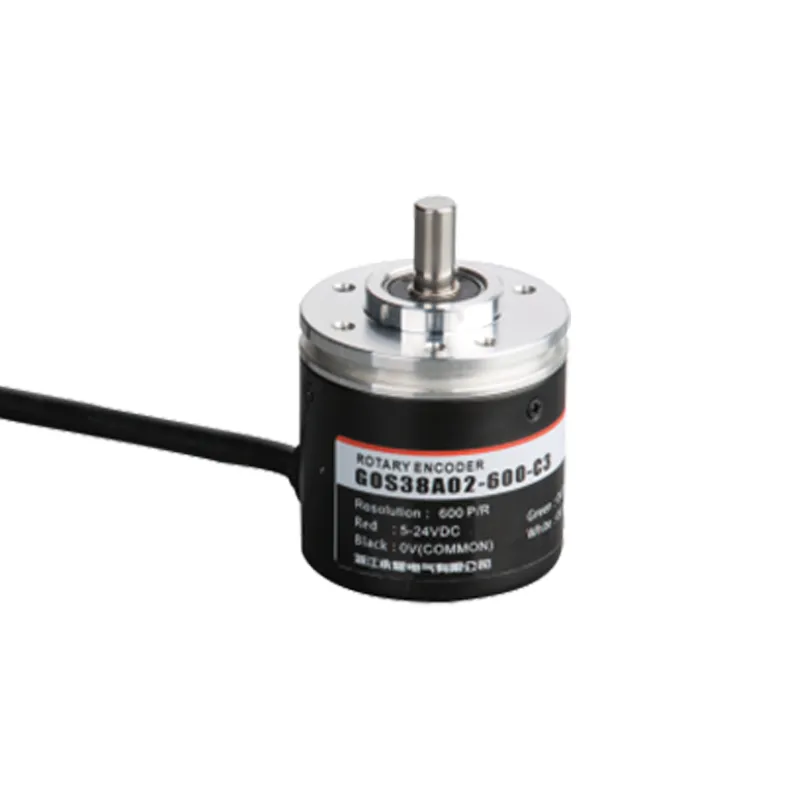
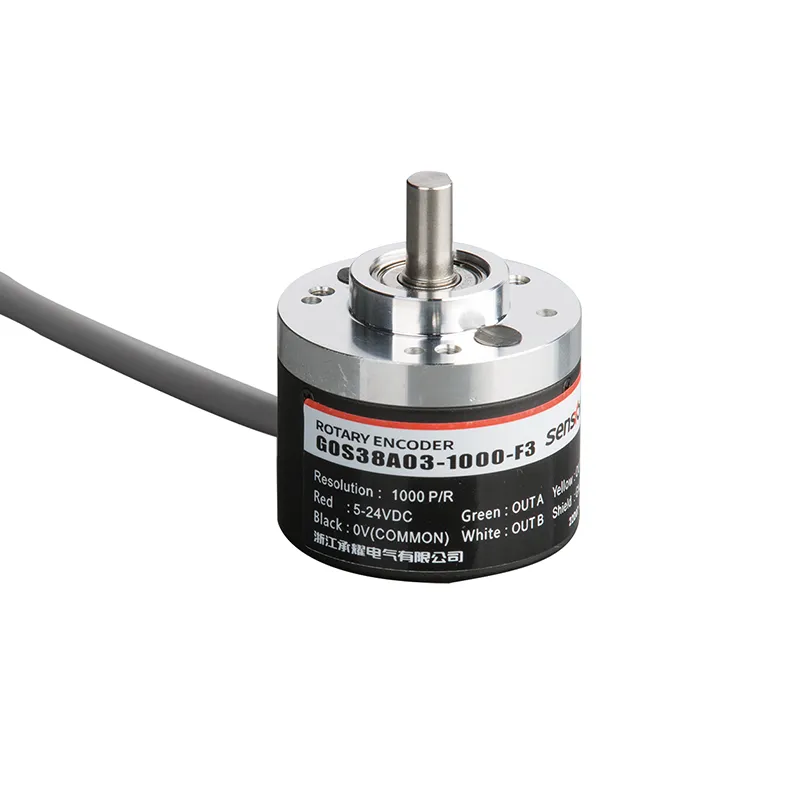
A position sensor is a device that detects and measures the position of an object. It converts movement—either linear or rotational—into an electrical signal that can be processed and interpreted. These sensors are widely used in modern systems, from simple gadgets to complex industrial machines.
In today’s fast-paced technological world, position sensors play a crucial role in ensuring accuracy, automation, and efficiency. Whether it’s in cars, robots, or smartphones, these sensors help systems understand “where things are.”
⚙️ What is a Position Sensor?
At its core, a position sensor tracks movement and translates it into readable data. This data can then be used by control systems to make decisions.
For example, when you press the accelerator in a car, a position sensor detects how far the pedal is pressed and sends that information to the engine control unit.
💡 Why Position Sensors Matter
Position sensors are essential because they:
Improve precision in machines
Enable automation in industries
Enhance safety systems
Reduce human error
Without them, many modern technologies would not function efficiently.
🔧 Types of Position Sensors
📏 Linear Position Sensors
These sensors measure movement in a straight line.
🔹 Potentiometers
Use resistive elements
Simple and cost-effective
Common in volume knobs and sliders
🔹 LVDT (Linear Variable Differential Transformer)
Highly accurate
Uses electromagnetic induction
Ideal for industrial applications
🔄 Rotary Position Sensors
These sensors measure rotational movement.
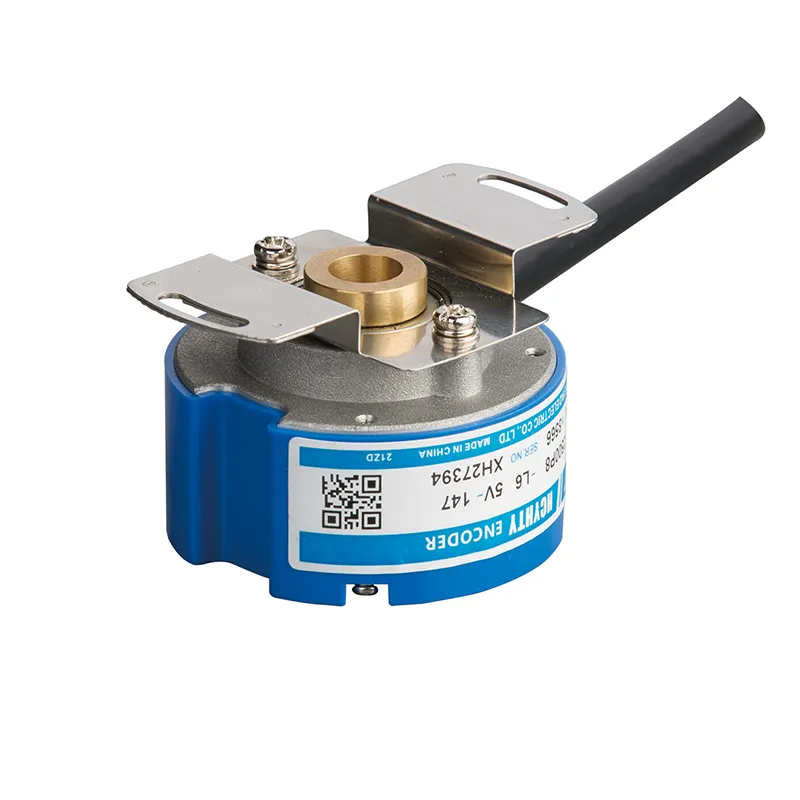
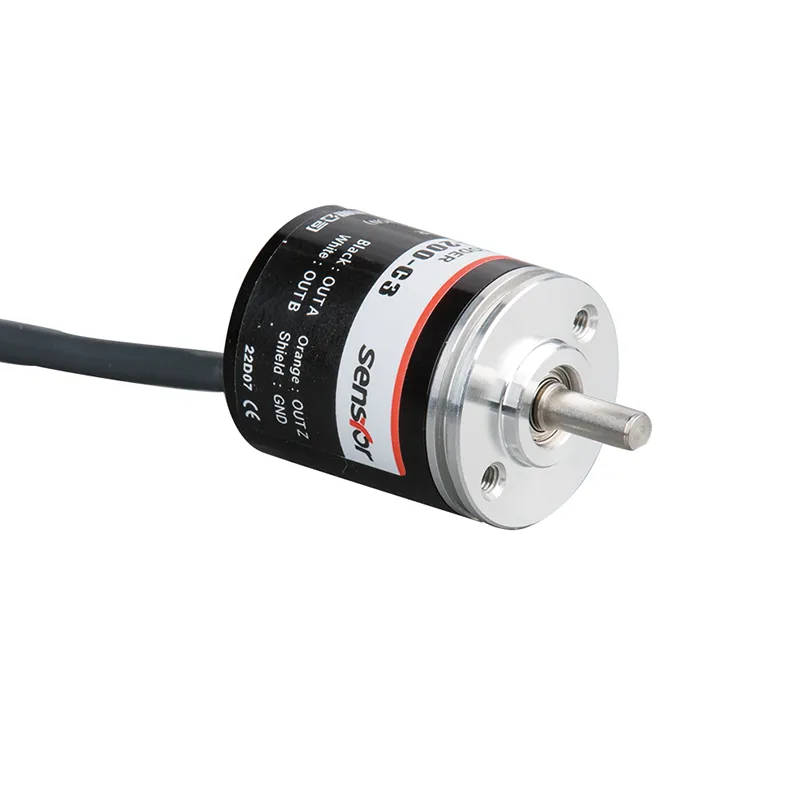
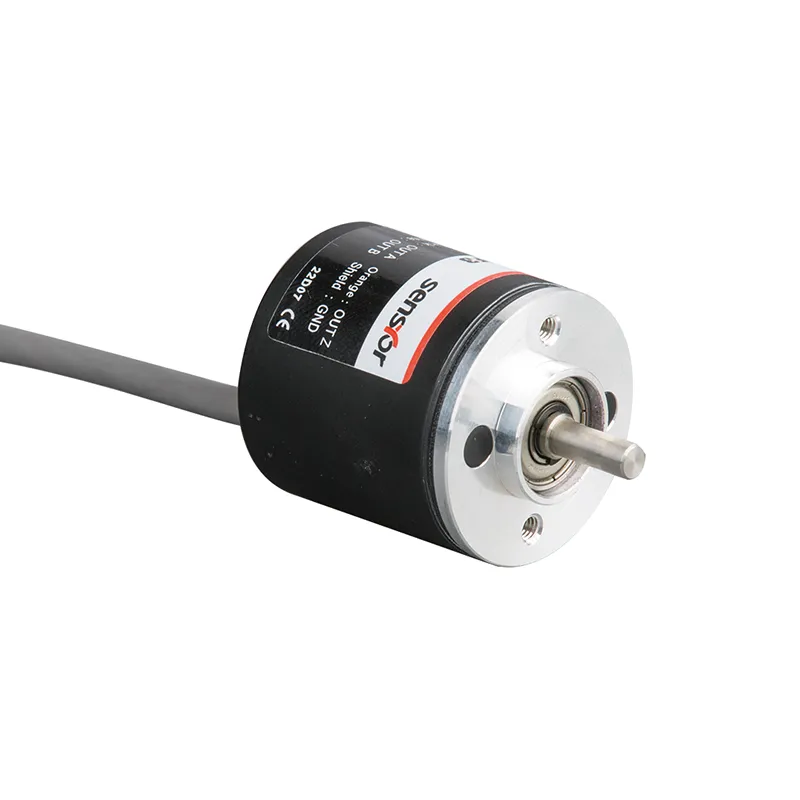
🔹 Encoders
Convert rotation into digital signals
Two types:
Incremental (relative position)
Absolute (exact position)
🔹 Resolvers
Extremely durable
Used in harsh environments like aerospace
⚙️ Working Principle of Position Sensor
Position sensors operate by detecting displacement and converting it into electrical signals.
🔗 Contact-Based Sensors
Require physical contact
Example: potentiometers
Pros: Simple
Cons: Wear and tear over time
📡 Non-Contact Sensors
Use magnetic, optical, or capacitive methods
Pros: Longer lifespan
Cons: More expensive
🧩 Key Components of Position Sensors
🔹 Sensing Element
This part detects the physical movement and converts it into a measurable signal.
🔹 Signal Processor
It processes the signal and converts it into a readable output, such as voltage or digital data.
🚀 Applications of Position Sensors
🚗 Automotive Industry
Throttle position sensing
Steering angle detection
Brake pedal monitoring
🏭 Industrial Automation
Robotics movement control
CNC machines
Assembly line automation
📱 Consumer Electronics
Touchscreens
Gaming controllers
Wearable devices
✅ Advantages of Position Sensors
🎯 Accuracy
They provide precise measurements, which is essential for automation and control systems.
🔒 Reliability
Modern sensors are durable and can operate in harsh environments.
⚠️ Limitations of Position Sensors
🌡️ Environmental Sensitivity
Extreme temperatures, dust, and moisture can affect performance.
💰 Cost Factors
High-precision sensors can be expensive, especially for industrial use.
🛒 Choosing the Right Position Sensor
📌 Application Needs
Consider whether you need linear or rotary sensing.
🌍 Environmental Conditions
Choose sensors that can withstand the environment they’ll operate in.
🔮 Future Trends in Position Sensor Technology
🌐 IoT Integration
Sensors are becoming smarter and connected, enabling real-time monitoring.
🤖 AI & Automation
Artificial intelligence is helping sensors predict failures and optimize performance.
❓ FAQs About Position Sensor
1. What is a position sensor used for?
It measures the position of an object and converts it into an electrical signal.
2. What are the main types of position sensors?
Linear and rotary sensors are the two primary types.
3. Are position sensors accurate?
Yes, especially advanced types like LVDTs and encoders.
4. Where are position sensors used?
They are used in automotive, industrial, and consumer electronics.
5. What is the difference between contact and non-contact sensors?
Contact sensors require physical touch, while non-contact sensors use magnetic or optical methods.
6. How do I choose the right position sensor?
Consider application, environment, accuracy, and budget.
🏁 Conclusion
The position sensor is a vital component in modern technology, enabling precision, automation, and efficiency across various industries. From simple devices to complex machinery, these sensors ensure everything operates smoothly and accurately.
As technology continues to evolve, position sensors will become even smarter, more reliable, and more integrated into everyday life. Investing time in understanding them today will pay off in the innovations of tomorrow.
📊 Comprehensive Outline for “CNC machine encoder” Heading Level Topic H1 CNC Machine Encoder: 15 Essential Insights for Precision H2 Introduction to CNC Machine Encoder H3 What is a CNC Machine Encoder H3 Importance in CNC Machining H2 How CNC Machine Encoder Works H3 Signal Conversion Process H3 Feedback and Control System H2 Types of […]
Introduction A 45mm encoder is one of the most widely used motion feedback devices in industrial automation, robotics, CNC machinery, packaging equipment, and conveyor systems. Designed to provide accurate position, speed, and rotational feedback, a 45mm encoder helps improve machine precision, productivity, and operational reliability. Whether you’re upgrading an existing production line or designing a […]
Finding the right custom rotary encoder OEM factory is important when a standard encoder does not fully match an OEM machine’s mechanical, electrical, or environmental requirements. A capable OEM factory should be able to discuss customization, provide technical documentation, support sample evaluation, and manufacture the agreed configuration consistently. Custom rotary encoders may be required for […]
We use cookies to enhance your browsing experience, serve personalised ads or content, and analyse our traffic. By clicking "Accept All", you consent to our use of cookies.