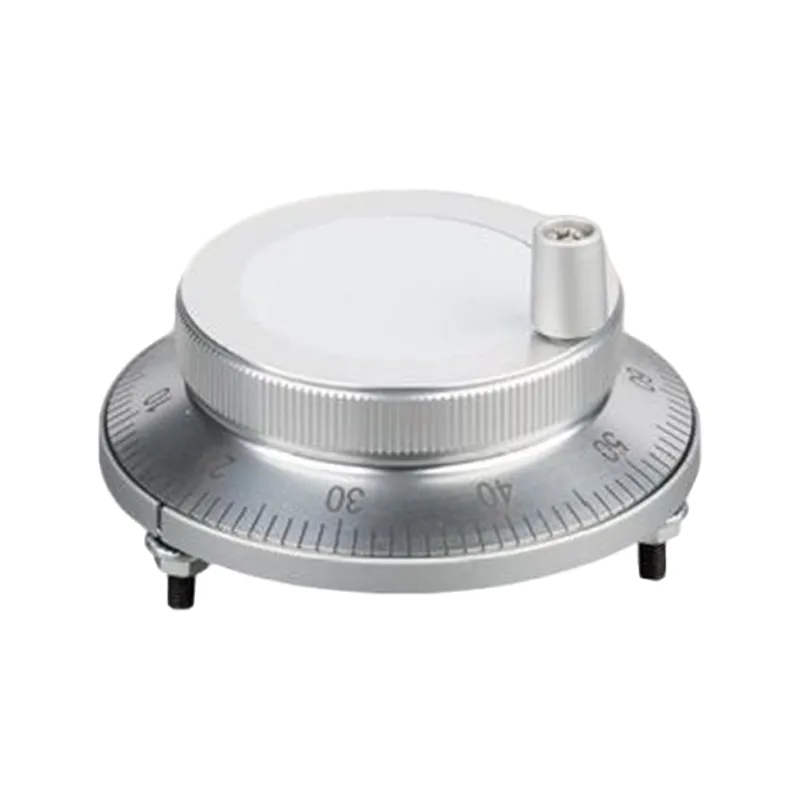
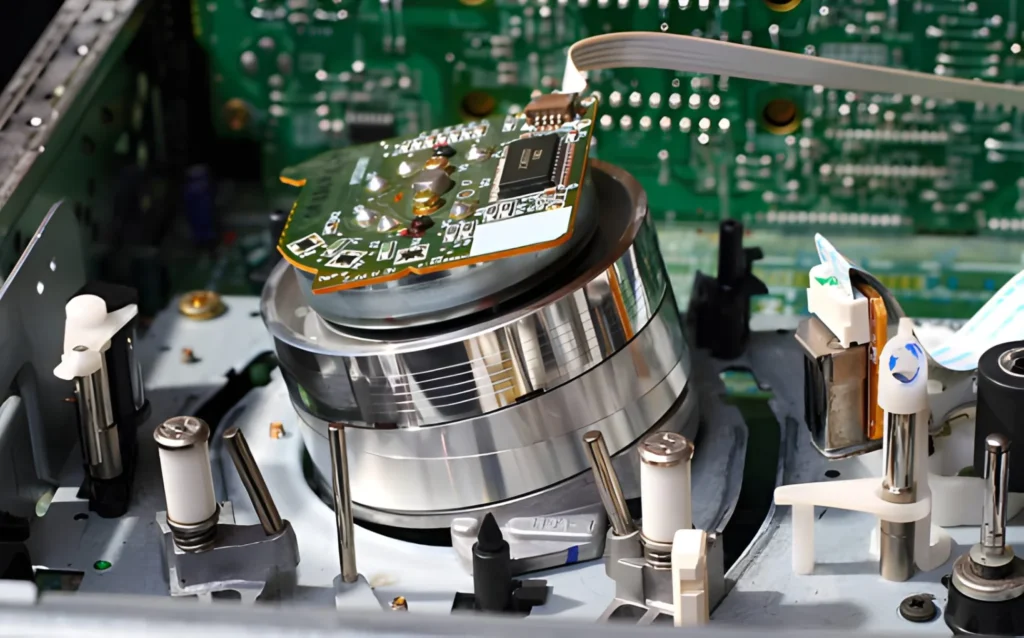
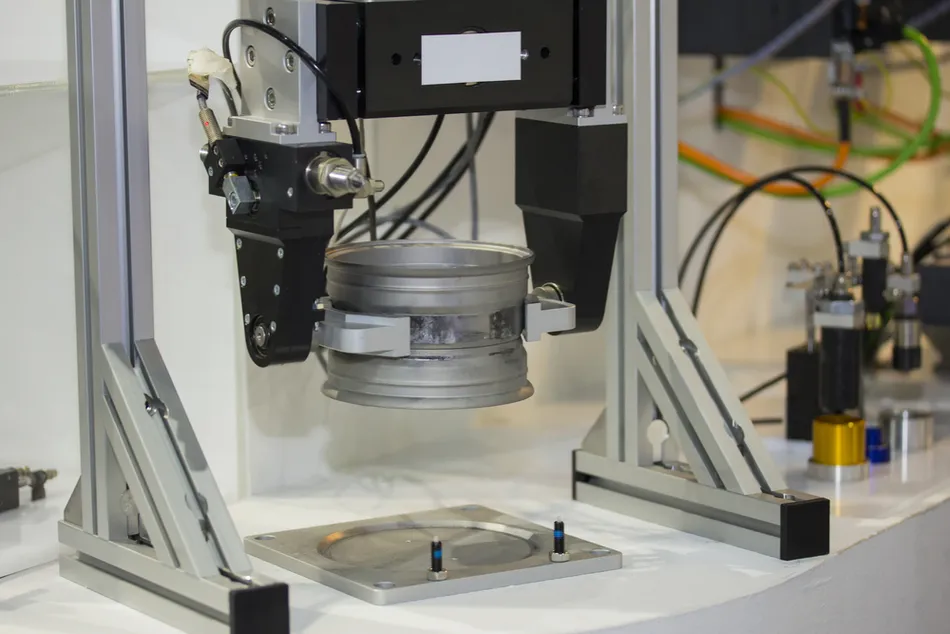
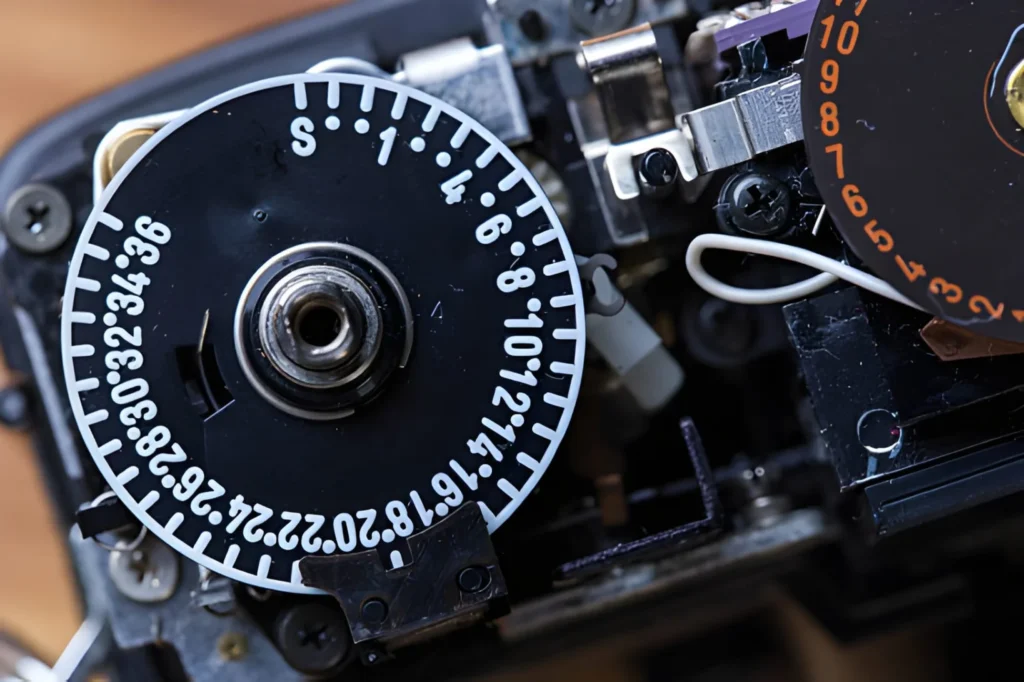
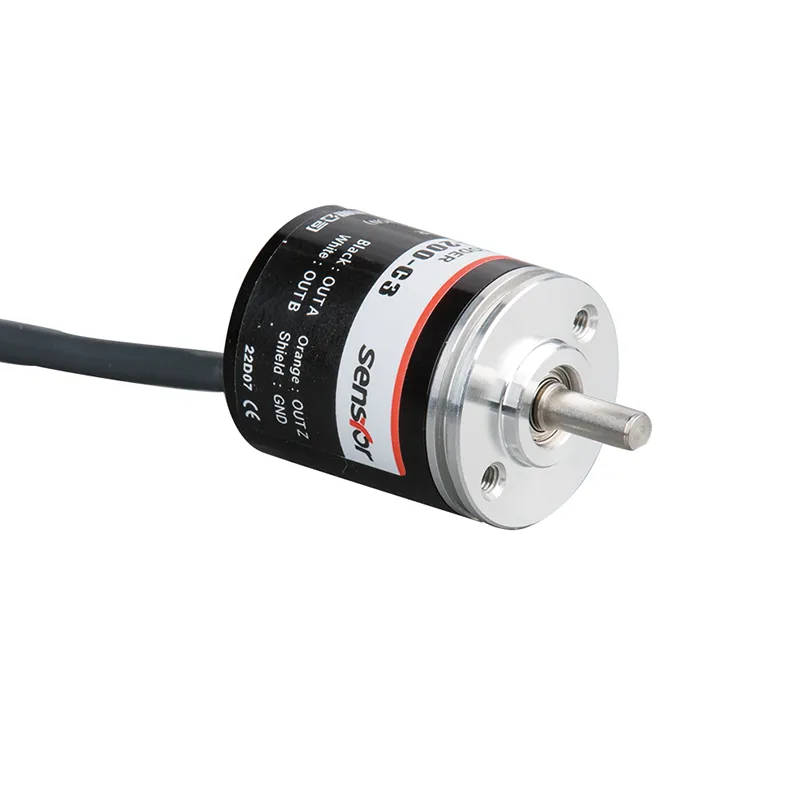
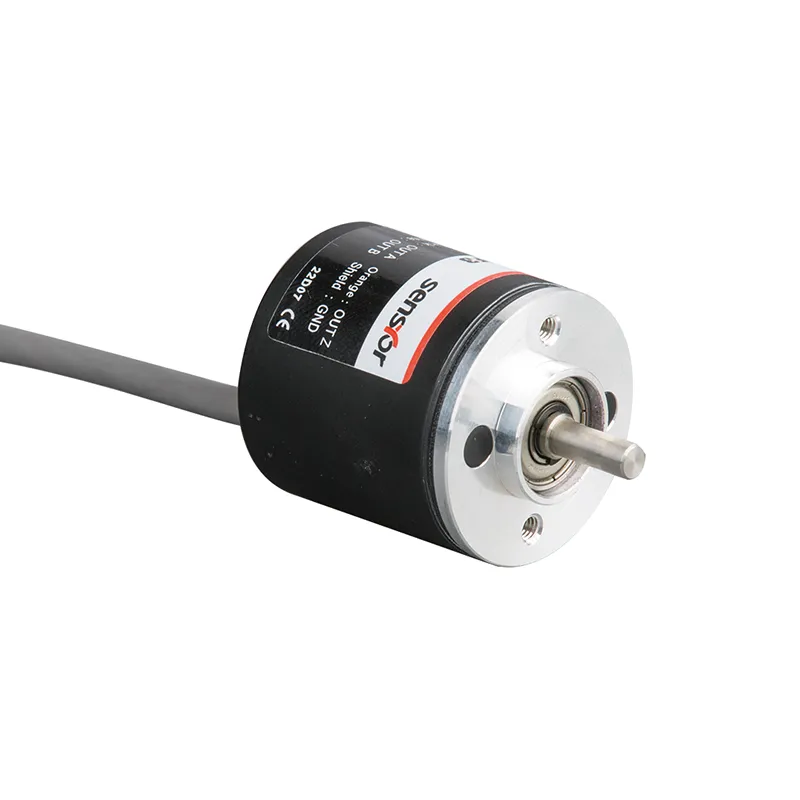
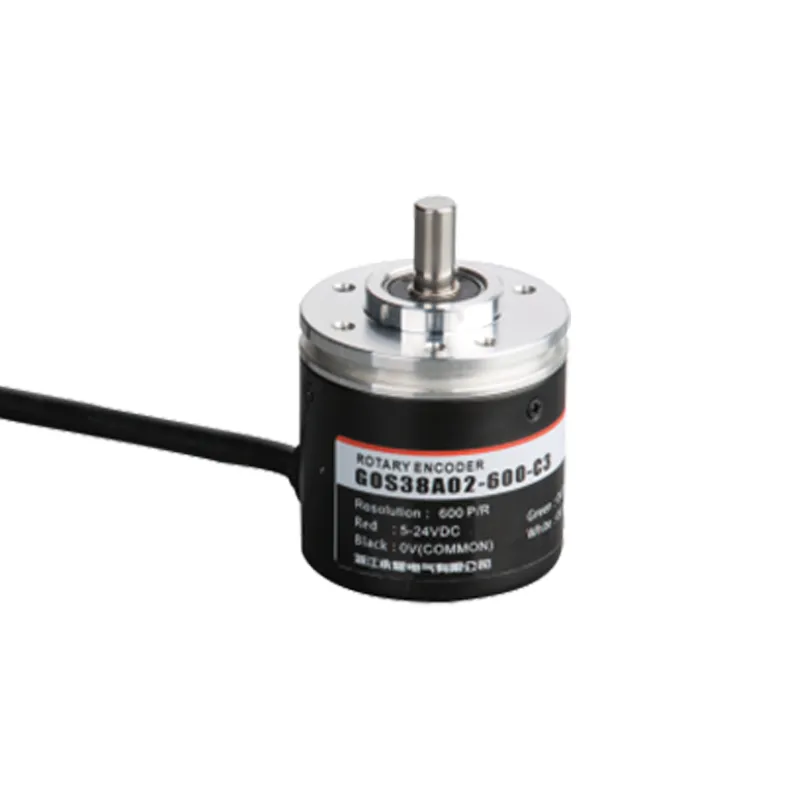
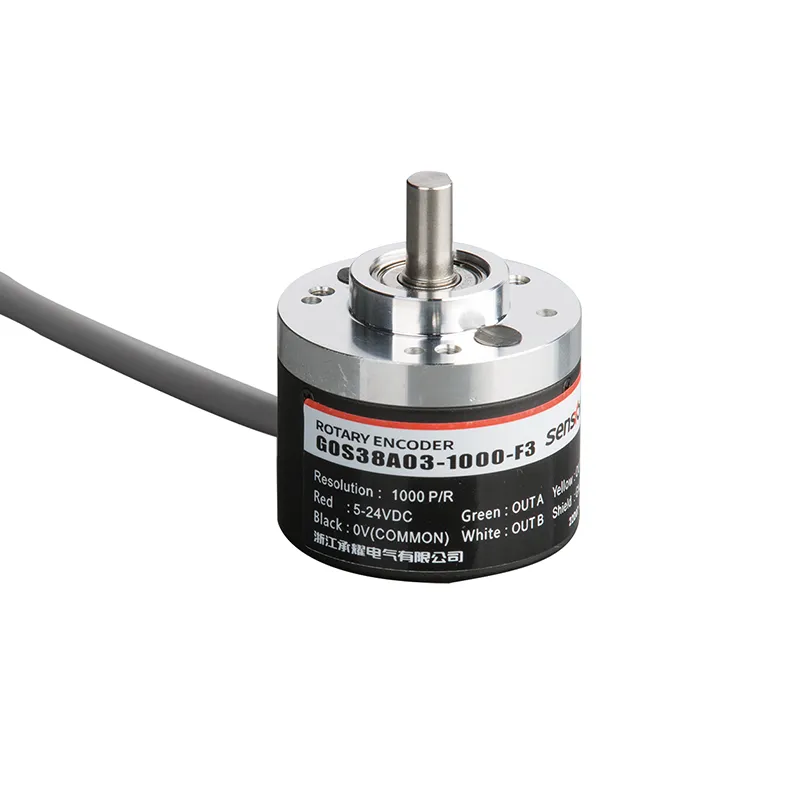
A magnetic encoder is a sensor device used to measure position, speed, and direction by detecting changes in a magnetic field. It converts mechanical motion into electrical signals, making it essential in modern automation systems.
Unlike optical encoders, which rely on light, a magnetic encoder uses magnetic fields, making it more durable and reliable in harsh environments. This technology has become a cornerstone in industries that require precision and resilience.
Importance in Modern Technology
Magnetic encoders are widely used in automation, robotics, and automotive industries. Their ability to function in dusty, wet, or high-vibration environments makes them ideal for real-world applications where traditional sensors may fail.
How a Magnetic Encoder Works
Basic Working Principle
At its core, a magnetic encoder operates by detecting changes in a magnetic field as a magnet rotates or moves linearly. These changes are captured by sensors and converted into electrical signals.
Magnetic Field Detection
The encoder uses magnetic sensors such as Hall-effect or magnetoresistive sensors. These sensors detect variations in magnetic flux and translate them into digital or analog signals.
Signal Processing
The detected signals are processed by internal electronics, which convert them into readable output such as pulses or digital codes. These outputs can then be interpreted by control systems.
Types of Magnetic Encoders
Incremental Magnetic Encoder
Incremental encoders provide relative position information. They generate pulses as the shaft rotates, allowing systems to calculate movement based on pulse count.
Key Features:
Cost-effective
Simple design
Requires a reference point
Absolute Magnetic Encoder
Absolute encoders provide exact position data even after power loss. Each position corresponds to a unique digital code.
Single-Turn vs Multi-Turn
Single-Turn: Measures position within one rotation
Multi-Turn: Tracks position across multiple rotations
Key Components of Magnetic Encoder
Magnetic Sensor
This is the core component that detects magnetic field changes. It determines the accuracy and resolution of the encoder.
Rotating Magnet
Attached to the moving shaft, the magnet generates the magnetic field that the sensor reads.
Signal Output Circuit
This component processes and transmits the signal to external systems, ensuring accurate data interpretation.
Advantages of Magnetic Encoder
Durability and Robustness
Magnetic encoders are highly durable. They can withstand shock, vibration, and extreme temperatures, making them ideal for industrial use.
Resistance to Environmental Factors
Unlike optical encoders, they are not affected by dust, oil, or moisture. This makes them suitable for outdoor and harsh environments.
Limitations of Magnetic Encoder
Accuracy Constraints
While magnetic encoders are reliable, they may not match the ultra-high precision of optical encoders in certain applications.
Sensitivity to Magnetic Interference
External magnetic fields can sometimes interfere with readings, requiring shielding or calibration.
Applications of Magnetic Encoder
Industrial Automation
Magnetic encoders are widely used in conveyor systems, CNC machines, and motor control systems.
Automotive Systems
They are used in:
Steering systems
Anti-lock braking systems (ABS)
Electric vehicle motors
Robotics and AI
Robots rely on magnetic encoders for precise motion control and positioning.
Consumer Electronics
Devices like printers, cameras, and gaming controllers use magnetic encoders for accurate input detection.
Magnetic Encoder vs Optical Encoder
Performance Comparison
Feature
Magnetic Encoder
Optical Encoder
Durability
High
Moderate
Accuracy
Good
Very High
محیط Resistance
Excellent
Poor
Cost and Maintenance
Magnetic encoders are generally more affordable and require less maintenance compared to optical encoders.
Installation and Maintenance Tips
Proper Alignment
Ensure correct alignment between the sensor and magnet to avoid signal errors.
Regular Calibration
Periodic calibration helps maintain accuracy and prevents drift over time.
Future Trends in Magnetic Encoder Technology
Integration with IoT
Magnetic encoders are increasingly being integrated with IoT systems for real-time monitoring and predictive maintenance.
Miniaturization and Smart Sensors
Advancements are leading to smaller, smarter encoders with enhanced capabilities and higher precision.
FAQs About Magnetic Encoder
1. What is a magnetic encoder used for?
A magnetic encoder is used to measure position, speed, and direction in machines and electronic systems.
2. How does a magnetic encoder differ from an optical encoder?
Magnetic encoders use magnetic fields, while optical encoders use light, making magnetic versions more durable.
3. Are magnetic encoders accurate?
Yes, they are accurate for most industrial applications, though slightly less precise than optical encoders.
4. Can magnetic encoders work in harsh environments?
Absolutely. They perform well in dust, moisture, and extreme temperatures.
5. What industries use magnetic encoders?
Industries include automotive, robotics, manufacturing, and consumer electronics.
6. Do magnetic encoders require maintenance?
They require minimal maintenance but benefit from periodic calibration.
Conclusion
The magnetic encoder is a powerful and reliable technology that plays a vital role in modern automation and control systems. Its durability, cost-effectiveness, and ability to operate in harsh conditions make it a preferred choice across multiple industries. While it may have some limitations in precision, ongoing advancements continue to improve its performance and expand its applications.
Table of Contents What is Encoder for CNC Machine An encoder for CNC machine is a precision feedback device that converts mechanical motion into electrical signals for CNC control systems. It measures position, speed, and direction of machine components such as spindle motors, servo motors, and axis drives. Modern CNC systems rely heavily on encoder […]
Table of Contents Introduction to 50mm Encoder Technology A 50mm encoder is a compact motion feedback device designed to measure rotational position, speed, and direction in industrial equipment. It plays an important role in automation systems where accurate control and reliable feedback are required. Modern manufacturing depends heavily on precise motion monitoring. Machines such as […]
In the fast-advancing world of industrial automation, precision and reliability are everything. Whether you’re designing a robotic arm, upgrading a CNC system, or integrating motion control into packaging machinery, choosing the right type of rotary encoder—absolute vs Incremental Encoders—can make a real difference. While both technologies measure rotation and position, they operate on different principles and […]
We use cookies to enhance your browsing experience, serve personalised ads or content, and analyse our traffic. By clicking "Accept All", you consent to our use of cookies.