38mm Encoder: 15 Smart Reasons to Choose This Compact Solution
H2
Introduction to 38mm Encoder
H3
What is a 38mm Encoder
H3
Why Size Matters in Encoder Design
H2
How a 38mm Encoder Works
H3
Signal Generation Basics
H3
Resolution and Accuracy
H2
Types of 38mm Encoder
H3
Optical Encoders
H3
Magnetic Encoders
H3
Incremental vs Absolute
H2
Key Components of 38mm Encoder
H3
Sensor Elements
H3
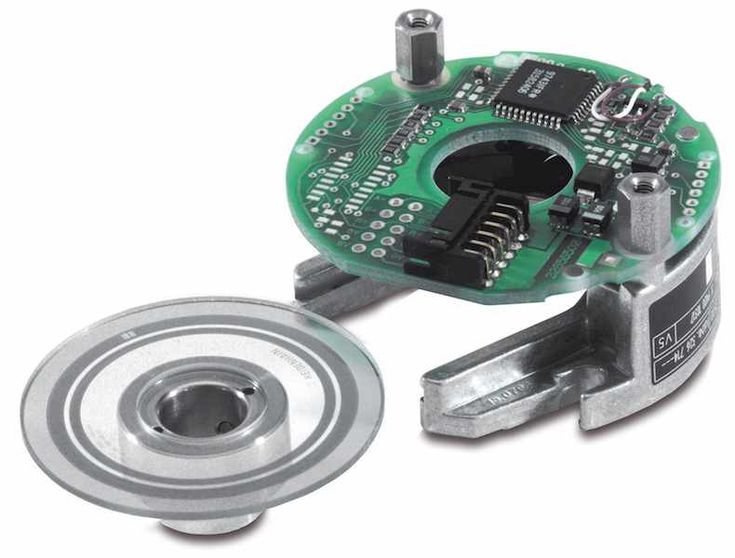
Code Disc
H3
Electronics
H2
Applications of 38mm Encoder
H3
Robotics
H3
Industrial Automation
H3
Packaging Machines
H2
Benefits of Using 38mm Encoder
H3
Compact Design
H3
High Accuracy
H3
Easy Integration
H2
Limitations of 38mm Encoder
H3
Size Constraints
H3
Environmental Factors
H2
38mm Encoder vs Larger Encoders
H3
Performance Comparison
H3
Cost Efficiency
H2
Installation Tips
H3
Mounting and Alignment
H3
Wiring Considerations
H2
Maintenance Guidelines
H3
Cleaning and Calibration
H3
Troubleshooting
H2
Future Trends in Encoder Technology
H3
Miniaturization
H3
Smart Encoders
H2
Buying Guide
H3
Key Features to Consider
H3
Choosing the Right Model
H2
FAQs
H2
Conclusion
Introduction to 38mm Encoder
What is a 38mm Encoder
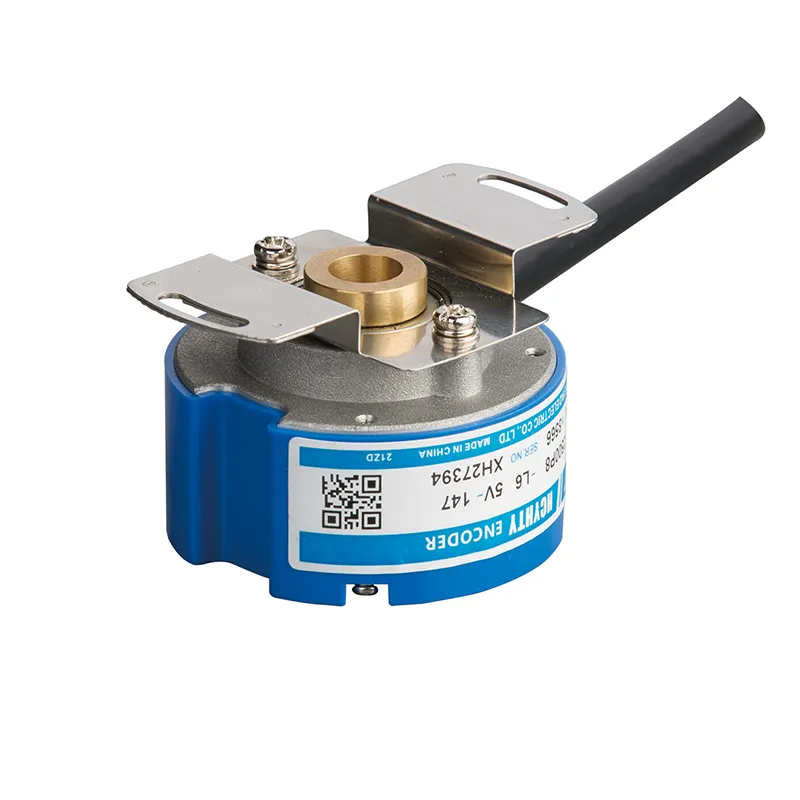
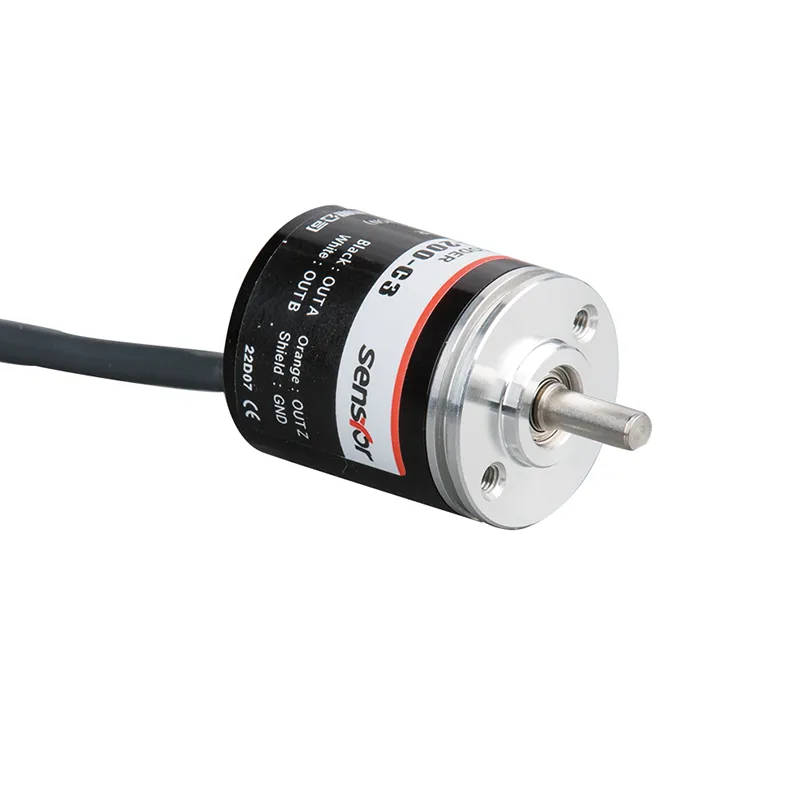
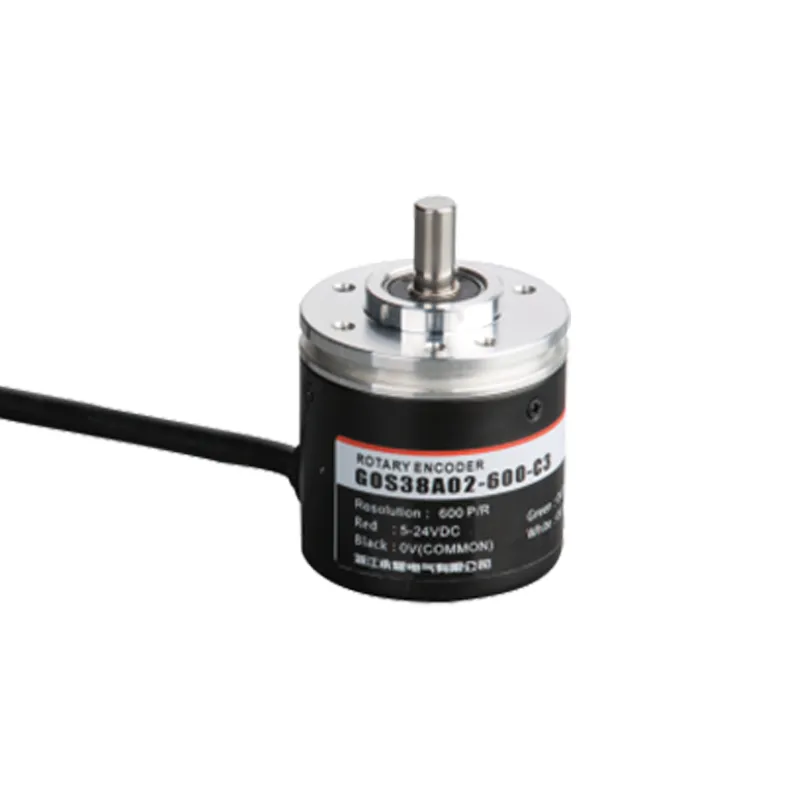
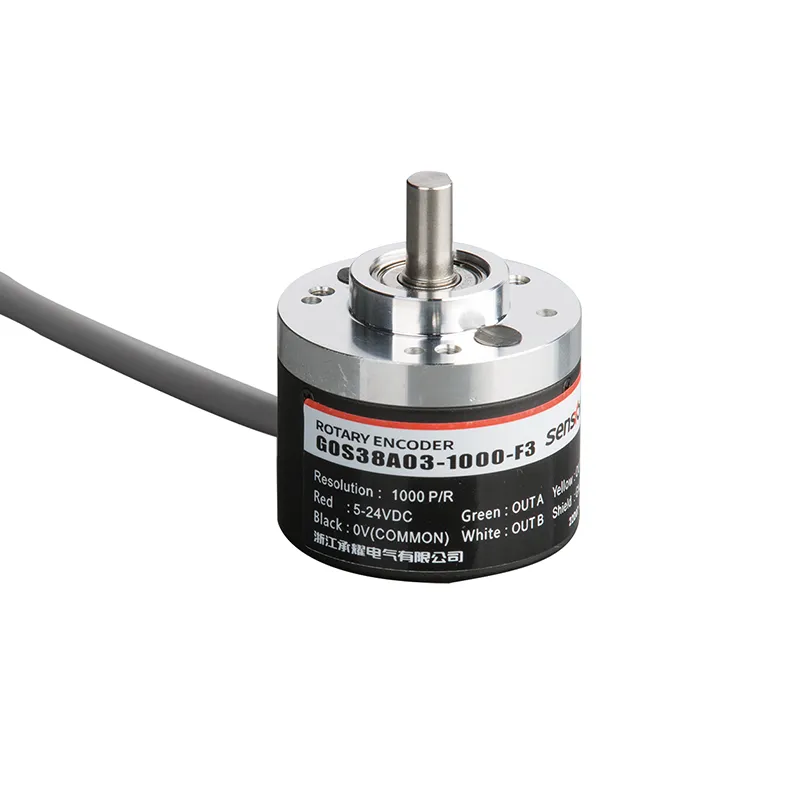
A 38mm encoder is a compact rotary encoder with a 38mm diameter housing, designed to measure position, speed, and direction in motion control systems. Its small size makes it ideal for applications where space is limited but precision is still critical.
The 38mm encoder is commonly used in robotics, automation, and compact machinery due to its balance of size, accuracy, and performance.
Why Size Matters in Encoder Design
In modern equipment, space efficiency is key. A 38mm encoder allows engineers to design smaller, lighter systems without sacrificing performance. This is especially useful in portable devices and tight mechanical assemblies.
How a 38mm Encoder Works
Signal Generation Basics
A 38mm encoder converts mechanical motion into electrical signals. As the shaft rotates, internal sensors detect movement and generate pulses or digital signals.
Resolution and Accuracy
Higher resolution means more precise measurements. A well-designed 38mm encoder can deliver high accuracy despite its compact size, making it suitable for demanding applications.
Types of 38mm Encoder
Optical Encoders
Use light beams for detection
Provide high precision
Sensitive to dust
Magnetic Encoders
Use magnetic fields
More durable in harsh environments
Slightly lower precision
Incremental vs Absolute
Type
Description
Incremental
Tracks relative movement
Absolute
Provides exact position
Key Components of 38mm Encoder
Sensor Elements
Detect motion and generate signals.
Code Disc
Contains patterns used to determine position.
Electronics
Processes signals and outputs data to controllers.
Applications of 38mm Encoder
Robotics
A 38mm encoder ensures accurate positioning in robotic arms and automated systems.
Industrial Automation
Used in conveyor systems, motors, and production lines.
Packaging Machines
Provides precise control for high-speed packaging operations.
Benefits of Using 38mm Encoder
Compact Design
The small size of a 38mm encoder makes it ideal for space-constrained applications.
High Accuracy
Despite its size, it delivers reliable and precise measurements.
Easy Integration
A 38mm encoder is easy to install and integrate into existing systems.
Limitations of 38mm Encoder
Size Constraints
Smaller size may limit certain features compared to larger encoders.
Environmental Factors
Dust, heat, and vibration can affect performance.
38mm Encoder vs Larger Encoders
Performance Comparison
Larger encoders may offer higher resolution, but a 38mm encoder provides a strong balance between size and performance.
Cost Efficiency
A 38mm encoder is often more cost-effective for compact systems.
Installation Tips
Mounting and Alignment
Proper alignment ensures accurate readings and longer lifespan.
Wiring Considerations
Use shielded cables to reduce electrical noise.
Maintenance Guidelines
Cleaning and Calibration
Regular maintenance improves performance and reliability.
Troubleshooting
Check connections and alignment if issues occur.
Future Trends in Encoder Technology
Miniaturization
Encoders are becoming smaller while maintaining performance.
Smart Encoders
Integration with IoT and AI is making encoders more intelligent.
Buying Guide
Key Features to Consider
Resolution
Output type
Environmental rating
Durability
Choosing the Right Model
Select a 38mm encoder based on your specific application needs and operating conditions.
A 38mm encoder is used for measuring position and motion in compact systems.
2. Is a 38mm encoder accurate?
Yes, it provides high accuracy suitable for most industrial applications.
3. Where is a 38mm encoder commonly used?
In robotics, automation, and packaging machinery.
4. What is the difference between optical and magnetic types?
Optical offers higher precision, while magnetic is more durable.
5. Can a 38mm encoder work in harsh environments?
Magnetic versions are better suited for harsh conditions.
6. How do I choose the right 38mm encoder?
Consider resolution, environment, and compatibility.
Conclusion
The 38mm encoder is a powerful and compact solution for modern motion control systems. It combines precision, efficiency, and flexibility, making it ideal for a wide range of applications.
Whether you’re designing a robotic system or upgrading industrial equipment, a 38mm encoder offers the perfect balance between size and performance.
10000PPR encoder technology is widely used in modern automation systems that require extremely accurate motion feedback. With 10,000 pulses generated per revolution, a 10000PPR encoder provides exceptional precision for position, speed, and direction measurement. Table of Contents What Is a 10000PPR Encoder A 10000PPR encoder is a high-resolution rotary encoder capable of generating 10,000 output […]
Introduction to Industrial Position Sensor Manufacturer An industrial position sensor manufacturer plays an important role in modern automation systems by providing accurate sensing solutions for machines, robots, production lines, and industrial equipment. As factories continue moving toward smart manufacturing, reliable position detection has become essential. Industrial companies require sensors that can operate under demanding conditions […]
Comprehensive Outline Heading Level Topic H1 Through-Hole Encoder: 15 Essential Insights for Accurate and Efficient Motion Control H2 Introduction to Through-Hole Encoder H3 What is a Through-Hole Encoder? H3 Importance in Modern Automation H2 Working Principle of Through-Hole Encoder H3 How It Operates H4 Optical vs Magnetic Technology H3 Signal Output Types H2 Types of […]
We use cookies to enhance your browsing experience, serve personalised ads or content, and analyse our traffic. By clicking "Accept All", you consent to our use of cookies.