Heavy Duty Encoder: 15 Powerful Benefits for Industrial Performance
H2
Introduction to Industrial Encoders
H2
What Makes an Encoder “Heavy Duty”
H2
Working Principle Explained
H2
Types of Industrial Encoders
H2
Key Components and Build Quality
H2
Applications in Modern Industries
H2
Advantages in Harsh Environments
H2
Limitations and Considerations
H2
Comparison with Standard Encoders
H2
Installation Best Practices
H2
Maintenance and Longevity Tips
H2
Future Trends and Innovations
H2
Buying Guide and Selection Tips
H2
FAQs
H2
Conclusion
Introduction to Industrial Encoders
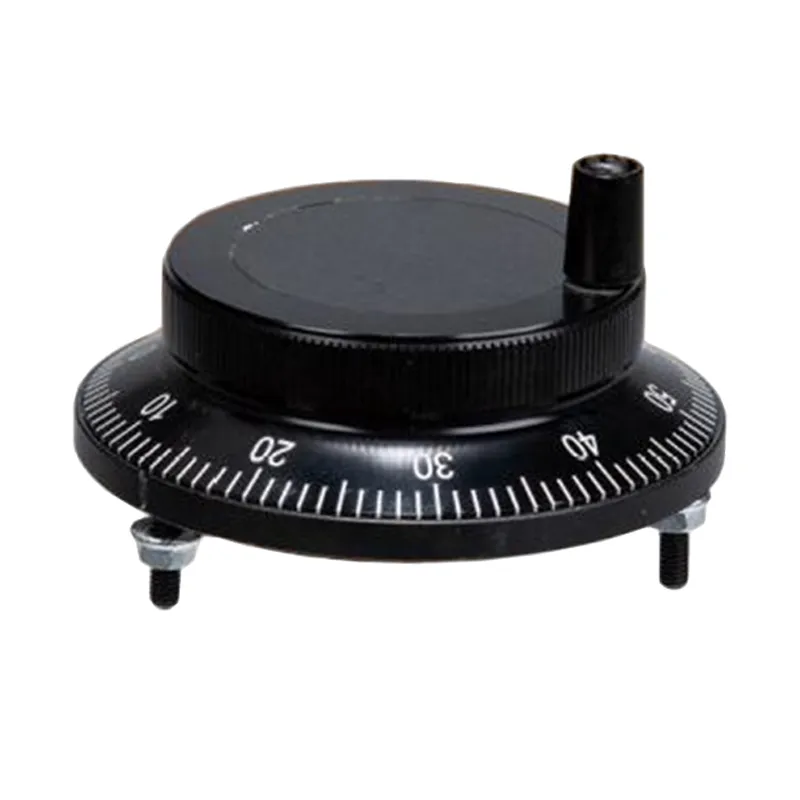
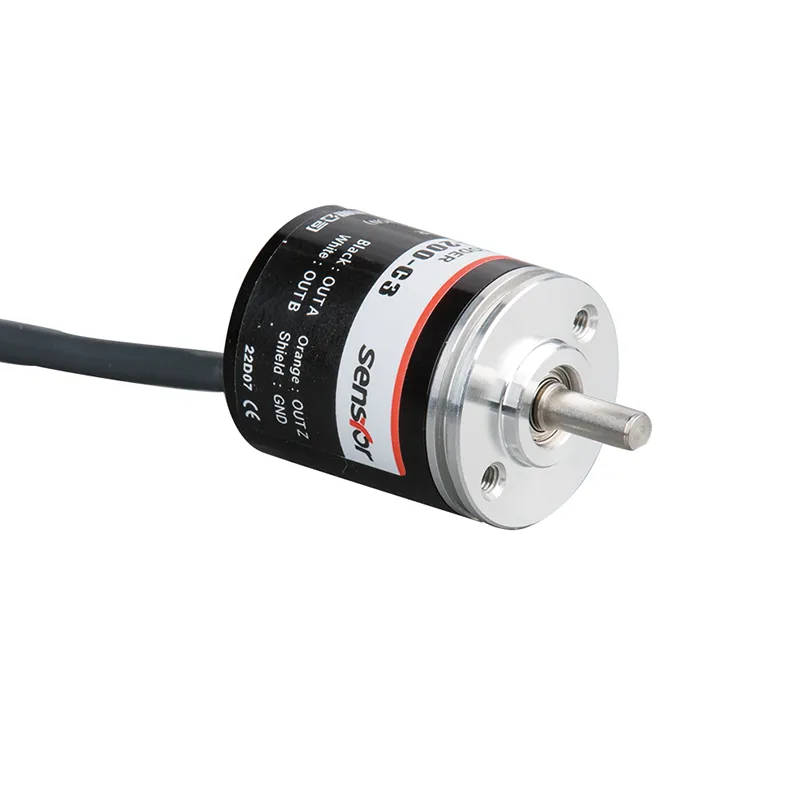
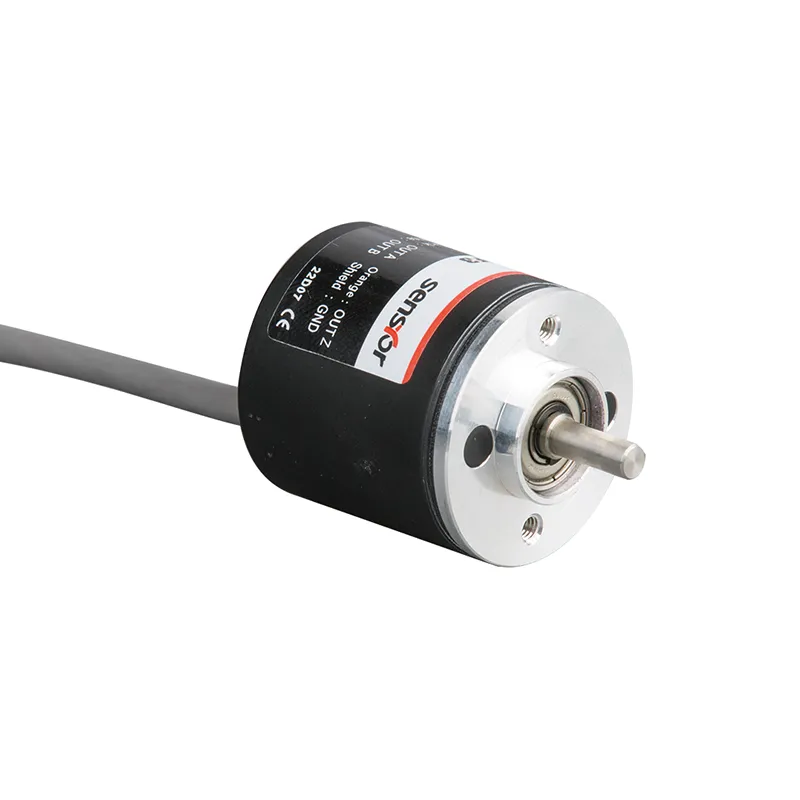
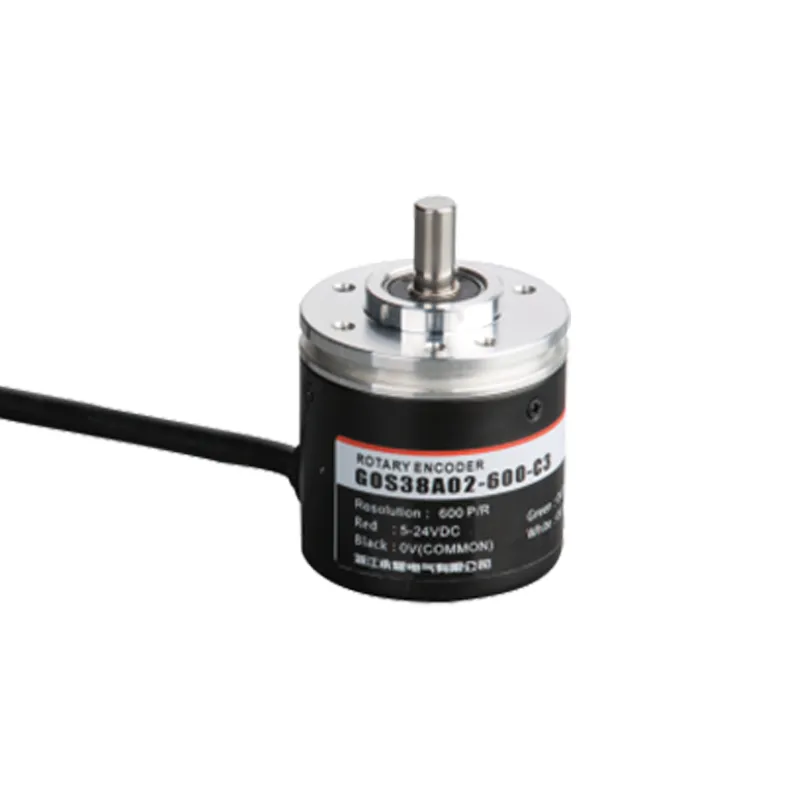
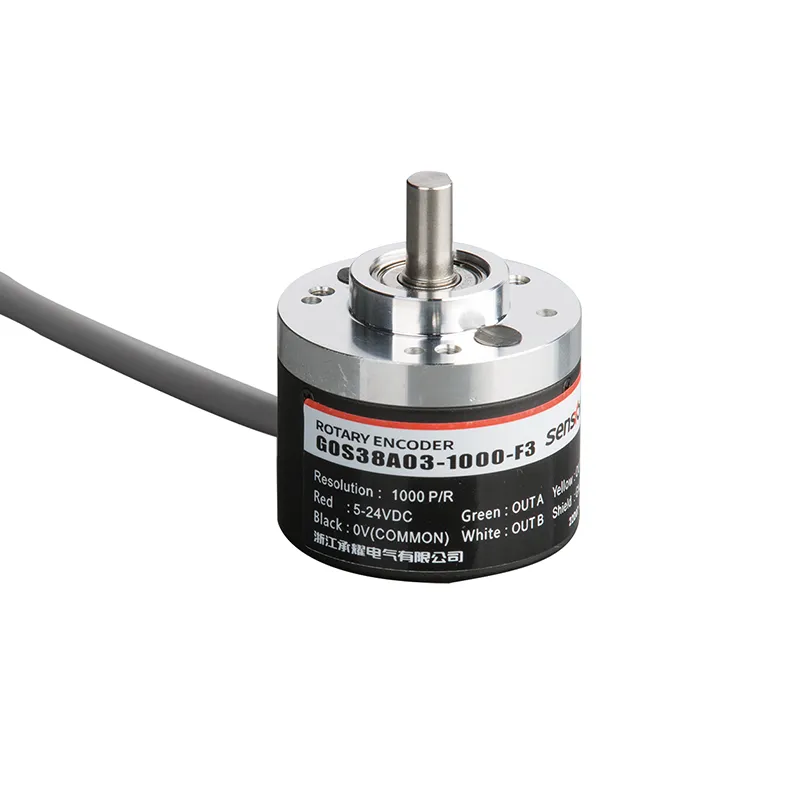
A heavy duty encoder is designed to operate reliably in extreme industrial environments where standard encoders would fail. From steel plants to mining operations, these devices provide accurate motion feedback under harsh conditions such as dust, vibration, moisture, and high temperatures.
In modern automation, a heavy duty encoder plays a critical role in maintaining system precision while ensuring durability and long-term performance.
What Makes an Encoder “Heavy Duty”
Not all encoders are built the same. A heavy duty encoder stands out due to its rugged construction and enhanced protection features.
Key Characteristics
Reinforced housing (metal or stainless steel)
High resistance to shock and vibration
Sealed design for dust and water protection (IP-rated)
Extended temperature tolerance
These features make a heavy duty encoder ideal for demanding industrial environments.
Working Principle Explained
A heavy duty encoder functions by converting mechanical motion into electrical signals that control systems can interpret.
Signal Generation
The encoder detects rotational or linear motion and generates electrical pulses.
Feedback Loop
These signals are sent to a controller, which adjusts machine operations in real time.
Despite its rugged design, the working principle of a heavy duty encoder remains similar to standard encoders but with enhanced reliability.
Types of Industrial Encoders
Optical-Based Models
High accuracy
Sensitive to contamination
Magnetic-Based Models
Ideal for harsh conditions
Resistant to dust and vibration
Incremental vs Absolute
Type
Description
Incremental
Tracks relative movement
Absolute
Provides exact position
A heavy duty encoder can be available in both types depending on the application.
Key Components and Build Quality
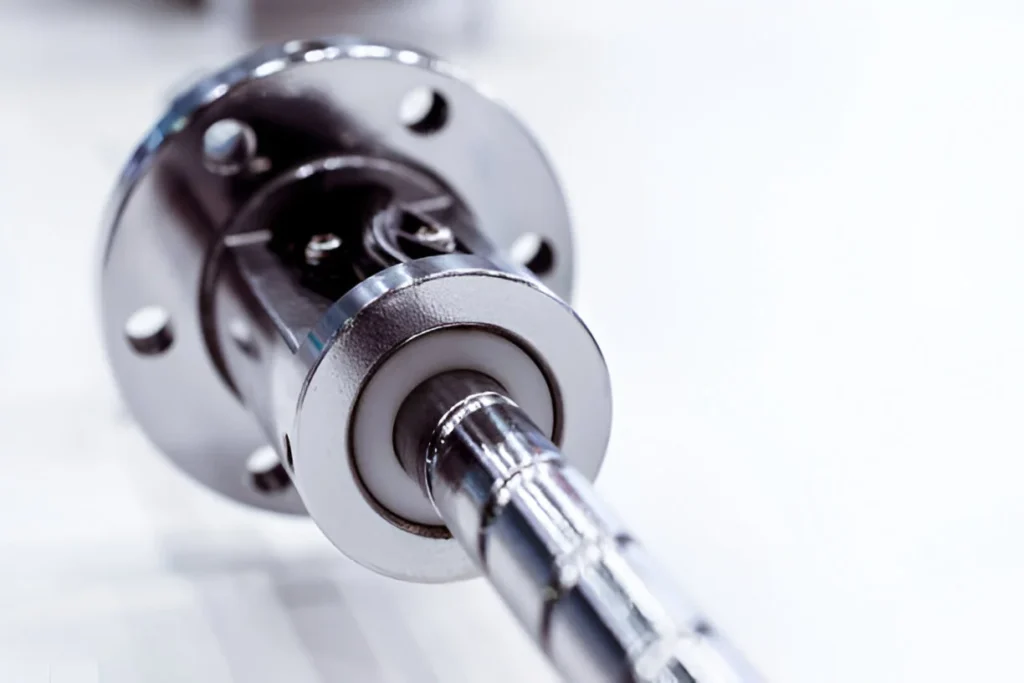
The durability of a heavy duty encoder depends on its internal and external components:
Shaft and bearings
Protective housing
Sealing system
Signal processing electronics
High-quality materials ensure the encoder performs consistently under stress.
Applications in Modern Industries
Mining Operations
A heavy duty encoder is essential for monitoring conveyor belts and drilling systems.
Steel Manufacturing
Used in high-temperature environments to track movement and positioning.
Oil and Gas Industry
Handles extreme pressure and hazardous conditions.
Automation Systems
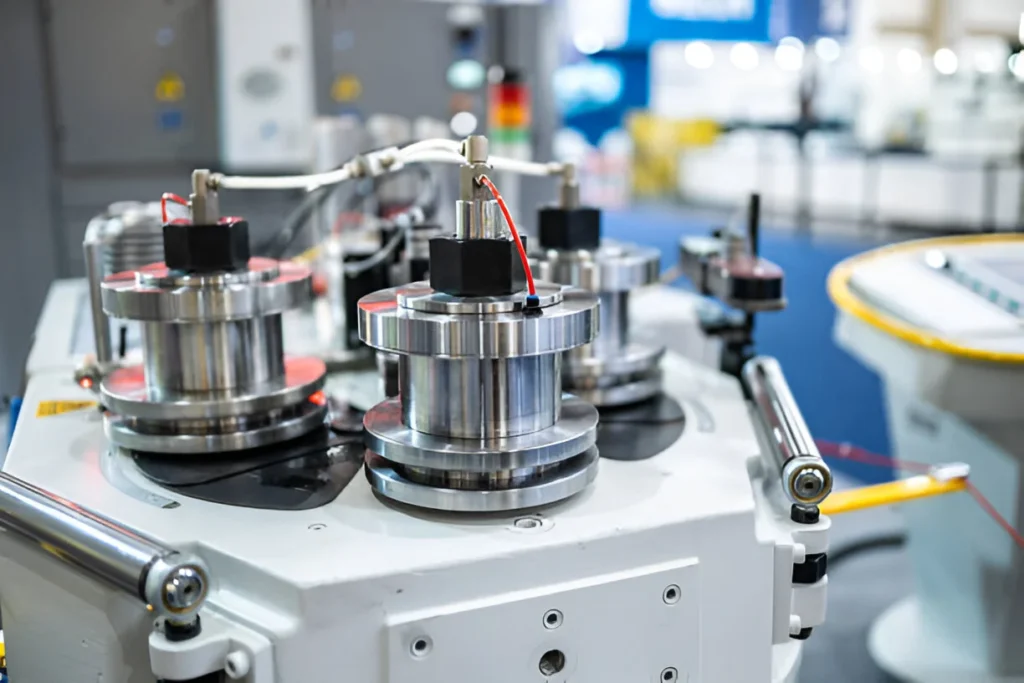
Ensures precise control in robotic and automated processes.
Advantages in Harsh Environments
Durability
A heavy duty encoder is built to last even in extreme conditions.
Reliability
Maintains accurate readings despite environmental challenges.
Reduced Downtime
Minimizes system failures and maintenance interruptions.
Limitations and Considerations
Higher Cost
A heavy duty encoder is more expensive due to its robust design.
Installation Complexity
Requires careful setup to ensure optimal performance.
Comparison with Standard Encoders
Feature
Heavy Duty Encoder
Standard Encoder
Durability
Very High
Moderate
Environment
Harsh
Controlled
Cost
Higher
Lower
Installation Best Practices
Ensure proper alignment
Use secure mounting
Protect cables from damage
Correct installation improves the lifespan of a heavy duty encoder.
Maintenance and Longevity Tips
Regular inspection
Clean external surfaces
Monitor signal output
Proper care ensures long-term efficiency.
Future Trends and Innovations
Modern encoders are evolving with:
Smart diagnostics
IoT integration
Improved materials
A next-generation heavy duty encoder will offer even better performance and connectivity.
It is used for motion control in harsh industrial environments.
2. Why choose a heavy duty encoder?
Because it offers durability and reliability under extreme conditions.
3. Are heavy duty encoders waterproof?
Many models are designed with high IP ratings for water resistance.
4. How long do they last?
They typically last longer than standard encoders due to rugged design.
5. Can they be used in high temperatures?
Yes, they are built to withstand extreme temperatures.
6. Are they worth the cost?
Yes, especially in environments where failure is not an option.
Conclusion
A heavy duty encoder is a vital component for industries that demand durability, precision, and reliability. Its rugged design ensures consistent performance even in the harshest environments.
Investing in the right heavy duty encoder not only improves system efficiency but also reduces downtime and long-term costs.
📊 Comprehensive Outline for “encoder manufacturer” Heading Level Topic H1 Encoder Manufacturer: 12 Key Factors to Choose the Best Partner H2 Introduction to Encoder Manufacturer H3 What Does an Encoder Manufacturer Do H3 Importance in Automation Industry H2 Types of Encoders Produced by Manufacturers H3 Optical Encoders H3 Magnetic Encoders H3 Absolute and Incremental Encoders […]
he GOH38AO1 38mm slim 10000P/R rotary encoder is a compact rotary encoder configuration identified by the supplied model name, 38mm slim design, and 10,000 pulses-per-revolution specification. Its compact form can be relevant to industrial machines where installation space is limited while high-resolution rotational feedback is required. A rotary encoder converts shaft rotation into an electrical […]
📊 Comprehensive Outline for “Koyo encoder replacement” Heading Level Topic H1 Koyo Encoder Replacement: 15 Expert Tips for Fast Upgrade H2 Introduction to Koyo encoder replacement H3 What is Koyo encoder replacement H3 Why replacement is necessary H2 Signs You Need a Koyo encoder replacement H3 Performance issues H3 Signal errors H2 Types of encoders […]
We use cookies to enhance your browsing experience, serve personalised ads or content, and analyse our traffic. By clicking "Accept All", you consent to our use of cookies.