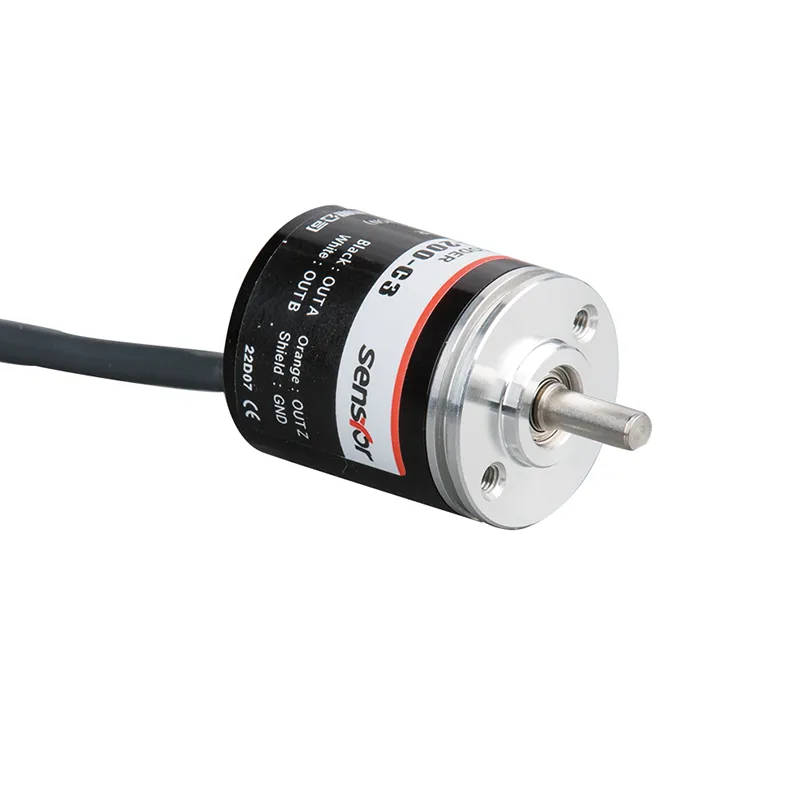
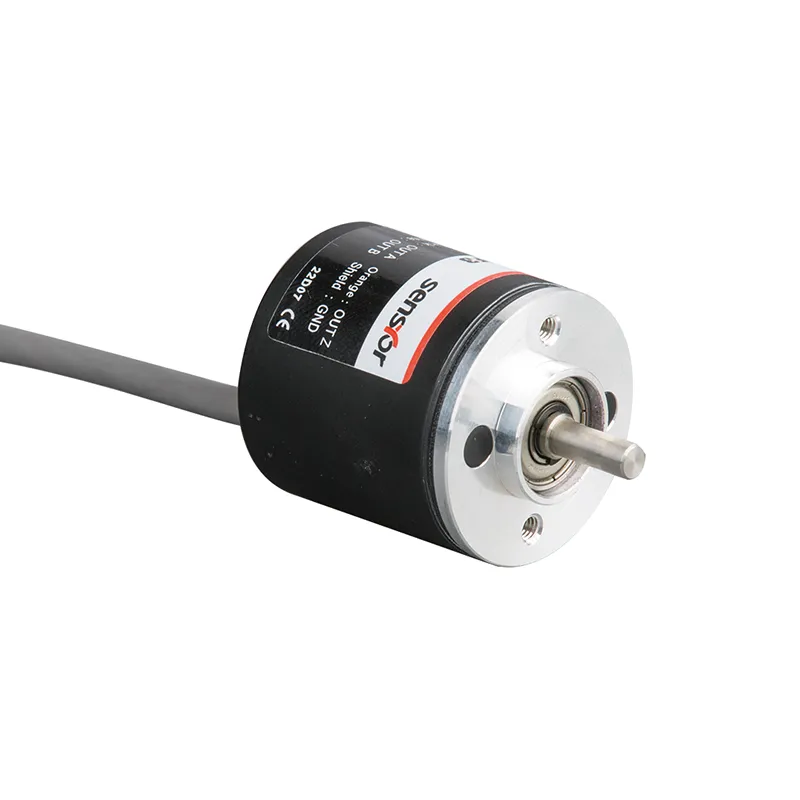
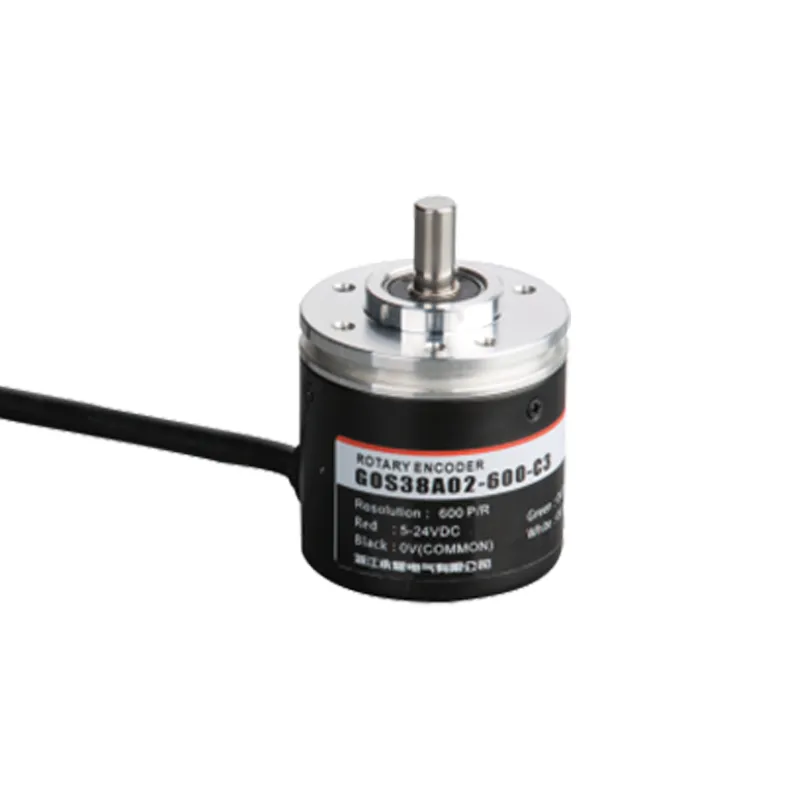
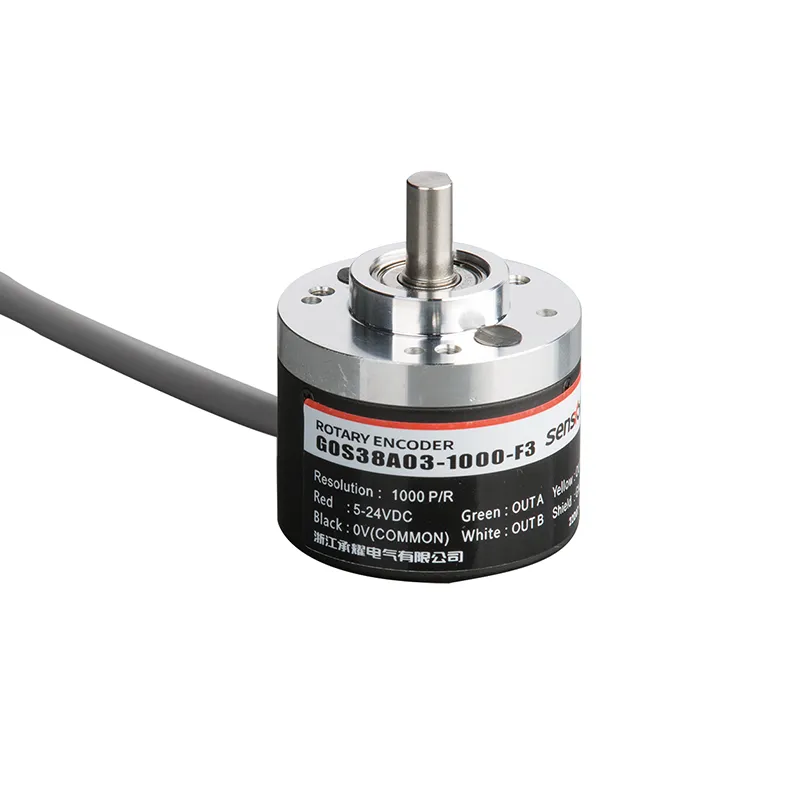
A 10000PPR encoder is a high-resolution rotary encoder that produces 10,000 pulses per revolution, enabling extremely precise position and speed measurement. This makes it ideal for applications where accuracy and fine control are critical, such as robotics, CNC machining, and advanced automation systems.
With increasing demand for precision, the 10000PPR encoder has become a preferred choice for engineers who require detailed motion feedback and consistent performance.
Understanding High-Resolution Encoder Performance
Resolution plays a key role in determining how accurately motion can be tracked.
What 10000 PPR Means
10,000 pulses per full rotation
High positional accuracy
Smooth motion tracking
A 10000PPR encoder provides significantly more detail than lower-resolution alternatives, making it suitable for demanding applications.
Working Principle of 10000PPR Encoder
A 10000PPR encoder converts mechanical motion into electrical signals that a controller can interpret.
Signal Generation Mechanism
Optical or magnetic sensing elements detect rotation and generate pulse signals.
Position and Speed Calculation
The control system processes pulses to determine position, direction, and velocity with high precision.
Types of High-Resolution Encoders
Incremental Encoder Systems
Provide pulse outputs based on movement and are widely used in industrial automation.
Absolute Encoder Systems
Deliver exact position data even after power loss, making them ideal for critical systems.
Key Components in Encoder Design
A typical 10000PPR encoder includes:
Code disc or magnetic ring
Sensor array
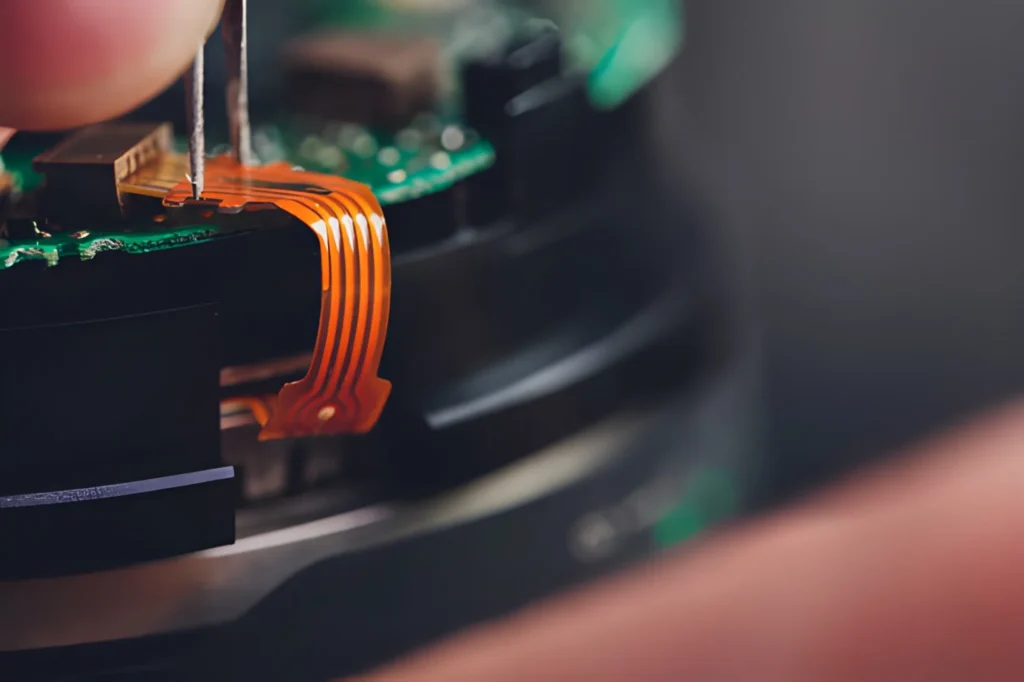
Signal processing electronics
These components work together to ensure accurate and reliable data output.
Applications of 10000PPR Encoder
Precision Robotics
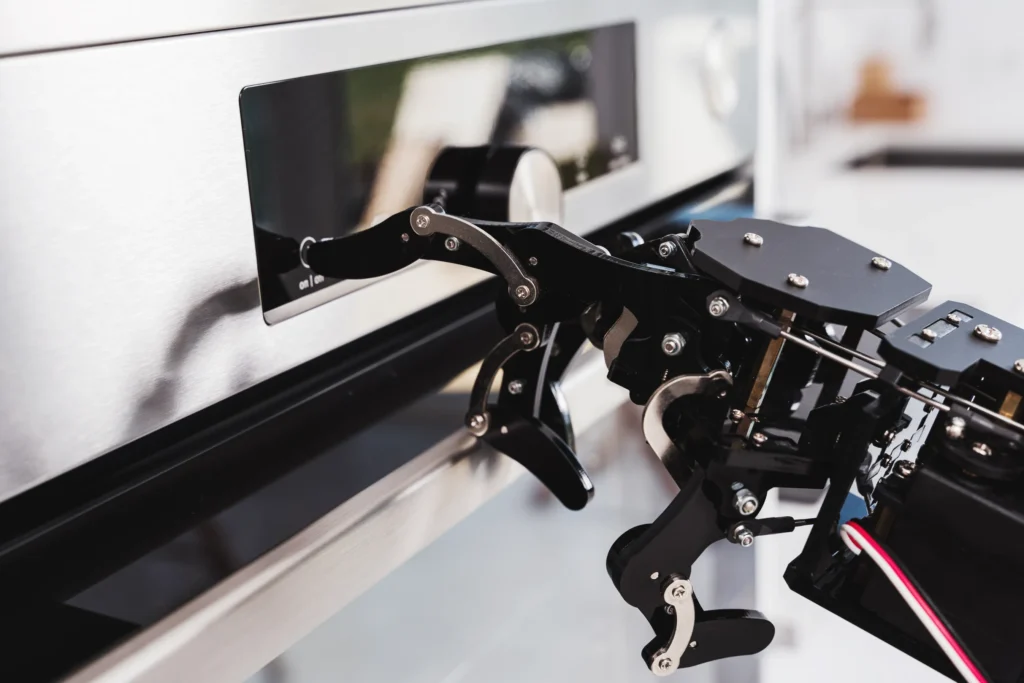
Used for accurate joint positioning and smooth robotic motion.
CNC Machining
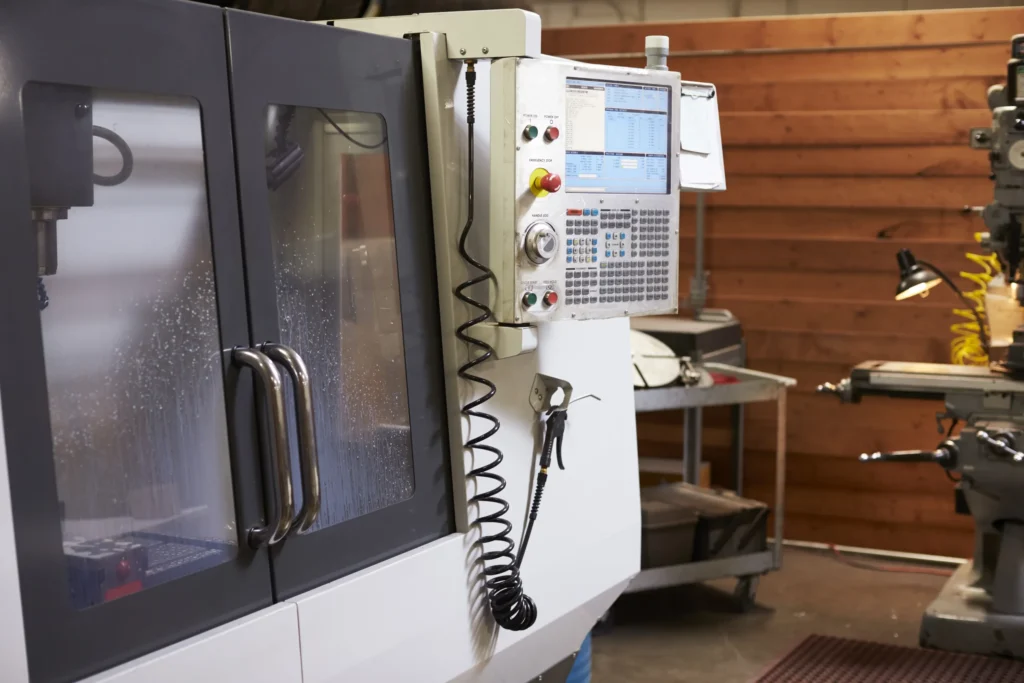
Ensures precise cutting, shaping, and tool positioning.
Semiconductor Manufacturing
Supports ultra-fine positioning in sensitive production processes.
Benefits of Using 10000PPR Encoder
Exceptional Accuracy
A 10000PPR encoder provides fine resolution for highly detailed motion control.
Smooth Motion Control
Reduces vibration and improves system stability.
High Reliability
Designed for continuous operation in demanding environments.
Challenges and Considerations
Higher Cost
High-resolution encoders are more expensive than standard models.
Sensitivity to Environment
Dust, vibration, and temperature can affect performance.
Comparison with Lower Resolution Encoders
Resolution
Typical Use
1000 PPR
Basic systems
2500 PPR
Medium precision
10000 PPR
High precision
A 10000PPR encoder is best suited for applications requiring detailed motion feedback.
A 10000PPR encoder is a powerful solution for applications that demand ultra-high precision and reliable motion feedback. While it comes at a higher cost, its performance benefits make it essential for advanced industrial and automation systems.
Table of Contents Introduction Omron encoder replacement solutions are widely used in industrial automation systems where accurate motion control and reliable feedback are essential. An effective Omron encoder replacement helps maintain machine performance while reducing downtime and replacement costs. Many manufacturers choose an Omron encoder replacement when upgrading older automation systems or replacing discontinued encoder […]
Choosing the right rotary encoder supplier is an important decision for OEM manufacturers, machine builders, automation companies, and industrial distributors. A suitable supplier should offer more than a product catalog. Buyers should evaluate technical specifications, product consistency, customization capability, quality control, documentation, samples, production capacity, delivery, and technical support. The right encoder also depends on […]
A rotary encoder for CNC machine tool applications provides rotational feedback that can help a control system monitor position, speed, direction, or movement. Encoders can be used with CNC spindles, servo motors, rotary axes, and other rotating components where feedback is required. For CNC machine manufacturers, OEMs, system integrators, and industrial buyers, selecting the right […]
We use cookies to enhance your browsing experience, serve personalised ads or content, and analyse our traffic. By clicking "Accept All", you consent to our use of cookies.