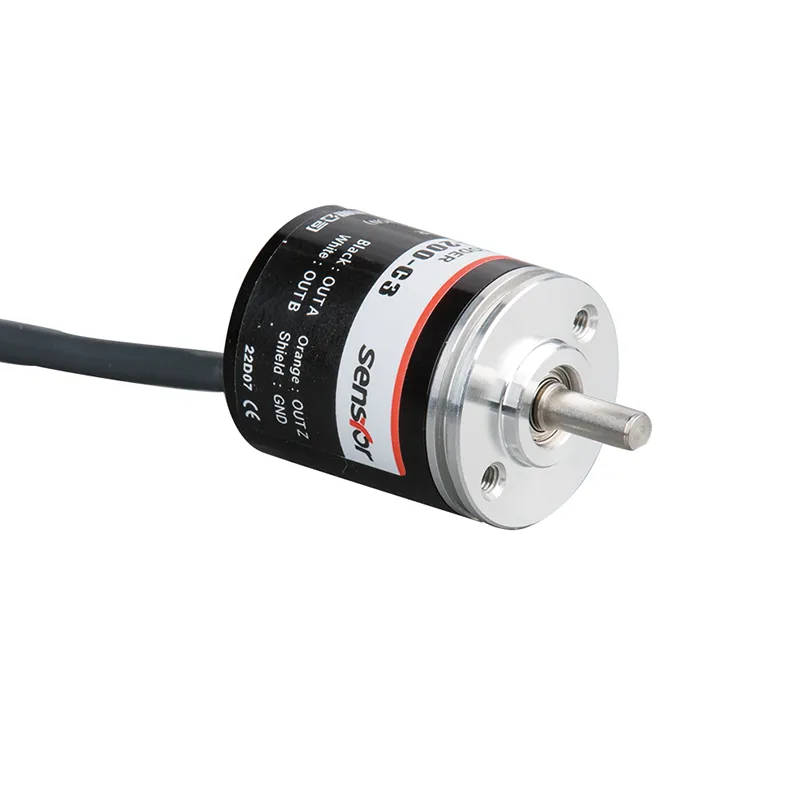
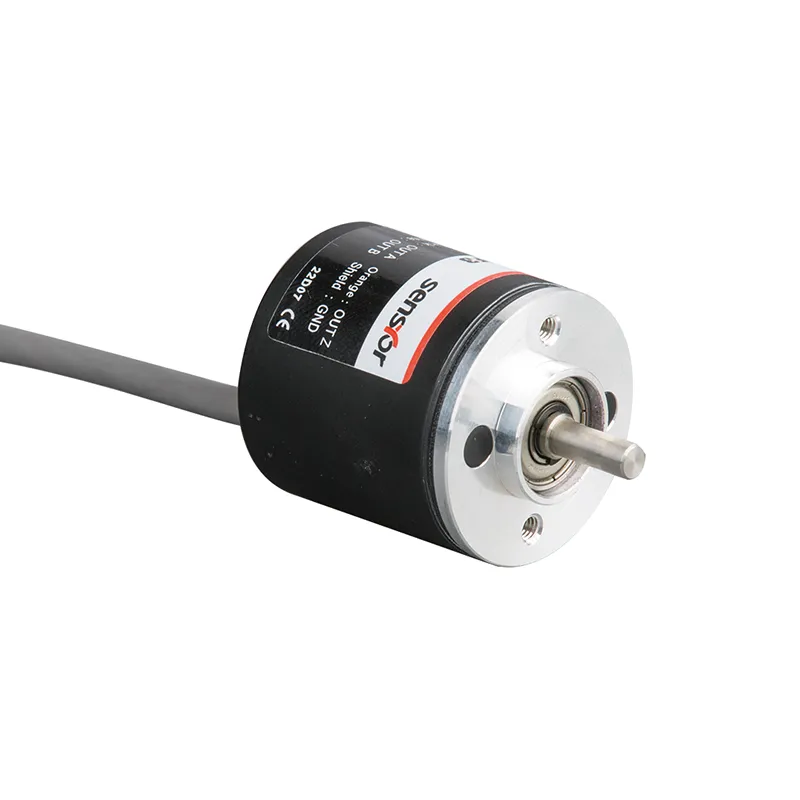
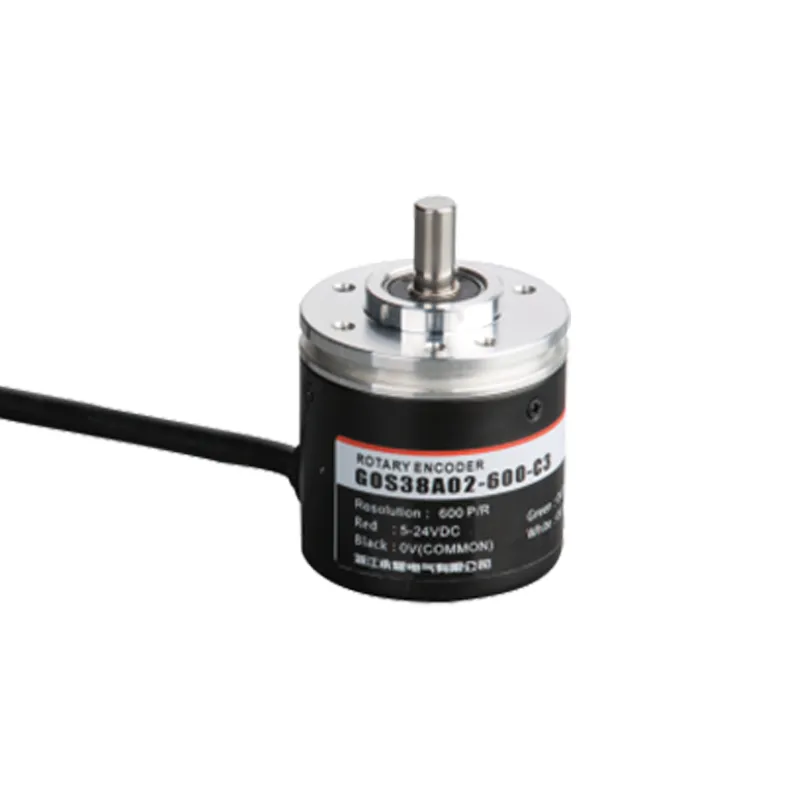
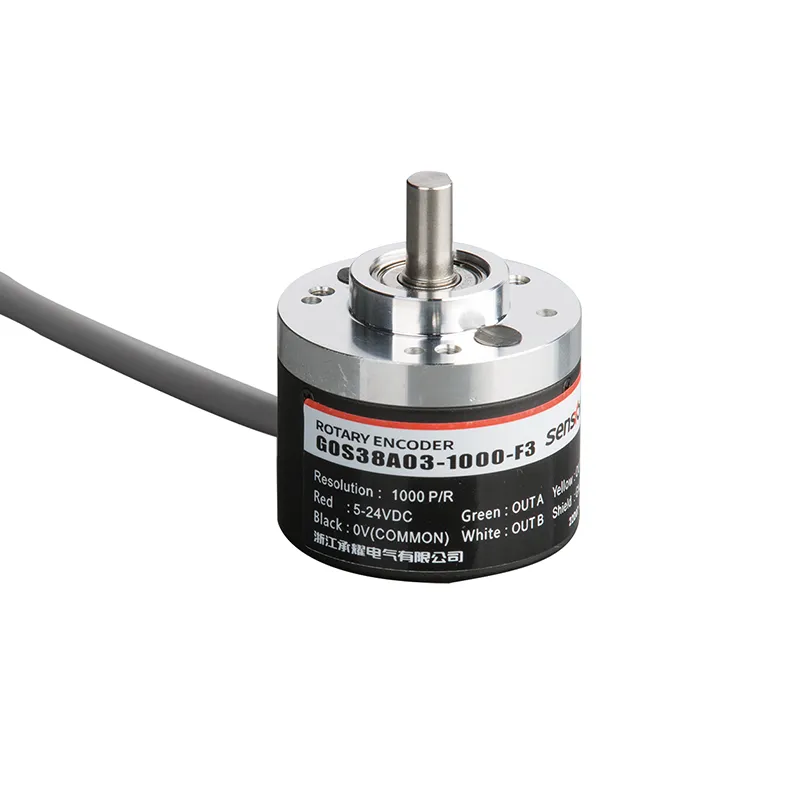
An encoder for industrial automation is a key device used to measure position, speed, and direction in automated systems. It converts mechanical motion into electrical signals that controllers can process, ensuring machines operate with precision and reliability.
In today’s factories, using an encoder for industrial automation is essential for achieving consistent output, reducing errors, and improving overall productivity.
How Encoder Systems Support Automation
Encoders act as feedback devices in control loops, helping machines respond accurately to commands.
Signal Conversion Process
The encoder detects movement and converts it into digital or analog signals.
Real-Time Feedback in Automation
Controllers use these signals to adjust motor speed, direction, and positioning instantly.
Types of Encoder for Industrial Automation
Different systems require different encoder types depending on accuracy and environment.
Incremental Encoder
Provides pulse signals based on movement and is widely used in general automation.
Absolute Encoder
Delivers exact position data even after power loss, ideal for critical systems.
Optical and Magnetic Variants
Optical: High accuracy, sensitive to dust
Magnetic: Durable and suitable for harsh environments
Key Components in Encoder Systems
An encoder system typically includes:
Sensor unit
Code disc or magnetic ring
Signal processing circuit
These components work together to ensure accurate motion detection.
Applications Across Industries
Manufacturing Lines
Used for positioning and speed control in conveyor systems.
Robotics Systems
Ensures precise movement of robotic arms and joints.
Packaging and Material Handling
Maintains synchronization and improves efficiency.
Benefits of Using Encoder for Industrial Automation
Improved Accuracy
Provides precise motion control for better product quality.
Enhanced Efficiency
Reduces waste and optimizes production processes.
Reliable Operation
Ensures consistent performance in demanding environments.
Challenges in Encoder Implementation
Environmental Factors
Dust, vibration, and temperature can affect performance.
Installation Requirements
Proper alignment and calibration are essential.
Comparison with Other Sensors
Feature
Encoder
Basic Sensor
Function
Motion tracking
Detection only
Accuracy
High
Low
Application
Automation systems
Simple tasks
Installation and Maintenance Tips
Install close to the motor shaft
Protect against contamination
Perform routine inspections
Buying Guide
When choosing an encoder, consider:
Resolution and accuracy
Environmental conditions
Output type
For global standards, refer to: 👉 https://www.ieee.org/ (DoFollow external link to IEEE)
1. What is an encoder for industrial automation used for?
It is used to measure motion and provide feedback for control systems.
2. Why are encoders important in automation?
They ensure precision, efficiency, and reliability.
3. Which type is best for industrial use?
Depends on the application; absolute encoders are best for critical systems.
4. Can encoders work in harsh environments?
Yes, especially magnetic types.
5. Do encoders require maintenance?
Yes, periodic checks improve performance.
6. Are encoders expensive?
Costs vary depending on accuracy and features.
Conclusion
An encoder for industrial automation is a vital component in modern manufacturing systems. It enhances accuracy, improves efficiency, and ensures reliable operation across various industries. Choosing the right encoder can significantly impact system performance and long-term productivity.
In addition, an encoder plays a crucial role in enabling real-time monitoring and precise control of machinery, which helps reduce downtime and maintenance costs. By providing continuous feedback, it allows automated systems to adapt quickly to changes in load or speed, ensuring consistent output quality. Industries such as robotics, packaging, and material handling rely heavily on encoders to maintain synchronization and operational stability. As automation continues to evolve, selecting a high-quality encoder becomes even more important for achieving smarter, faster, and more energy-efficient production processes overall today.
What Is Tamagawa Servo Encoder Replacement? Tamagawa servo encoder replacement refers to replacing an original Tamagawa encoder installed in a servo motor system with a compatible or upgraded encoder solution. Servo encoders are essential components in industrial automation because they provide accurate position, speed, and motion feedback to controllers. When an encoder fails, becomes obsolete, […]
📊 Comprehensive Outline for “through-hole encoder” Heading Level Topic H1 Through-Hole Encoder: Essential Guide H2 Introduction to Through-Hole Encoder H3 What is a Through-Hole Encoder H3 Why It Matters in Motion Control H2 How a Through-Hole Encoder Works H3 Basic Working Principle H3 Signal Output and Feedback H2 Types of Encoders Used in Systems H3 […]
Table of Contents What Is a 24V long distance transmission encoder? A 24V long distance transmission encoder is a specialized industrial sensing device designed to provide accurate motion feedback while maintaining stable signal transmission over extended cable distances. In modern automation systems, machines often require precise information about position, speed, and rotation. However, when sensors […]
We use cookies to enhance your browsing experience, serve personalised ads or content, and analyse our traffic. By clicking "Accept All", you consent to our use of cookies.