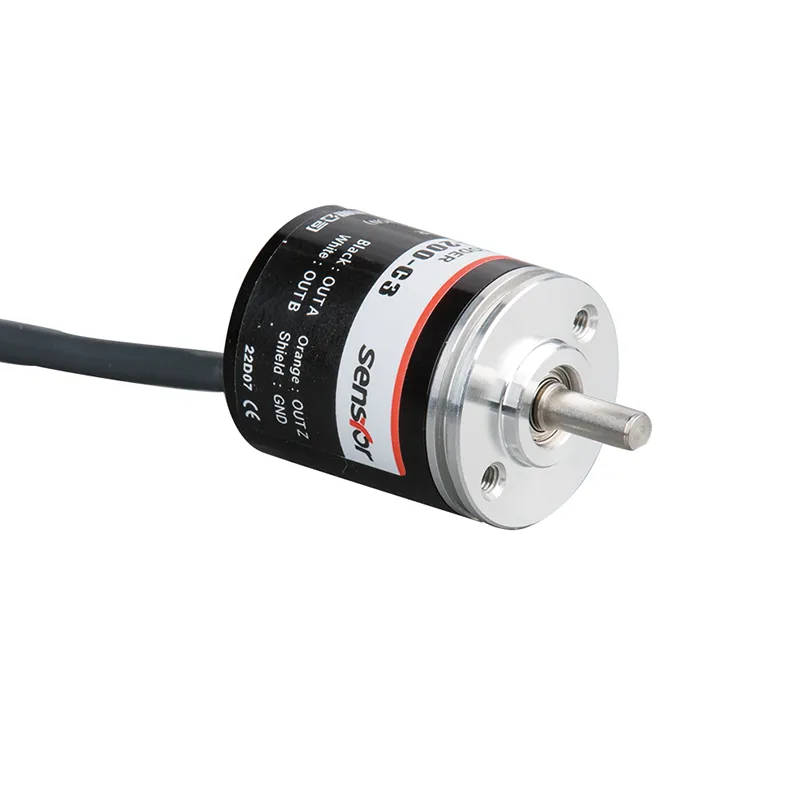
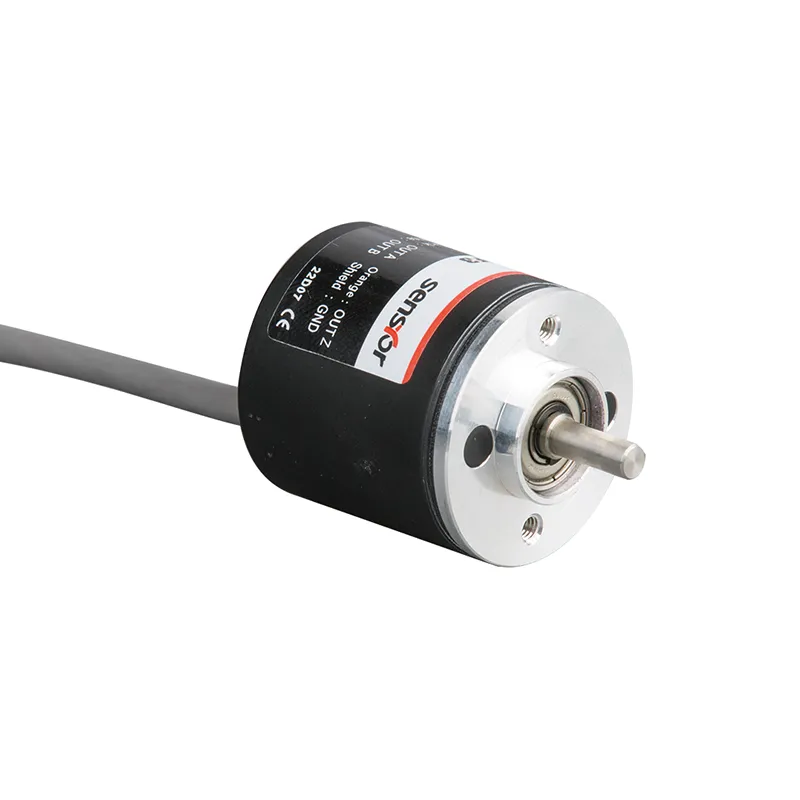
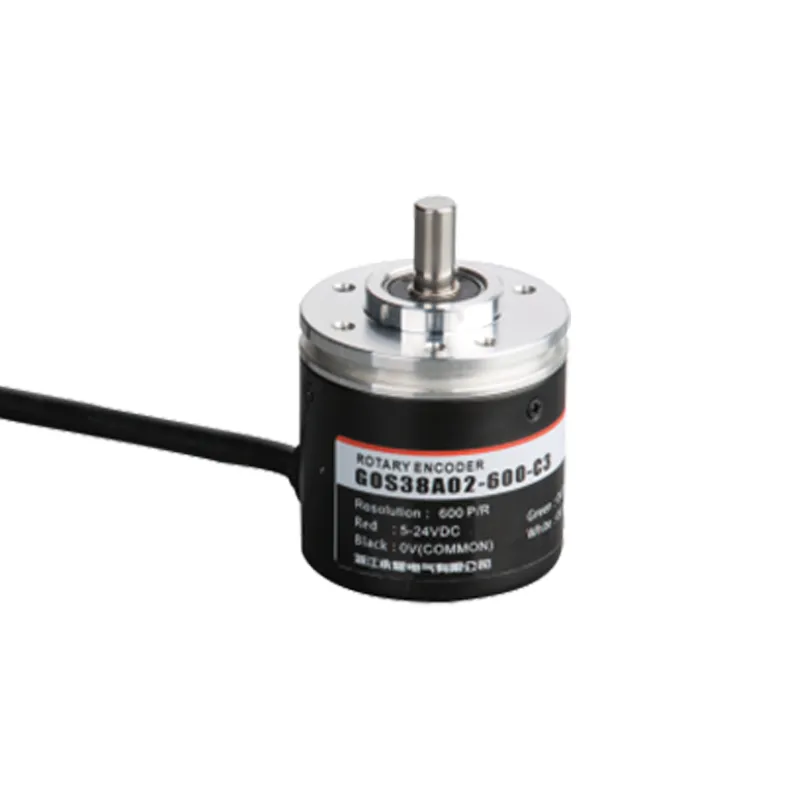
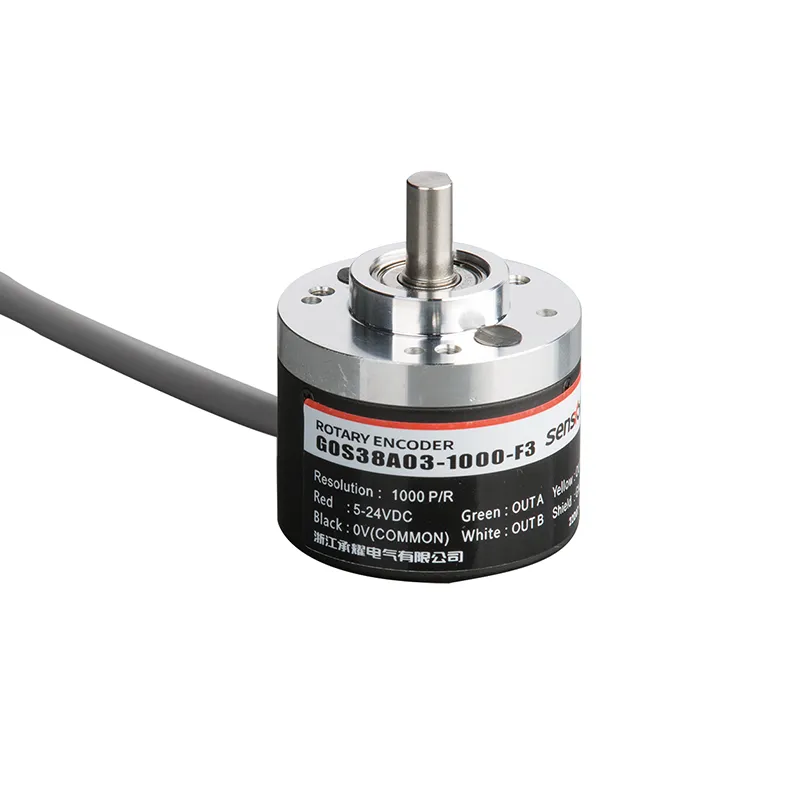
Encoder replacement is the process of removing a faulty or outdated encoder and installing a new one to restore accurate motion feedback in machines. In automation systems, even small errors in position detection can cause serious performance issues. That’s why timely encoder replacement is essential for maintaining efficiency and preventing costly downtime.
Whether used in robotics, CNC machines, or industrial automation, proper encoder replacement ensures that systems continue to operate with precision and stability.
When You Should Consider Replacing an Encoder
Not every issue requires immediate replacement, but certain warning signs indicate it’s time for action.
Common Signs of Encoder Failure
Inconsistent position readings
Signal loss or noise
Machine misalignment
Unexpected shutdowns
Performance Issues in Motion Feedback Systems
If your system shows reduced accuracy or unstable motion control, an encoder upgrade or replacement may be necessary.
Types of Encoders You May Need to Replace
Understanding encoder types helps ensure the correct replacement choice.
Optical Encoder Replacement Options
High precision
Sensitive to dust and contamination
Magnetic Encoder Replacement Choices
Durable and reliable
Suitable for harsh environments
Absolute vs Incremental Encoder Replacement
Type
Description
Absolute
Provides exact position data
Incremental
Tracks movement relative to start point
Steps for Proper Encoder Replacement
Replacing an encoder requires careful handling and correct procedures.
Preparation Before Replacement
Disconnect power supply
Identify encoder specifications
Gather necessary tools
Installation Process
Remove the old encoder
Align the new encoder properly
Secure mounting
Connect wiring correctly
Testing After Encoder Replacement
After installation:
Verify signal output
Check alignment
Run system diagnostics
Common Mistakes During Replacement
Avoid these errors to ensure success:
Incorrect alignment
Using incompatible encoder types
Ignoring calibration
Benefits of Timely Encoder Replacement
Improved Accuracy
A new encoder restores precise position tracking.
Reduced Downtime
Prevents unexpected system failures.
Enhanced System Efficiency
Improves overall machine performance.
Cost Considerations for Encoder Replacement
The cost depends on:
Encoder type
System complexity
Installation requirements
While encoder replacement may seem expensive, it often saves money in the long run by preventing major failures.
It is the process of replacing a faulty encoder with a new one.
2. How often should encoders be replaced?
Only when performance degrades or failure occurs.
3. Can I replace an encoder myself?
Yes, but technical knowledge is recommended.
4. What happens if I delay replacement?
It can lead to system failure and reduced accuracy.
5. Are all encoders interchangeable?
No, compatibility must be verified.
6. How long does replacement take?
Typically a few hours depending on system complexity.
Conclusion
Encoder replacement is a critical maintenance task that ensures the accuracy and reliability of motion control systems. By identifying issues early and following proper replacement procedures, you can significantly improve system performance and avoid costly downtime.
📑 Comprehensive Outline of Incremental Encoder Heading Level Topic H1 Incremental Encoder: 7 Powerful Insights to Master Precision Motion Control H2 Introduction to Incremental Encoder H3 What is an Incremental Encoder? H3 Importance in Modern Automation H2 How an Incremental Encoder Works H3 Basic Working Principle H4 Signal Generation Explained H4 Pulse Counting Mechanism H2 […]
Table of Contents Introduction Encoder manufacturer companies are essential to modern industrial automation. They design and produce encoder systems that help machines monitor speed, direction, and position with high accuracy. From robotics to CNC machinery, industrial encoders are widely used in equipment that requires precise motion control. Choosing the right encoder manufacturer can improve production […]
Introduction to 5000PPR Encoder A 5000PPR encoder is a high-resolution rotary encoder that produces 5000 pulses per revolution, making it ideal for applications that demand precise position and speed feedback. In modern automation systems, using a 5000PPR encoder ensures smoother motion control, tighter tolerances, and improved operational efficiency. Compared to lower-resolution devices, this encoder type […]
We use cookies to enhance your browsing experience, serve personalised ads or content, and analyse our traffic. By clicking "Accept All", you consent to our use of cookies.