Incremental Encoder: 7 Powerful Insights to Master Precision Motion Control
H2
Introduction to Incremental Encoder
H3
What is an Incremental Encoder?
H3
Importance in Modern Automation
H2
How an Incremental Encoder Works
H3
Basic Working Principle
H4
Signal Generation Explained
H4
Pulse Counting Mechanism
H2
Key Components of an Incremental Encoder
H3
Light Source and Sensor
H3
Rotating Disk
H3
Signal Processing Circuit
H2
Types of Incremental Encoder
H3
Optical Incremental Encoder
H3
Magnetic Incremental Encoder
H3
Mechanical Incremental Encoder
H2
Incremental Encoder vs Absolute Encoder
H3
Key Differences
H4
Advantages of Incremental Encoder
H4
Limitations Compared to Absolute Encoder
H2
Output Signals and Channels
H3
A, B, and Z Channels Explained
H3
Quadrature Encoding
H2
Resolution and Accuracy
H3
What Determines Resolution
H3
Factors Affecting Accuracy
H2
Applications of Incremental Encoder
H3
Industrial Automation
H3
Robotics
H3
CNC Machines
H3
Automotive Systems
H2
Installation and Integration
H3
Mounting Techniques
H3
Electrical Connections
H2
Common Problems and Troubleshooting
H3
Signal Noise Issues
H3
Misalignment Problems
H3
Wear and Tear
H2
Maintenance and Best Practices
H3
Preventive Maintenance Tips
H3
Calibration Techniques
H2
Choosing the Right Incremental Encoder
H3
Key Selection Criteria
H3
Environmental Considerations
H2
Future Trends in Encoder Technology
H3
Smart Encoders
H3
Integration with IoT
H2
FAQs About Incremental Encoder
H2
Conclusion
📘 Introduction to Incremental Encoder
What is an Incremental Encoder?
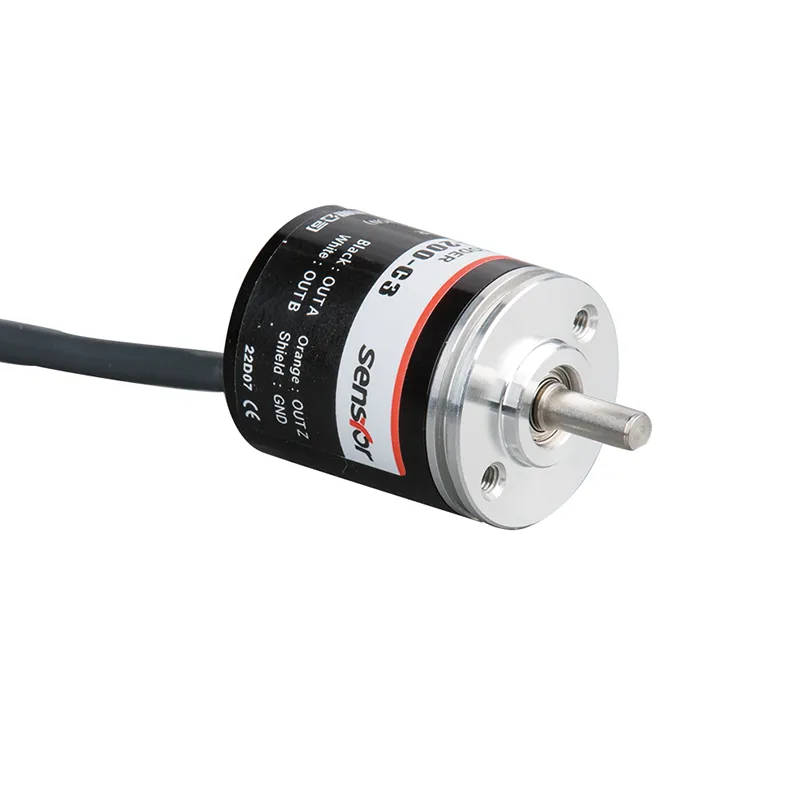
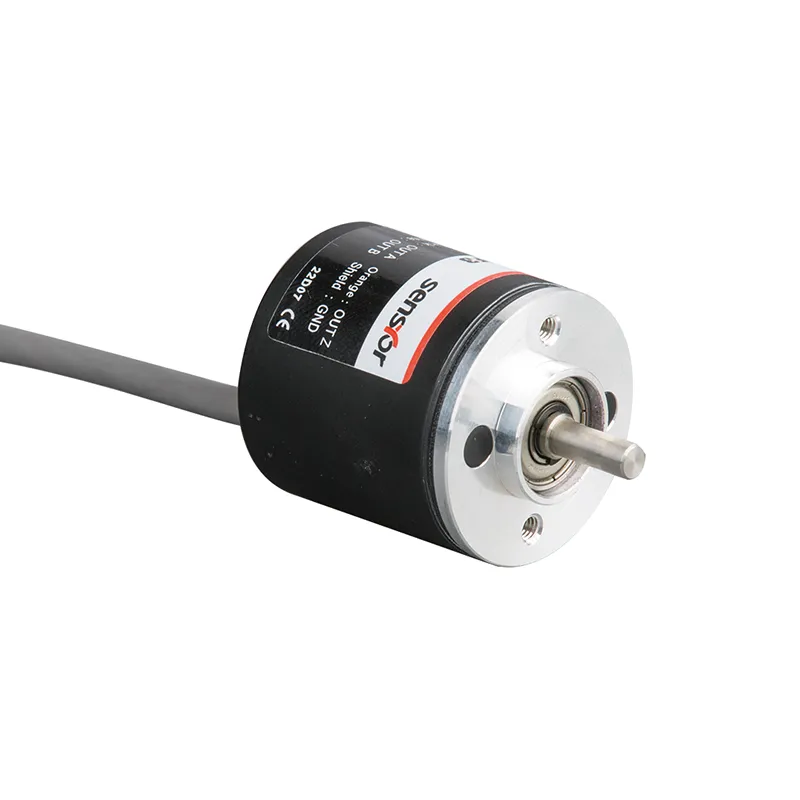
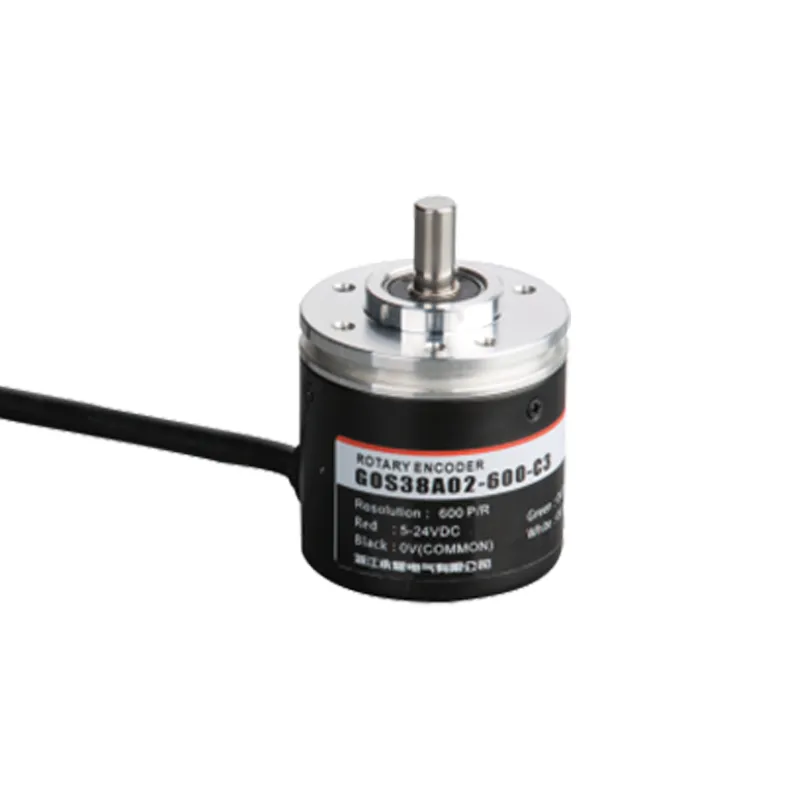
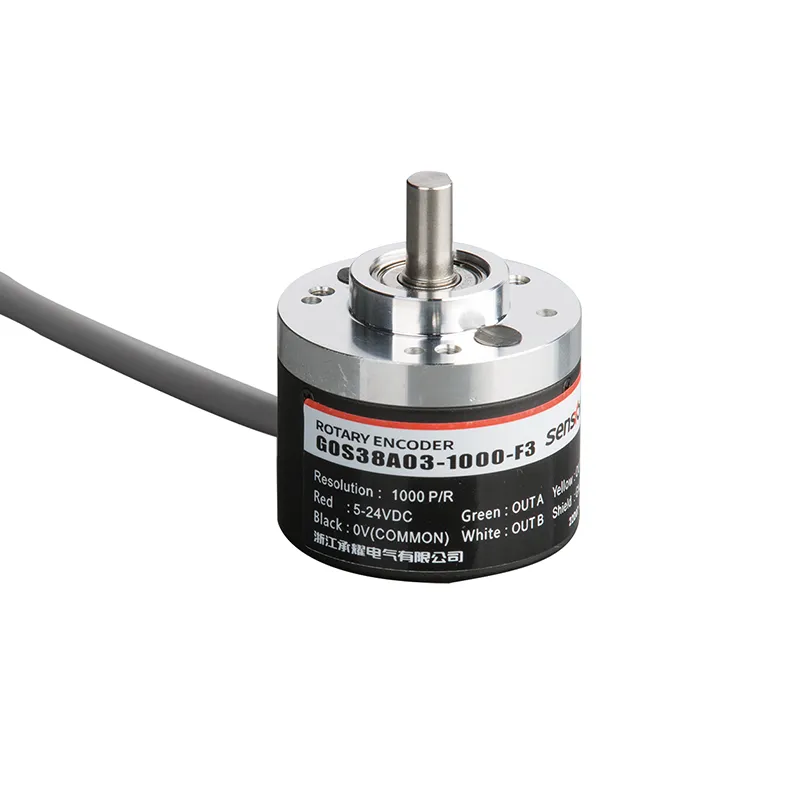
An incremental encoder is an electromechanical device used to convert motion into digital signals. It tracks changes in position, speed, or direction by generating pulses as a shaft rotates or moves linearly.
Unlike absolute encoders, which provide a fixed position value, an incremental encoder only gives relative position data. This means it counts movement from a starting point, making it ideal for applications where motion tracking is critical.
Importance in Modern Automation
Incremental encoders play a vital role in industries where precision and efficiency matter. From robotics to conveyor systems, they ensure accurate motion control and feedback. Their affordability and simplicity make them a popular choice in automated systems worldwide.
⚙️ How an Incremental Encoder Works
Basic Working Principle
The working principle of an incremental encoder revolves around detecting motion and converting it into electrical signals. As the encoder shaft rotates, it produces a series of pulses that represent movement.
Each pulse corresponds to a specific increment of motion. By counting these pulses, a control system determines the position and speed.
Signal Generation Explained
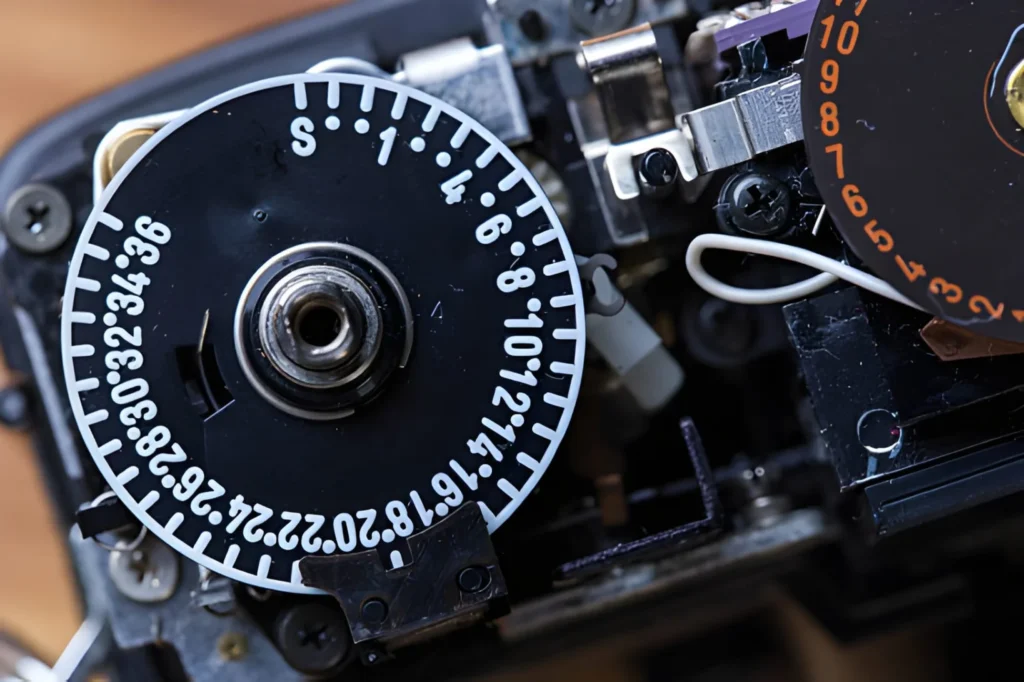
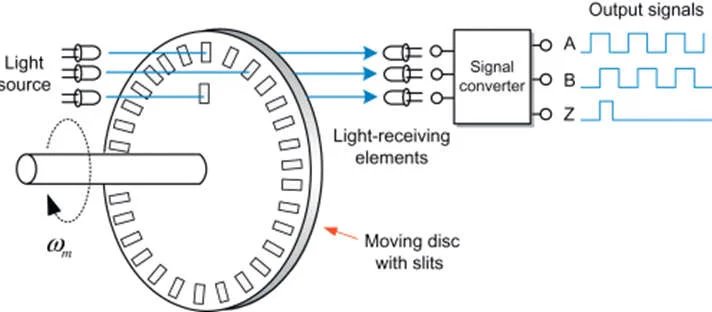
Inside the encoder, a rotating disk passes between a light source and a sensor. The disk has evenly spaced slots or markings. As it spins, the light beam is interrupted, creating a pattern of pulses.
These pulses are then converted into digital signals, which are processed by external systems such as PLCs or microcontrollers.
Pulse Counting Mechanism
The number of pulses generated per revolution defines the encoder’s resolution. Higher pulse counts allow for more precise measurements. Systems use these pulses to calculate:
Position
Velocity
Direction
🧩 Key Components of an Incremental Encoder
Light Source and Sensor
Most encoders use an LED as a light source and a photodetector as a sensor. The interaction between these components enables signal generation.
Rotating Disk
The disk is a crucial element with evenly spaced slots. Its rotation determines the frequency and pattern of pulses.
Signal Processing Circuit
This component converts raw signals into usable digital outputs. It ensures clean and accurate data transmission.
🔍 Types of Incremental Encoder
Optical Incremental Encoder
These encoders use light to detect motion. They offer high accuracy and are widely used in precision applications.
Magnetic Incremental Encoder
Magnetic encoders use magnetic fields instead of light. They are more robust and suitable for harsh environments.
Mechanical Incremental Encoder
These rely on physical contact to generate signals. Though less common, they are used in simpler systems.
⚖️ Incremental Encoder vs Absolute Encoder
Key Differences
Feature
Incremental Encoder
Absolute Encoder
Position Tracking
Relative
Absolute
Complexity
Simple
Complex
Cost
Lower
Higher
Power Loss Impact
Loses position
Retains position
Advantages of Incremental Encoder
Cost-effective
Simple design
High-speed performance
Easy integration
Limitations Compared to Absolute Encoder
Requires a reference point
Loses position during power failure
🔌 Output Signals and Channels
A, B, and Z Channels Explained
Incremental encoders typically provide three output signals:
Channel A: Primary pulse signal
Channel B: Phase-shifted signal for direction detection
Channel Z: Index pulse for reference position
Quadrature Encoding
Quadrature encoding uses two signals (A and B) that are 90 degrees out of phase. This allows systems to determine direction and improve resolution.
📏 Resolution and Accuracy
What Determines Resolution
Resolution depends on the number of pulses per revolution (PPR). Higher PPR means finer measurement.
Factors Affecting Accuracy
Mechanical alignment
Signal noise
Temperature variations
Component quality
🏭 Applications of Incremental Encoder
Industrial Automation
Used in conveyor belts, motors, and assembly lines for precise motion tracking.
Robotics
Helps robots perform accurate movements and positioning tasks.
CNC Machines
Ensures precise cutting and shaping operations.
Automotive Systems
Used in speed sensing and engine control systems.
🔧 Installation and Integration
Mounting Techniques
Proper alignment is crucial. Common mounting methods include:
Shaft mounting
Hollow shaft mounting
Electrical Connections
Ensure correct wiring to avoid signal loss. Shielded cables are often recommended.
⚠️ Common Problems and Troubleshooting
Signal Noise Issues
Electrical interference can distort signals. Using proper shielding helps reduce noise.
Misalignment Problems
Incorrect installation can lead to inaccurate readings.
Wear and Tear
Mechanical parts may degrade over time, affecting performance.
🛠️ Maintenance and Best Practices
Preventive Maintenance Tips
Regular inspection
Clean components
Check connections
Calibration Techniques
Periodic calibration ensures consistent accuracy.
🧠 Choosing the Right Incremental Encoder
Key Selection Criteria
Resolution requirements
Operating environment
Speed range
Size and mounting type
Environmental Considerations
Choose encoders مقاومة to dust, moisture, and temperature extremes for durability.
🚀 Future Trends in Encoder Technology
Smart Encoders
Modern encoders are becoming smarter with built-in diagnostics and communication capabilities.
Integration with IoT
Encoders are increasingly integrated with IoT systems for real-time monitoring and predictive maintenance.
❓ FAQs About Incremental Encoder
1. What is the main purpose of an incremental encoder?
It measures motion by generating pulses that represent position and speed changes.
2. How does an incremental encoder differ from an absolute encoder?
An incremental encoder tracks relative movement, while an absolute encoder provides exact position data.
3. What does PPR mean in incremental encoders?
PPR stands for pulses per revolution, indicating resolution.
4. Can incremental encoders detect direction?
Yes, using quadrature signals from channels A and B.
5. Where are incremental encoders commonly used?
They are widely used in robotics, automation, CNC machines, and automotive systems.
6. What happens if power is lost?
The encoder loses position data and requires re-referencing.
The incremental encoder remains a cornerstone in motion control systems due to its simplicity, affordability, and reliability. Whether in industrial automation or robotics, it delivers precise feedback essential for efficient operations.
As technology evolves, incremental encoders are becoming smarter and more integrated with digital systems, ensuring they stay relevant in the future of automation.
Table of Contents Understanding Industrial Encoder Technology Modern automation systems require accurate motion feedback to maintain efficiency, safety, and productivity. A heavy duty encoder is designed specifically for industrial environments where standard sensing devices may not provide enough reliability. Factories, production lines, cranes, mining equipment, and energy systems often operate under challenging conditions. Dust, vibration, […]
Table of Contents Replace Tamagawa Encoder Introduction Replace Tamagawa encoder projects are increasingly common as manufacturers seek cost-effective and reliable alternatives for industrial automation systems. When an encoder fails, production downtime can become expensive, making it important to find a compatible replacement quickly. A successful replace Tamagawa encoder solution should maintain positioning accuracy, communication stability, […]
Table of Contents Introduction to 38mm slim rotary encoder 10000ppr Modern automation systems require higher accuracy, smaller installation space, and faster response speed. The 38mm slim rotary encoder 10000ppr is designed to meet these growing industrial demands by providing precise rotational measurement in a compact housing. With a diameter of only 38mm and a resolution […]
We use cookies to enhance your browsing experience, serve personalised ads or content, and analyse our traffic. By clicking "Accept All", you consent to our use of cookies.