📊 Comprehensive Outline for “Omron encoder replacement”
Heading Level
Topic
H1
Omron Encoder Replacement Guide
H2
Introduction to Encoder Replacement
H2
Why Replace an Encoder
H2
Understanding Omron Encoder Types
H2
How to Choose the Right Replacement
H2
Compatibility Factors
H2
Tools Required for Replacement
H2
Step-by-Step Replacement Process
H2
Common Mistakes to Avoid
H2
Testing After Replacement
H2
Troubleshooting Issues
H2
Maintenance Tips
H2
Cost Considerations
H2
Where to Buy Replacement Encoders
H2
FAQs
H2
Conclusion
Introduction to Omron Encoder Replacement
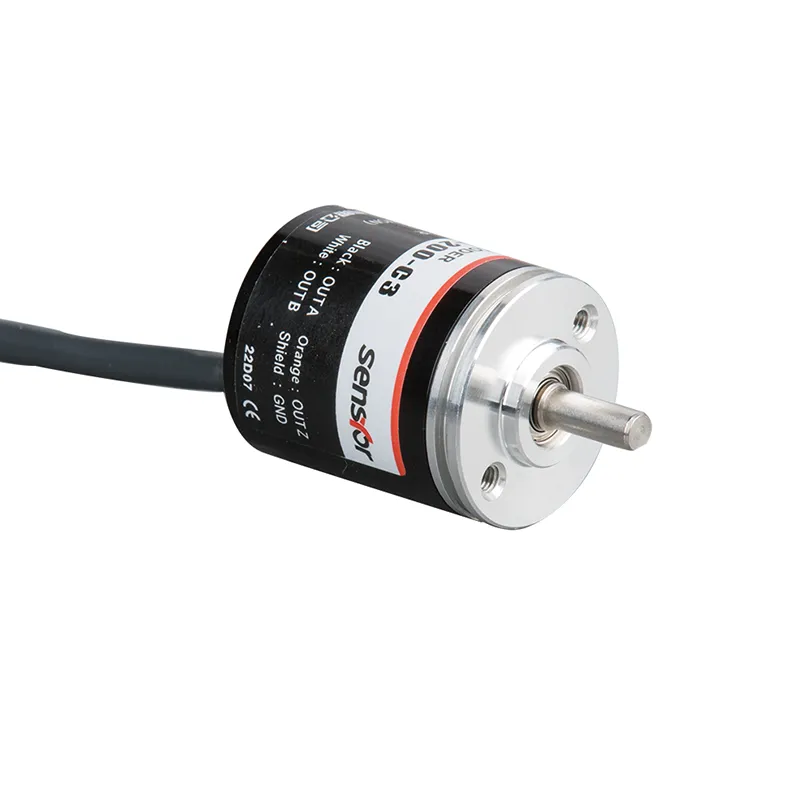
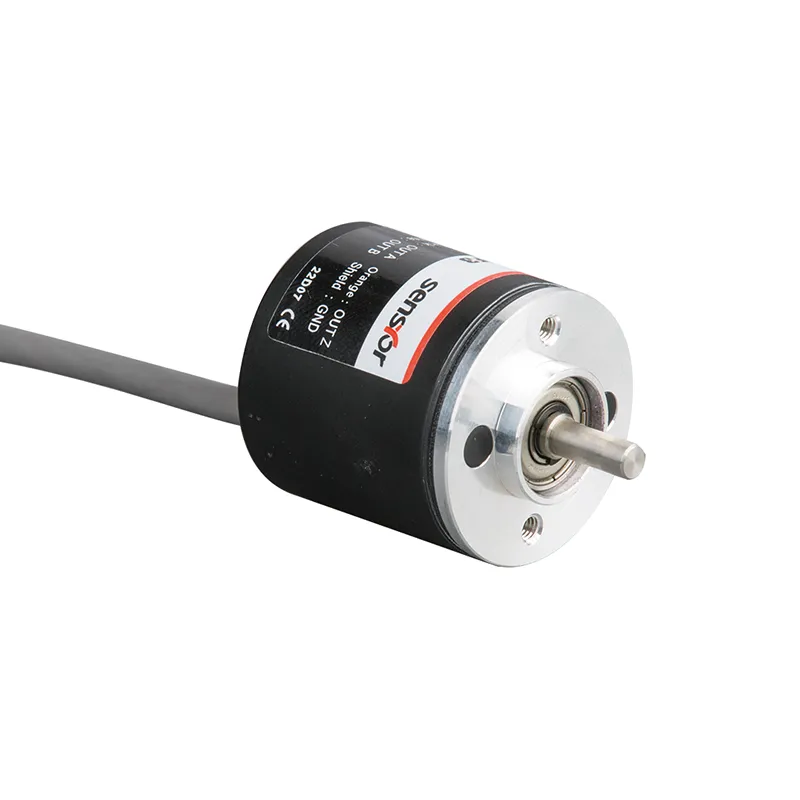
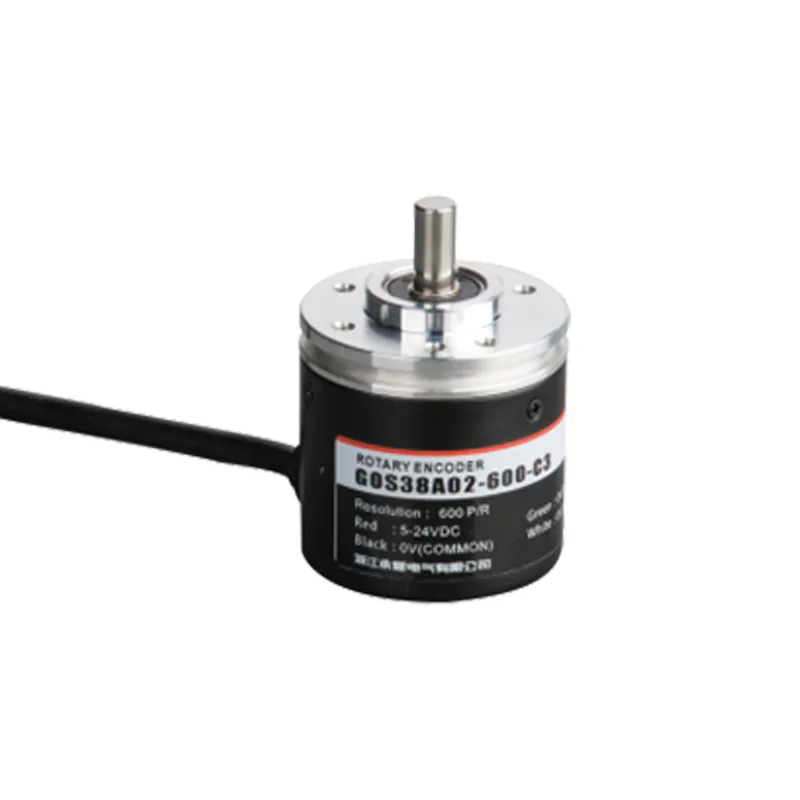
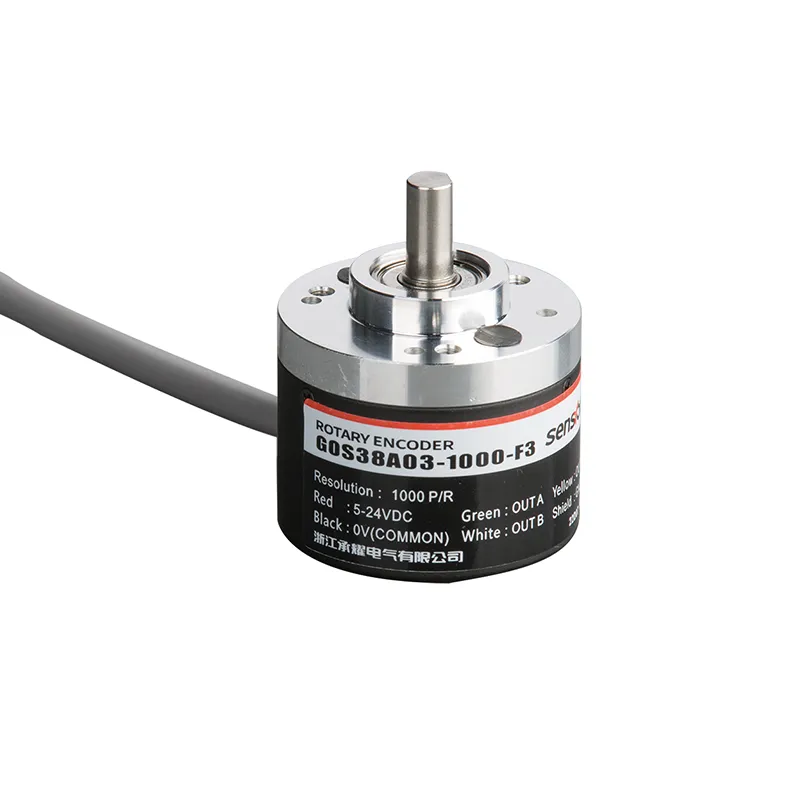
An Omron encoder replacement is often necessary when an encoder fails, becomes inaccurate, or no longer meets system requirements. Encoders play a vital role in motion control systems by providing feedback on position, speed, and direction.
Performing a proper Omron encoder replacement ensures your machinery continues to operate with precision and reliability, especially in automation, robotics, and industrial applications.
Why Replace an Encoder
There are several reasons to consider replacing an encoder:
Signal loss or inconsistent readings
Mechanical wear and tear
Environmental damage (dust, heat, vibration)
System upgrades requiring higher precision
Timely Omron encoder replacement helps prevent downtime and costly production losses.
Understanding Encoder Types
Before performing an Omron encoder replacement, it’s important to understand the types available.
Incremental Encoders
Provide relative position data
Cost-effective
Common in basic automation
Absolute Encoders
Provide exact position data
Retain position after power loss
Used in high-precision systems
How to Choose the Right Replacement
Selecting the correct encoder is critical for a successful Omron encoder replacement.
Key Selection Criteria
Resolution
Output signal type
Mounting style
Environmental rating
Choosing the wrong type may lead to system errors or performance issues.
Compatibility Factors
When planning an Omron encoder replacement, ensure compatibility with:
Existing control systems
Power supply specifications
Mechanical dimensions
Communication protocols
For official product specifications, refer to 👉 https://www.omron.com/ (DoFollow external link to Omron)
Tools Required for Replacement
You will need:
Screwdrivers
Multimeter
Alignment tools
Mounting brackets
Having the right tools simplifies the Omron encoder replacement process.
Step-by-Step Replacement Process
1. Power Off the System
Always disconnect power before starting.
2. Remove the Old Encoder
Carefully detach wiring and mounting hardware.
3. Install the New Encoder
Align and secure the new unit properly.
4. Connect Wiring
Ensure correct wiring according to specifications.
5. Calibrate the System
Adjust settings to match the new encoder.
Common Mistakes to Avoid
Incorrect wiring connections
Poor alignment
Using incompatible models
Skipping calibration
Avoiding these ensures a smooth Omron encoder replacement.
Testing After Replacement
After installation:
Verify signal output
Check system response
Run test cycles
Testing confirms that the Omron encoder replacement was successful.
Troubleshooting Issues
If problems occur:
Check wiring connections
Verify compatibility
Inspect for mechanical misalignment
Maintenance Tips
To extend encoder lifespan:
Keep the environment clean
Avoid excessive vibration
Perform regular inspections
Cost Considerations
The cost of an Omron encoder replacement depends on:
Encoder type
Precision level
Environmental rating
Investing in quality ensures long-term reliability.
It is the process of replacing a faulty or outdated encoder with a new one.
2. How do I know if my encoder needs replacement?
Signs include inaccurate readings, signal loss, or system errors.
3. Can I replace an encoder myself?
Yes, if you have technical knowledge and proper tools.
4. How long does replacement take?
Typically 30 minutes to a few hours depending on complexity.
5. Do I need calibration after replacement?
Yes, calibration is essential for accurate performance.
6. Where can I buy Omron encoders?
From authorized distributors or official suppliers.
Conclusion
An Omron encoder replacement is a critical maintenance task that ensures your automation systems remain accurate and efficient. By selecting the right encoder, following proper installation steps, and performing regular maintenance, you can significantly extend the lifespan of your equipment and avoid costly downtime.
Table of Contents What Is an Optical & Magnetic Encoder? The optical & magnetic encoder is an important motion control component used to measure position, speed, and direction in industrial equipment. These sensors convert mechanical movement into electrical signals, allowing machines to achieve accurate positioning and efficient operation. With the development of industrial automation, robotics, […]
Introduction to the 38mm Rotary Encoder A 38mm rotary encoder is one of the most popular motion feedback devices used in industrial automation, robotics, CNC machinery, packaging equipment, and conveyor systems. Its compact size, reliable performance, and precise signal output make it an excellent choice for applications that require accurate position, speed, or direction monitoring. […]
Table of Contents Introduction to 48mm Encoder 48mm encoder is a compact and highly reliable industrial motion feedback device designed for precision measurement of speed, position, and direction. The 48mm encoder is widely used in automation systems where space is limited but accuracy is critical. A 48mm encoder provides stable performance in harsh industrial environments, […]
We use cookies to enhance your browsing experience, serve personalised ads or content, and analyse our traffic. By clicking "Accept All", you consent to our use of cookies.