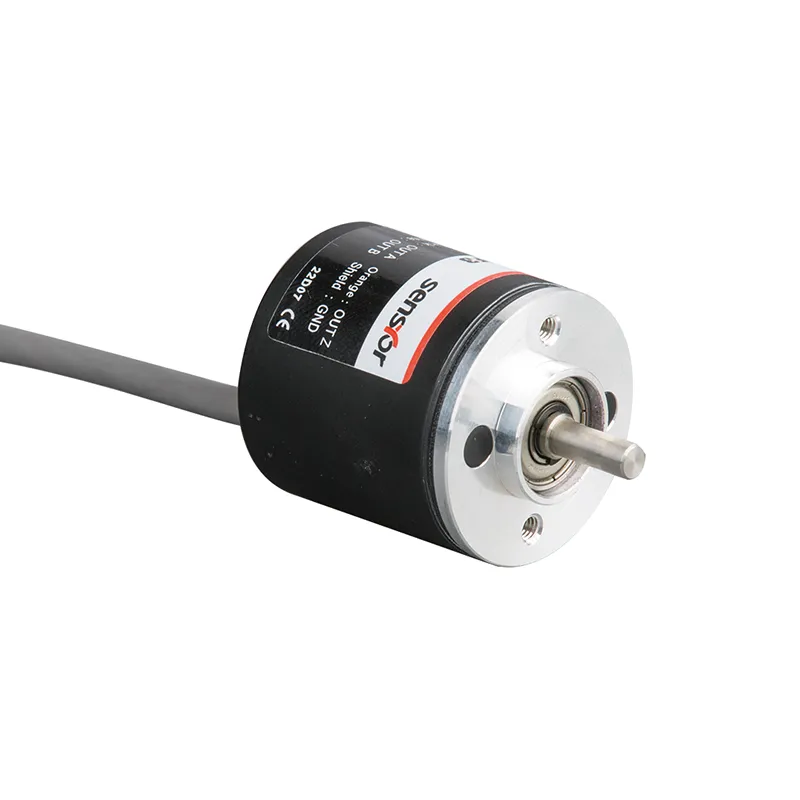
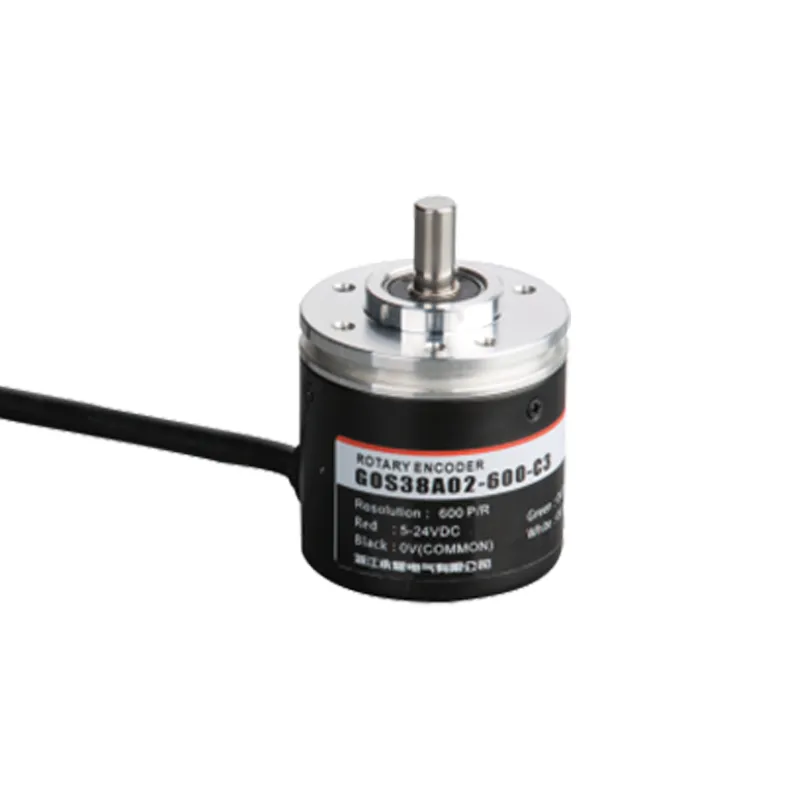
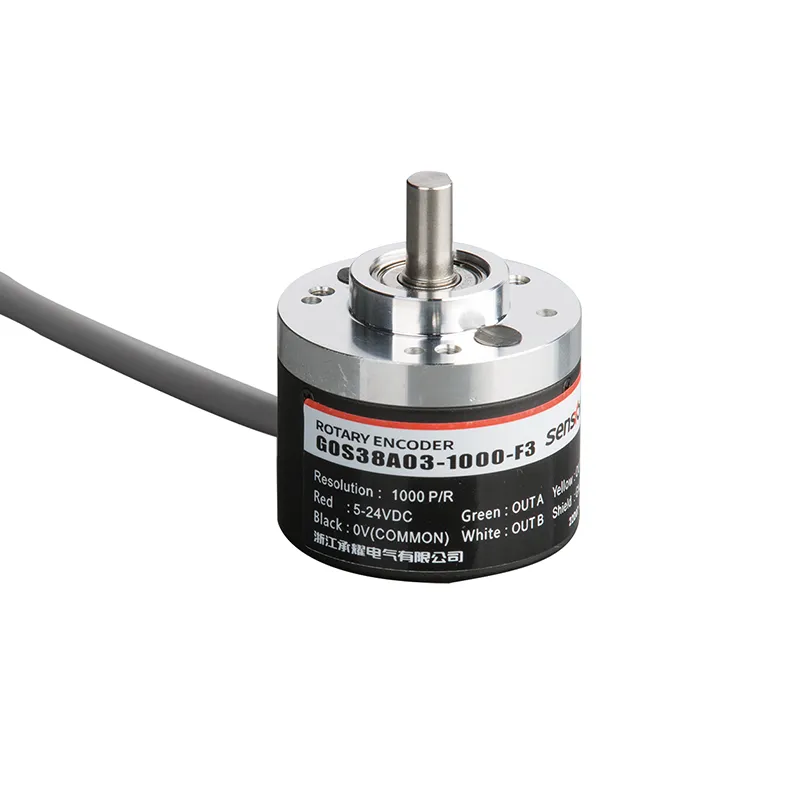
A motion control sensor is a device designed to detect movement within a defined area and trigger an automatic response. From smart homes to industrial automation, a motion control sensor plays a crucial role in improving efficiency, safety, and convenience.
In today’s technology-driven world, motion sensing systems are widely used to reduce manual effort, optimize energy usage, and enhance security across various environments.
Understanding Motion Detection Technology
Motion detection is based on identifying physical changes in an environment. These changes may include:
Heat variations
Sound waves
Electromagnetic signals
A motion sensing system continuously monitors its surroundings and reacts instantly when movement is detected.
How a Motion Control Sensor Works
A motion control sensor operates by detecting changes and converting them into signals that activate a system.
Detection Mechanism
Depending on the type, sensors may use:
Infrared radiation
Ultrasonic waves
Microwave signals
Signal Processing
Once motion is detected, the signal is sent to a controller, which then triggers an action such as:
Turning on lights
Activating alarms
Starting machines
Types of Motion Control Sensor
Passive Infrared Sensors
These sensors detect body heat and are commonly used in indoor environments.
Ultrasonic Sensors
They emit sound waves and measure reflections to detect movement.
Microwave Sensors
Use electromagnetic waves and can detect motion through obstacles.
Dual Technology Sensors
Combine multiple technologies to improve accuracy and reduce false alarms.
Key Components in Motion Sensor Systems
A typical system includes:
Sensor unit
Control module
Output device (actuator)
Each component works together to ensure accurate motion detection and response.
Applications of Motion Control Sensor
Home Automation Systems
Used for automatic lighting, smart thermostats, and security systems.
Industrial Automation
Helps monitor machinery and automate production processes.
Healthcare Monitoring
Tracks patient movement and enhances safety in medical facilities.
Automotive Systems
Used in parking assistance and driver monitoring systems.
Benefits of Motion Control Sensor
Energy Efficiency
Devices operate only when motion is detected, reducing power consumption.
Enhanced Security
Detects unauthorized movement and triggers alerts.
Convenience and Automation
Eliminates the need for manual operation in many scenarios.
Challenges and Limitations
False Triggers
Sensors may react to pets or environmental changes.
Environmental Sensitivity
Temperature, humidity, and obstacles can affect performance.
Comparison with Traditional Sensors
Feature
Motion Control Sensor
Traditional Sensor
Function
Detects movement
Detects static conditions
Automation
High
Low
Efficiency
High
Moderate
Installation Best Practices
Install at optimal height and angle
Avoid obstructions
Adjust sensitivity settings
Maintenance Tips
Clean sensor surfaces regularly
Test functionality periodically
Replace faulty components promptly
Future Trends in Motion Sensing
AI-powered detection systems
IoT-enabled smart sensors
Integration with smart home ecosystems
Buying Guide
When selecting a motion sensing device, consider:
Detection range
Sensitivity level
Power consumption
Compatibility
For technical standards, refer to: 👉 https://www.ieee.org/ (DoFollow external link to IEEE)
It detects movement and triggers automated responses.
2. Are motion sensors energy efficient?
Yes, they reduce energy usage by operating only when needed.
3. Can motion sensors work in the dark?
Yes, most types function regardless of lighting conditions.
4. Where should motion sensors be installed?
Entrances, hallways, and high-traffic areas.
5. What is the best type of motion sensor?
Dual technology sensors offer the highest accuracy.
6. Do motion sensors require maintenance?
Yes, periodic cleaning and testing are recommended.
Conclusion
A motion control sensor is a powerful tool for modern automation. It enhances efficiency, improves safety, and supports smart system integration across homes, industries, and commercial spaces.
📊 Comprehensive Outline for “Koyo encoder replacement” Heading Level Topic H1 Koyo Encoder Replacement: 15 Expert Tips for Fast Upgrade H2 Introduction to Koyo encoder replacement H3 What is Koyo encoder replacement H3 Why replacement is necessary H2 Signs You Need a Koyo encoder replacement H3 Performance issues H3 Signal errors H2 Types of encoders […]
Introduction to Incremental Rotary Encoder An incremental rotary encoder is a widely used motion feedback device that converts rotational movement into electrical signals. These signals allow industrial control systems to measure speed, direction, and relative position with high accuracy. Modern manufacturing depends heavily on precise motion control. From automated production lines to robotics and packaging […]
📊 SEO-Optimized Outline for “IP65 encoder” Heading Level Topic H1 IP65 Encoder: 15 Essential Benefits and Industrial Use Cases H2 Introduction to IP65 Encoder H2 What Does IP65 Mean in Encoders H2 How an Encoder Works H2 Types of IP65 Encoder H2 Key Components of Encoder Systems H2 Industrial Applications H2 Advantages of Using IP65 […]
We use cookies to enhance your browsing experience, serve personalised ads or content, and analyse our traffic. By clicking "Accept All", you consent to our use of cookies.