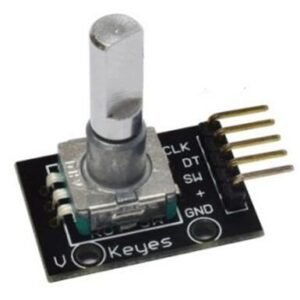
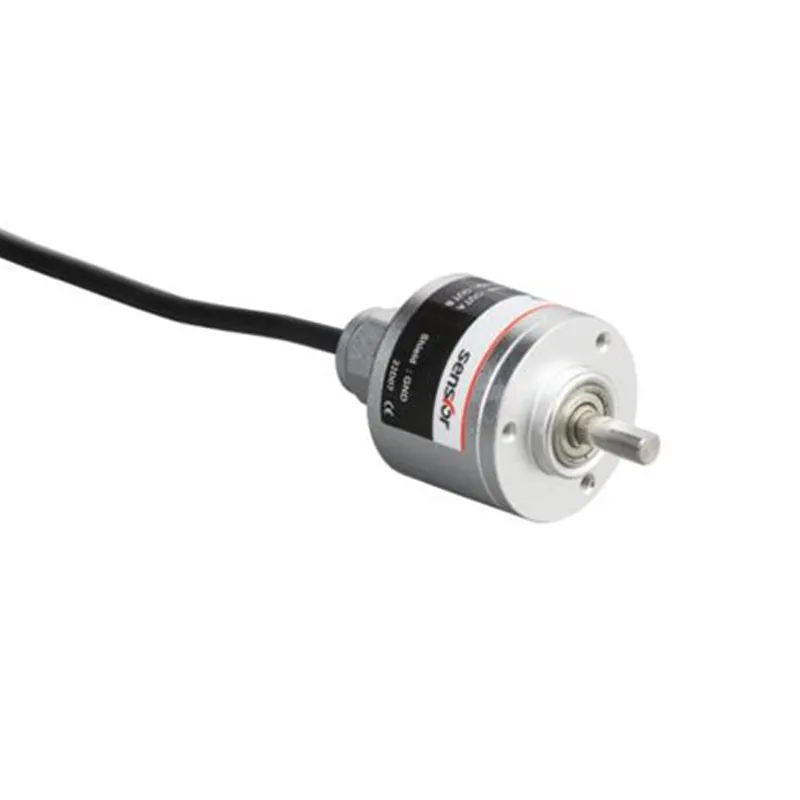
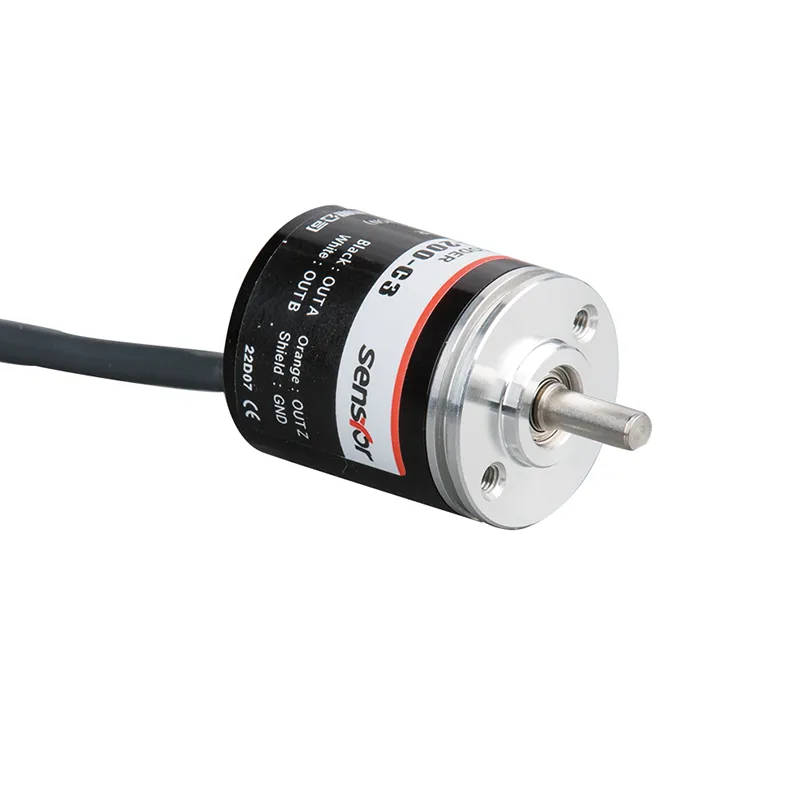
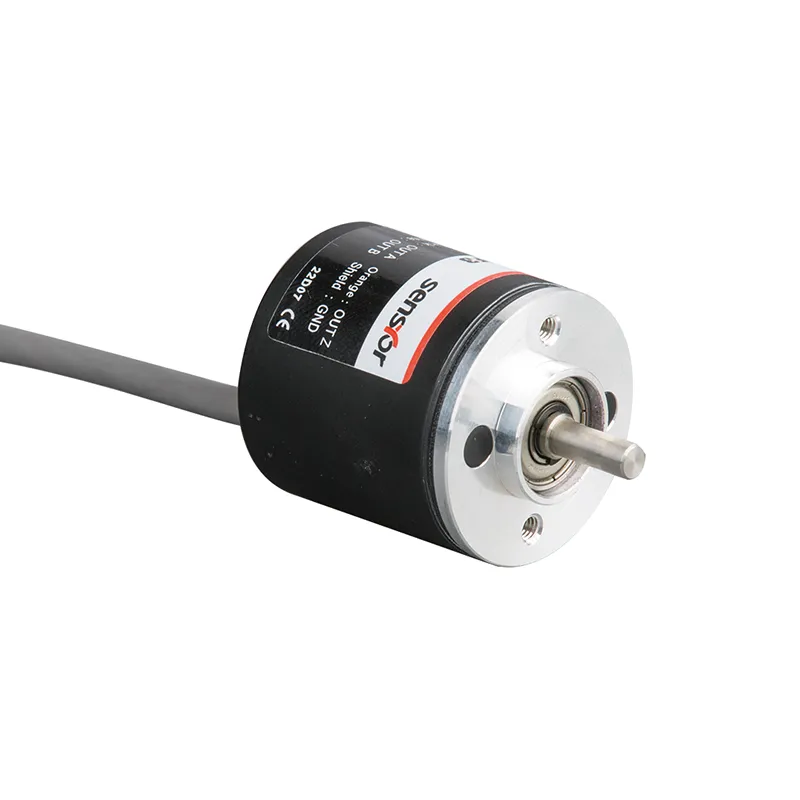
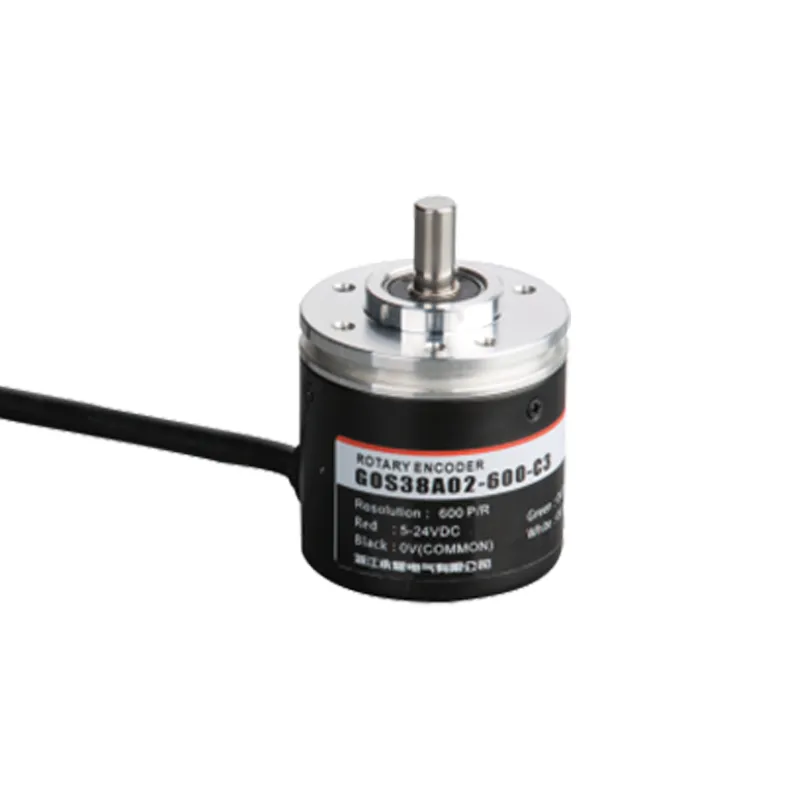
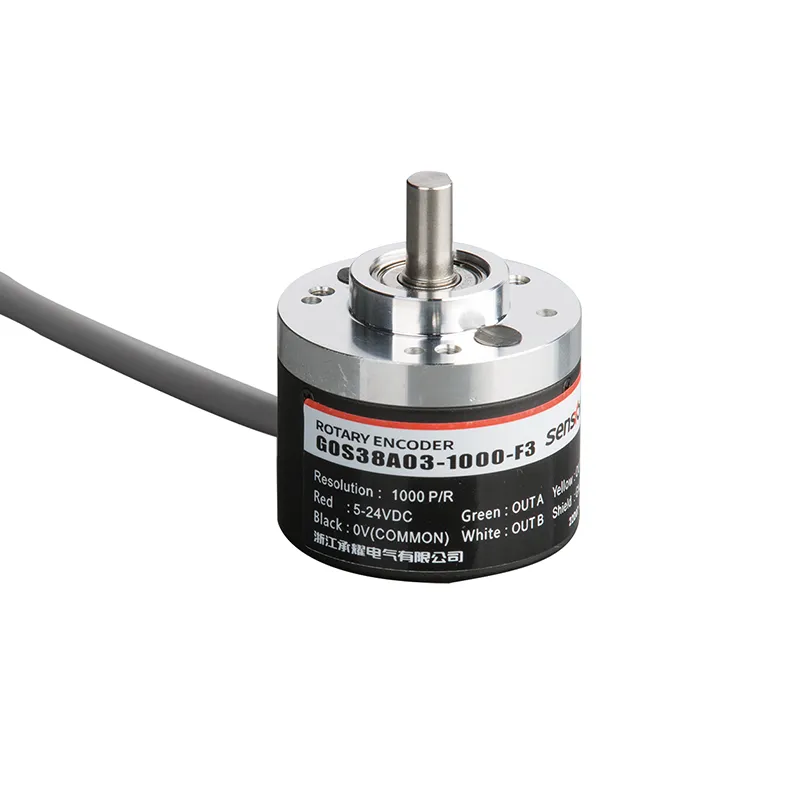
38mm rotary encoder technology is widely used in industrial automation systems that require compact size and precise motion feedback. A 38mm rotary encoder converts rotational movement into electrical signals, allowing machines to monitor speed, direction, and shaft position with high accuracy.
Because of its compact design, the 38mm rotary encoder is commonly installed in robotics, CNC systems, packaging equipment, servo motors, and conveyor systems. Modern factories rely on the 38mm rotary encoder to improve automation efficiency and reduce positioning errors.
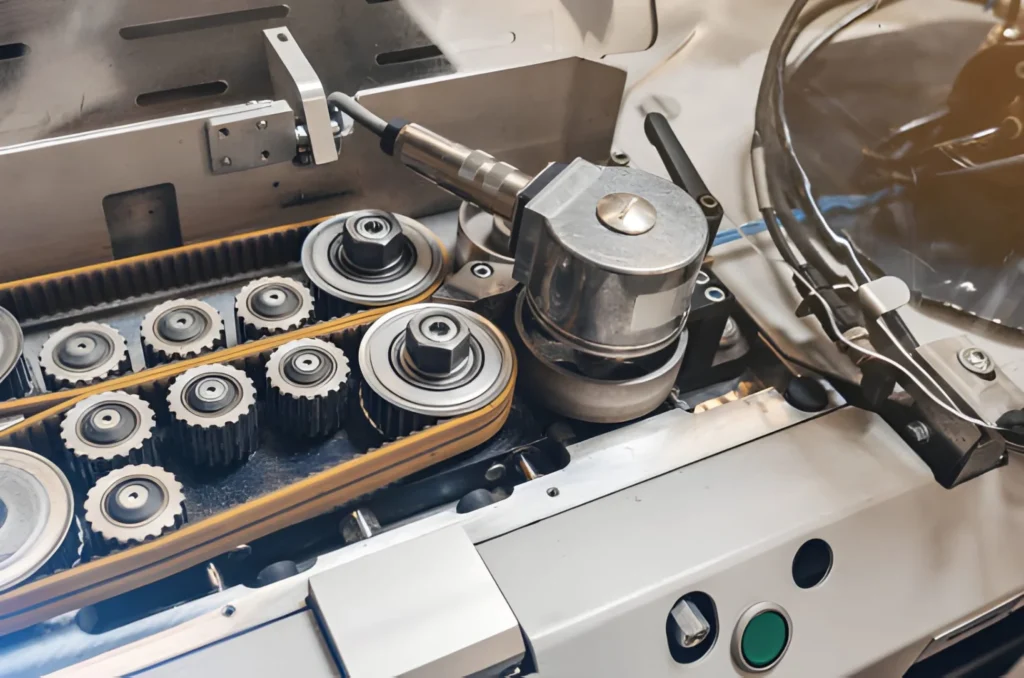
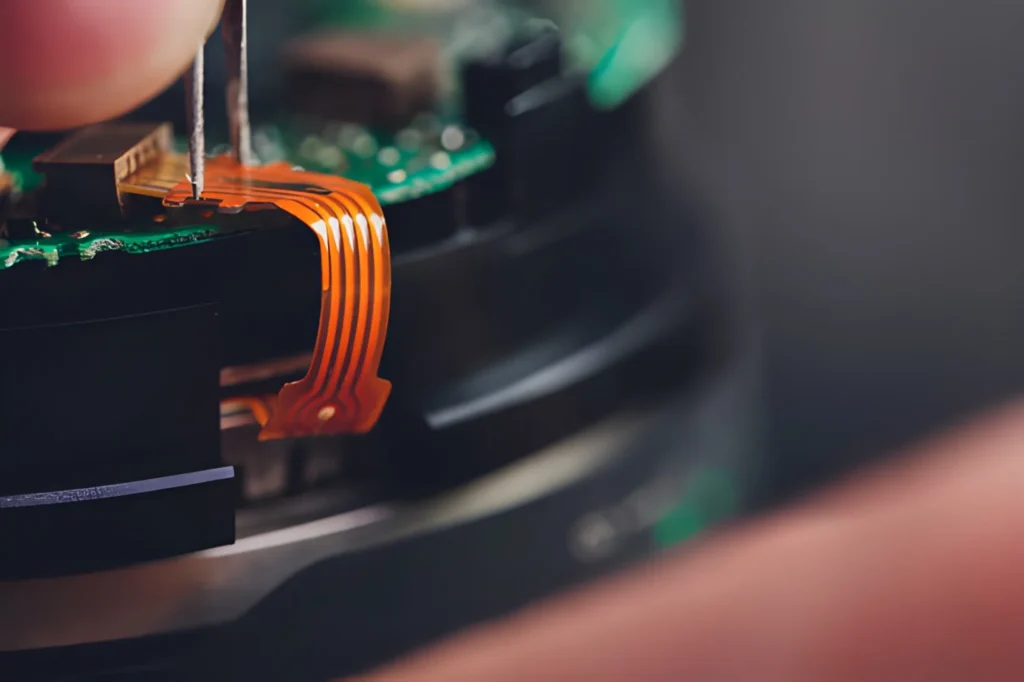
38mm rotary encoder installed in industrial automation machinery for precise motion feedback
What is a 38mm Rotary Encoder
A 38mm rotary encoder is a compact rotary sensing device with a 38mm housing diameter. The 38mm rotary encoder detects shaft movement and generates electronic signals for control systems.
The 38mm rotary encoder is available in incremental and absolute versions. Incremental models provide pulse outputs, while absolute versions provide exact position data even after power interruption.
The small form factor of the 38mm rotary encoder makes it ideal for limited-space industrial systems.
Key Features of 38mm Rotary Encoder
High Precision 38mm Rotary Encoder Performance
A 38mm rotary encoder delivers stable and accurate pulse feedback for industrial automation systems.
Compact Design of 38mm Rotary Encoder
The compact housing allows the 38mm rotary encoder to fit into tight installation spaces.
Durable 38mm Rotary Encoder Construction
A high-quality 38mm rotary encoder is designed to resist vibration, dust, and industrial wear.
Flexible Output Options for 38mm Rotary Encoder
Most 38mm rotary encoder models support multiple signal outputs, including TTL, HTL, and open collector.
Types of 38mm Rotary Encoder
Incremental 38mm Rotary Encoder
An incremental 38mm rotary encoder generates pulses based on shaft movement and is commonly used for speed and direction monitoring.
High-Resolution 38mm Rotary Encoder Systems
High-resolution 38mm rotary encoder systems improve motion accuracy in CNC and robotics applications.
Absolute 38mm Rotary Encoder
An absolute 38mm rotary encoder provides exact position information for advanced automation systems.
Applications of 38mm Rotary Encoder
38mm Rotary Encoder in Robotics
The 38mm rotary encoder enables accurate robotic arm positioning and smooth movement control.
38mm Rotary Encoder in CNC Machines
CNC systems use the 38mm rotary encoder for precise axis positioning and machining accuracy.
38mm Rotary Encoder in Packaging Equipment
Packaging machinery depends on the 38mm rotary encoder for synchronized motion control.
38mm Rotary Encoder in Conveyor Systems
The 38mm rotary encoder helps monitor conveyor speed and positioning in industrial production lines.
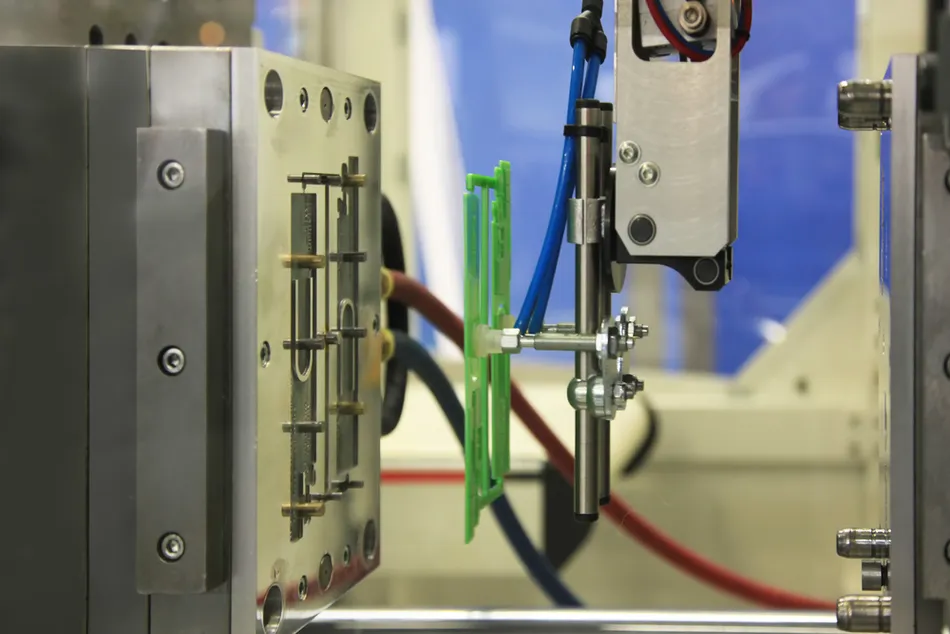
38mm rotary encoder providing accurate rotational feedback in CNC automation systems
Benefits of 38mm Rotary Encoder
Using a 38mm rotary encoder provides several advantages:
High precision motion detection
Compact installation design
Reliable industrial performance
Long operational lifespan
Stable signal output
Improved automation efficiency
The 38mm rotary encoder is ideal for modern compact industrial systems where accuracy and reliability are essential.
How to Choose a 38mm Rotary Encoder
When selecting a 38mm rotary encoder, consider the following factors:
The 38mm rotary encoder is a compact and highly reliable solution for modern industrial automation. With accurate motion feedback, durable construction, and flexible integration options, the 38mm rotary encoder supports high-performance systems across robotics, CNC machinery, and industrial production lines.
📊 Comprehensive Outline for “encoder for robotics” Heading Level Topic H1 Encoder for Robotics: 15 Essential Insights for Precision H2 Introduction to Encoder for Robotics H3 What is an Encoder in Robotics H3 Why Precision Matters in Robotics H2 How Encoder for Robotics Works H3 Signal Conversion and Feedback H3 Role in Motion Control Systems […]
We use cookies to enhance your browsing experience, serve personalised ads or content, and analyse our traffic. By clicking "Accept All", you consent to our use of cookies.