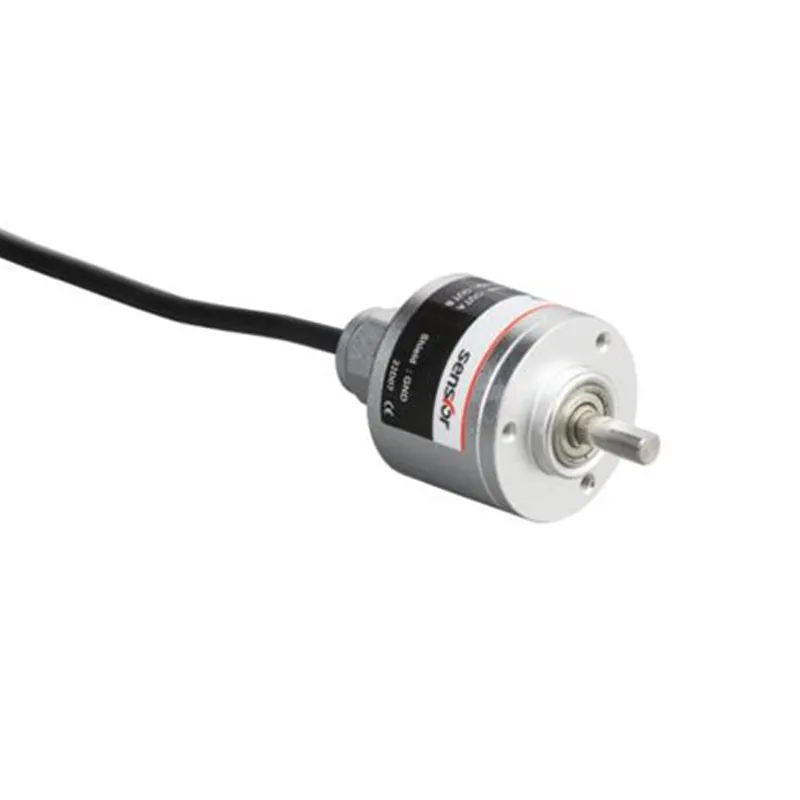
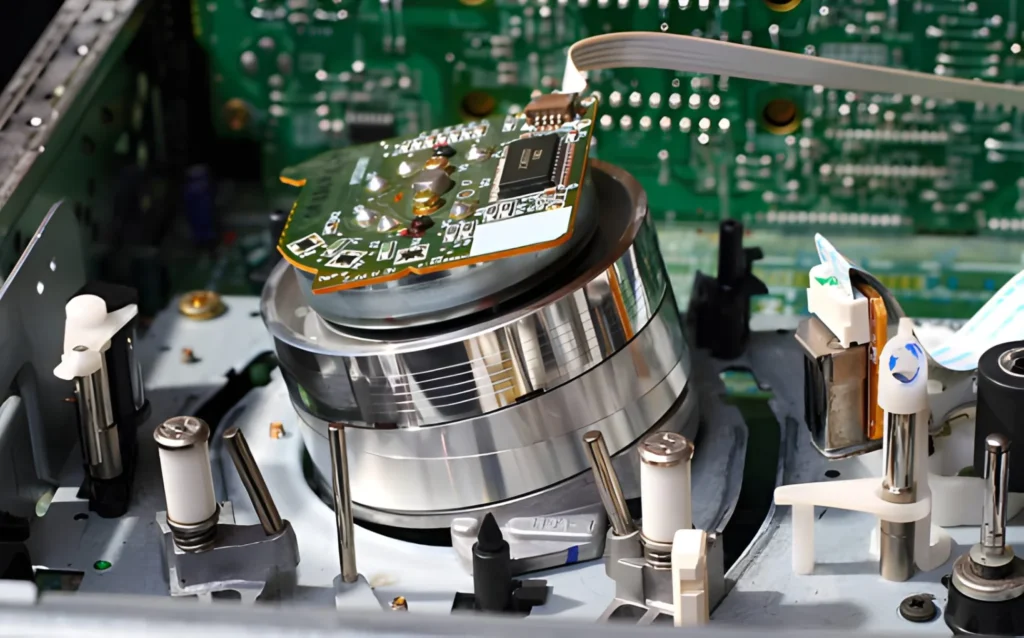
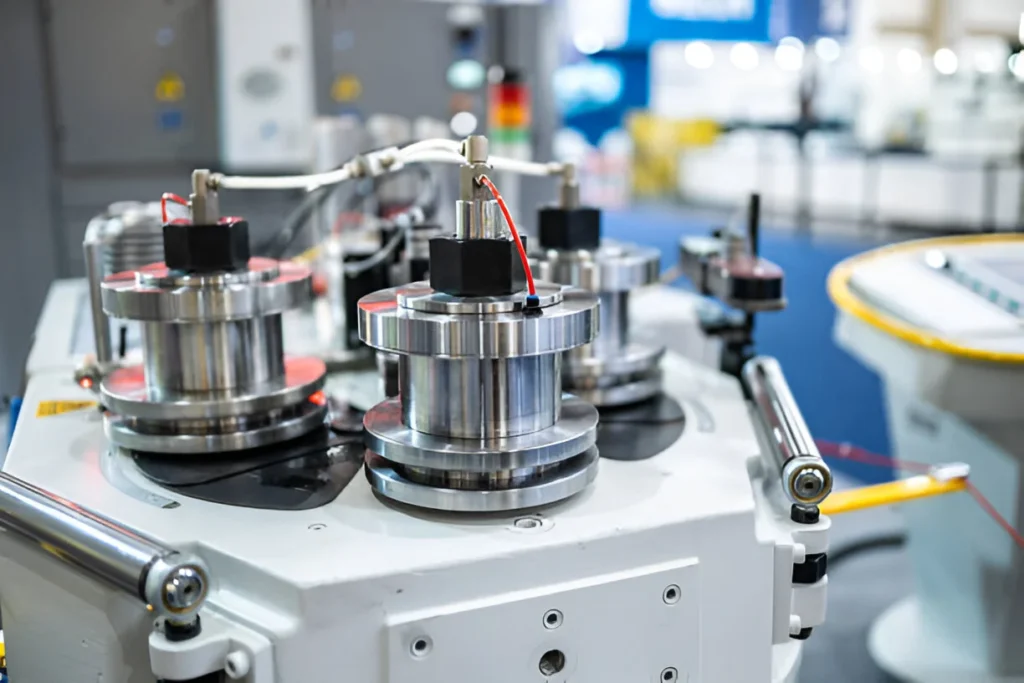
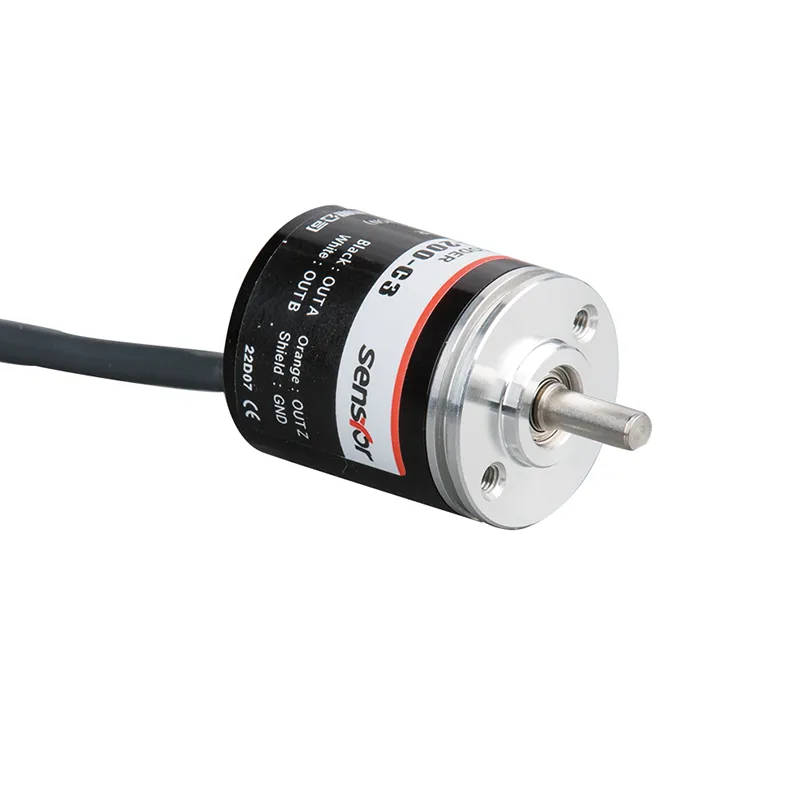
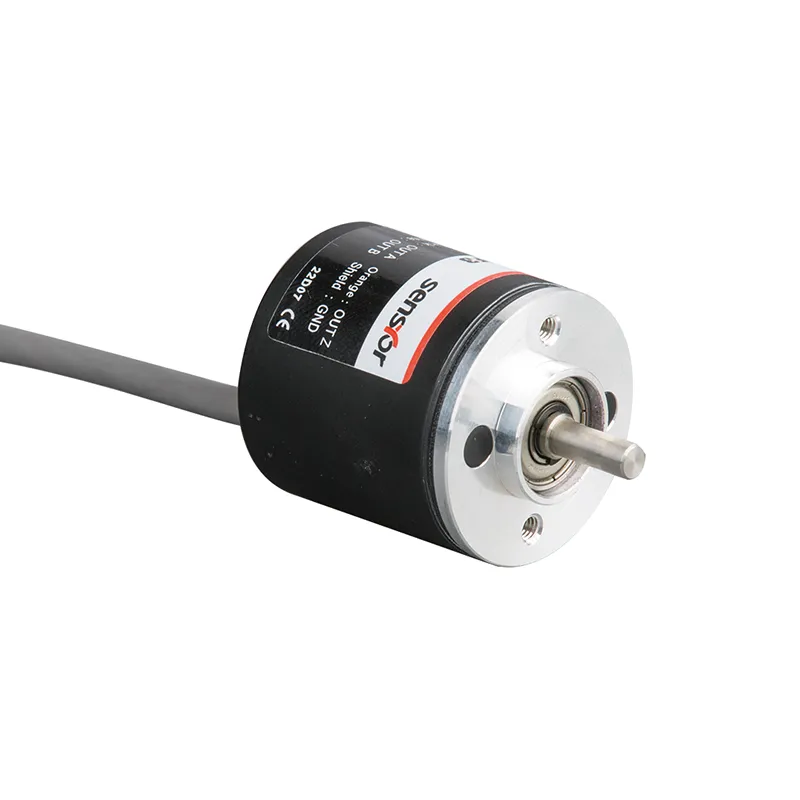
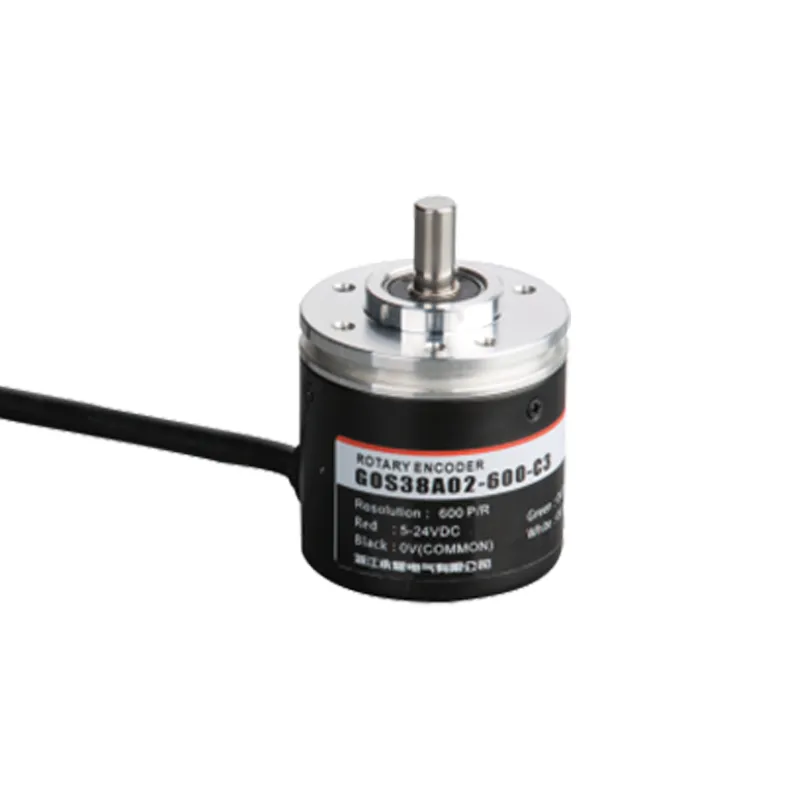
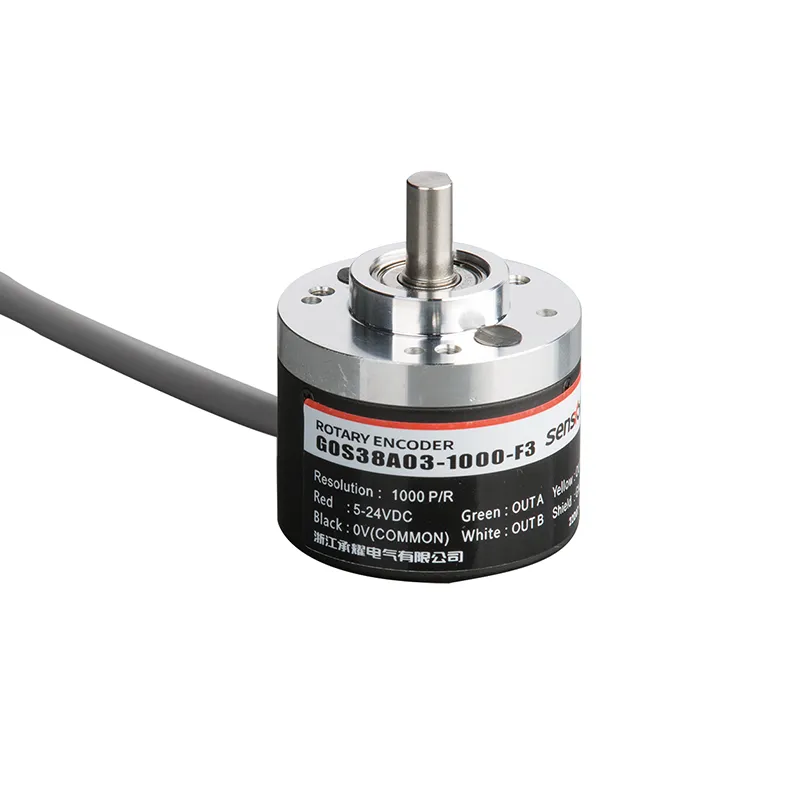
A slim rotary encoder is a compact sensing device designed to measure rotational position, speed, and direction in systems where space is limited. Unlike bulky traditional encoders, this streamlined version fits into tight mechanical assemblies without sacrificing accuracy.
Modern automation systems increasingly rely on the slim rotary encoder because it combines precision with space-saving design. From robotics to consumer electronics, it plays a vital role in ensuring smooth and accurate motion control.
How Slim Rotary Encoder Works
A slim rotary encoder converts rotational motion into electrical signals that a control system can interpret.
Signal Conversion Process
The shaft rotates
Sensors detect movement
Signals are generated
Controller processes the data
Position and Speed Detection
The encoder tracks both position and speed in real time, allowing systems to adjust instantly for optimal performance.
Types of Slim Rotary Encoder
There are several variations of the slim rotary encoder, each suited for different environments.
Optical Encoders
Use light beams for detection
Offer high precision
Ideal for clean environments
Magnetic Encoders
Use magnetic fields
Resistant to dust and vibration
Suitable for industrial use
Incremental vs Absolute
Type
Description
Incremental
Measures relative movement
Absolute
Provides exact position instantly
Key Components
A slim rotary encoder typically includes:
Sensor element
Code disc or magnetic ring
Signal processing circuit
Each component contributes to the overall efficiency and accuracy of the system.
Applications
Robotics
Robots use the slim rotary encoder for precise joint movement and positioning.
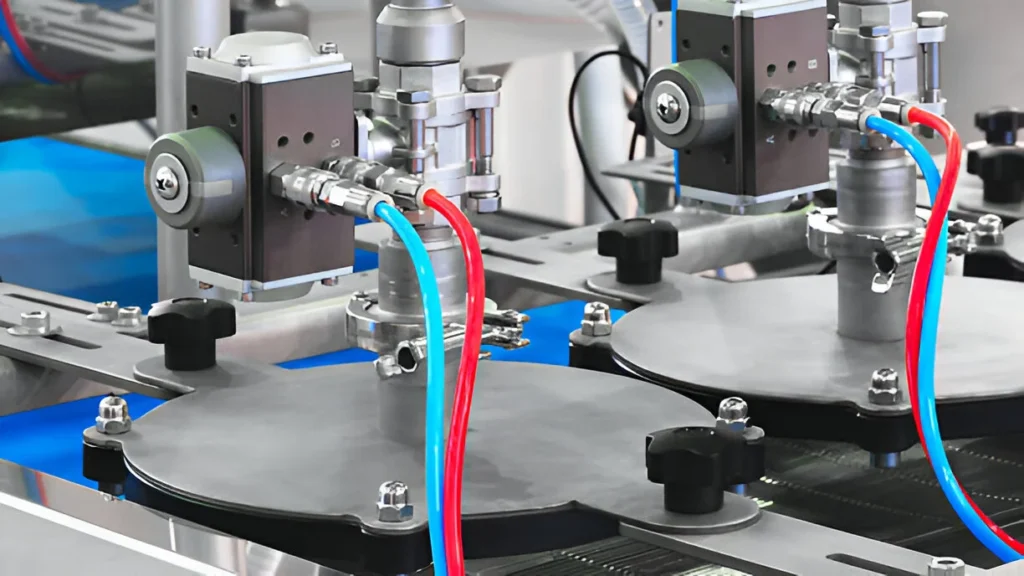
Industrial Automation
Used in conveyor systems and machinery for accurate motion tracking.
Medical Devices
Compact design makes it ideal for surgical equipment and diagnostic machines.
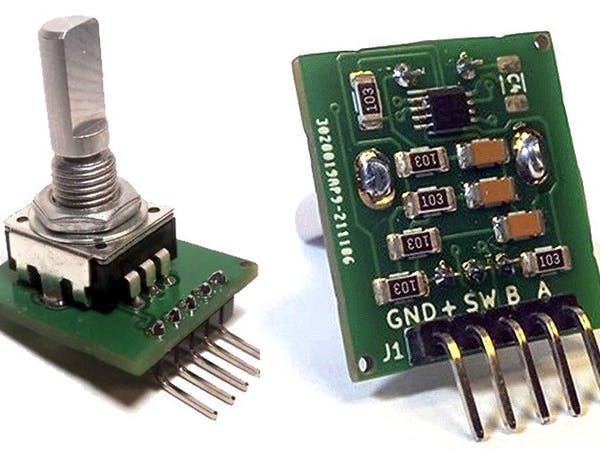
Consumer Electronics
Found in devices like cameras, knobs, and smart controls.
Benefits
Compact Design
The biggest advantage of a slim rotary encoder is its space-saving structure.
High Accuracy
Despite its size, it delivers precise measurements.
Energy Efficiency
Consumes less power compared to larger systems.
Limitations
Size Constraints
Smaller size may limit durability in extreme environments.
Sensitivity
Some models may be sensitive to environmental interference.
Comparison with Standard Encoders
Feature
Slim Rotary Encoder
Standard Encoder
Size
Compact
Larger
Precision
High
High
Installation
Easy
Moderate
Installation Tips
Ensure proper alignment
Avoid mechanical stress
Mount securely
Maintenance
Clean regularly
Check signal output
Replace worn components
Future Trends
Miniaturization
Encoders are becoming even smaller and more efficient.
Smart Integration
Integration with IoT systems allows real-time monitoring and analytics.
It is used to measure rotational movement in compact systems.
2. How accurate is a slim rotary encoder?
It offers high precision suitable for most industrial applications.
3. Where are slim rotary encoders used?
In robotics, automation, medical devices, and electronics.
4. What is the difference between slim and standard encoders?
Slim encoders are more compact and easier to install in tight spaces.
5. Are they durable?
Yes, but durability depends on the type and environment.
6. Do they require maintenance?
Minimal maintenance is required for optimal performance.
Conclusion
The slim rotary encoder is a powerful solution for modern systems that demand both precision and compact design. Its versatility, efficiency, and accuracy make it a key component in advanced technologies.
As industries continue to move toward miniaturization and smart automation, the slim rotary encoder will play an even more important role in shaping the future of motion control.
Table of Contents 5000PPR Encoder Introduction 5000PPR encoder technology is widely used in industrial automation systems that require highly accurate speed, position, and direction feedback. A 5000PPR encoder generates 5,000 pulses during one complete shaft revolution, making it an excellent choice for applications where precision is critical. Compared with lower-resolution encoders, a 5000PPR encoder provides […]
Table of Contents Introduction to 24V Encoder 24V encoder technology is widely used in industrial automation systems that require accurate motion feedback and stable signal transmission. A 24V encoder converts rotational movement into electrical output signals, allowing machines to monitor speed, direction, and position with high precision. Modern manufacturing systems rely on the 24V encoder […]
📊 Comprehensive Outline for “CE certified encoder” Heading Level Topic H1 CE Certified Encoder: Essential Guide for Compliance H2 Introduction to CE certified encoder H3 What is a CE certified encoder H3 Why CE certification matters H2 How encoder certification works H3 CE marking requirements H3 Compliance process overview H2 Types of encoders in certified […]
We use cookies to enhance your browsing experience, serve personalised ads or content, and analyse our traffic. By clicking "Accept All", you consent to our use of cookies.