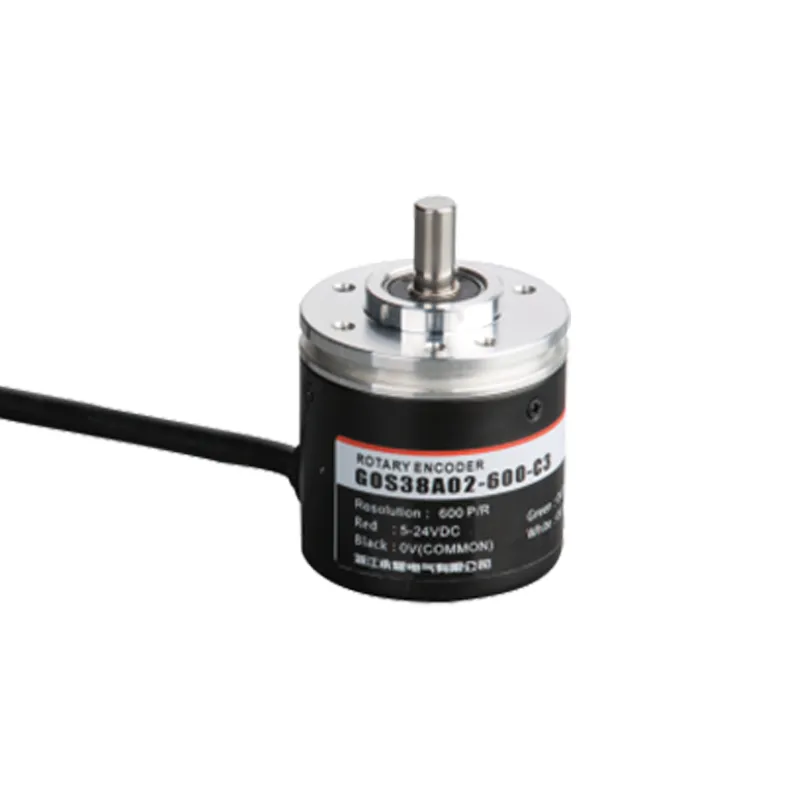
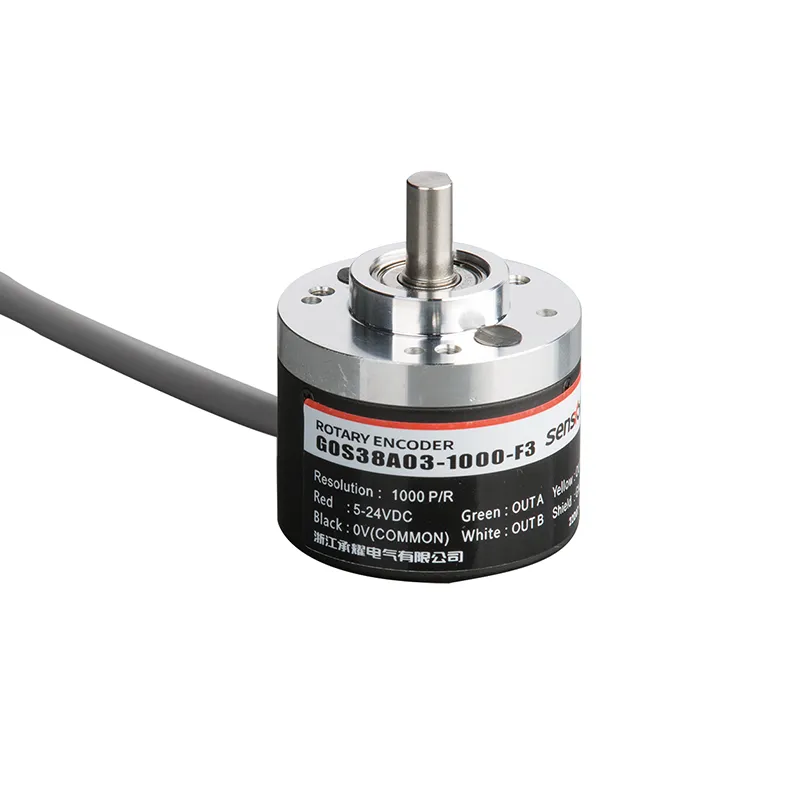
A 48mm encoder is an essential component used in industrial automation systems for accurate motion control, speed detection, and shaft positioning. This type of rotary encoder is widely used in machinery, robotics, conveyor systems, CNC equipment, and factory automation because it delivers reliable performance and precise feedback.
Modern industries rely heavily on automation technology, and encoder devices play a critical role in maintaining operational accuracy. Whether monitoring rotational movement or controlling machine positioning, a 48mm encoder helps improve efficiency and reduce system errors.
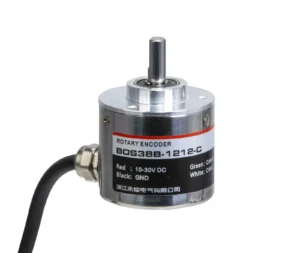
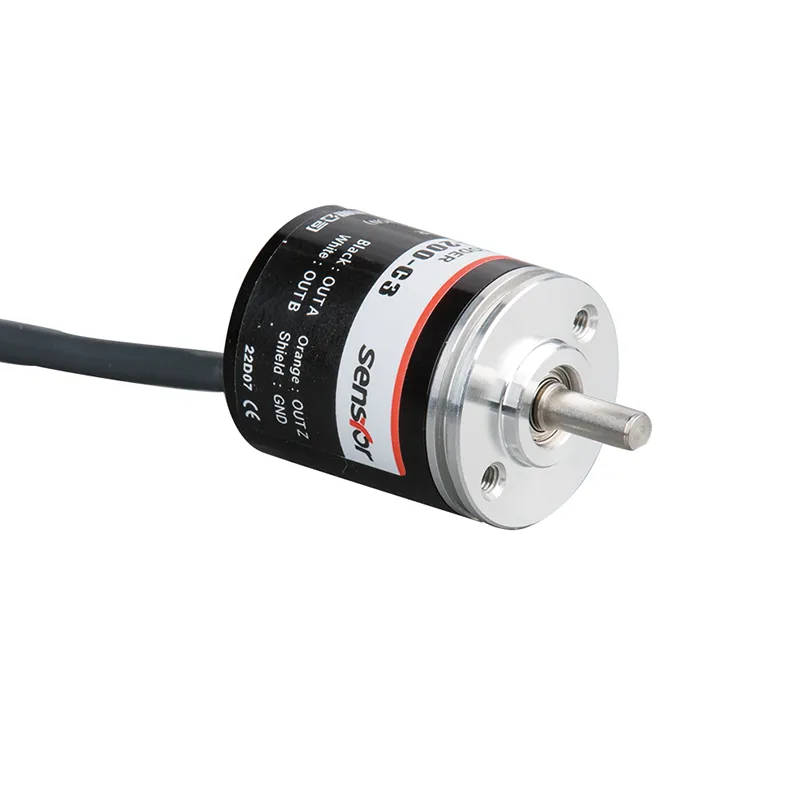
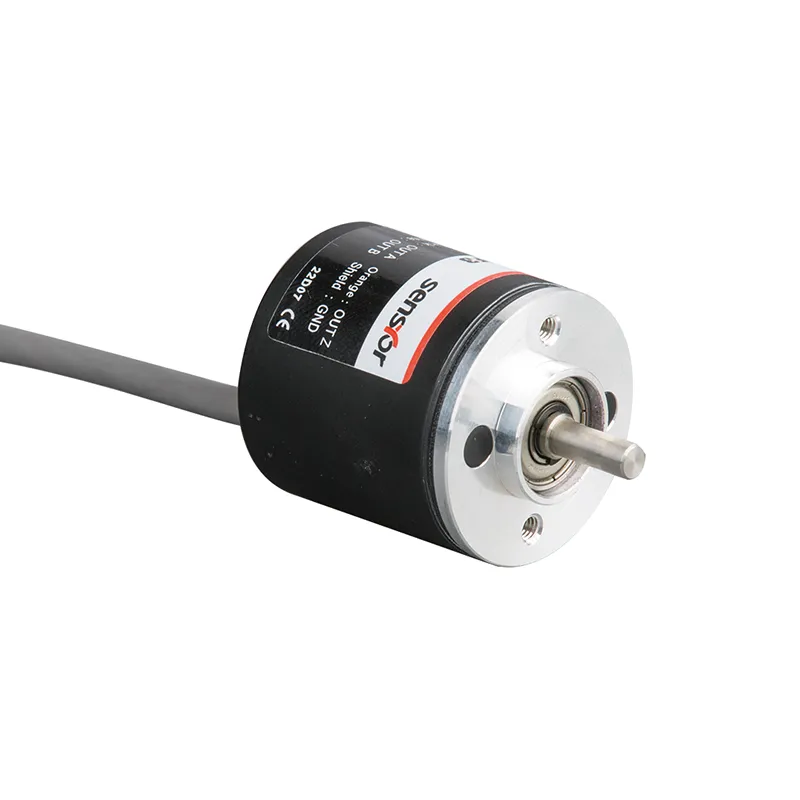
High-precision 48mm encoder used in industrial motion control applications.
What is a 48mm Encoder?
A 48mm encoder is a rotary feedback device with a 48-millimeter housing diameter. It converts mechanical motion into electrical signals that can be interpreted by control systems.
These devices are commonly used for:
Position monitoring
Speed measurement
Motion feedback
Direction detection
Automation control systems
Most industrial encoders are available in two main types:
Incremental Encoder
An incremental encoder generates pulses based on movement. It is commonly used in speed and position monitoring systems.
Absolute Encoder
An absolute encoder provides a unique position value even after power loss, making it ideal for precision applications.
It is used for motion control, speed monitoring, and position feedback in industrial systems.
2. What is the difference between incremental and absolute encoders?
Incremental encoders generate pulse signals, while absolute encoders provide exact position values.
3. Are rotary encoders suitable for harsh environments?
Yes, industrial-grade models are designed for demanding environments.
4. Can a 48mm encoder work with PLC systems?
Yes, most industrial encoders are compatible with PLC controllers.
5. Why is encoder resolution important?
Higher resolution improves positioning accuracy and control precision.
6. How often should encoder systems be maintained?
Regular inspection is recommended to ensure stable performance.
Conclusion
A 48mm encoder is a reliable and versatile solution for industrial automation, robotics, CNC systems, and motion control applications. Its compact design, high precision, and durability make it ideal for modern manufacturing environments.
By selecting the correct rotary encoder and ensuring proper installation, businesses can improve productivity, reduce downtime, and achieve better operational accuracy.
📑 Comprehensive Outline of Incremental Encoder Heading Level Topic H1 Incremental Encoder: 7 Powerful Insights to Master Precision Motion Control H2 Introduction to Incremental Encoder H3 What is an Incremental Encoder? H3 Importance in Modern Automation H2 How an Incremental Encoder Works H3 Basic Working Principle H4 Signal Generation Explained H4 Pulse Counting Mechanism H2 […]
he GOH38AO1 38mm slim 10000P/R rotary encoder is a compact rotary encoder configuration identified by the supplied model name, 38mm slim design, and 10,000 pulses-per-revolution specification. Its compact form can be relevant to industrial machines where installation space is limited while high-resolution rotational feedback is required. A rotary encoder converts shaft rotation into an electrical […]
Introduction to 50mm Encoder A 50mm encoder is a compact yet powerful motion sensing device widely used in industrial automation, robotics, and precision machinery. Designed with a 50mm housing size, it offers an ideal balance between space efficiency and performance. A 50mm encoder helps convert mechanical motion into electrical signals, enabling accurate position and speed […]
We use cookies to enhance your browsing experience, serve personalised ads or content, and analyse our traffic. By clicking "Accept All", you consent to our use of cookies.