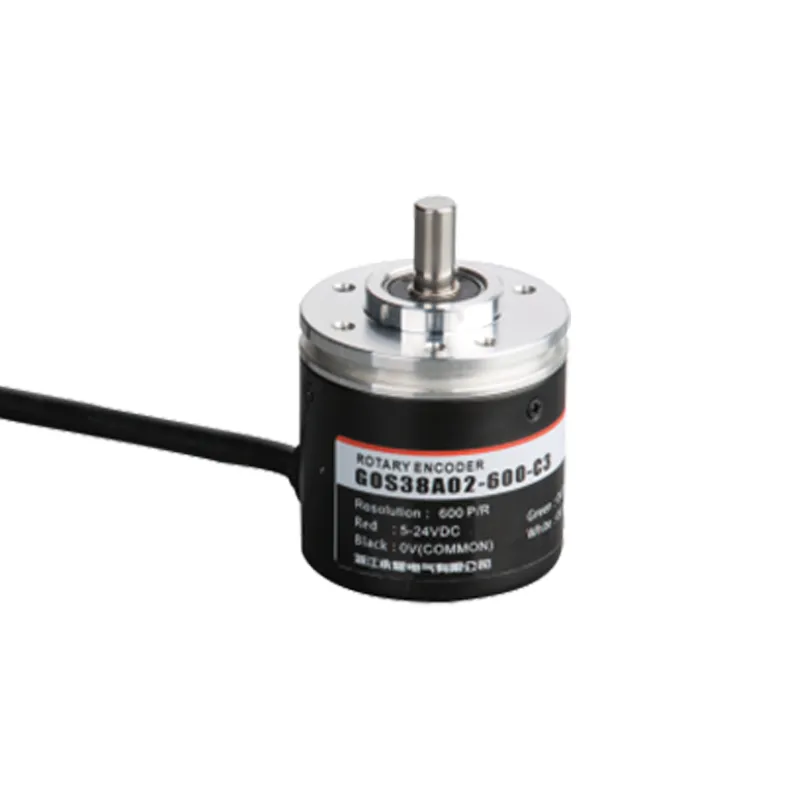
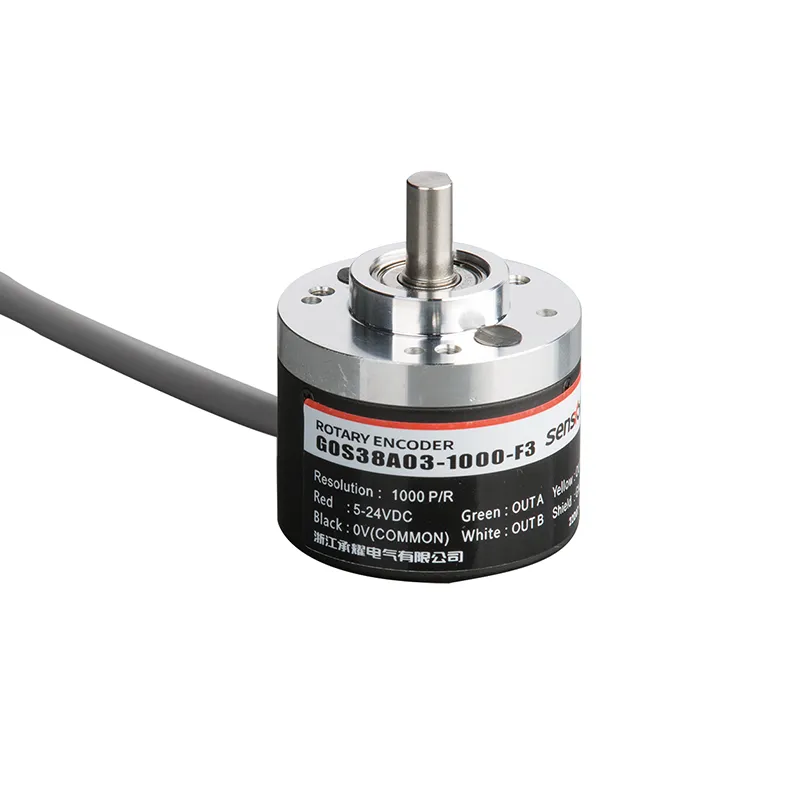
ODM encoder solutions have become increasingly important in industrial automation, robotics, motion control, and smart manufacturing. Unlike standard off-the-shelf products, an ODM encoder is designed and manufactured according to a customer’s specific technical requirements, allowing businesses to develop unique products while reducing development time and engineering costs.
What Is an ODM Encoder?
An ODM encoder (Original Design Manufacturer encoder) is a customized encoder solution developed by a manufacturer and supplied under a customer’s brand or application requirements. An ODM approach enables companies to obtain specialized encoder products without investing heavily in internal research, development, and production resources.
For businesses seeking customized encoder solutions, product options can be explored at:
This flexibility makes an ODM encoder ideal for equipment manufacturers seeking product differentiation.
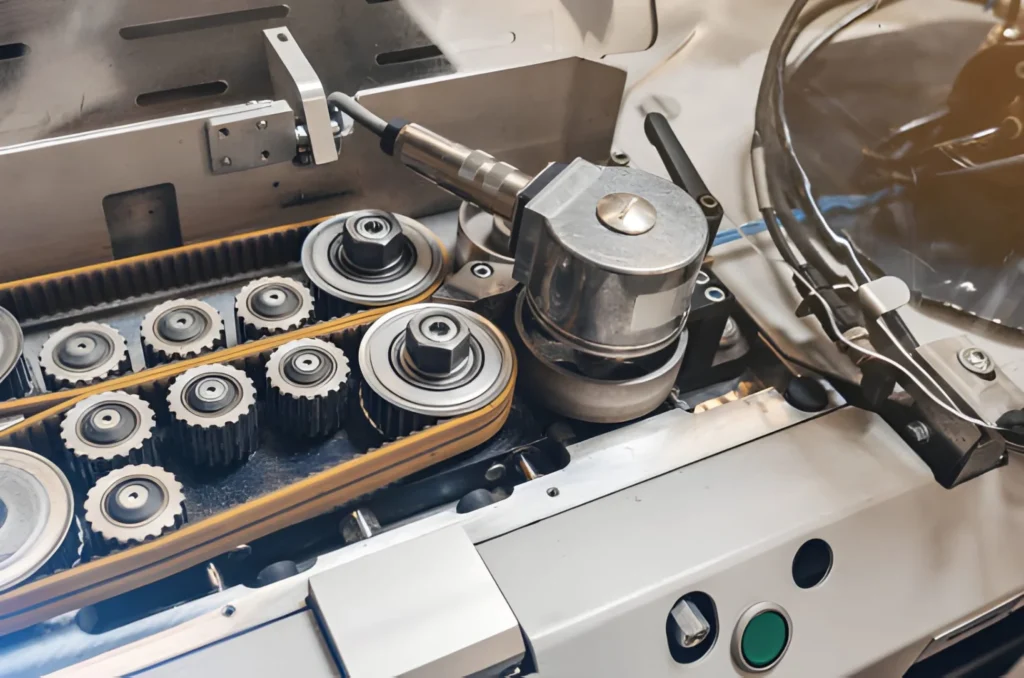
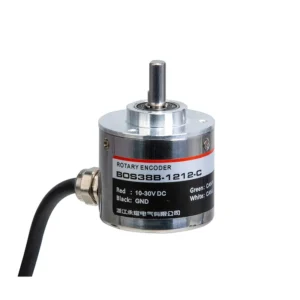
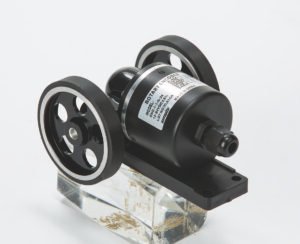
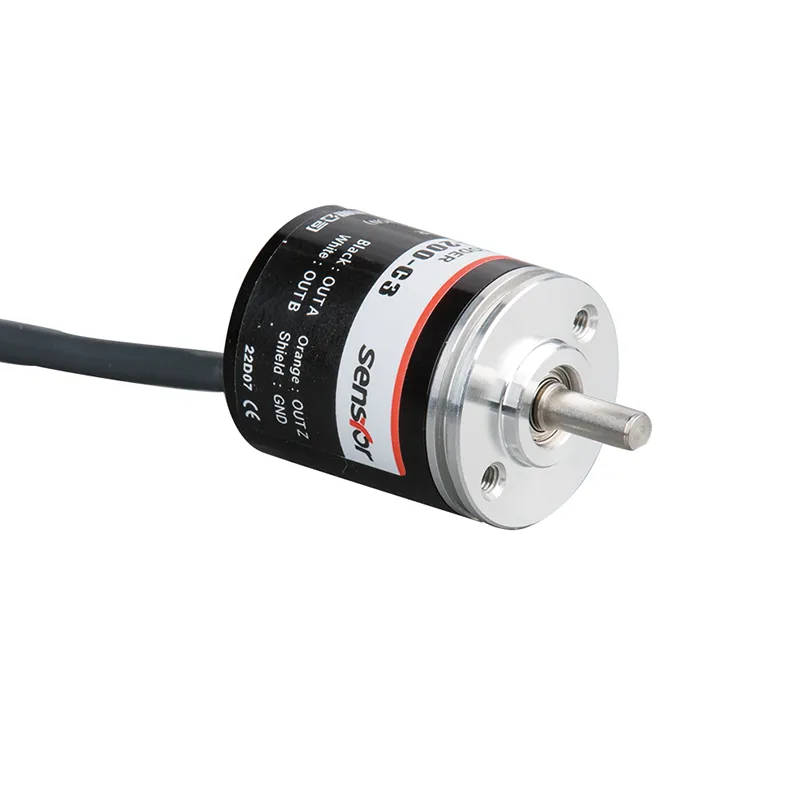
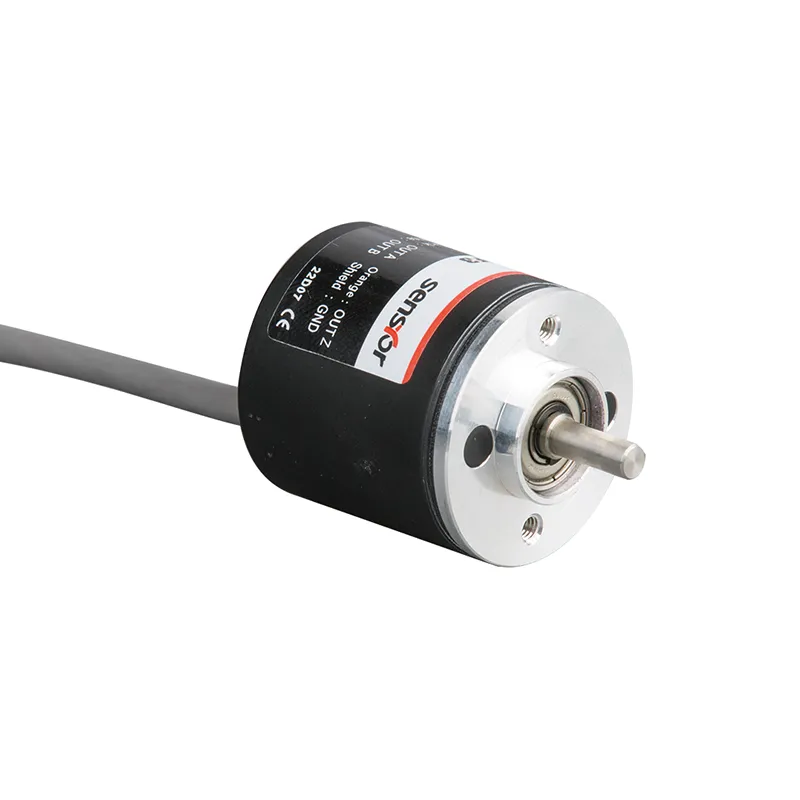
ODM encoder customized for industrial automation and motion control applications
ODM Encoder Features
High Precision ODM Encoder Performance
Modern ODM encoder products provide accurate position, speed, and direction feedback for industrial control systems. High-resolution designs support demanding applications requiring precise motion control.
Durable ODM Encoder Construction
An ODM encoder can be manufactured with rugged materials that withstand:
Dust exposure
Moisture
Mechanical vibration
Temperature fluctuations
Flexible ODM Encoder Signal Options
Many ODM encoder designs support:
Incremental output
Absolute output
SSI communication
CANopen interfaces
Modbus communication
ODM Encoder Integration Capabilities
Customized interfaces allow seamless integration with PLCs, servo drives, robotics controllers, and automated machinery.
ODM Encoder Customization Options
ODM Encoder Mechanical Customization
Manufacturers can modify:
Shaft diameter
Hollow shaft design
Flange configuration
Housing material
Connector type
ODM Encoder Electrical Customization
An ODM encoder can be designed with:
TTL output
HTL output
Push-pull signals
Open collector output
ODM Encoder Environmental Protection
Custom sealing options help improve performance in harsh environments, including mining, packaging, logistics, and heavy equipment applications.
ODM Encoder Applications
ODM Encoder for Industrial Automation
Industrial automation systems rely on ODM encoder solutions for precise positioning and motion synchronization.
ODM Encoder for Robotics
Robotic systems use ODM encoder technology to improve movement accuracy and repeatability.
ODM Encoder for Packaging Equipment
Packaging machinery benefits from customized encoder designs that improve production speed and consistency.
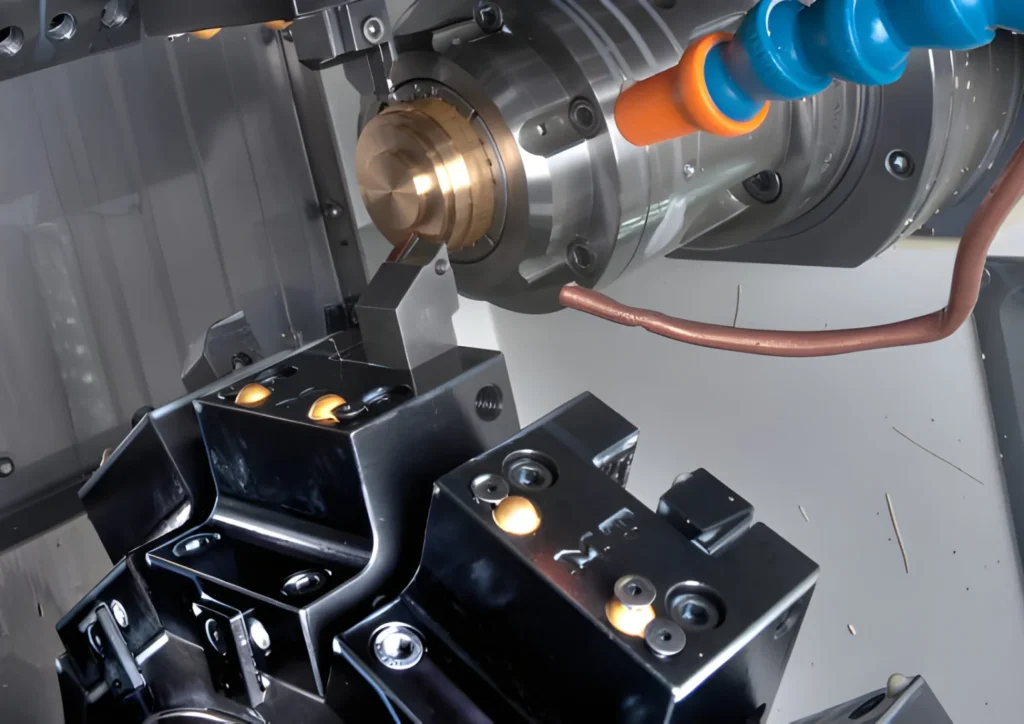
ODM Encoder for CNC Machines
A high-performance ODM encoder helps CNC equipment achieve precise positioning and enhanced machining quality.
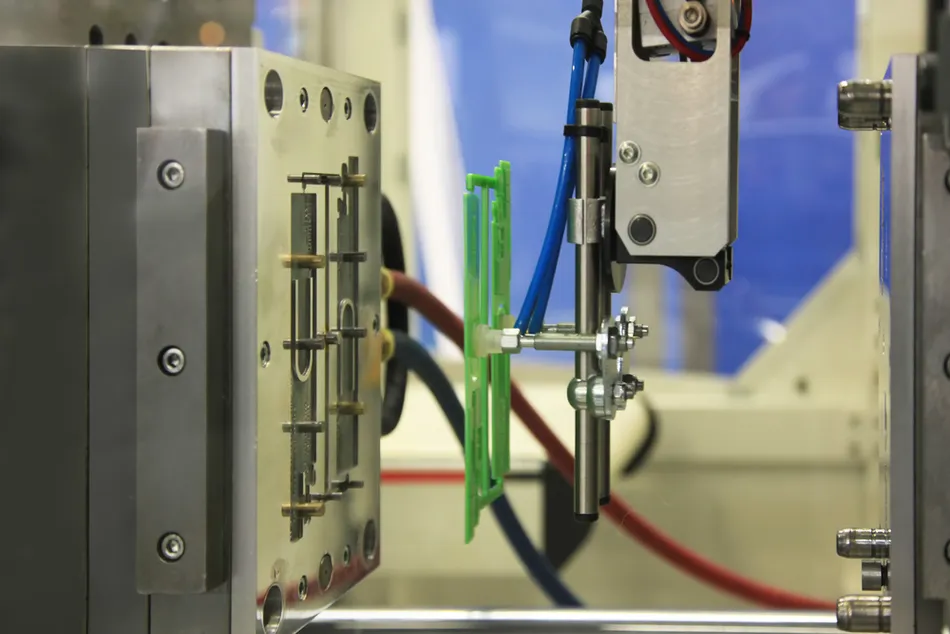
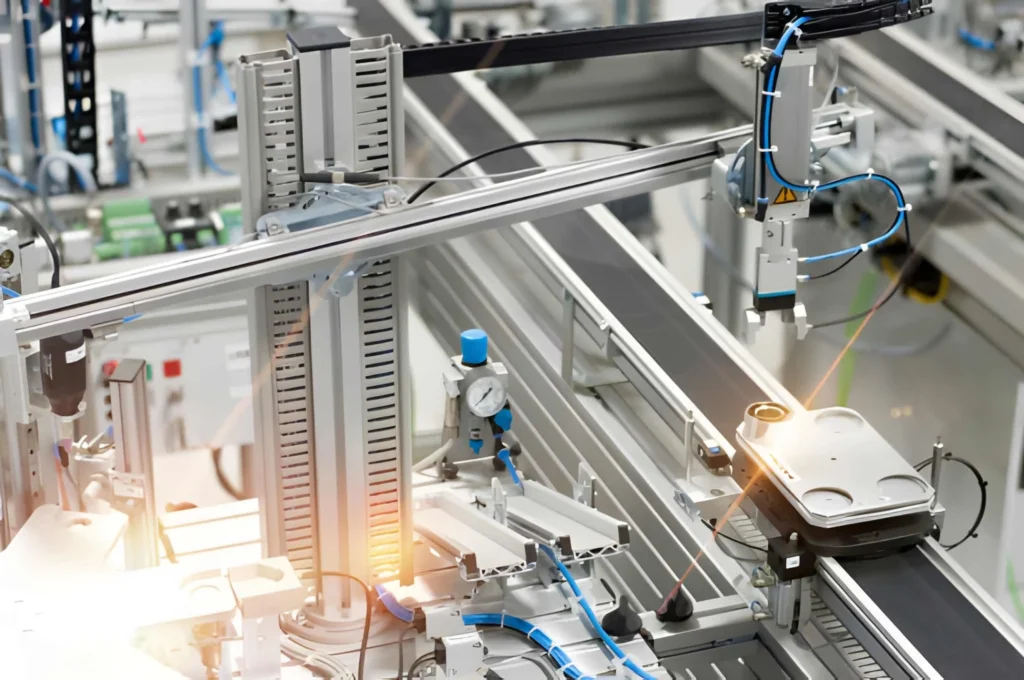
ODM encoder installed in automated manufacturing equipment for precise motion feedback
Benefits of ODM Encoder Solutions
Reduced Development Costs
Choosing an ODM encoder allows businesses to leverage existing engineering expertise instead of developing products from scratch.
Faster Time to Market
An ODM encoder solution accelerates product launches by reducing design and testing cycles.
Product Differentiation
Custom specifications help manufacturers create equipment that stands out in competitive markets.
Improved System Compatibility
An ODM encoder can be optimized for specific control systems and operational requirements.
How to Choose an ODM Encoder Supplier
When selecting an ODM encoder supplier, evaluate:
Engineering capabilities
Manufacturing experience
Quality certifications
Customization flexibility
Technical support
Long-term production capacity
Reliable suppliers should provide prototype development, testing services, and ongoing technical assistance.
These resources provide additional technical information regarding encoder technologies and industrial motion control applications.
FAQs
What is an ODM encoder?
An ODM encoder is a custom-designed encoder developed by a manufacturer according to specific customer requirements.
What industries use ODM encoder solutions?
Industries including automation, robotics, packaging, logistics, and CNC machining frequently use ODM encoder products.
Can an ODM encoder be customized?
Yes. An ODM encoder can be customized for housing size, shaft configuration, output signals, communication protocols, and environmental protection.
Why choose an ODM encoder instead of a standard encoder?
An ODM encoder provides better compatibility, product differentiation, and application-specific performance.
Conclusion
An ODM encoder offers manufacturers a flexible and cost-effective way to obtain customized motion feedback solutions. By combining precision, reliability, and application-specific design, an ODM encoder helps improve equipment performance across industrial automation, robotics, packaging, and CNC applications.
An incremental rotary encoder is a feedback device that converts rotational movement into electrical output signals. Depending on its configuration, an incremental encoder can provide information about rotational position, speed, direction, and pulse count to a control system. Incremental rotary encoders are widely considered for industrial machinery because their output signals can be processed by […]
📊 SEO-Optimized Outline (Content AI Structured) Heading Level Topic H1 China Encoder Supplier: 11 Powerful Ways to Choose the Best Manufacturer H2 What is a China Encoder Supplier H2 Why a China Encoder Supplier is Important H2 How a China Encoder Supplier Manufactures Encoders H2 Types of Products from a China Encoder Supplier H3 Optical […]
Introduction to 50mm Encoder A 50mm encoder is an essential device used in industrial automation systems to measure position, speed, rotation, and movement with high accuracy. Industries rely on this compact yet powerful component to improve machine control, production efficiency, and operational reliability. Whether used in robotics, CNC machinery, conveyor systems, or motor control, a […]
We use cookies to enhance your browsing experience, serve personalised ads or content, and analyse our traffic. By clicking "Accept All", you consent to our use of cookies.