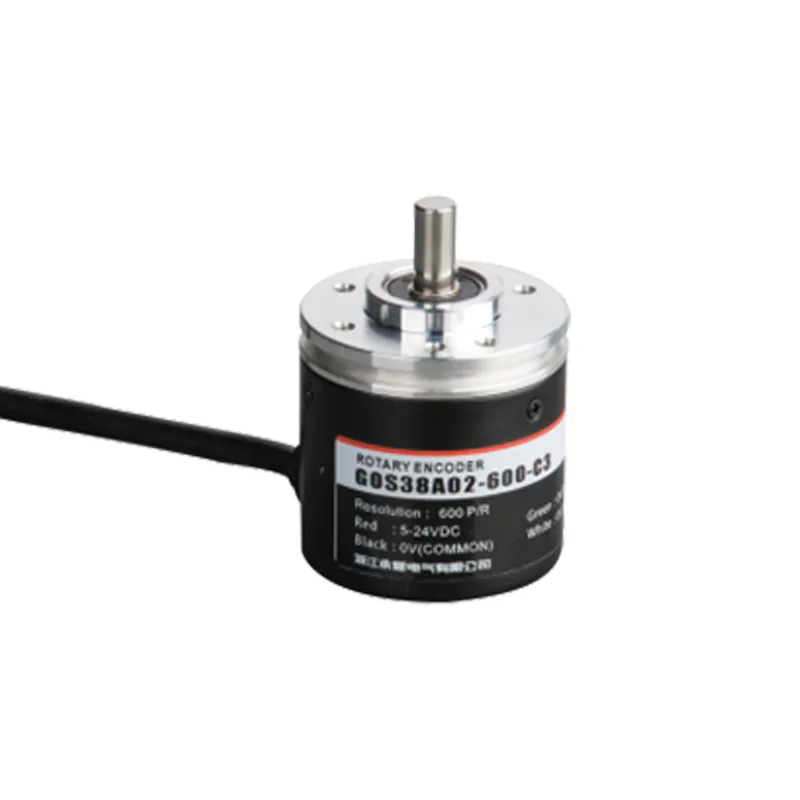
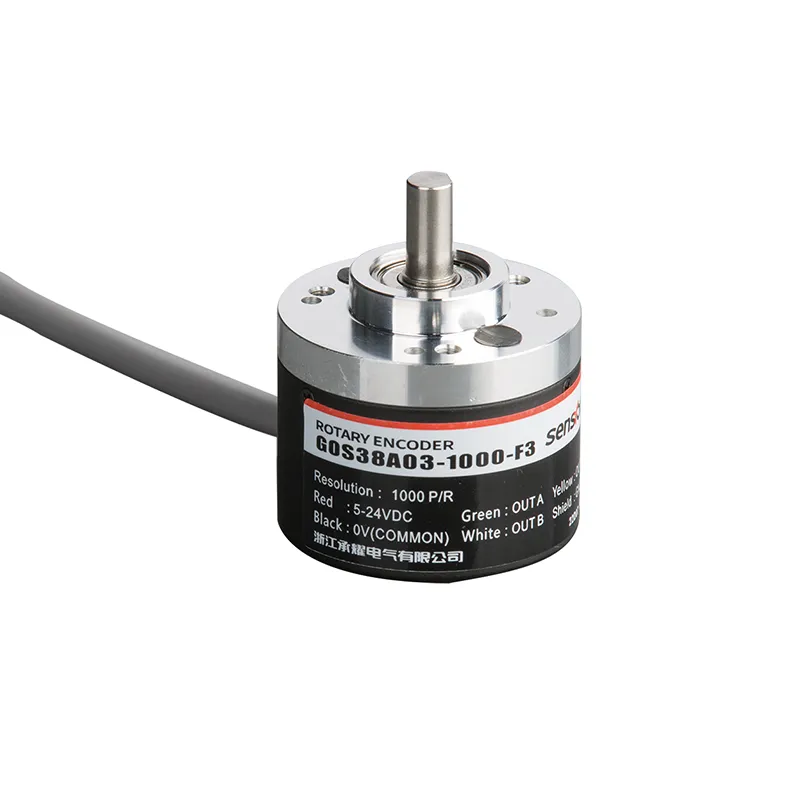
Custom encoder solutions are designed to meet specific motion control requirements that standard encoder products cannot fully satisfy. A custom encoder can be engineered with unique shaft dimensions, housing designs, electrical interfaces, resolutions, and environmental protection ratings to ensure seamless integration into specialized equipment.
Manufacturers in automation, robotics, medical devices, packaging machinery, and heavy industry increasingly rely on custom encoder technology to achieve optimal system performance and reliability.
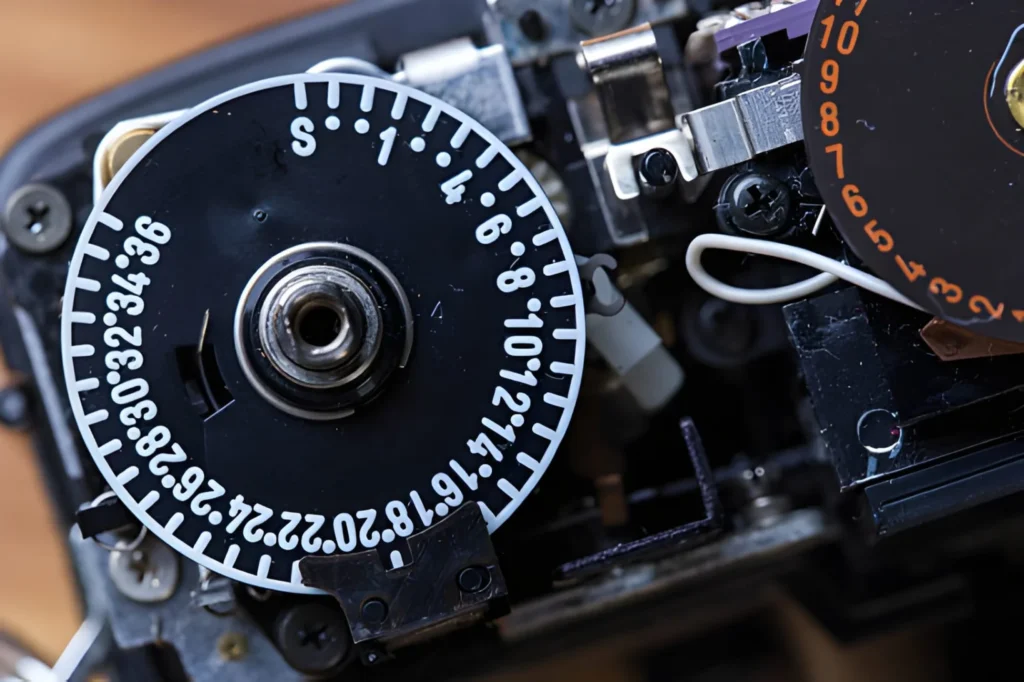
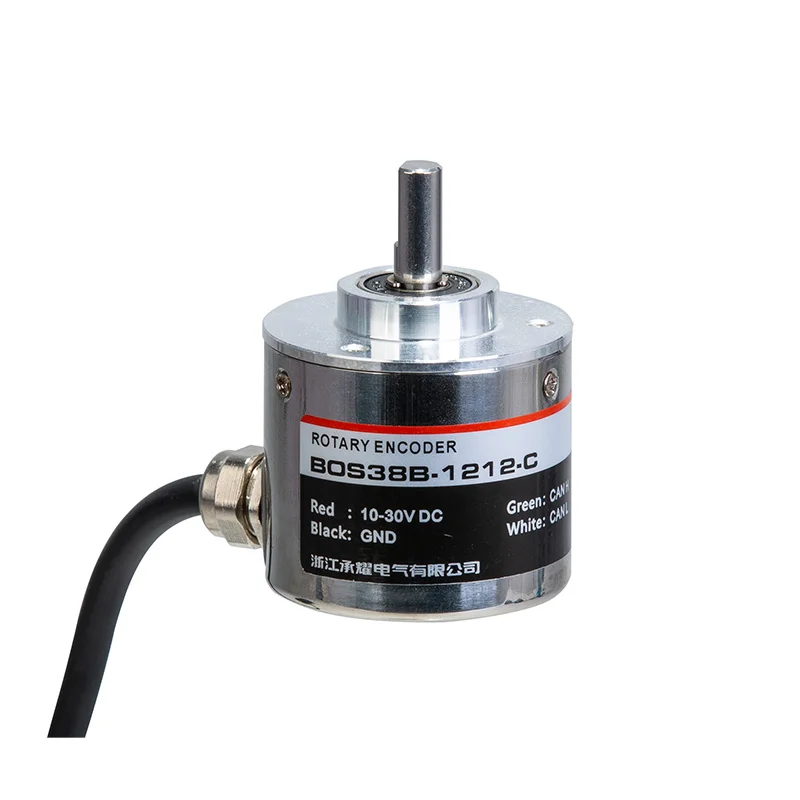
Image Alt Text: custom encoder for industrial automation and precision motion control
Caption: Custom encoder designed to meet unique industrial automation requirements.
Custom encoder designed to meet unique industrial automation requirements.
What Is a Custom Encoder
A custom encoder is a position and motion feedback device specifically designed to match the requirements of a particular application. Unlike off-the-shelf models, a custom encoder can be modified to support specialized mounting configurations, communication protocols, resolutions, and environmental conditions.
Custom encoder development helps reduce installation complexity while improving system efficiency.
Custom Encoder Design Flexibility
A custom encoder may include:
Special shaft diameters
Hollow shaft configurations
Custom cable lengths
Unique connector types
Specialized output signals
Enhanced environmental protection
Custom Encoder Performance Requirements
Many industrial systems require a custom encoder to achieve precise positioning and motion feedback under demanding operating conditions.
Custom Encoder Features
Custom Encoder Resolution Options
A custom encoder can be configured with various pulse-per-revolution specifications depending on the application’s precision requirements.
Custom Encoder Output Interfaces
Modern custom encoder solutions support multiple communication protocols, including:
Incremental output
SSI
CANopen
EtherCAT
Modbus
Profinet
Custom Encoder Environmental Protection
A custom encoder may be designed with IP65, IP67, or IP69K protection ratings for harsh industrial environments.
Custom Encoder Types
Incremental Custom Encoder
An incremental custom encoder provides pulse signals used for speed and position tracking.
Absolute Custom Encoder
An absolute custom encoder maintains position information even after power loss.
Custom Encoder Single-Turn Models
Single-turn custom encoder products measure position within one shaft revolution.
Custom Encoder Multi-Turn Models
Multi-turn custom encoder solutions track multiple revolutions and are commonly used in automation systems.
Custom Encoder Applications
Custom Encoder for Robotics
A custom encoder helps robotic systems achieve accurate movement and positioning.
Custom Encoder for Packaging Equipment
Packaging machinery often requires a custom encoder to ensure synchronization and speed control.
Custom Encoder for Medical Equipment
Medical systems utilize custom encoder solutions where compact size and precision are critical.
Custom Encoder for Industrial Automation
Industrial automation remains one of the largest markets for custom encoder technology.
Custom Encoder Image
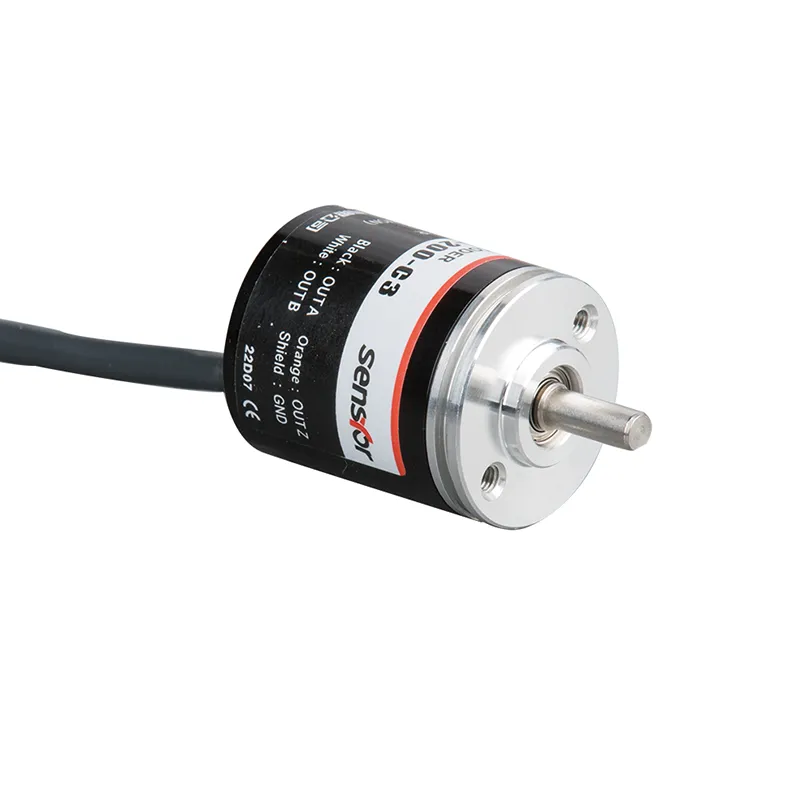
Image Alt Text: custom encoder installed in precision machinery for accurate position feedback
Caption: Custom encoder providing reliable feedback in specialized industrial applications.
Benefits of a Custom Encoder
Using a custom encoder offers several advantages:
Improved system compatibility
Enhanced motion control accuracy
Simplified installation
Better environmental resistance
Longer operational lifespan
Reduced maintenance requirements
Optimized machine performance
A custom encoder can significantly improve overall equipment efficiency and reliability.
How to Select a Custom Encoder
Custom Encoder Resolution Requirements
Select a custom encoder resolution based on positioning accuracy requirements.
Custom Encoder Mechanical Configuration
Consider:
Shaft size
Mounting method
Housing dimensions
Bearing requirements
Custom Encoder Communication Requirements
Choose interfaces compatible with existing controllers and PLC systems.
A custom encoder is often the best solution when standard encoder products cannot meet specific application requirements. By providing tailored mechanical, electrical, and environmental specifications, a custom encoder improves performance, reliability, and integration efficiency across a wide range of industrial applications.
Introduction to the 40mm Encoder A 40mm encoder is one of the most widely used rotary feedback devices in industrial automation, robotics, CNC machinery, packaging equipment, and motion control systems. Its compact size, reliable performance, and high positioning accuracy make it an ideal choice for engineers seeking dependable motion feedback without occupying excessive installation space. […]
Table of Contents What is Encoder for CNC Machine An encoder for CNC machine is a precision feedback device that converts mechanical motion into electrical signals for CNC control systems. It measures position, speed, and direction of machine components such as spindle motors, servo motors, and axis drives. Modern CNC systems rely heavily on encoder […]
A rotary encoder for printing packaging machine applications provides rotational feedback that can help automated equipment monitor speed, position, direction, and movement. Rotary encoders can be used in printing presses, packaging machines, labeling systems, film-feeding equipment, slitting machines, cutting systems, and other production machinery. Printing and packaging processes often involve continuously moving materials, rotating rollers, […]
We use cookies to enhance your browsing experience, serve personalised ads or content, and analyse our traffic. By clicking "Accept All", you consent to our use of cookies.