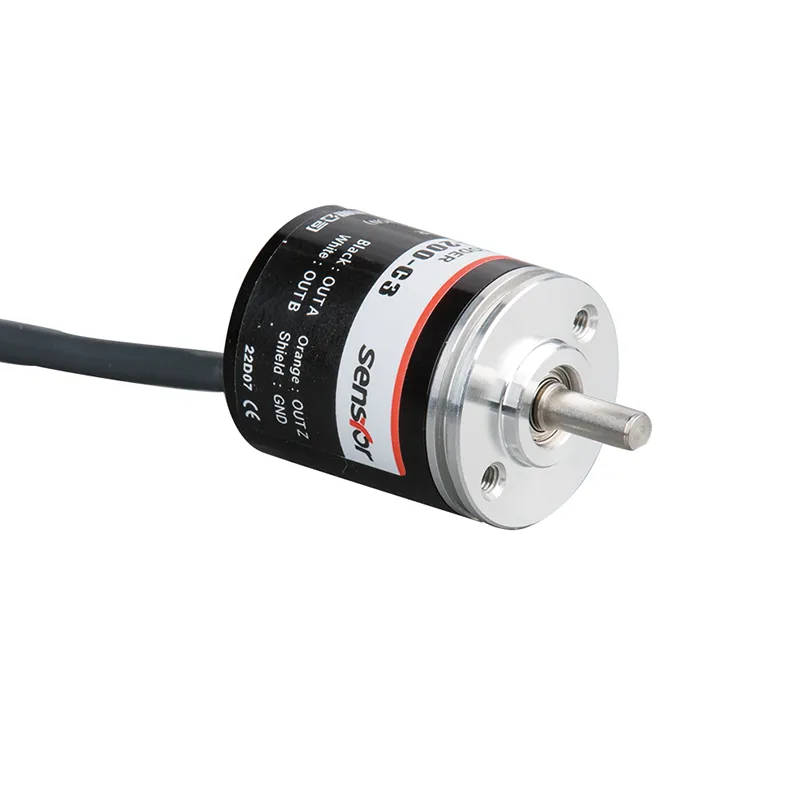
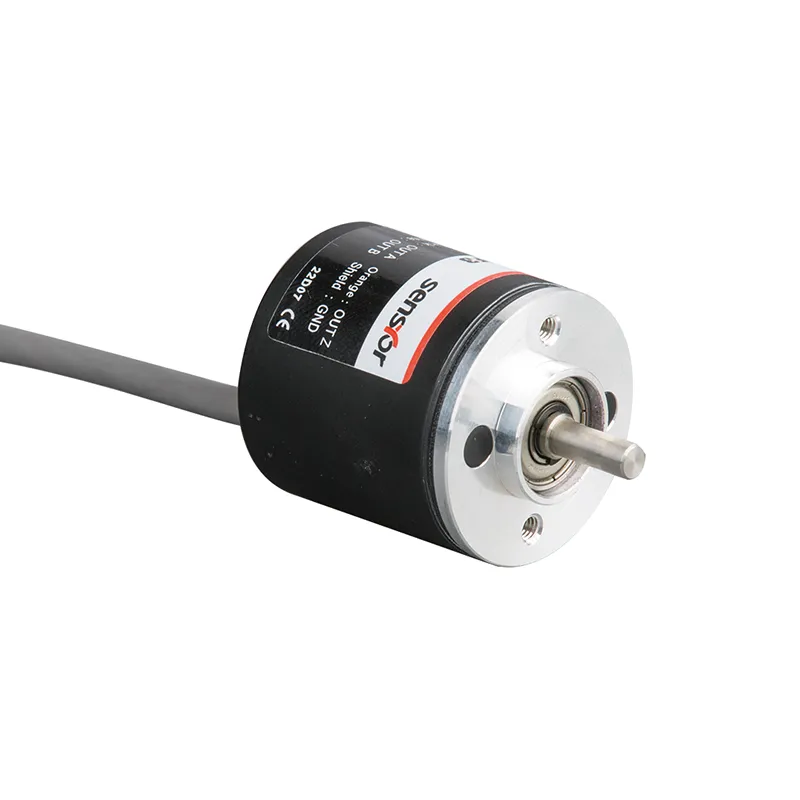
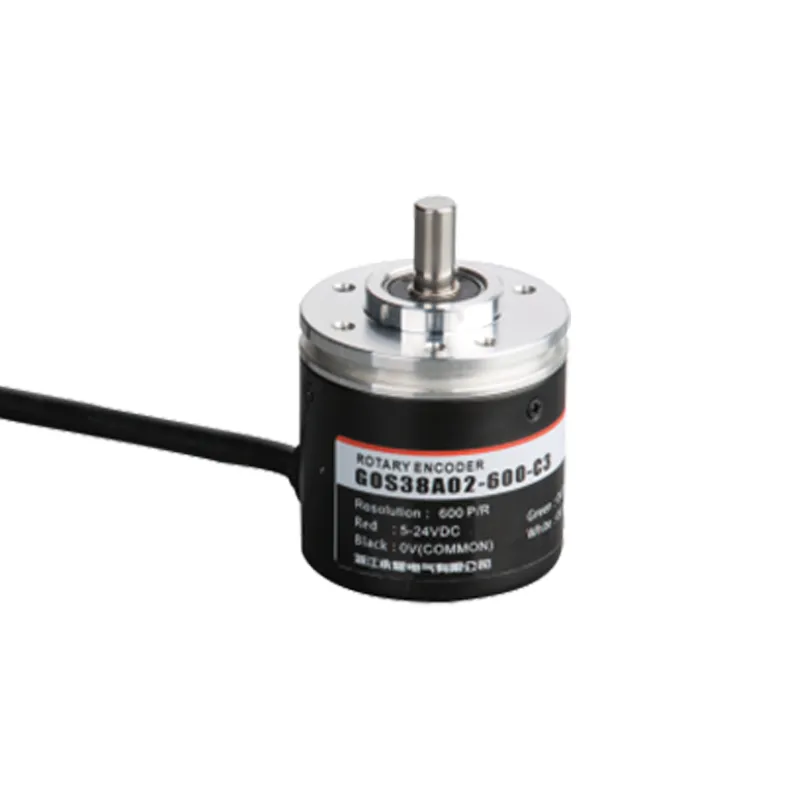
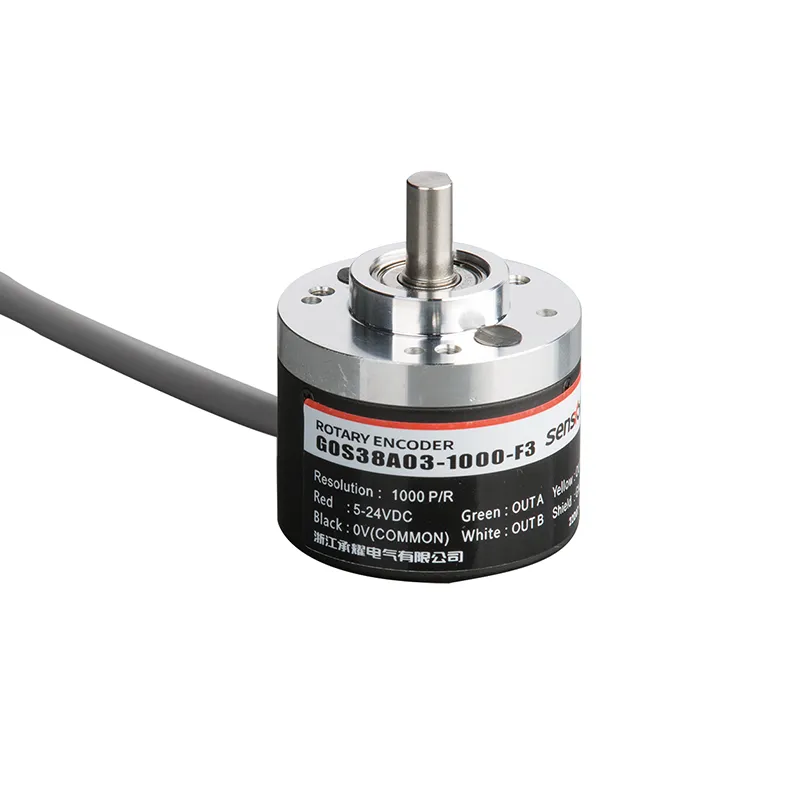
Encoder for automation technology is a critical part of modern industrial control systems. These devices provide accurate position, speed, and direction feedback, helping machinery operate efficiently and consistently. From robotics and CNC equipment to packaging lines and conveyor systems, reliable feedback plays a major role in maintaining productivity, reducing errors, and improving product quality.
Table of Contents
What Is an Encoder for Automation?
Key Features of Industrial Feedback Devices
Common Encoder Technologies
Industrial Applications of Motion Feedback Systems
Benefits of Encoder for Automation
Advanced Technology Behind Industrial Encoders
Choosing the Right Encoder for Automation
Resources and Links
Conclusion
What Is an Encoder for Automation?
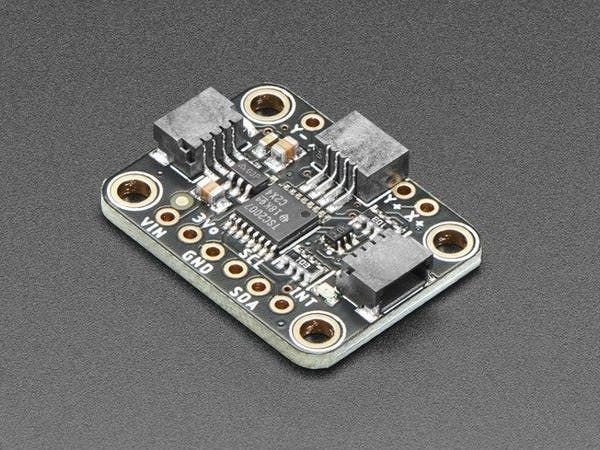
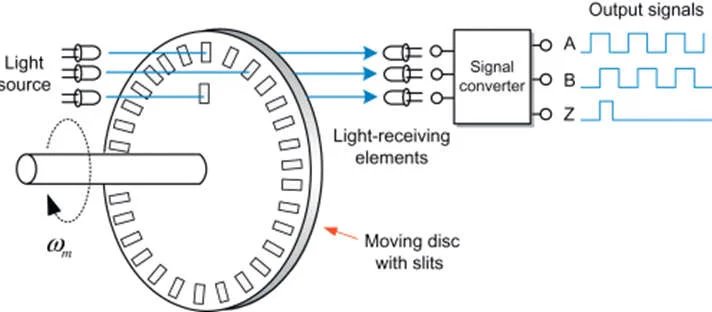
An encoder for automation is a sensing device that converts movement into electrical signals. These signals are transmitted to PLCs, controllers, or servo drives, allowing machines to track motion with a high degree of precision.
In manufacturing environments, accurate feedback is essential for synchronization, positioning, and speed regulation. A quality industrial automation encoder helps improve system performance while reducing operational downtime.
Modern feedback technologies offer several important advantages for automation systems.
High Precision Measurement
A reliable motion feedback sensor enables accurate movement tracking, supporting smooth machine operation and improved process control.
Durable Construction
Many industrial applications expose equipment to dust, vibration, moisture, and temperature fluctuations. A robust industrial encoder is designed to maintain stable performance in challenging environments.
Flexible Integration
Today’s feedback devices support multiple communication and output formats, making integration easier across a wide range of automation platforms.
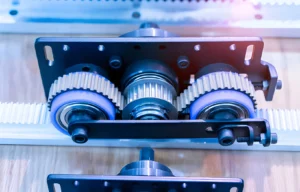
Encoder for automation providing accurate feedback in an automated manufacturing system
Common Encoder Technologies
Incremental Models
Incremental devices generate pulse signals as movement occurs. They are commonly used for speed monitoring and relative positioning applications.
Absolute Models
Absolute systems provide a unique position value at all times, even after power interruptions. This feature is especially valuable in critical positioning applications.
Compact Design Options
Compact units are ideal for machinery where installation space is limited but precise feedback remains essential.
Industrial Applications of Motion Feedback Systems
Robotics and Automated Equipment
Robotic systems rely on precise motion data to perform repeatable tasks. A high-quality position sensing encoder helps ensure smooth movement and accurate positioning.
Material Handling and Conveyor Control
Conveyor systems use a rotary feedback device to regulate speed, synchronize movement, and improve material flow throughout production facilities.
Precision CNC Manufacturing
Modern CNC machines require highly accurate feedback to maintain dimensional consistency. A dependable position feedback device helps support precision machining operations.
Packaging and Processing Lines
Automated packaging systems benefit from synchronized motion and accurate product handling, reducing waste and improving production efficiency.
Benefits of Encoder for Automation
Implementing an encoder for automation offers numerous operational advantages:
Improved positioning accuracy
Better machine performance
Enhanced process consistency
Reduced maintenance requirements
Increased equipment reliability
Higher production efficiency
These benefits make feedback devices an essential component of modern industrial systems.
Advanced Technology Behind Industrial Encoders
As manufacturing continues to evolve, sensing technologies are becoming more sophisticated. Modern systems often include advanced diagnostics, allowing operators to monitor performance and identify potential issues before failures occur.
Many facilities now integrate feedback devices into Industry 4.0 environments, enabling real-time monitoring and predictive maintenance. A high-performance motion control sensor can provide valuable operational data that supports smarter decision-making and improved equipment utilization.
The growing adoption of connected manufacturing solutions continues to increase demand for accurate and reliable motion sensing technologies.
Choosing the Right Encoder for Automation
Selecting the appropriate encoder for automation depends on several factors:
Required resolution
Environmental conditions
Output signal requirements
Installation space
Mechanical compatibility
Evaluating these factors carefully helps ensure long-term performance and system reliability.
An encoder for automation plays an important role in achieving precise motion control, reliable machine performance, and efficient industrial production. Whether applied in robotics, CNC equipment, packaging machinery, or conveyor systems, these feedback devices help manufacturers improve accuracy and productivity. By selecting the right solution for your application, you can support long-term operational success and maximize system performance.
Table of Contents Introduction 10000PPR encoder is a high-resolution motion feedback device designed for advanced industrial automation systems. The 10000PPR encoder generates 10,000 pulses per revolution, enabling extremely fine position detection. The 10000PPR encoder is widely used in precision machinery, robotics, and servo systems where accuracy is critical. As industries move toward smarter automation, the […]
Table of Contents Introduction Encoder replacement is an essential process in industrial automation systems where damaged or aging encoders affect machine accuracy and operational efficiency. Proper encoder replacement helps maintain motion control precision, reduce downtime, and improve production reliability. Modern manufacturing systems rely heavily on accurate encoder feedback. When encoder failure occurs, immediate encoder replacement […]
Table of Contents Introduction A slim rotary encoder is a compact motion feedback device widely used in modern industrial automation systems where installation space is limited but precision is essential. These compact sensing devices help machines achieve accurate position and speed control while maintaining a small mechanical footprint. For professional encoder solutions, visit:👉 https://sensyorcoder.net/products/ What […]
We use cookies to enhance your browsing experience, serve personalised ads or content, and analyse our traffic. By clicking "Accept All", you consent to our use of cookies.