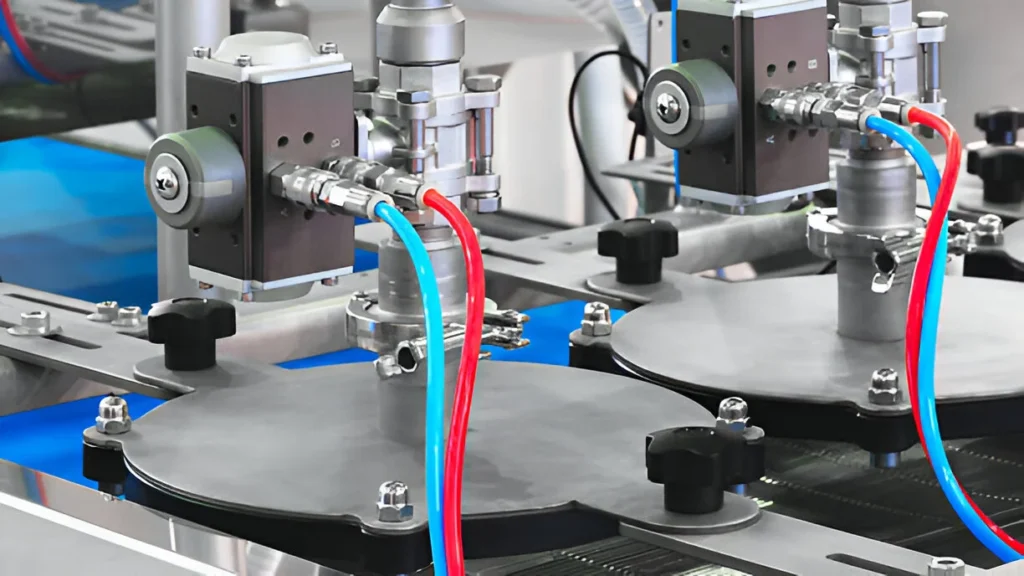
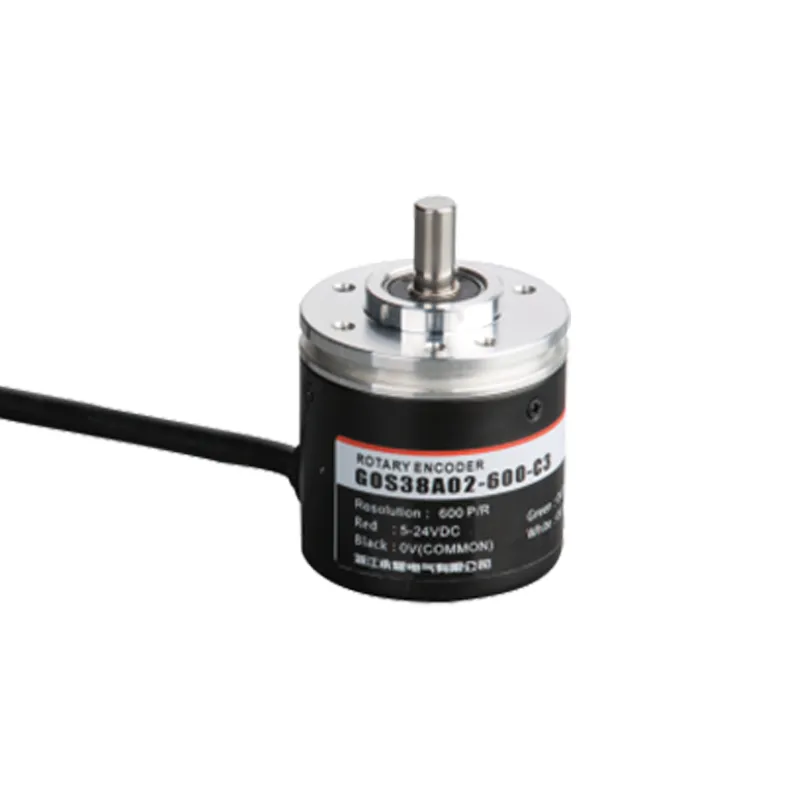
Industrial encoder for robotics ensuring accurate movement
What is an Encoder for Robotics
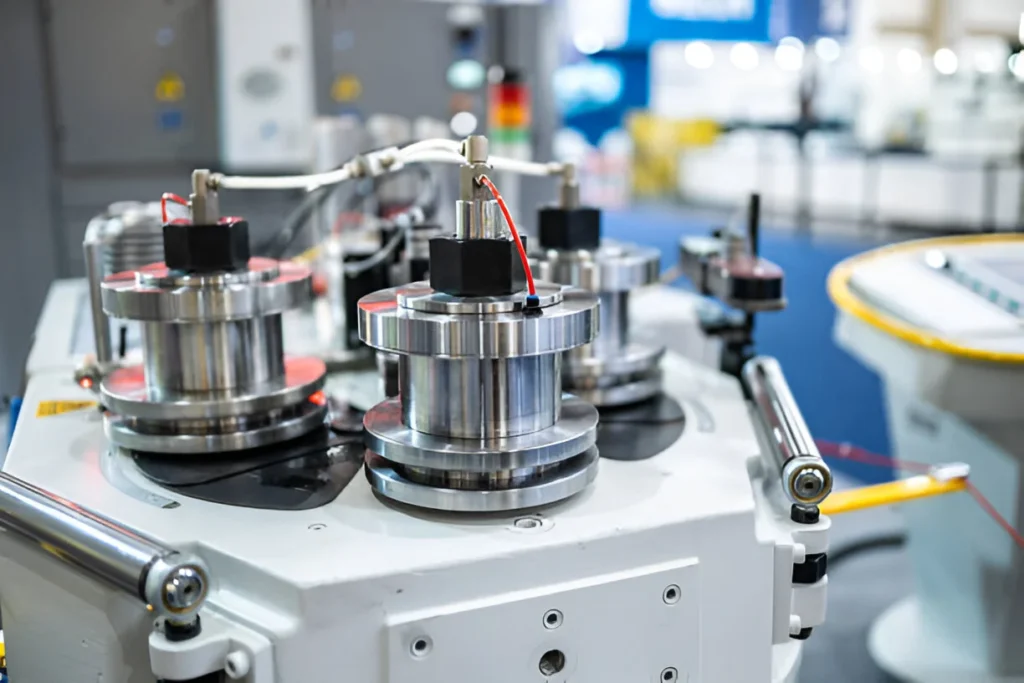
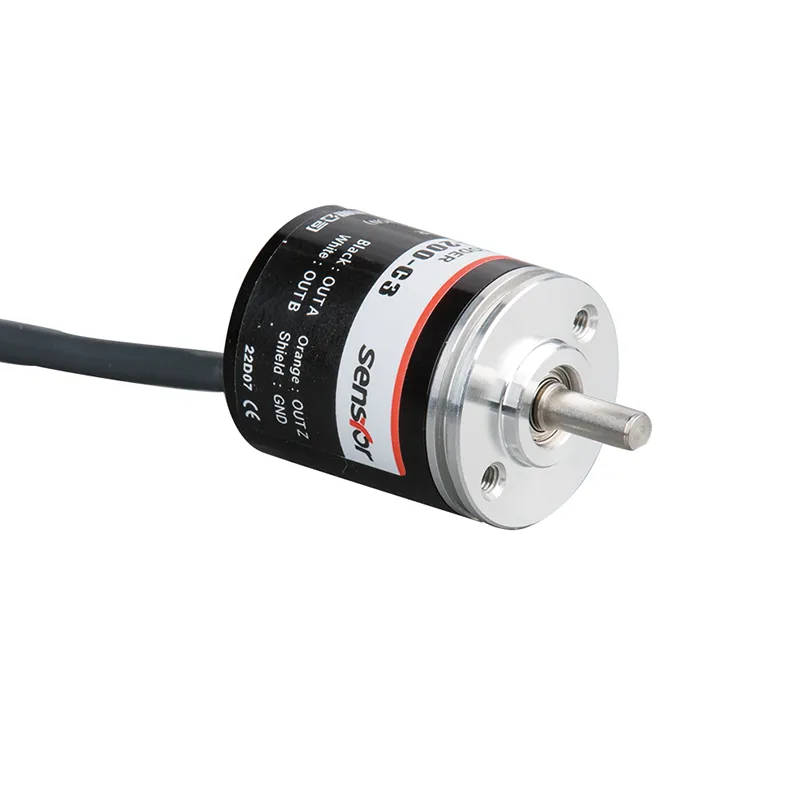
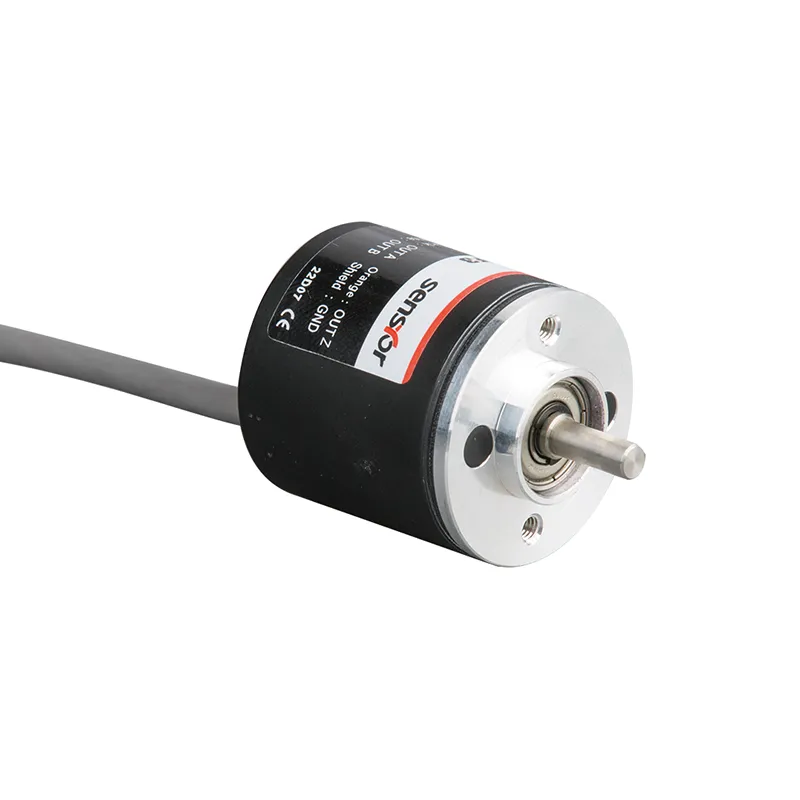
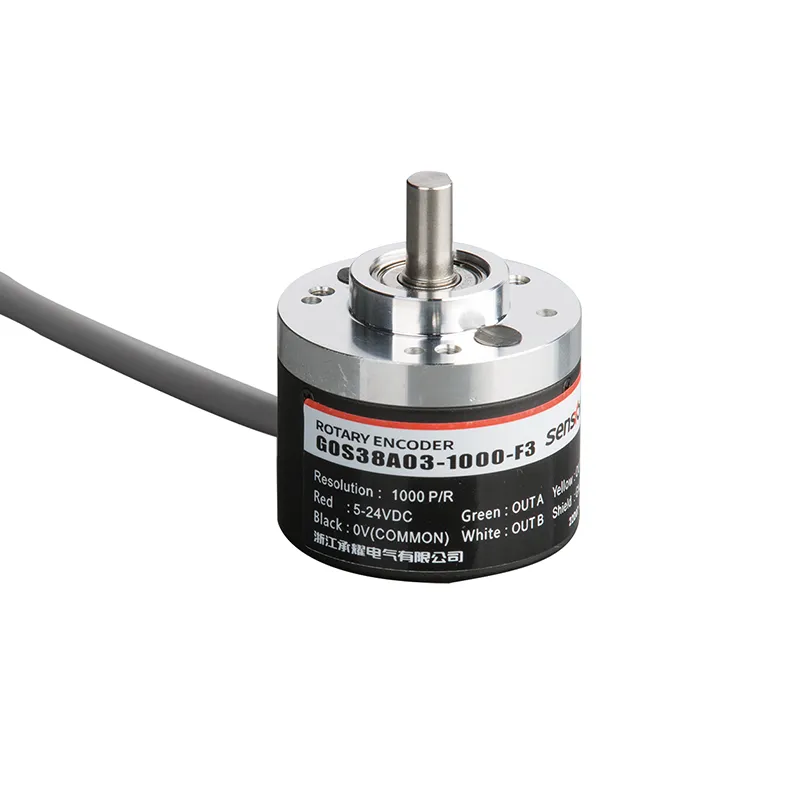
An encoder for robotics is a device that converts mechanical motion into electrical signals, enabling precise monitoring of position, speed, and direction. Robotics systems rely heavily on encoder feedback to perform accurate movements in automation, assembly, inspection, and material handling tasks.
Encoders can be incremental or absolute, providing relative or fixed positional data. Modern robotic arms and mobile robots use these sensors to enhance motion precision, reduce errors, and improve overall system performance.
Robotic systems require precise feedback to execute tasks such as assembly, welding, and inspection. High-resolution encoders ensure repeatable and reliable motion control.
Durability
Industrial robots often operate in harsh conditions including dust, vibration, and temperature variations. Robust encoders are designed to maintain consistent performance under these conditions.
Flexible Interfaces
Encoders for robotics support multiple output protocols like SSI, CANopen, EtherCAT, and Modbus. This ensures compatibility with most robotic controllers and industrial automation platforms.
Applications of Encoder for Robotics
Robotic Arms
Encoders allow robotic arms to achieve exact positioning for welding, assembly, and inspection tasks. Accurate feedback ensures high repeatability and reduces production errors.
Automated Guided Vehicles (AGVs)
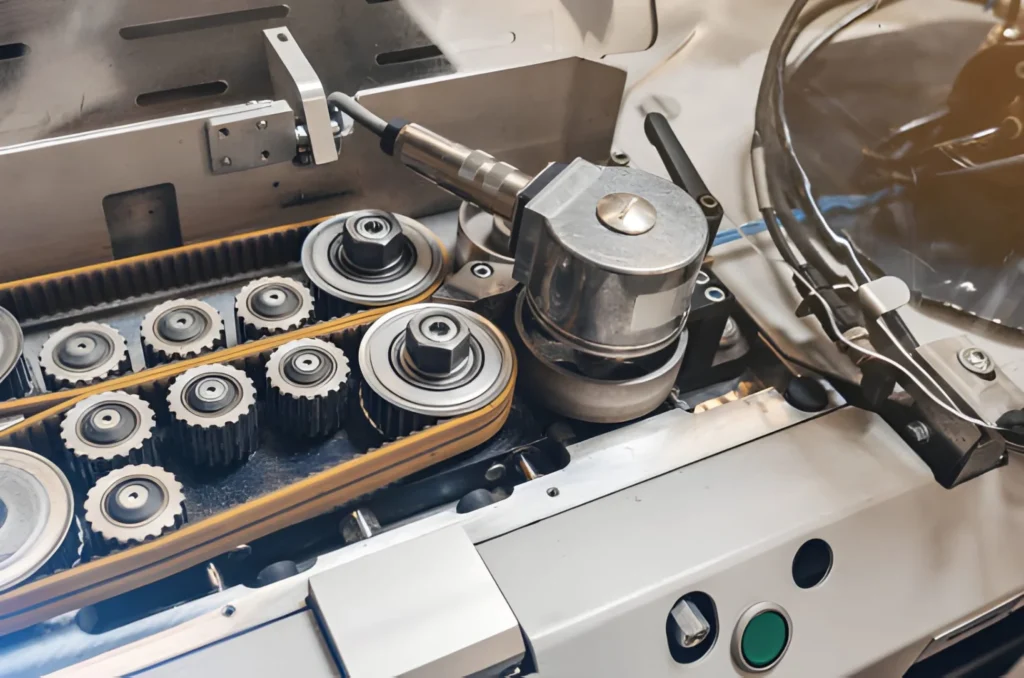
AGVs use encoders to monitor wheel rotation and navigation, allowing precise path following in warehouses and factories.
CNC and Robotic Machining
Encoders ensure spindle positioning accuracy in robotic machining, contributing to high-quality cuts and improved production efficiency.
Benefits of Using Encoder for Robotics
Improved positioning and movement accuracy
Reduced mechanical errors
Enhanced production efficiency
Lower maintenance costs
Increased system reliability
Consistent product quality
Support for predictive maintenance
Technical Specifications
Resolution: Determines the precision of movement feedback
Signal Output: Incremental pulses or absolute position
Environmental Protection: IP65 or IP67 for dust and moisture resistance
Operating Speed: Match encoder speed rating to robotic application
How to Choose Encoder for Robotics
Determine required resolution for your application
Choose shaft size and mounting type compatible with your robot
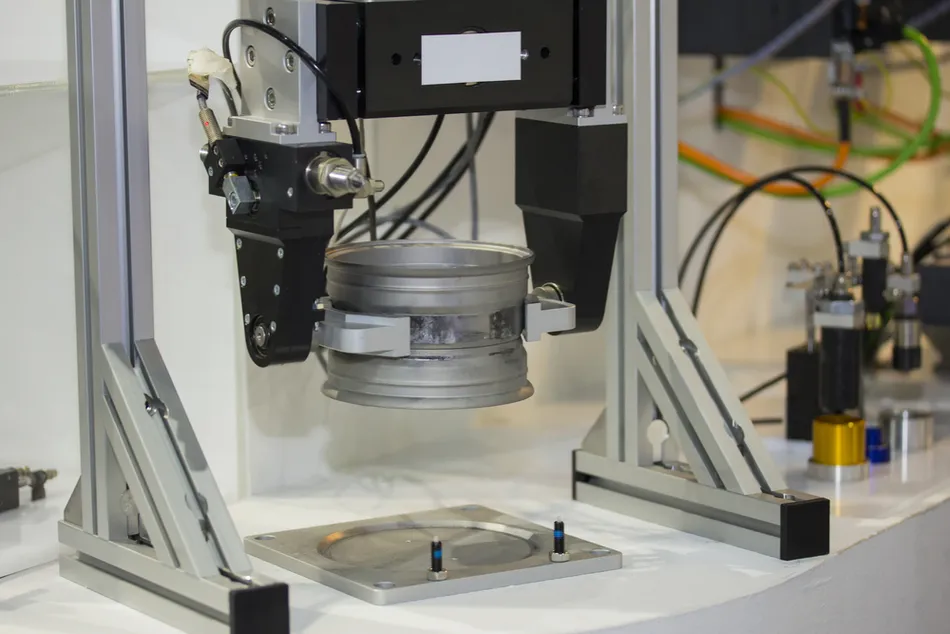
Encoder ensuring precise robotic arm movement in industrial automation
FAQs
Q1: What is an encoder for robotics used for? A1: It measures position, speed, and direction to improve motion control and robotic precision.
Q2: Why is encoder feedback important in robotics? A2: Accurate feedback reduces errors, improves production efficiency, and ensures consistent operations.
Q3: Which types of robots use encoders? A3: Robotic arms, mobile robots, CNC robotic systems, and AGVs rely on encoder technology.
Q4: How do I select the right encoder for robotics? A4: Consider resolution, environmental conditions, interface type, and mechanical compatibility.
An encoder for robotics is a fundamental component in modern robotic and automation systems. By providing accurate motion feedback, encoders improve efficiency, reduce errors, and enhance system reliability. High-quality industrial encoders are essential for robotics applications ranging from assembly and CNC machining to AGVs and precision inspection.
High-quality industrial encoders are essential for robotics applications ranging from assembly and CNC machining to AGVs, collaborative robots, and precision inspection systems. In advanced manufacturing environments, they also support synchronization between multiple robotic axes, ensuring coordinated movement and stable performance. With the continued development of Industry 4.0 and smart factories, encoder technology plays an increasingly important role in enabling automation, predictive maintenance, and intelligent motion control systems.
In today’s world of industrial automation and smart manufacturing, encoders play an essential role. They help machines “see” position and movement, making precise control and feedback possible. Whether it’s a robot, CNC machine, or automated production line, encoders are key sensor devices. As a professional encoder supplier, we understand that every customer has unique needs. […]
Table of Contents Replace Autonics Encoder for Industrial Applications Replace Autonics encoder projects are becoming increasingly common as manufacturers seek cost-effective alternatives, shorter lead times, and improved performance. Choosing the right solution to replace Autonics encoder products requires careful evaluation of specifications, mounting dimensions, output signals, and environmental requirements. Many industrial facilities prefer to replace […]
Table of Contents What Is a 24V long distance transmission encoder? A 24V long distance transmission encoder is a specialized industrial sensing device designed to provide accurate motion feedback while maintaining stable signal transmission over extended cable distances. In modern automation systems, machines often require precise information about position, speed, and rotation. However, when sensors […]
We use cookies to enhance your browsing experience, serve personalised ads or content, and analyse our traffic. By clicking "Accept All", you consent to our use of cookies.