Modern automation systems require accurate motion feedback to maintain efficiency, safety, and productivity. A heavy duty encoder is designed specifically for industrial environments where standard sensing devices may not provide enough reliability.
Factories, production lines, cranes, mining equipment, and energy systems often operate under challenging conditions. Dust, vibration, temperature changes, and mechanical stress can affect ordinary sensors. Industrial-grade encoder solutions help overcome these problems by providing precise position and speed information.
Manufacturers increasingly rely on advanced rotary feedback devices to improve machine performance and reduce downtime. SensyOrcoder provides professional encoder solutions for various industrial applications:
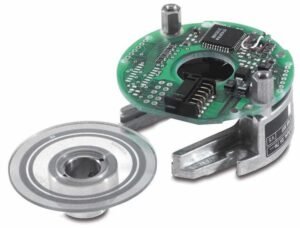
A heavy duty encoder is a high-performance rotary sensing device that converts mechanical movement into electrical signals. These signals allow automation controllers to monitor rotation speed, position, and direction.
Compared with standard models, this type of industrial encoder features stronger mechanical construction, better environmental protection, and improved operational stability.
Typical applications include:
Industrial machinery
Conveyor systems
Steel processing equipment
Robotics
Wind turbines
Construction equipment
Marine systems
The main purpose of these devices is to provide reliable feedback even when machines operate continuously under extreme conditions.
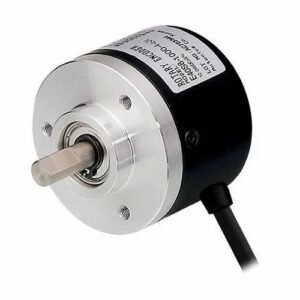
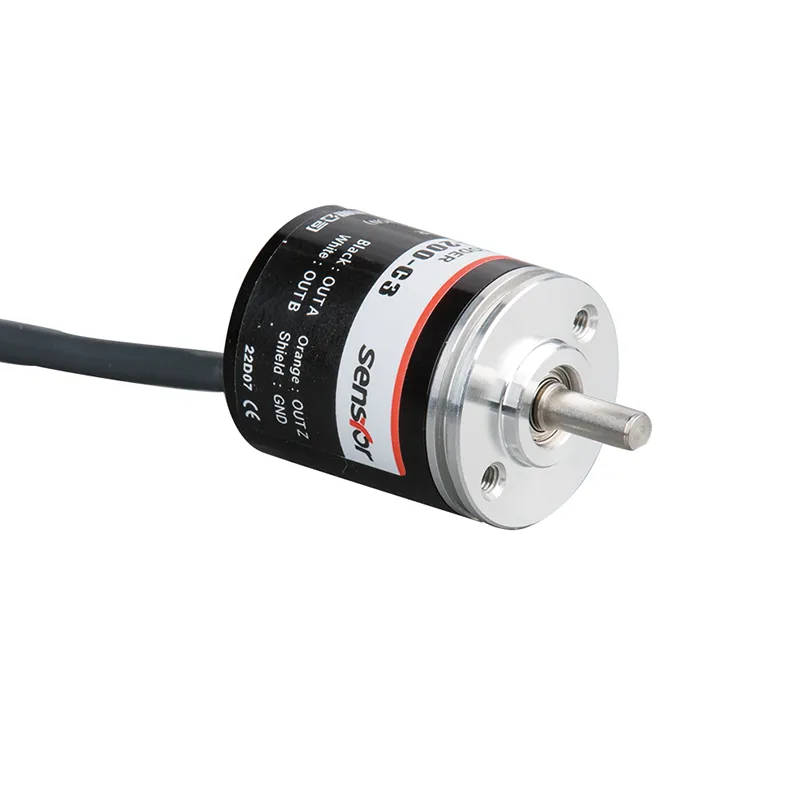
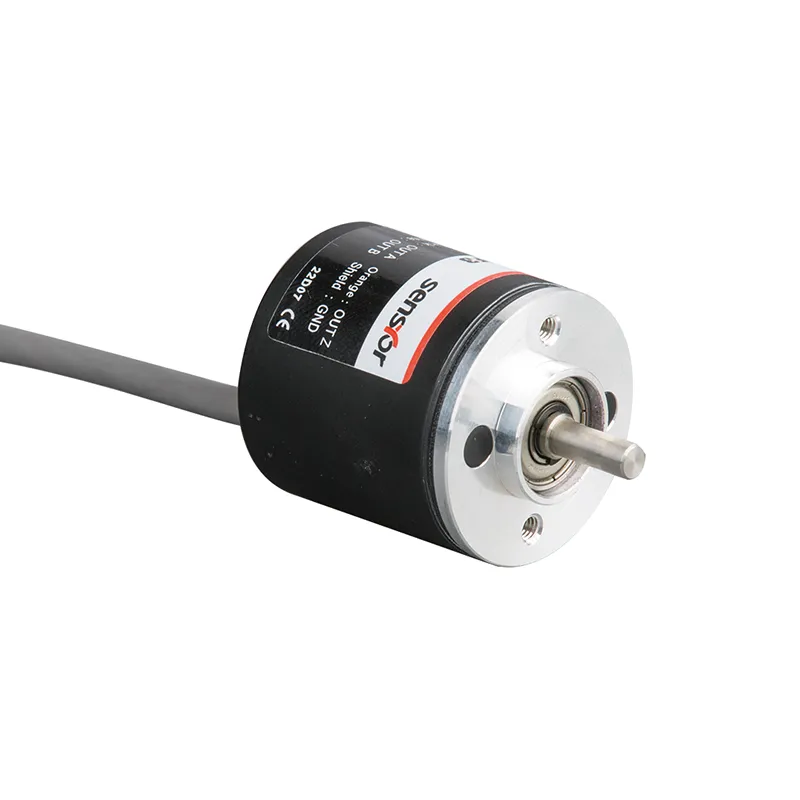
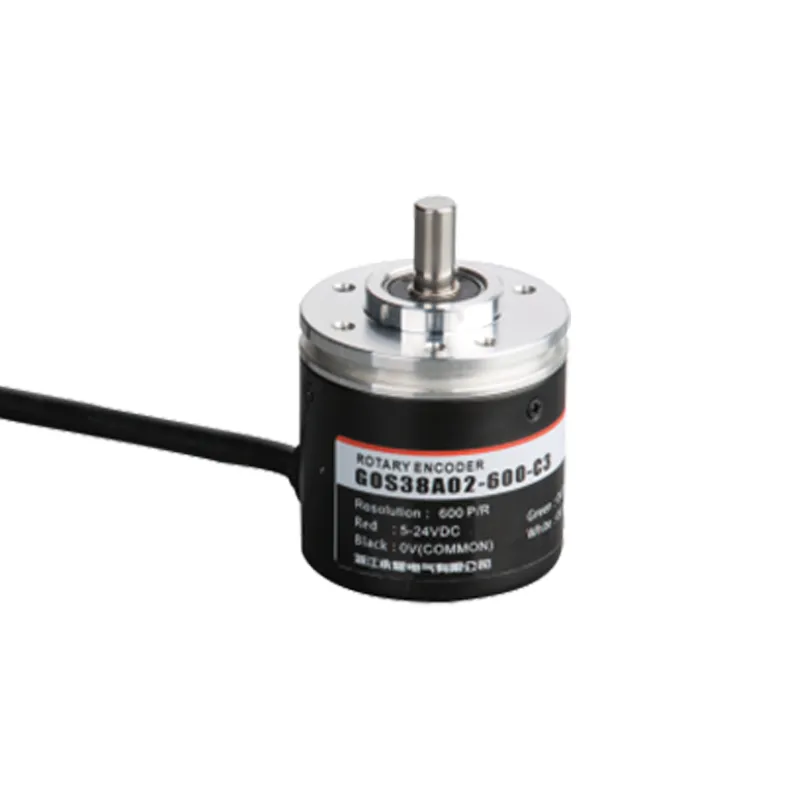
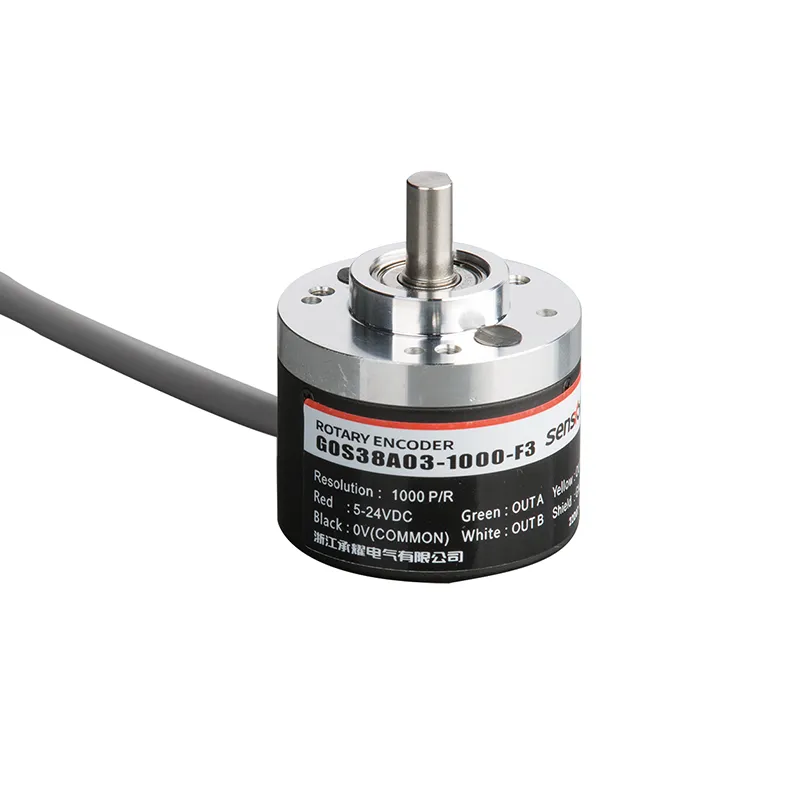
Heavy duty encoder providing accurate motion feedback for industrial automation systems.
Main Features of Heavy Duty Encoder Systems
Rugged Mechanical Construction
A major advantage of a heavy duty encoder is its durable structure. Manufacturers usually use reinforced aluminum alloys, stainless steel components, and high-quality sealing materials.
This construction helps protect internal components from:
Mechanical shock
Continuous vibration
Dust contamination
Moisture exposure
High Environmental Protection
Many industrial encoders are designed with IP-rated protection levels, allowing them to work effectively in wet or dusty environments.
A properly selected encoder can continue operating where traditional sensors may experience failure.
High Accuracy Motion Feedback
Precision is critical in automated production. Encoder feedback allows machines to maintain accurate movement control, improving product quality and reducing errors.
Types of Industrial Motion Encoders
Incremental Encoder Solutions
Incremental encoders generate electrical pulses according to shaft rotation. They are commonly used for speed monitoring and motion control.
Advantages include:
Fast response
Simple integration
Cost-effective operation
Absolute Encoder Systems
Absolute models provide exact position information without requiring a reference point after power interruption.
They are suitable for:
Robotics
Automated machinery
Positioning systems
Shaft and Hollow Shaft Designs
Different machine structures require different mounting options.
Common designs include:
Solid shaft encoders
Hollow shaft encoders
Through-bore encoders
Choosing the correct structure improves installation efficiency and system reliability.
Applications of Heavy Duty Encoder Technology
Manufacturing Automation
Manufacturing plants depend on precise feedback systems to control production equipment. A reliable rotary sensor helps maintain consistent machine movement.
Applications include:
Packaging machines
Assembly lines
CNC equipment
Material handling systems
Mining and Construction Equipment
Heavy machinery operates in environments with dust, vibration, and impact forces. Rugged encoder solutions are ideal for these applications because they provide stable operation.
Energy Industry
Wind turbines and renewable energy equipment require accurate position monitoring. Industrial feedback sensors help optimize performance and improve safety.
Transportation Systems
Railway equipment, cranes, and marine systems use durable sensing technology to maintain operational accuracy.
Benefits of Choosing Heavy Duty Encoder Solutions
Improved Reliability
The strongest advantage is long-term reliability. These devices are engineered for demanding environments where consistent operation is required.
Reduced Maintenance Costs
Durable construction reduces the frequency of replacements and repairs, helping companies lower operational expenses.
Better Machine Performance
Accurate feedback improves automation efficiency, resulting in smoother operation and better production results.
Extended Service Life
High-quality components allow industrial encoders to maintain performance for many years.
How to Select the Right Encoder
Choosing the correct product requires evaluating several factors.
Environmental Conditions
Consider:
Temperature range
Dust exposure
Moisture level
Vibration intensity
Resolution Requirements
Higher resolution provides more accurate movement detection but may require more advanced control systems.
Output Interface
Common communication options include:
TTL
HTL
SSI
CANopen
EtherCAT
Installation Space
Always confirm shaft size, mounting method, and mechanical compatibility before purchasing.
Installation and Maintenance Guidelines
Proper installation improves encoder performance.
Recommended practices include:
Avoid excessive shaft pressure
Use correct mounting accessories
Protect cables from damage
Check alignment carefully
Regular maintenance should include:
Inspecting connections
Checking unusual vibration
Cleaning external surfaces
Monitoring system feedback
For additional product information and technical resources, visit:
Industrial automation depends on accurate and reliable motion feedback. A heavy duty encoder provides the durability, precision, and stability needed for demanding environments.
By selecting the right encoder design, businesses can improve machine efficiency, reduce downtime, and achieve better long-term performance.
Introduction to Rotary Encoder Manufacturer China A rotary encoder manufacturer China plays an important role in today’s industrial automation industry by providing accurate motion feedback solutions for machines, robots, production lines, and control systems. As global industries continue to demand higher precision and improved efficiency, manufacturers require reliable encoder products that can measure speed, position, […]
Table of Contents Introduction Custom encoder manufacturer solutions are becoming increasingly important in modern industrial automation. A custom encoder manufacturer provides tailored encoder systems designed to meet the exact requirements of machinery, robotics, and motion control applications. Unlike standard encoder suppliers, a custom encoder manufacturer can develop specialized solutions for harsh environments, compact installations, and […]
📑 Comprehensive Outline for Optical Encoder Heading Level Topic H1 Optical Encoder: 15 Powerful Insights You Must Know for Precision Motion Control H2 Introduction to Optical Encoder H3 What is an Optical Encoder? H3 Importance in Modern Technology H2 Working Principle of Optical Encoder H3 Basic Components H4 Light Source and Sensor H4 Code Disk […]
We use cookies to enhance your browsing experience, serve personalised ads or content, and analyse our traffic. By clicking "Accept All", you consent to our use of cookies.