Servo Motor Encoder: 7 Powerful Benefits for High Precision Motion Control

Servo Motor Encoder: 7 Powerful Benefits for High Precision Motion Control

Table of Contents

  • What Is a Servo Motor Encoder?
  • How Does a Servo Motor Encoder Work?
  • Key Features of Servo Motor Encoder Systems
  • Types of Servo Motor Encoder
  • Applications in Industrial Automation
  • Benefits of Using Servo Motor Encoder
  • How to Choose the Right Encoder Solution
  • Installation and Maintenance Tips
  • Frequently Asked Questions
  • Conclusion

What Is a Rotary Encoder System?

A motor feedback encoder is an advanced feedback device designed to monitor the position, speed, and movement of servo motors. It converts mechanical motion into electrical signals, allowing industrial controllers to achieve accurate positioning and smooth operation.

Modern automation systems rely heavily on precise feedback. A reliable encoder helps servo motors maintain excellent performance in robotics, CNC machines, manufacturing equipment, and automated production lines.

Unlike basic motion sensors, a servo feedback device provides real-time information to the control system. This allows machines to correct errors instantly and maintain stable operation.

For industrial encoder solutions, you can explore:

https://sensyorcoder.net/products


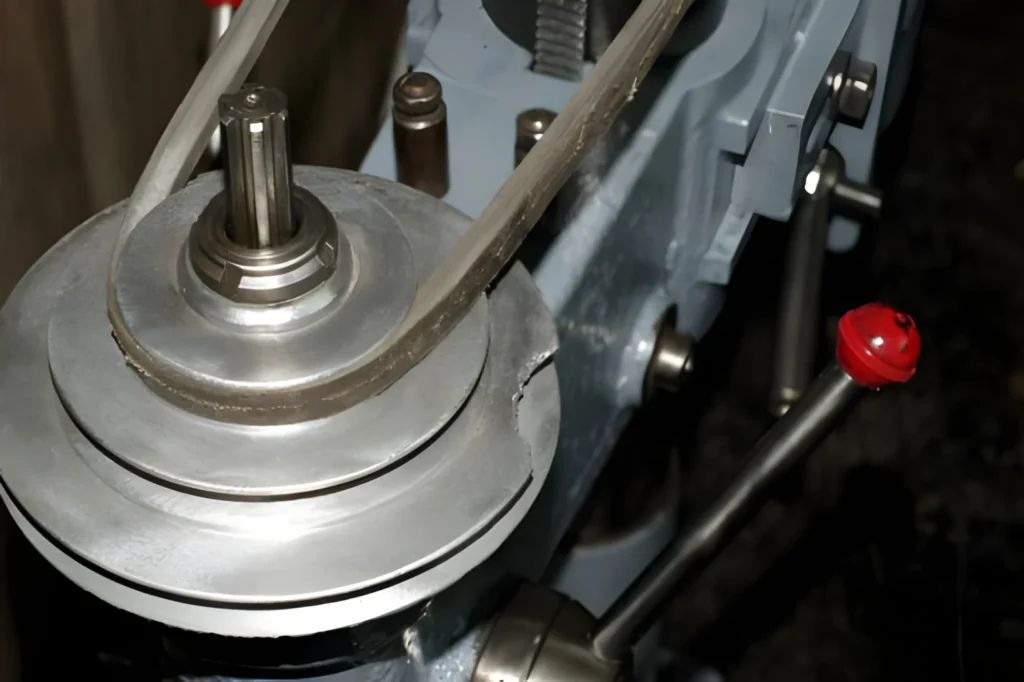
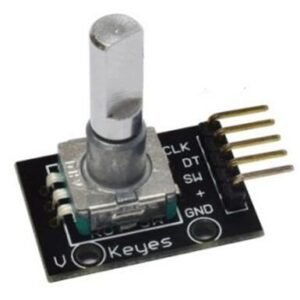
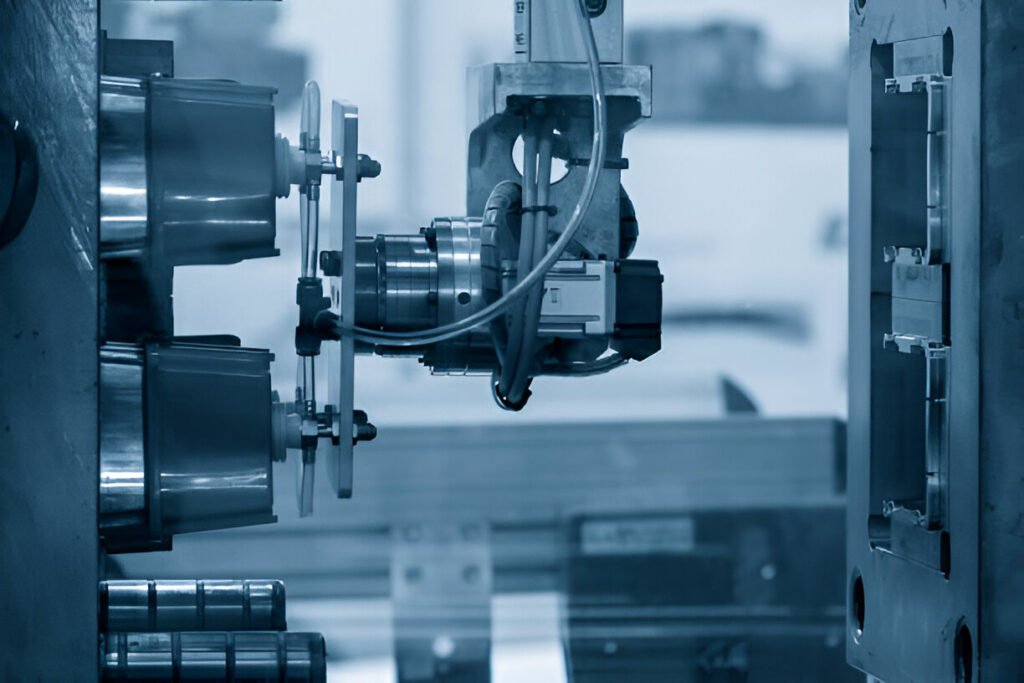
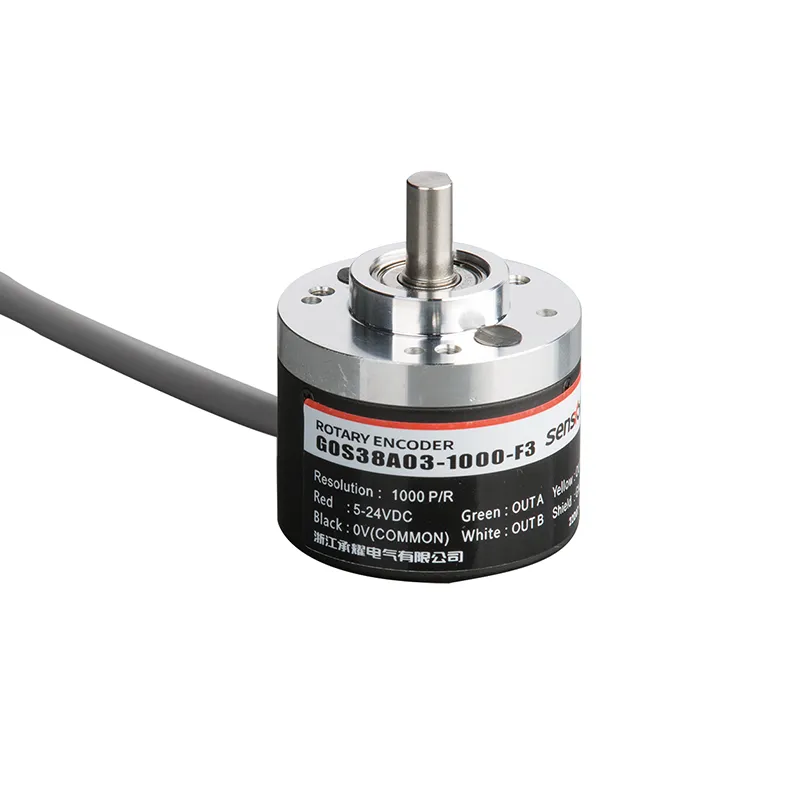
servo motor encoder installed in industrial automation equipment
A servo motor encoder provides accurate feedback for advanced industrial motion control systems.

How Does a Precision Motion Sensor Work?

A industrial encoder works by detecting the rotation of a motor shaft and transmitting feedback signals to a controller.

The controller analyzes this information and adjusts motor operation based on the required position, speed, or torque.

The working process includes:

  • Motion detection
  • Signal conversion
  • Feedback transmission
  • Position correction

This closed-loop control system improves accuracy and reduces mechanical errors.


Key Features of Motor Feedback Encoder Systems

A modern servo motor encoder offers several important characteristics that make it suitable for demanding applications.

High Position Accuracy

Precision feedback allows machines to achieve accurate positioning, which is essential for robotics and automated manufacturing.

Fast Response Speed

Advanced encoder technology provides rapid feedback, helping systems react quickly to movement changes.

Compact Industrial Design

Many encoder models are designed with smaller dimensions while maintaining excellent durability.

Strong Environmental Resistance

Industrial environments often include vibration, dust, and temperature changes. High-quality feedback sensors are built to handle these challenges.


Types of Servo Motor Encoder

Different applications require different encoder technologies.

Incremental Servo Motor Encoder

Incremental models generate pulses based on shaft movement. They are commonly used for speed monitoring and motion control.

Advantages include:

  • Simple installation
  • Fast signal processing
  • Cost efficiency

Absolute Servo Motor Encoder

Absolute models provide exact position information even after power interruption.

They are ideal for:

  • Robotics
  • Precision machines
  • Automated production systems

Optical and Magnetic Encoder Technology

Optical systems offer excellent accuracy, while magnetic solutions provide stronger resistance against harsh environments.


Applications of Servo Feedback Encoder in Industry

Robotics

Robotic systems require accurate movement control. A servo motor encoder allows robotic arms to perform precise positioning tasks.

CNC Machines

Computer numerical control equipment depends on accurate feedback to achieve high-quality machining results.

Factory Automation

Automated production lines use encoder feedback to synchronize motors, conveyors, and mechanical systems.

Packaging Equipment

High-speed packaging machines require reliable motion control for consistent performance.


Benefits of Using Servo Motor Encoder Technology

Improved Motion Accuracy

A servo motor encoder ensures that motors operate according to programmed commands.

Reduced Production Errors

Accurate feedback minimizes positioning mistakes and improves product quality.

Increased Machine Efficiency

Better control reduces unnecessary movement and improves energy efficiency.

Longer Equipment Lifespan

Stable motor operation helps reduce mechanical stress and maintenance requirements.


Servo Motor Encoder Selection Guide

Choosing the correct solution requires considering several factors.

Resolution Requirements

Higher resolution provides more detailed position feedback.

Communication Interface

Common communication options include:

  • Incremental output
  • Absolute output
  • Serial communication
  • Industrial networks

Operating Environment

Consider:

  • Temperature range
  • Dust exposure
  • Vibration levels
  • Installation space

You can review available industrial encoder products here:

https://sensyorcoder.net/products


Servo Motor Encoder Installation and Maintenance Tips

Proper installation improves reliability and performance.

Recommended practices include:

  • Ensure correct shaft alignment
  • Avoid excessive mechanical force
  • Protect cable connections
  • Inspect equipment regularly

Regular maintenance helps identify problems before they affect production.


External Resources for Further Learning

For additional technical information about encoder technology, visit:

These resources provide additional information about industrial motion feedback technologies.


Add these internal links on your website:


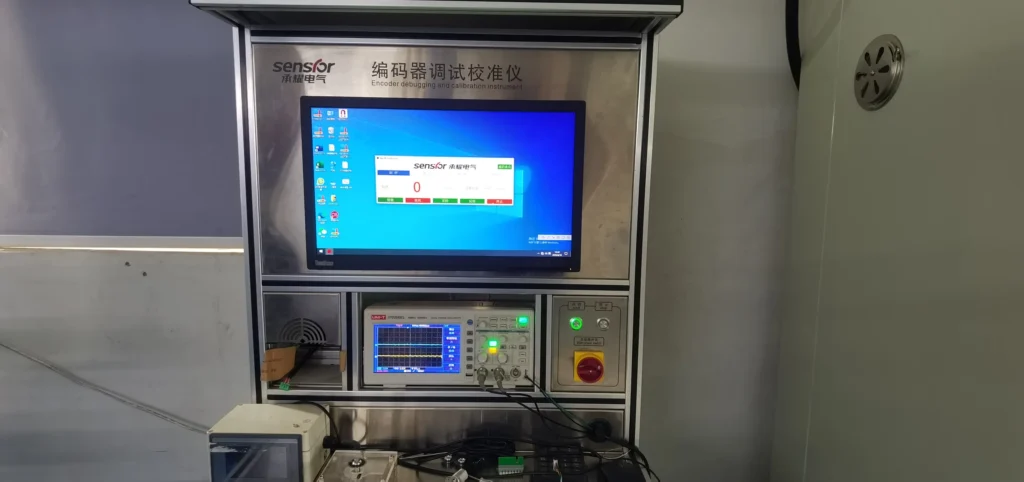
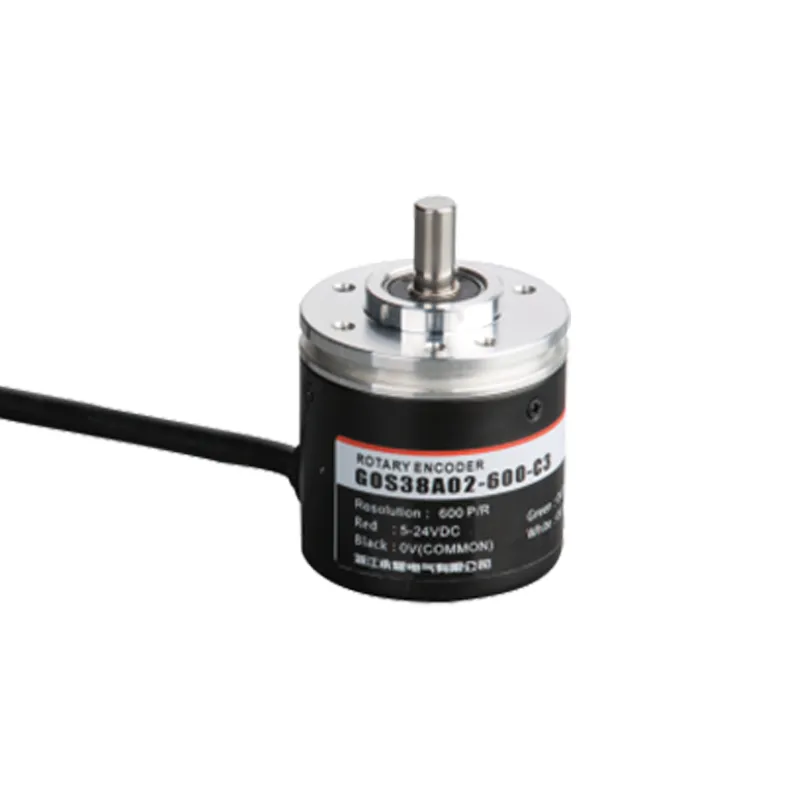
servo motor encoder feedback sensor for precision motor control
A high-performance servo motor encoder helps improve positioning accuracy and machine efficiency.

Frequently Asked Questions About Servo Motor Encoder

What is a servo motor encoder used for?

A servo motor encoder is used to provide position, speed, and motion feedback for servo motor systems.

Why is encoder feedback important in servo motors?

Feedback allows the control system to correct movement errors and maintain high accuracy.

What industries use servo motor encoder technology?

Common industries include robotics, automation, CNC machining, packaging, and manufacturing.

What is the difference between incremental and absolute encoders?

Incremental models measure movement changes, while absolute models provide exact position data.

How do I choose the right encoder?

Selection depends on accuracy requirements, environment, communication method, and motor compatibility.

Can servo motor encoders work in harsh environments?

Yes. Industrial-grade models are designed to operate under vibration, dust, and temperature challenges.


Conclusion

A servo motor encoder plays an essential role in modern automation by providing accurate feedback and improving machine performance. From robotics to manufacturing systems, reliable encoder technology helps businesses achieve higher precision, efficiency, and productivity.

Choosing the right encoder solution can significantly improve equipment reliability and reduce downtime.

Explore professional encoder products and solutions:

https://sensyorcoder.net/products

Related Posts

5000PPR Encoder Guide for High-Accuracy Motion Control

5000PPR Encoder Guide for High-Accuracy Motion Control

Introduction to 5000PPR Encoder A 5000PPR encoder is a high-resolution rotary encoder that produces 5000 pulses per revolution, making it ideal for applications that demand precise position and speed feedback. In modern automation systems, using a 5000PPR encoder ensures smoother motion control, tighter tolerances, and improved operational efficiency. Compared to lower-resolution devices, this encoder type […]

Read More
High Precision Encoder: 7 Advanced Benefits for Industrial Automation

High Precision Encoder: 7 Advanced Benefits for Industrial Automation

Table of Contents Introduction to High Precision Encoder High precision encoder technology is essential in modern industrial automation systems. A high precision encoder provides extremely accurate motion feedback, helping machines maintain precise speed, position, and direction control. Industries such as robotics, CNC machining, medical equipment, and semiconductor manufacturing rely on a high precision encoder to […]

Read More
High Precision Rotary Encoder: 5 Key Advantages for Industrial Automation

High Precision Rotary Encoder: 5 Key Advantages for Industrial Automation

Table of Contents Introduction to High Precision Rotary Encoder Technology A high precision rotary encoder is an essential component in modern industrial automation systems. It provides accurate feedback about position, speed, and rotation direction, allowing machines to operate with higher efficiency and reliability. With the development of smart factories and automated production lines, accurate motion […]

Read More