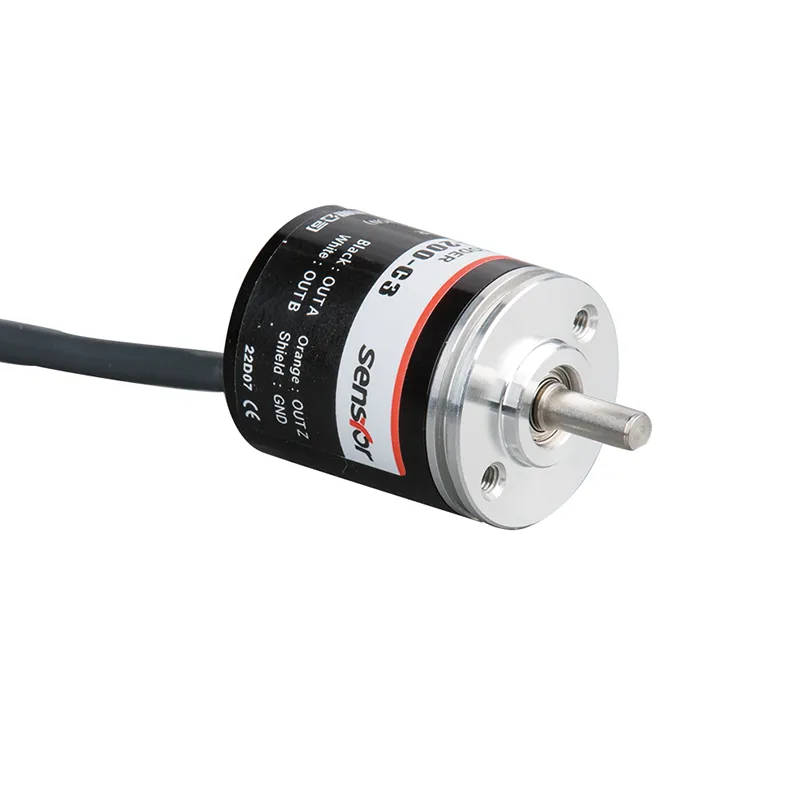
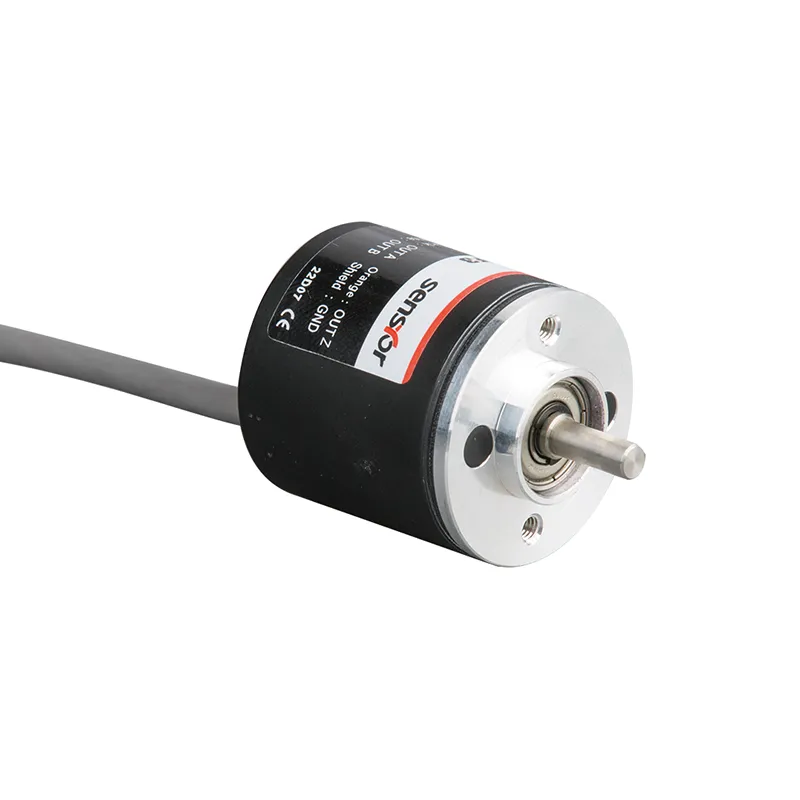
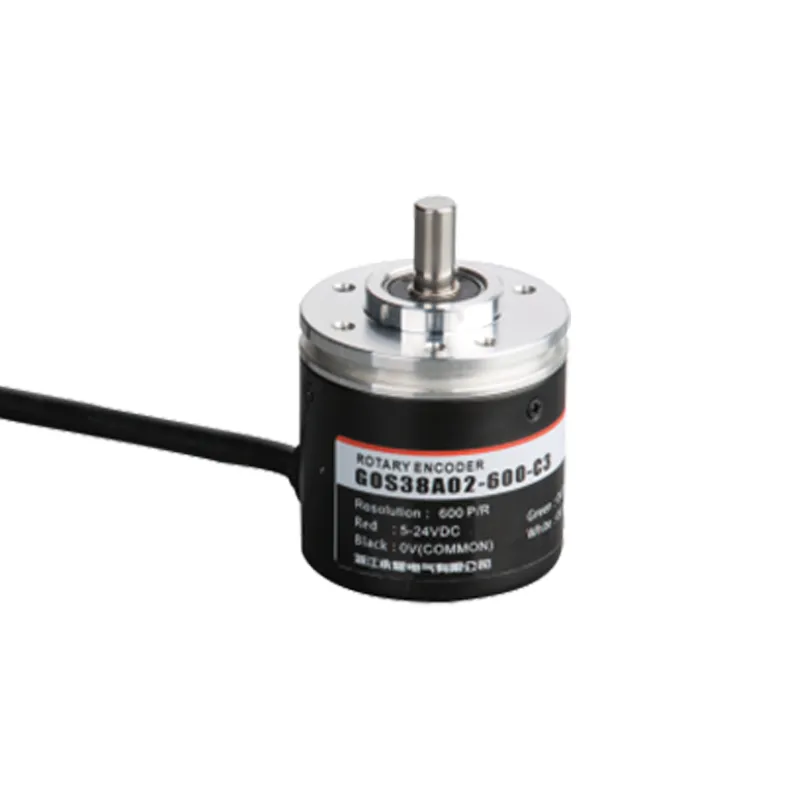
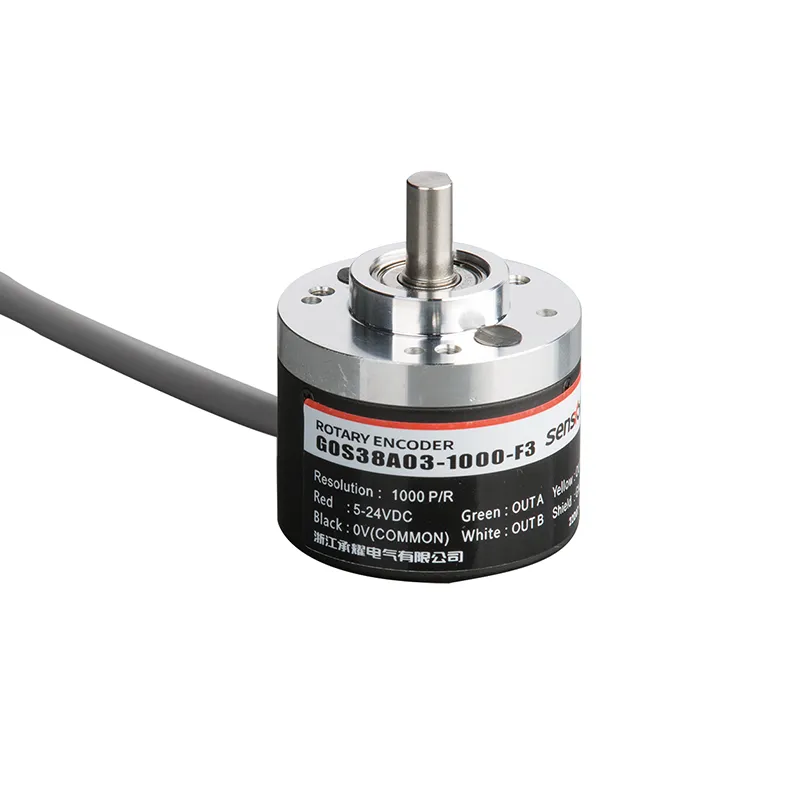
A custom rotary encoder OEM factory provides specialized design, engineering, and manufacturing services for companies requiring customized motion control components. Unlike standard encoder suppliers, OEM factories develop products according to specific technical requirements, including mechanical dimensions, electrical output, communication protocols, accuracy levels, and environmental conditions.
Modern automation systems depend on accurate feedback devices to control speed, position, and movement. From robotics and CNC machines to industrial production lines, customized rotary encoders help manufacturers achieve higher efficiency and improved reliability.
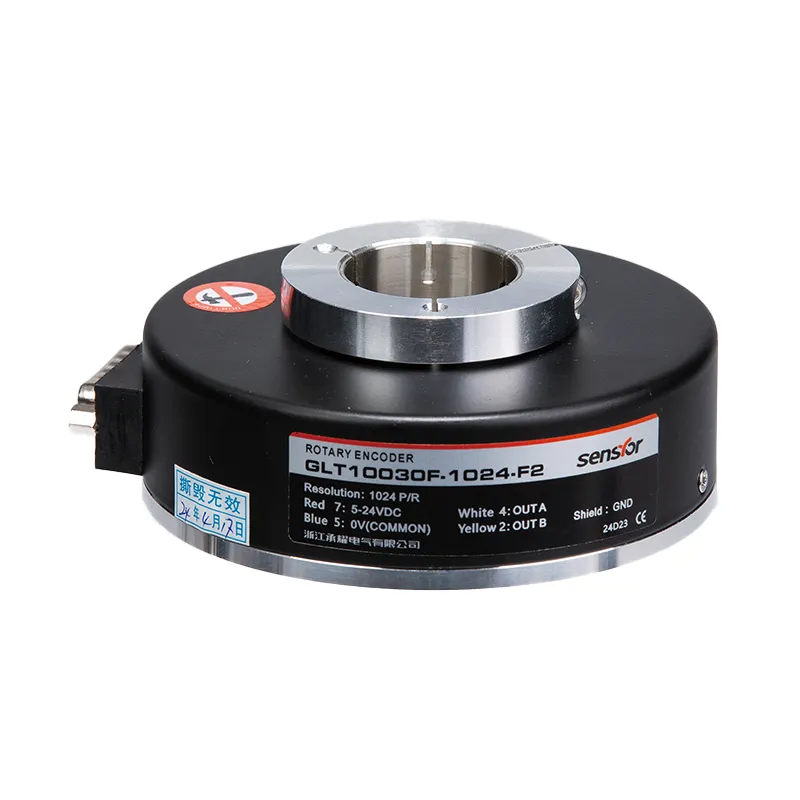
Companies searching for professional encoder solutions can explore industrial encoder products from Sensyor here:
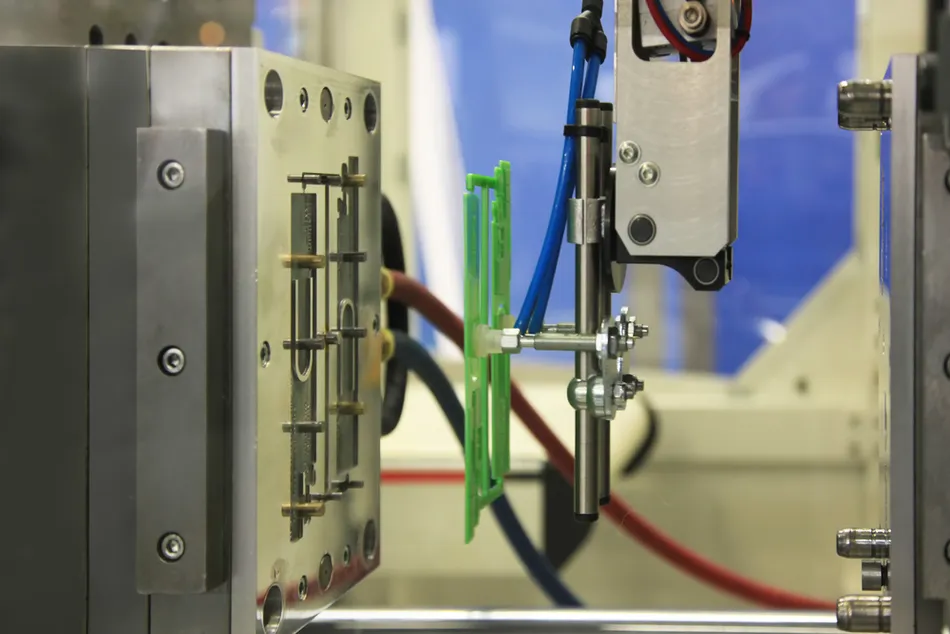
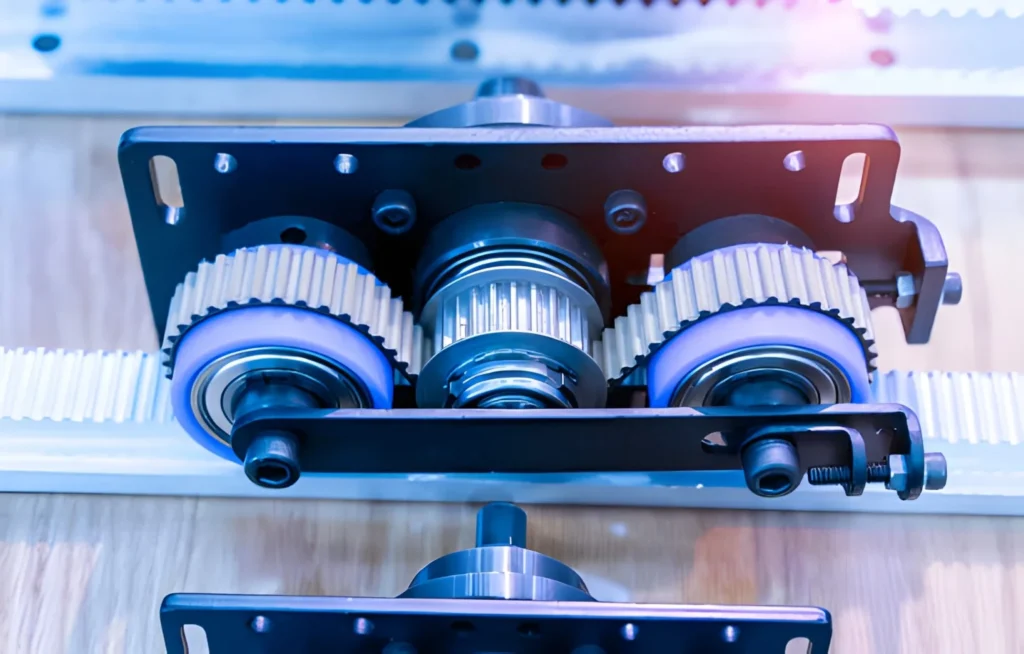
Advanced production facilities help a custom rotary encoder OEM factory create reliable and accurate motion control solutions.
What Is a Custom Rotary Encoder OEM Factory?
A custom rotary encoder OEM factory is a manufacturer specializing in designing and producing rotary encoders according to customer specifications.
OEM means Original Equipment Manufacturer. This type of factory does not simply sell standard products but works closely with customers to create optimized solutions. https://www.motioncontroltips.com/what-is-an-encoder/
A professional OEM encoder factory usually provides:
Service
Description
Custom design
Develops encoder structures based on application requirements
1. What does a custom rotary encoder OEM factory do?
A custom rotary encoder OEM factory designs and manufactures rotary encoders according to customer requirements, including mechanical and electrical specifications.
2. Why should companies choose an OEM encoder manufacturer instead of standard products?
OEM manufacturers provide customized solutions that better match specific industrial applications and improve system performance.
3. What industries use customized rotary encoders?
Customized rotary encoders are used in automation, robotics, CNC machinery, medical equipment, renewable energy, and manufacturing systems.
4. How long does custom encoder development take?
Development time depends on design complexity, testing requirements, and production volume.
5. Can OEM factories produce small quantities?
Many professional manufacturers support prototype production and small-batch orders before mass manufacturing.
6. What specifications can be customized?
Common customization options include resolution, shaft design, mounting structure, output signals, and environmental protection levels.
Conclusion
Choosing the right custom rotary encoder OEM factory helps businesses achieve reliable, accurate, and efficient motion control solutions. Customized encoder manufacturing provides greater flexibility than standard products and allows companies to develop equipment that meets unique industrial requirements.
With advanced engineering capabilities, strict quality control, and professional production experience, Sensyor delivers customized encoder solutions for demanding automation applications.
Table of Contents PLC Encoder Introduction PLC encoder is a critical component in modern industrial automation systems. A PLC encoder provides real-time position, speed, and direction feedback directly to programmable logic controllers (PLC systems). The PLC encoder ensures that machines operate with high precision, stability, and efficiency. In industries such as robotics, CNC machining, packaging, […]
Table of Contents Introduction A position sensor is one of the most important components in modern automation systems. It helps machines determine the exact location, movement, or displacement of an object. From factory production lines to robotic systems, accurate position feedback is essential for maintaining efficiency, safety, and product quality. As industrial automation continues to […]
When you’re sourcing precision feedback devices for motion control systems or automation projects, one of the first questions that comes up is simple but crucial: Should I choose an absolute or incremental rotary encoder? If you’re an engineer, a purchasing manager, or anyone involved in industrial automation, understanding this difference isn’t just a matter of preference […]
We use cookies to enhance your browsing experience, serve personalised ads or content, and analyse our traffic. By clicking "Accept All", you consent to our use of cookies.