Incremental Rotary Encoder: 7 Essential Benefits and Industrial Applications Guide

Incremental Rotary Encoder: 7 Essential Benefits and Industrial Applications Guide

Introduction to Incremental Rotary Encoder

An incremental rotary encoder is a widely used motion feedback device that converts rotational movement into electrical signals. These signals allow industrial control systems to measure speed, direction, and relative position with high accuracy.

Modern manufacturing depends heavily on precise motion control. From automated production lines to robotics and packaging equipment, an incremental rotary encoder plays an important role in improving efficiency, reliability, and machine performance.

Unlike simple mechanical sensors, advanced encoder technologies provide continuous feedback that helps controllers make accurate adjustments in real time.

Industrial automation systems commonly use these devices because they offer excellent performance, compact design, and cost-effective operation.


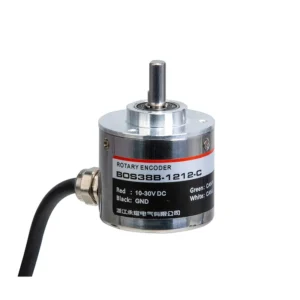
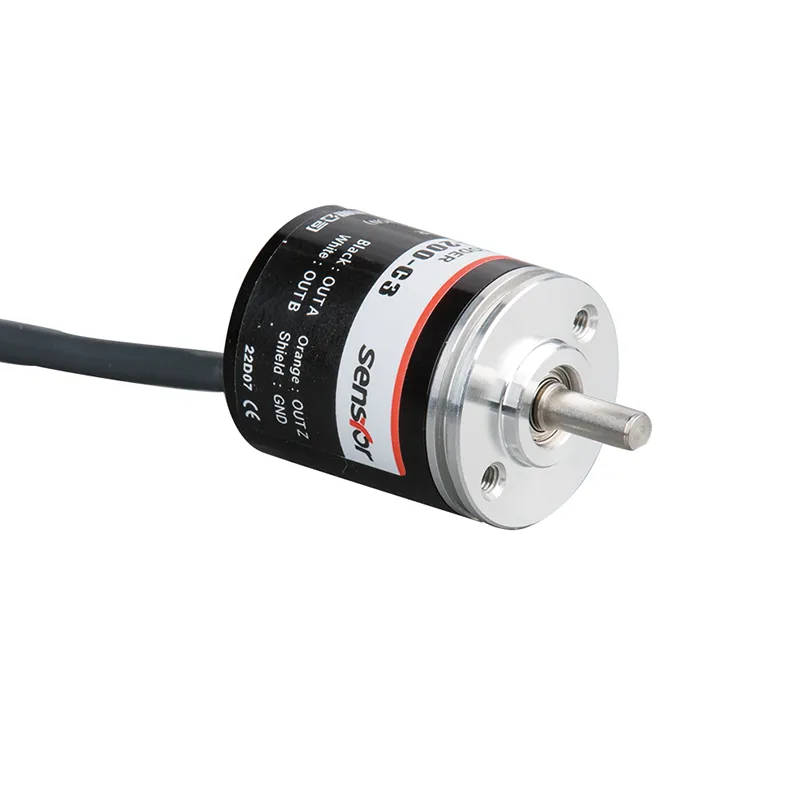
incremental rotary encoder used in industrial automation system
High-performance incremental rotary encoder providing accurate motion feedback for industrial machinery.

What Is an Incremental Rotary Encoder?

An incremental encoder is a sensor that generates electrical pulses when a shaft rotates. Each pulse represents a specific movement amount, allowing the control system to calculate rotational speed and position changes.

The encoder itself does not usually store absolute position information after power is removed. Instead, the system determines position by counting pulses from a reference point.

Common applications include:

  • Servo motor control
  • Conveyor systems
  • CNC machines
  • Robotics
  • Printing equipment
  • Industrial automation machinery

For engineers looking for industrial encoder solutions, SensyRcoder provides professional products designed for demanding applications:

Internal product resource:
https://sensyorcoder.net/products/


How Does an Incremental Rotary Encoder Work?

Basic Working Principle of Incremental Rotary Encoder Technology

The working process of an incremental rotary encoder is based on motion detection.

When the encoder shaft rotates:

  1. A coded disk or magnetic element moves.
  2. The sensor detects movement changes.
  3. Electrical pulses are generated.
  4. The controller interprets these signals.

The output signals normally include:

  • Channel A signal
  • Channel B signal
  • Index signal (Z pulse)

The relationship between Channel A and Channel B helps determine rotation direction.


Key Components of Incremental Rotary Encoder Systems

Encoder Shaft

The shaft connects directly to rotating equipment. It transfers mechanical movement into the sensing mechanism.

Sensing Element

The sensing technology can be:

  • Optical sensing
  • Magnetic sensing

Optical systems provide excellent accuracy, while magnetic systems offer stronger resistance to dust and harsh environments.

Electronic Circuit

The internal electronics process sensor signals and provide output formats compatible with industrial controllers.


Types of Incremental Rotary Encoder

Optical Incremental Rotary Encoder

Optical models use light sources and coded disks to detect movement.

Advantages:

  • High resolution
  • Excellent accuracy
  • Fast response

They are commonly used in precision automation equipment.


Magnetic Incremental Rotary Encoder

Magnetic encoders use magnetic fields to measure rotation.

Benefits include:

  • Strong environmental resistance
  • Better durability
  • Reliable operation in industrial environments

Shaft and Hollow Shaft Incremental Rotary Encoder

Different mechanical designs allow integration with various machines.

Shaft Type Encoder

Suitable for direct coupling applications.

Hollow Shaft Encoder

Designed for easy installation on existing rotating shafts.


Applications of Incremental Rotary Encoder

Industrial Automation

Automation systems require accurate feedback for controlling motors, actuators, and production equipment.

An incremental rotary encoder helps machines maintain:

  • Accurate speed control
  • Position monitoring
  • Smooth operation

Robotics

Robotic arms depend on precise movement control. Encoder feedback allows robots to perform repeatable and accurate actions.


CNC Machines

CNC equipment uses encoder signals to maintain machining accuracy and improve product quality.


Packaging and Manufacturing Equipment

Packaging machines require fast and reliable position feedback for:

  • Filling
  • Labeling
  • Cutting
  • Sealing operations

Benefits of Using Incremental Rotary Encoder

1. High Motion Accuracy

An incremental rotary encoder provides precise pulse feedback, helping industrial systems maintain accurate movement.

2. Cost-Effective Solution

Compared with some advanced feedback systems, incremental models provide reliable performance at a competitive cost.

3. Easy Integration

Most industrial controllers support common encoder output formats, making installation easier.

4. Reliable Industrial Performance

High-quality models can operate under challenging conditions including:

  • Vibration
  • Dust
  • Temperature changes

Incremental Rotary Encoder vs Absolute Encoder

FeatureIncremental Rotary EncoderAbsolute Encoder
Position informationRelative positionAbsolute position
CostLowerHigher
ComplexitySimpleMore advanced
Power loss recoveryRequires referenceMaintains position
Common useSpeed and motion controlPrecise positioning

How to Choose the Right Incremental Rotary Encoder

When selecting an encoder, consider:

Resolution Requirements

Higher pulse counts provide more detailed movement measurement.

Output Signal Type

Common options include:

  • TTL output
  • HTL output
  • Push-pull output

Environmental Conditions

Consider:

  • Temperature range
  • Moisture exposure
  • Dust protection
  • Vibration levels

Mechanical Compatibility

Check:

  • Shaft size
  • Mounting method
  • Rotation speed

Installation and Maintenance Tips

Proper Installation

Follow these practices:

  • Align the shaft correctly
  • Avoid excessive mechanical force
  • Secure electrical connections
  • Protect cables from damage

Maintenance Recommendations

Regular inspections can extend encoder lifespan.

Check:

  • Cable condition
  • Mounting stability
  • Signal quality

Industrial Incremental Rotary Encoder Solutions From SensyRcoder

Choosing a reliable supplier is important for industrial applications.

SensyRcoder provides encoder products designed for automation systems, motion control equipment, and industrial machinery.

Explore available solutions:

Internal link:
https://sensyorcoder.net/products/

These products support applications requiring accurate feedback, stable operation, and long service life.


External Resources

For additional technical information about encoder technology:

(These external resources provide additional engineering references.)


The future of encoder technology is moving toward:

  • Smart industrial sensors
  • IoT connectivity
  • Higher resolution feedback
  • Smaller designs
  • Improved energy efficiency

As factories become more automated, reliable feedback devices will continue to be essential.


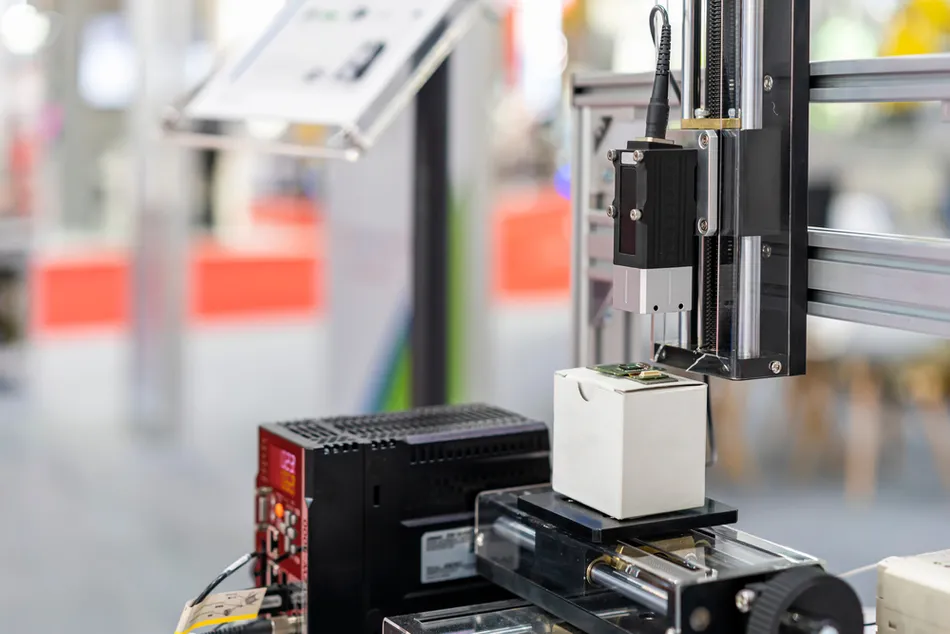
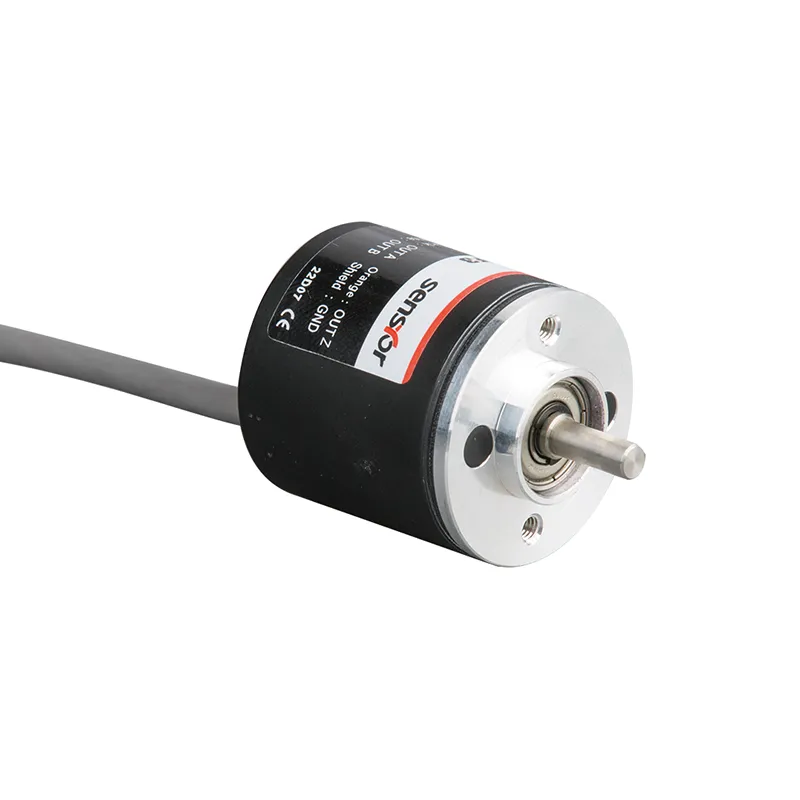
incremental rotary encoder for precision motion control applications
Industrial incremental encoder designed for reliable speed and position measurement.

Frequently Asked Questions (FAQ)

1. What is an incremental rotary encoder used for?

An incremental encoder measures rotational speed, direction, and relative position in industrial equipment.


2. What is the difference between incremental and absolute encoders?

Incremental encoders provide relative movement information, while absolute encoders provide exact position data.


3. How accurate is an incremental rotary encoder?

Accuracy depends on resolution, design quality, and application requirements. High-resolution models can provide extremely precise feedback.


4. Can incremental rotary encoders work in harsh environments?

Yes. Industrial models are designed to handle vibration, dust, and temperature changes.


5. How do I select the correct encoder resolution?

The required resolution depends on machine speed, accuracy requirements, and control system specifications.


6. Where are incremental rotary encoders commonly used?

They are widely used in automation, robotics, CNC machines, packaging systems, and manufacturing equipment.


Conclusion

An incremental encoder is a critical component for modern industrial automation. By providing reliable motion feedback, it helps machines operate accurately, efficiently, and safely.

From robotics and CNC equipment to manufacturing systems, these sensors improve productivity and performance.

For businesses seeking dependable industrial encoder solutions, explore SensyRcoder products:

https://sensyorcoder.net/products

Related Posts

Absolute vs Incremental Rotary Encoder Key Differences and Industry Applications

Absolute vs Incremental Rotary Encoder Key Differences and Industry Applications

When you’re sourcing precision feedback devices for motion control systems or automation projects, one of the first questions that comes up is simple but crucial: Should I choose an absolute or incremental rotary encoder? If you’re an engineer, a purchasing manager, or anyone involved in industrial automation, understanding this difference isn’t just a matter of preference […]

Read More
Optical Encoder: Complete Guide to Precision Motion Control

Optical Encoder: Complete Guide to Precision Motion Control

📊 Comprehensive Outline for “optical encoder” Heading Level Topic H1 Optical Encoder: Complete Guide to Precision Motion Control H2 Introduction to Optical Encoder H3 What is an Optical Encoder H3 Importance in Modern Automation H2 How an Optical Encoder Works H3 Basic Working Principle H3 Signal Generation Process H2 Types of Optical Encoder H3 Incremental […]

Read More
Custom Encoder Manufacturer: 7 Key Benefits for Industrial Automation 2026

Custom Encoder Manufacturer: 7 Key Benefits for Industrial Automation 2026

Table of Contents Introduction Custom encoder manufacturer solutions are becoming increasingly important in modern industrial automation. A custom encoder manufacturer provides tailored encoder systems designed to meet the exact requirements of machinery, robotics, and motion control applications. Unlike standard encoder suppliers, a custom encoder manufacturer can develop specialized solutions for harsh environments, compact installations, and […]

Read More