High Precision Rotary Encoder: 5 Key Advantages for Industrial Automation

High Precision Rotary Encoder: 5 Key Advantages for Industrial Automation

Table of Contents

  • Introduction to Precision Encoder Technology
  • What Is a High Precision Rotary Encoder?
  • How Does a High Precision Rotary Encoder Work?
  • Main Features of Industrial Encoder Systems
  • Applications in Modern Automation
  • Benefits of Using Advanced Rotary Sensors
  • How to Choose the Right Encoder
  • Installation and Maintenance Tips
  • Frequently Asked Questions
  • Conclusion

Introduction to High Precision Rotary Encoder Technology

A high precision rotary encoder is an essential component in modern industrial automation systems. It provides accurate feedback about position, speed, and rotation direction, allowing machines to operate with higher efficiency and reliability.

With the development of smart factories and automated production lines, accurate motion control has become increasingly important. Manufacturing equipment, robotics, and CNC machines all require reliable feedback systems to maintain precise operation.

SensyOrCoder provides professional encoder solutions designed for industrial applications:

https://sensyorcoder.net/products


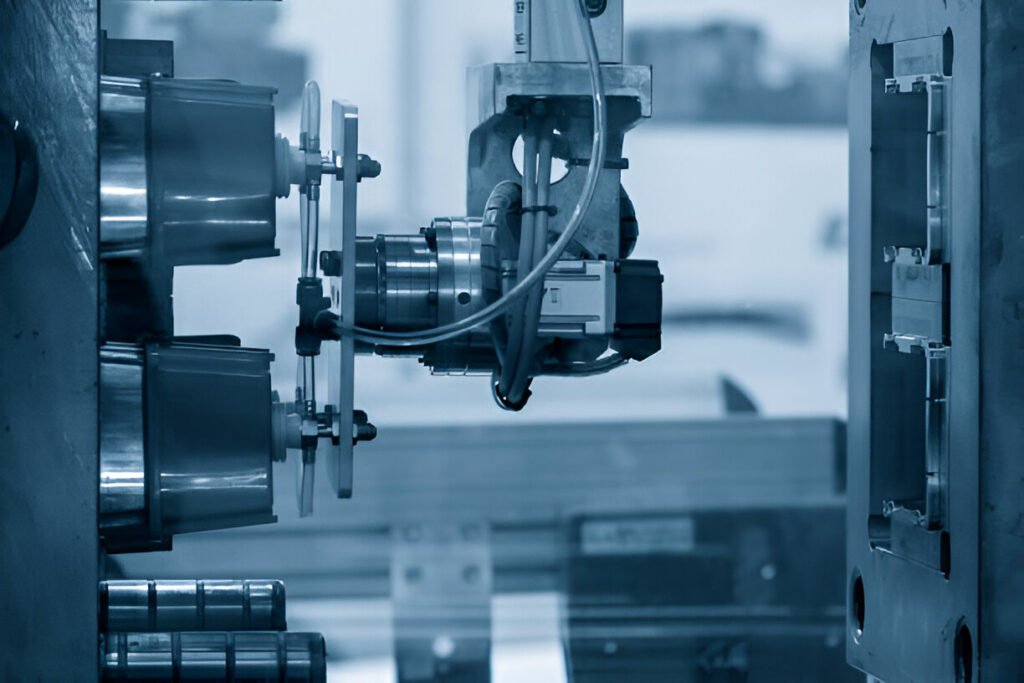
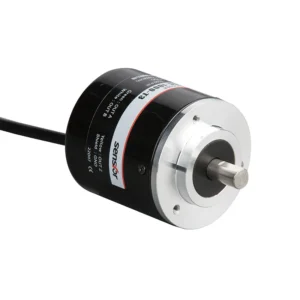
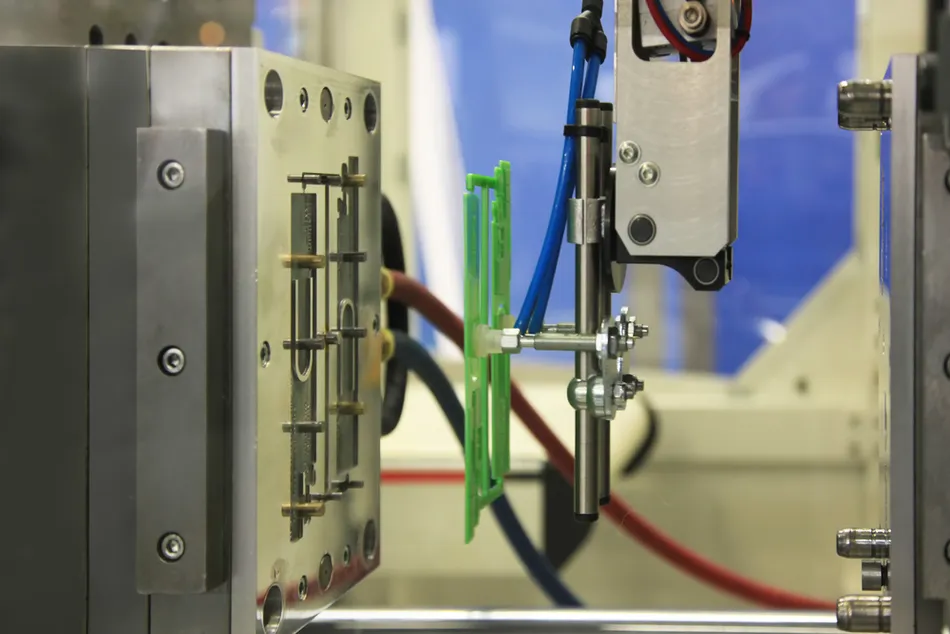
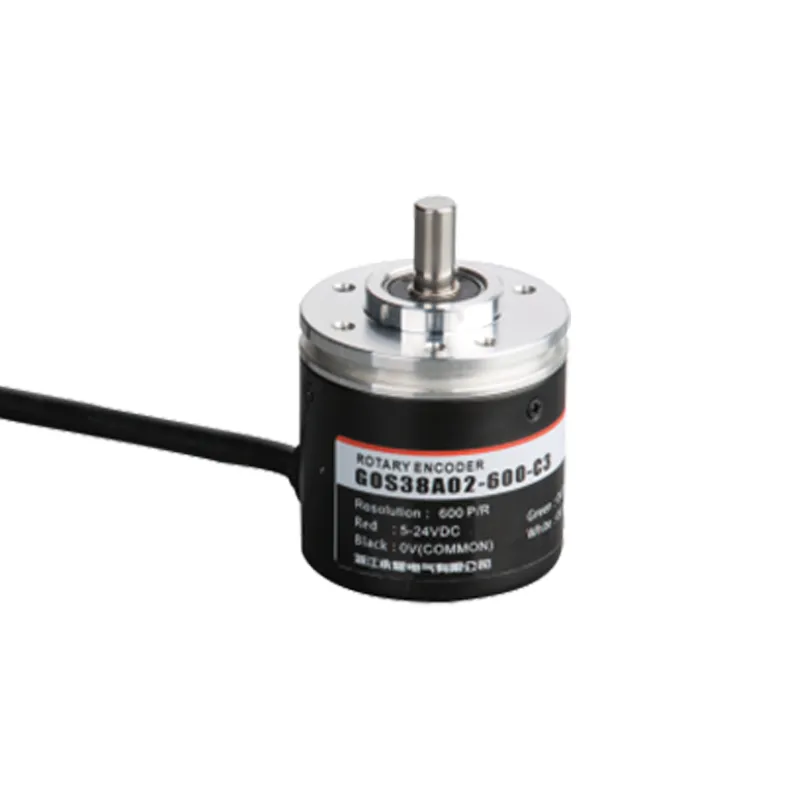
high precision rotary encoder for industrial automation equipment
A high precision rotary encoder provides accurate motion feedback for industrial machines and automation systems.

What Is a High Precision Rotary Encoder?

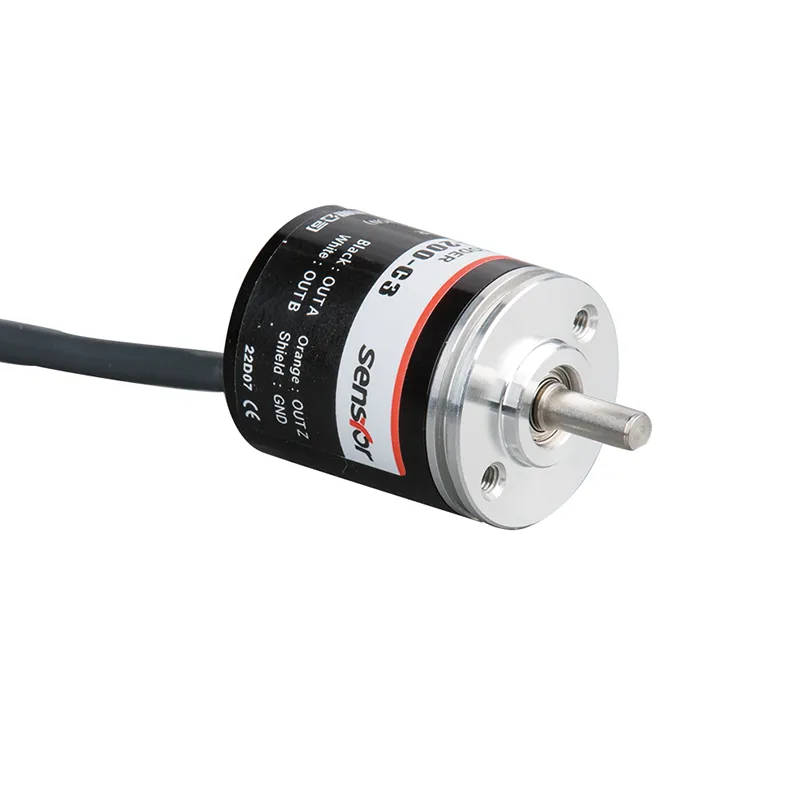
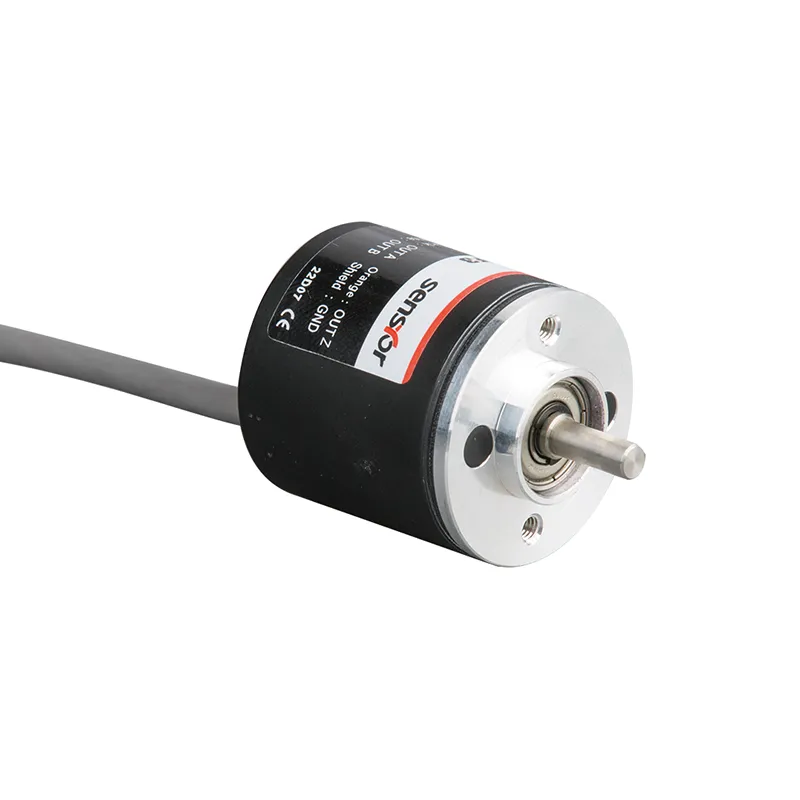
A high precision rotary encoder is an electronic device that converts mechanical rotation into electrical signals.

These signals allow industrial controllers to understand:

  • Shaft position
  • Rotation speed
  • Movement direction
  • Operating status

Compared with ordinary sensors, advanced rotary encoders provide improved accuracy and repeatability.

They are widely used in industries where small positioning errors can affect product quality.

Typical applications include:

  • Factory automation
  • Robotics
  • Semiconductor equipment
  • Packaging machinery
  • CNC manufacturing

How Does a High Precision Rotary Encoder Work?

Working Principle of Precision Motion Feedback

The operating principle is based on detecting rotational movement and converting it into digital information.

There are two common sensing technologies:

Optical Encoder Technology

Optical systems use light sources and coded disks to measure rotation.

Advantages include:

  • High resolution
  • Excellent accuracy
  • Fast response

Magnetic Encoder Technology

Magnetic systems use magnetic fields to detect movement.

Benefits include:

  • Strong environmental resistance
  • Better durability
  • Suitable for harsh environments

For more information about encoder technology, visit:

https://www.motioncontroltips.com/what-is-an-encoder


Main Features of High Precision Rotary Encoder Systems

High Resolution Measurement

A quality encoder can detect very small rotational changes.

High resolution helps improve:

  • Position accuracy
  • Machine performance
  • Product consistency

This makes precision feedback especially valuable in automated production environments.


Strong Industrial Protection

Industrial equipment often operates under difficult conditions.

A reliable encoder should withstand:

  • Dust
  • Vibration
  • Temperature changes
  • Mechanical impact

Many industrial models include protective housing and high IP ratings.

Learn more about industrial standards:

https://www.iso.org/standards.html


Multiple Output Options

Different automation systems require different communication methods.

Common interfaces include:

InterfaceApplication
Incremental OutputSpeed monitoring
Absolute OutputPosition control
SSIIndustrial automation
EtherCATHigh-speed communication

Selecting the correct output type ensures smooth system integration.


Applications of High Precision Rotary Encoder

Industrial Automation

Automation systems depend on accurate feedback.

Encoders help control:

  • Conveyor movement
  • Robotic arms
  • Assembly machines
  • Production equipment

Reliable feedback improves production speed and reduces errors.


CNC Machines

CNC equipment requires extremely accurate positioning.

Encoder feedback helps:

  • Improve machining precision
  • Maintain stable operation
  • Increase manufacturing quality

Robotics

Robots need accurate movement control.

A precision encoder helps robotic systems achieve:

  • Smooth motion
  • Better repeatability
  • Higher efficiency

Benefits of Using Advanced Rotary Encoder Technology

Improved Accuracy

Accurate feedback allows machines to perform complex operations with greater precision.

This is especially important in industries requiring strict manufacturing tolerances.


Better Productivity

When machines receive reliable position information, they can operate faster and more efficiently.

Benefits include:

  • Reduced downtime
  • Faster production cycles
  • Improved quality

Longer Service Life

Industrial-grade encoder systems are designed for long-term operation.

Durable construction reduces maintenance requirements and improves equipment reliability.


How to Choose the Right Encoder

Consider Accuracy Requirements

Different applications require different levels of precision.

Before selecting a model, evaluate:

  • Required resolution
  • Rotation speed
  • Position accuracy

Check Environmental Conditions

The operating environment affects encoder performance.

Consider:

  • Temperature
  • Humidity
  • Dust exposure
  • Vibration

Confirm Compatibility

Make sure the encoder matches your existing automation system.

Important factors include:

  • Mechanical size
  • Shaft design
  • Electrical interface

Installation and Maintenance Tips

Proper Installation

Correct installation improves performance.

Recommended practices:

  • Avoid excessive shaft pressure
  • Maintain alignment
  • Secure mounting connections

Regular Maintenance

Routine inspection helps prevent unexpected failures.

Check:

  • Cable condition
  • Mechanical connections
  • Environmental protection

For more industrial encoder solutions, visit:

https://sensyorcoder.net/products

Recommended internal anchor text:

  • Industrial encoder products
  • Rotary encoder solutions
  • Automation feedback systems

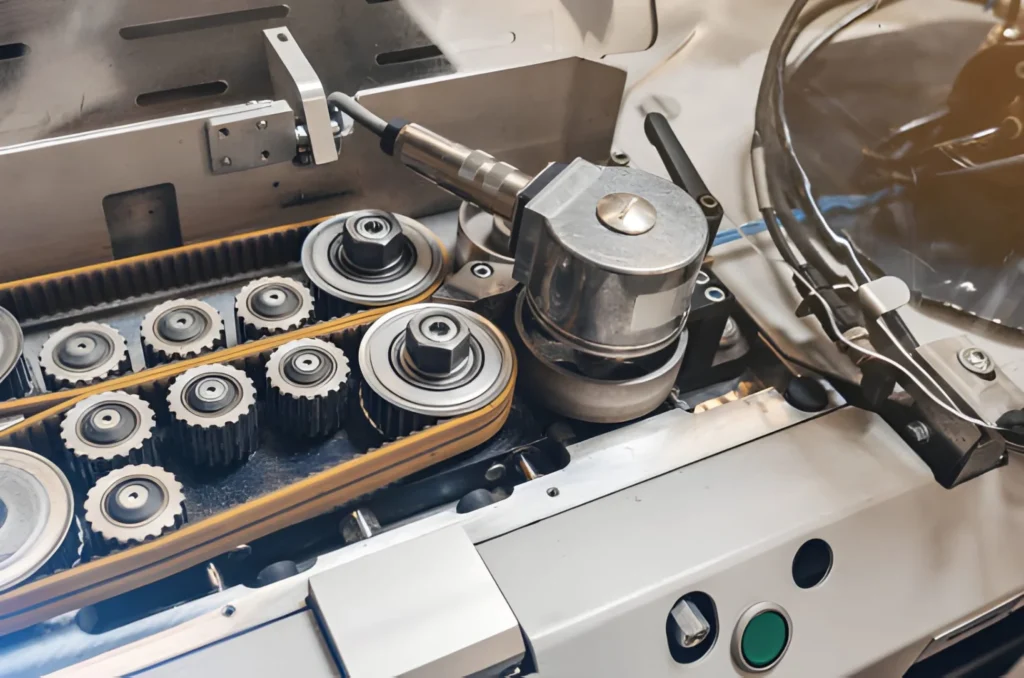
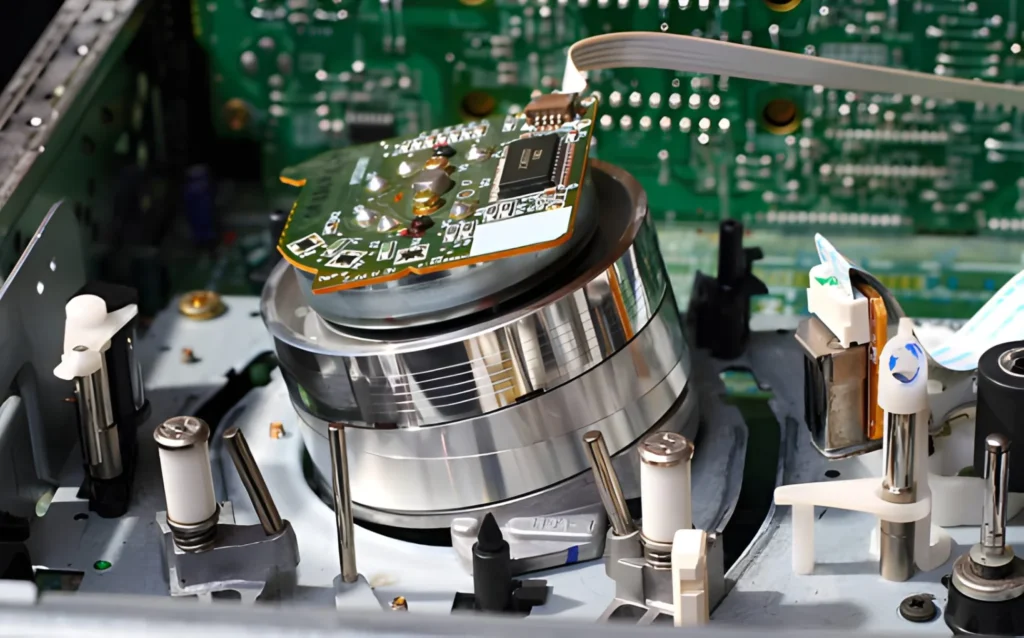
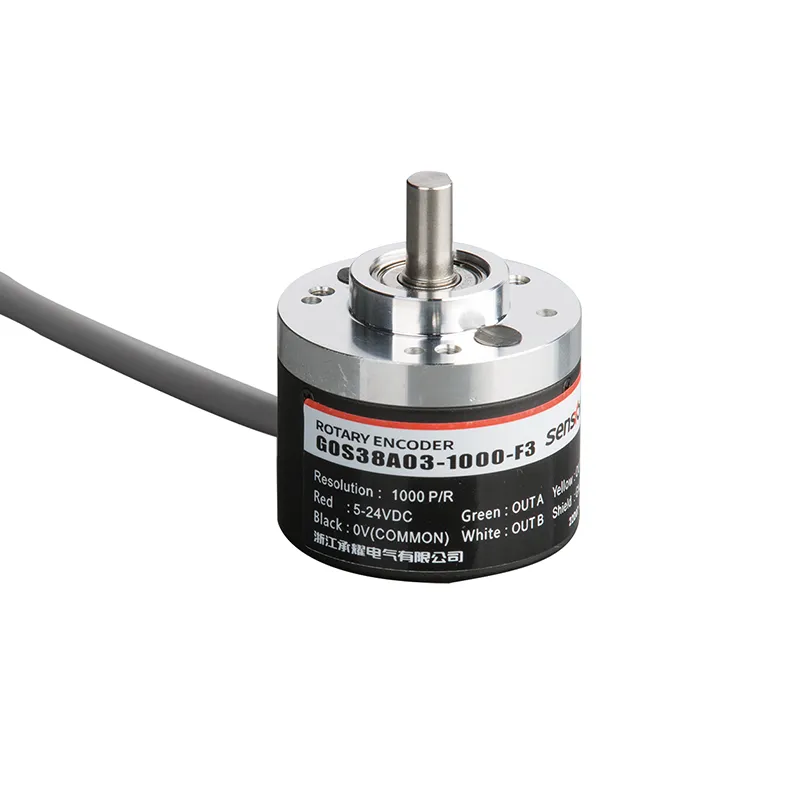
high precision rotary encoder motion control system
Industrial motion systems use precision encoders to achieve reliable positioning and speed measurement.

Frequently Asked Questions

1. What is a high precision rotary encoder?

It is a sensor that converts rotational movement into accurate electrical feedback signals for automation systems.


2. Where are precision rotary encoders used?

They are commonly used in robotics, CNC machines, manufacturing equipment, and industrial automation.


3. What makes an encoder high precision?

High resolution sensing technology, stable construction, and accurate signal processing improve encoder precision.


4. Are rotary encoders suitable for harsh environments?

Yes. Industrial models are designed to handle vibration, dust, and temperature variations.


5. How do I select an industrial encoder?

Choose according to accuracy requirements, environmental conditions, output type, and machine compatibility.


Conclusion

A high precision rotary encoder is a critical technology for modern automation systems. It improves motion accuracy, enhances machine efficiency, and supports reliable industrial production.

As factories continue moving toward smarter automation, precision feedback devices will play an increasingly important role.

For professional encoder solutions, explore:

https://sensyorcoder.net/products/

Related Posts

Autonics Encoder Replacement: Complete Industrial Compatibility Guide

Autonics Encoder Replacement: Complete Industrial Compatibility Guide

Table of Contents Introduction Autonics encoder replacement solutions are increasingly important in modern industrial automation systems. Many manufacturers and automation engineers search for reliable Autonics encoder replacement products when upgrading equipment, improving performance, or replacing discontinued encoder models. A high-quality Autonics encoder replacement provides stable motion feedback, improved durability, and compatibility with existing automation systems. […]

Read More
Incremental Encoder: 7 Powerful Insights to Master Precision Motion Control

Incremental Encoder: 7 Powerful Insights to Master Precision Motion Control

📑 Comprehensive Outline of Incremental Encoder Heading Level Topic H1 Incremental Encoder: 7 Powerful Insights to Master Precision Motion Control H2 Introduction to Incremental Encoder H3 What is an Incremental Encoder? H3 Importance in Modern Automation H2 How an Incremental Encoder Works H3 Basic Working Principle H4 Signal Generation Explained H4 Pulse Counting Mechanism H2 […]

Read More
Incremental Rotary Encoder How to Distinguish Signals from

Incremental Rotary Encoder How to Distinguish Signals from

If you’ve ever worked with motors or automation systems, you’ve probably heard about Incremental rotary encoder. These devices are crucial for determining position, speed, and direction of rotating shafts. But not all rotary encoders are created equal. The two most common types are incremental and absolute encoders — and understanding how their signals differ is key for choosing the […]

Read More