Key Features of IP65 Industrial Encoder Technology
Applications of IP65 Industrial Encoder
Benefits of Using IP65 Industrial Encoder
IP65 Industrial Encoder vs Standard Encoder
How to Select the Right IP65 Industrial Encoder
Installation and Maintenance Tips
Future Trends of Industrial Encoder Technology
Frequently Asked Questions
IP65 industrial encoder provides accurate position feedback for modern automation systems.
What Is an IP65 Industrial Encoder?
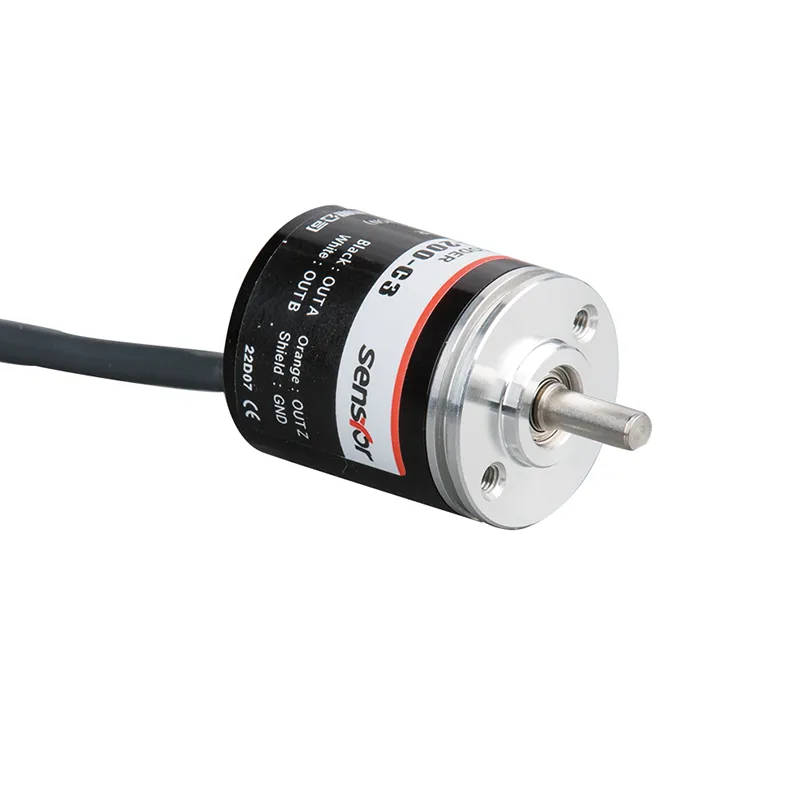
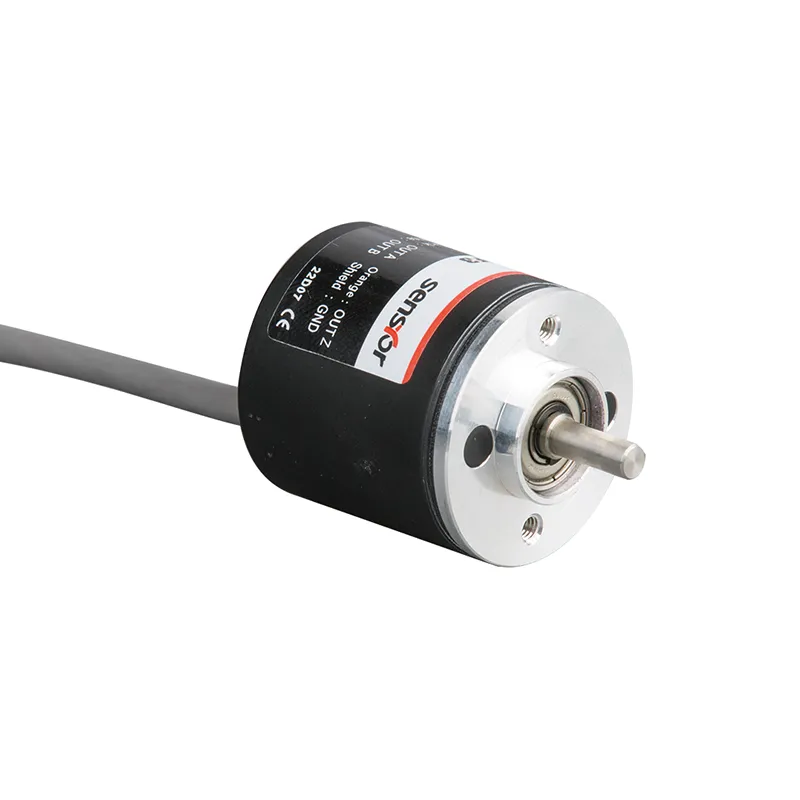
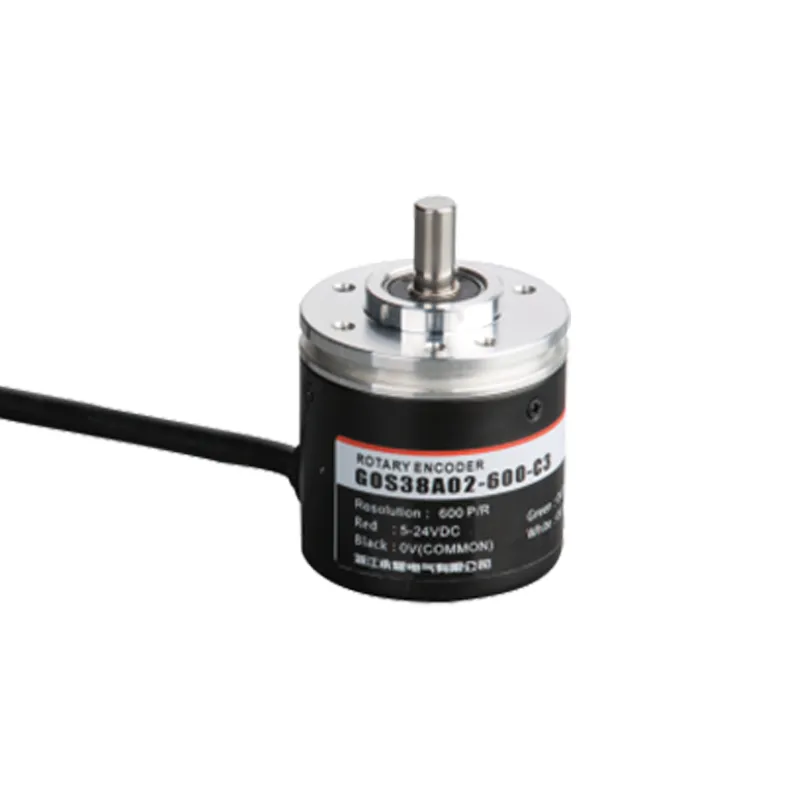
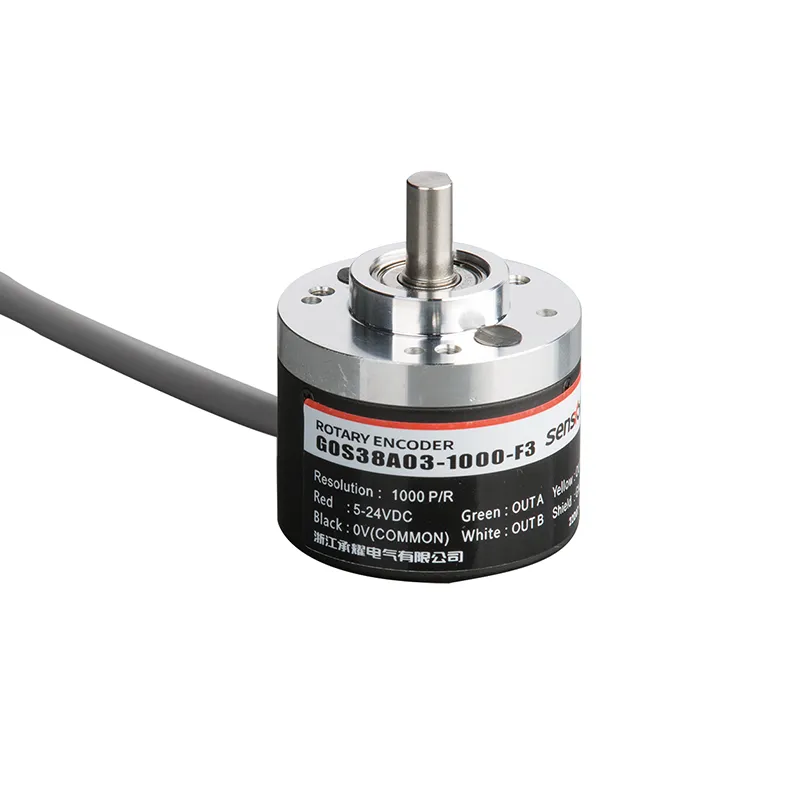
An IP65 industrial encoder is a precision motion feedback device designed to measure the position, speed, and direction of rotating machinery while operating in challenging industrial environments.
The IP65 protection rating means the encoder housing is protected against complete dust entry and water jets from any direction. This makes it an ideal solution for factories, production lines, packaging equipment, robotics, and automation systems where reliability is essential.
Unlike standard sensors used in clean environments, an IP65 industrial encoder is engineered with enhanced sealing technology, durable materials, and stable electronic components to maintain accurate performance even when exposed to dust, moisture, vibration, and mechanical stress.
For high-quality industrial encoder solutions, you can explore our products here:
An industrial encoder converts mechanical movement into electrical signals that industrial control systems can understand.
The encoder typically detects shaft rotation through optical or magnetic sensing technology and sends feedback signals to controllers such as PLC systems.
The basic working process includes:
Mechanical rotation detection
Signal conversion
Position feedback transmission
Motion control adjustment
In automated production systems, accurate feedback allows machines to maintain precise positioning, improve efficiency, and reduce operational errors.
Key Features of IP65 Industrial Encoder Technology
IP65 Industrial Encoder Protection Against Dust and Water
The biggest advantage of an industrial encoder is environmental protection.
The IP65 enclosure rating provides:
Complete protection against dust particles
Resistance against low-pressure water spray
Improved reliability in industrial conditions
This protection level helps reduce failures caused by contamination and moisture.
More information about IP protection ratings can be found through the International Electrotechnical Commission:
Industrial environments often involve vibration, impact, and temperature changes.
A reliable encoder usually includes:
Aluminum or stainless-steel housing
Reinforced shaft structure
High-quality bearings
Sealed internal components
These design features extend service life and reduce maintenance requirements.
High Precision Position Feedback
Modern automation requires accurate motion control.
An sealed encoder provides:
High resolution measurement
Stable output signals
Accurate speed monitoring
Improved machine performance
This makes it suitable for applications where even small positioning errors can affect production quality.
Applications of IP65 Industrial Encoder
Manufacturing Automation Systems
Manufacturing plants use industrial encoders for:
Conveyor systems
Assembly machines
CNC equipment
Robotic arms
Packaging machinery
The encoder provides continuous feedback to ensure smooth and accurate machine operation.
Robotics and Motion Control
Robotic systems require precise movement control.
An industrial encoder helps robots determine:
Arm position
Rotation angle
Movement speed
This improves repeatability and production accuracy.
Food and Beverage Equipment
Food processing environments require components that can handle cleaning processes and moisture.
An industrial encoder provides reliable performance in:
Filling machines
Processing equipment
Packaging systems
Renewable Energy Equipment
Wind turbines and solar tracking systems require accurate position measurement.
Industrial encoders help monitor:
Blade position
Rotation speed
Mechanical movement
Benefits of Using IP65 Industrial Encoder
Improved Equipment Reliability
A sealed industrial encoder reduces the risk of damage from:
Dust contamination
Water exposure
Industrial particles
This results in longer equipment operation time.
Reduced Maintenance Costs
Because IP65 industrial encoders are designed for harsh environments, they often require less frequent replacement compared with standard sensors.
Benefits include:
Lower downtime
Reduced repair costs
Longer operational lifespan
Better Automation Efficiency
Accurate feedback allows automation systems to:
Increase production speed
Improve product quality
Reduce mechanical errors
IP65 Industrial Encoder vs Standard Encoder
Feature
IP65 Industrial Encoder
Standard Encoder
Dust Protection
Excellent
Limited
Water Resistance
High
Low
Industrial Usage
Suitable
Limited
Durability
High
Medium
Maintenance Requirement
Low
Higher
For demanding industrial applications, choosing a properly rated encoder can significantly improve system stability.
How to Select the Right IP65 Industrial Encoder
Consider Environmental Conditions
Before selecting an encoder, evaluate:
Temperature range
Moisture exposure
Dust level
Vibration intensity
A suitable protection rating ensures reliable operation.
Check Resolution Requirements
Different applications require different levels of accuracy.
Important specifications include:
Pulses per revolution (PPR)
Output signal type
Measurement accuracy
Confirm Compatibility With Control Systems
Make sure the encoder supports your automation platform.
Common interfaces include:
Incremental output
Absolute output
CANopen
SSI
Industrial communication protocols
Installation and Maintenance Tips
Proper Installation
To maximize encoder lifespan:
Avoid excessive shaft pressure
Ensure correct alignment
Protect cables from damage
Follow manufacturer guidelines
An IP65 industrial encoder is designed for reliable operation in dusty and wet industrial environments.
Regular Inspection
Routine checks can prevent unexpected failures.
Recommended inspections include:
Checking cable connections
Cleaning external surfaces
Monitoring unusual vibration
Future Trends of IP65 Industrial Encoder Technology
Industrial automation continues to develop rapidly.
Future encoder technologies will focus on:
Smart sensors
IoT connectivity
Predictive maintenance
Higher resolution feedback
Compact industrial designs
These improvements will help manufacturers build more efficient and intelligent automation systems.
Frequently Asked Questions About IP65 Industrial Encoder
1. What does IP65 mean for an industrial encoder?
IP65 means the encoder is completely protected against dust and protected against water jets from any direction.
2. Where is an IP65 industrial encoder commonly used?
It is commonly used in manufacturing, robotics, packaging, CNC machines, and automated production systems.
3. Is an IP65 encoder waterproof?
An IP65 encoder is water-resistant against low-pressure water jets but is not designed for complete underwater operation.
4. What is the difference between IP65 and IP67 encoders?
IP67 provides stronger water protection and temporary immersion resistance, while IP65 protects against dust and water jets.
5. How long does an IP65 industrial encoder last?
The lifespan depends on operating conditions, installation quality, and maintenance, but industrial-grade models are designed for long-term operation.
6. How can I choose the best industrial encoder?
Consider environmental conditions, resolution requirements, output type, and mechanical compatibility before selecting a model.
Conclusion
An IP65 industrial encoder is an important component for modern automation systems that require accurate motion feedback and dependable performance.
With strong protection against dust and water, excellent durability, and precise measurement capabilities, these encoders help industries improve productivity and reduce downtime.
For professional industrial encoder solutions, visit:
Motion control sensor technology has become a cornerstone of modern automation systems. Whether in robotics, packaging equipment, CNC machinery, or smart manufacturing facilities, these sensors help maintain accurate positioning, speed regulation, and real-time feedback. As industrial environments become increasingly automated, companies require reliable sensing solutions that improve efficiency while reducing downtime. A motion control sensor […]
Table of Contents Introduction Encoder manufacturer companies are essential to modern industrial automation. They design and produce encoder systems that help machines monitor speed, direction, and position with high accuracy. From robotics to CNC machinery, industrial encoders are widely used in equipment that requires precise motion control. Choosing the right encoder manufacturer can improve production […]
Table of Contents Introduction to IP65 Encoder IP65 encoder technology is widely used in industrial automation systems where protection against dust and water is essential. An IP65 encoder is designed to operate reliably in harsh industrial environments while maintaining accurate position and speed feedback. The durable structure of an IP65 encoder helps improve machine stability […]
We use cookies to enhance your browsing experience, serve personalised ads or content, and analyse our traffic. By clicking "Accept All", you consent to our use of cookies.