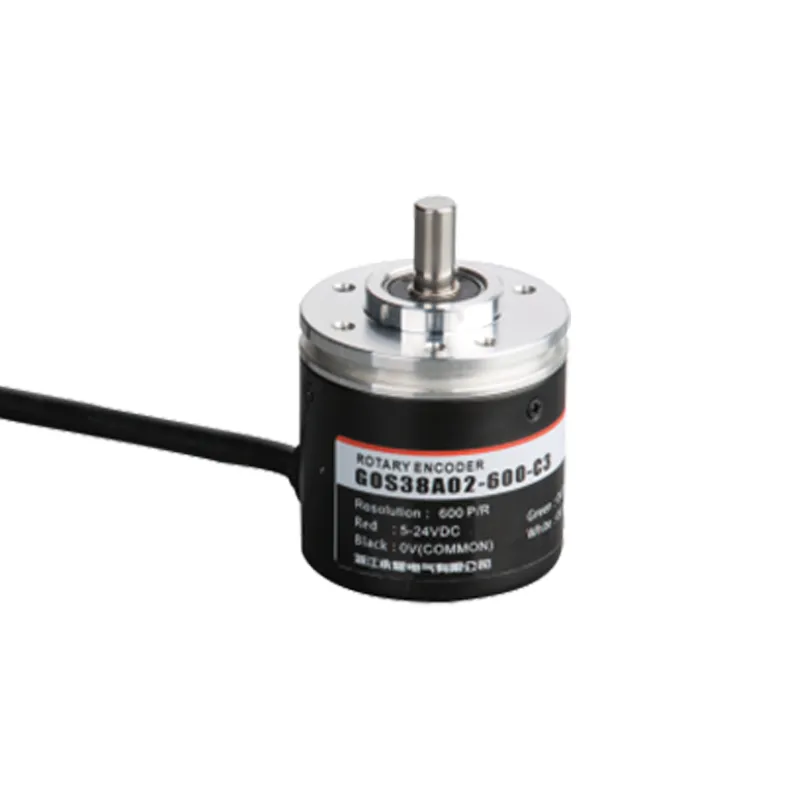
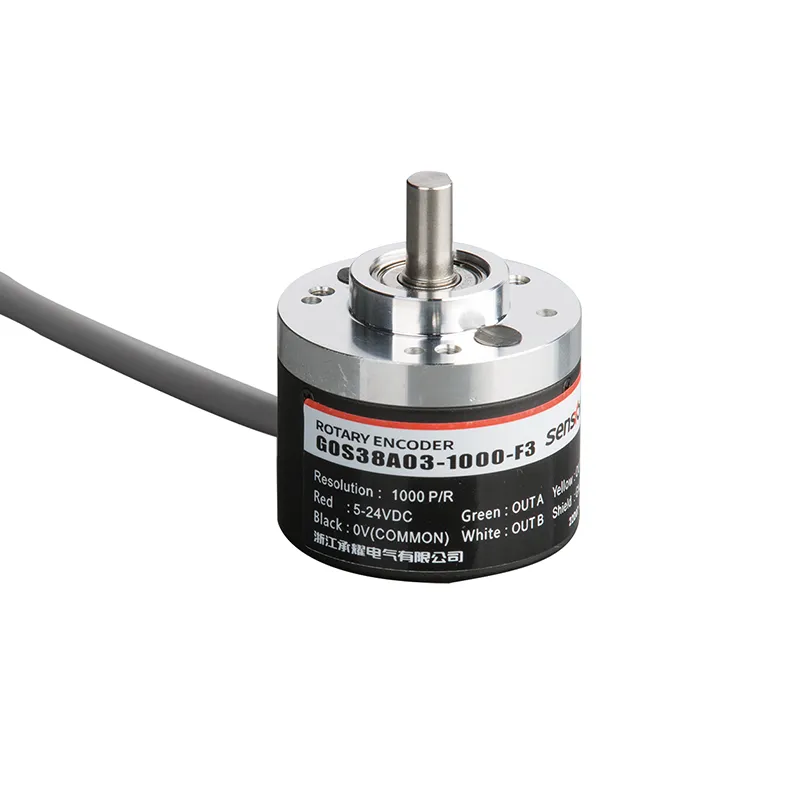
Motion control sensor technology has become a cornerstone of modern automation systems. Whether in robotics, packaging equipment, CNC machinery, or smart manufacturing facilities, these sensors help maintain accurate positioning, speed regulation, and real-time feedback.
As industrial environments become increasingly automated, companies require reliable sensing solutions that improve efficiency while reducing downtime. A motion control sensor enables machines to respond intelligently to movement, making production processes more accurate and cost-effective.
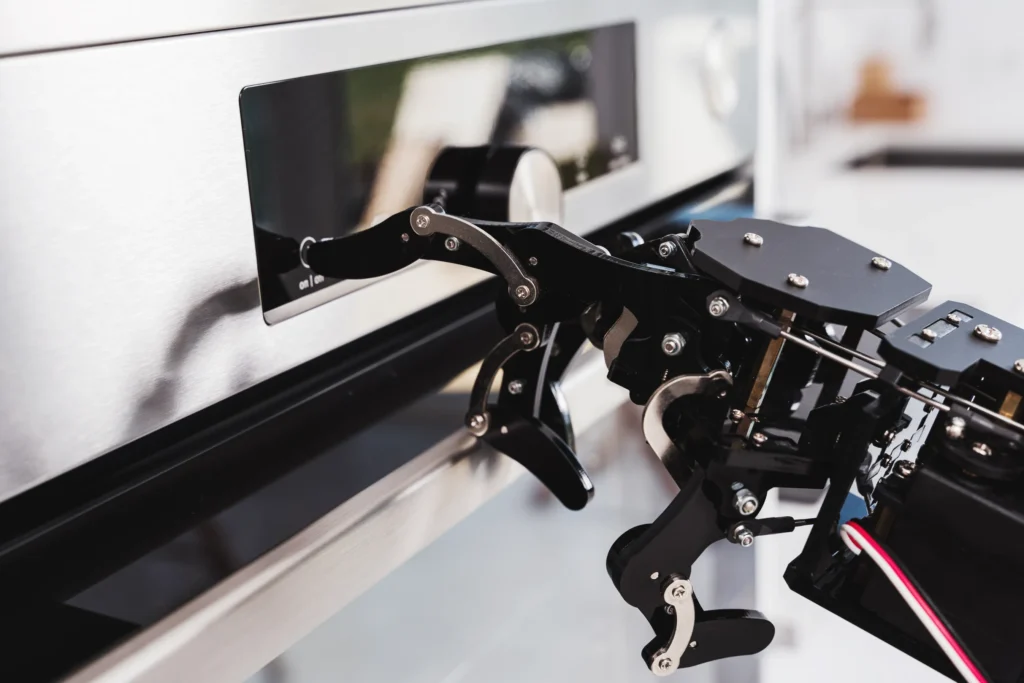
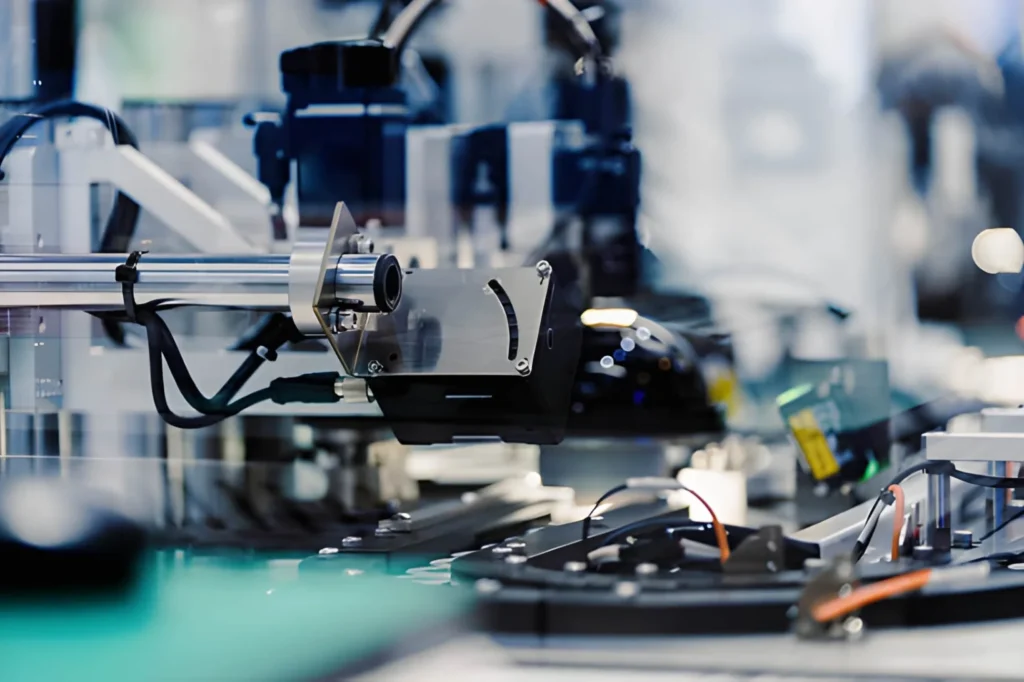
Advanced motion control sensor installed in an automated manufacturing system.
Table of Contents
What Is a Motion Control Sensor?
How a Motion Control Sensor Works
Types of Motion Control Sensor Technologies
Key Benefits of Motion Control Sensor Systems
Industrial Applications
Selecting the Right Motion Control Sensor
Integration with Modern Automation Systems
Maintenance Best Practices
Future Trends
Frequently Asked Questions
What does this sensing technology do?
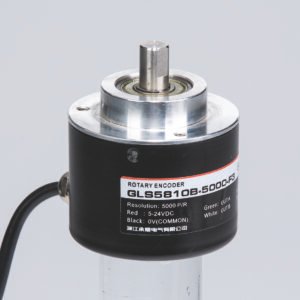
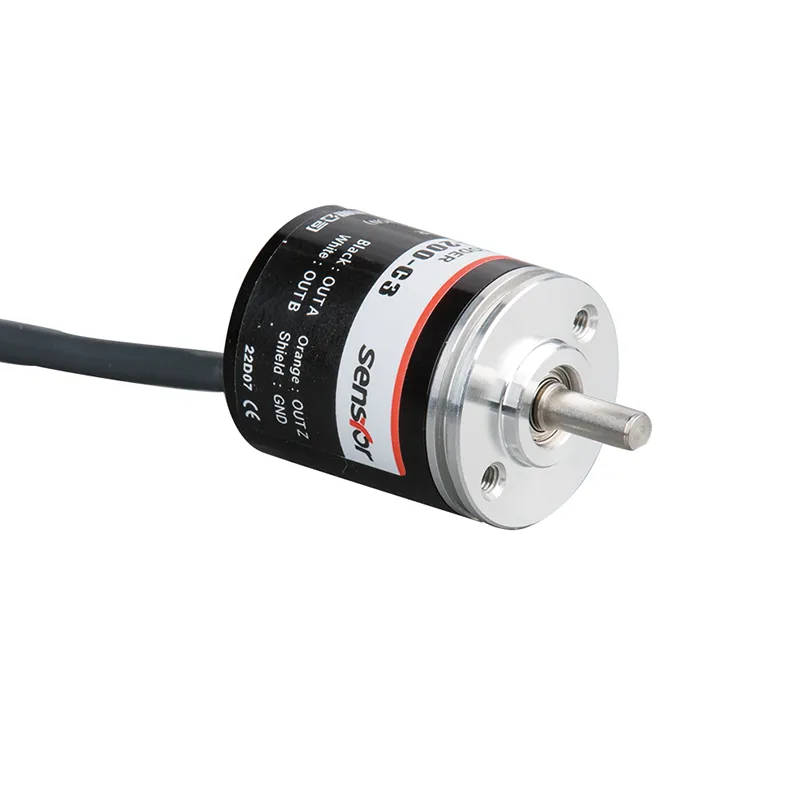
A industrial encoder is a device designed to detect movement, position, velocity, or direction within a machine or automated process. It provides real-time feedback to controllers, allowing equipment to perform precise movements.
These sensors play a critical role in:
Position monitoring
Speed control
Direction detection
Motion synchronization
Automated process control
Without accurate sensing technology, modern manufacturing systems would struggle to maintain consistency and productivity.
How It Works in Industrial Automation
A motion control sensor continuously measures mechanical movement and converts it into electrical signals that can be interpreted by a control system.
The process typically includes:
Detecting movement
Converting physical motion into signals
Sending data to a controller
Adjusting machine behavior based on feedback
This closed-loop control system helps ensure precision and repeatability.
Common Sensing Technologies for Motion Control
Motion Control Sensor Using Encoders
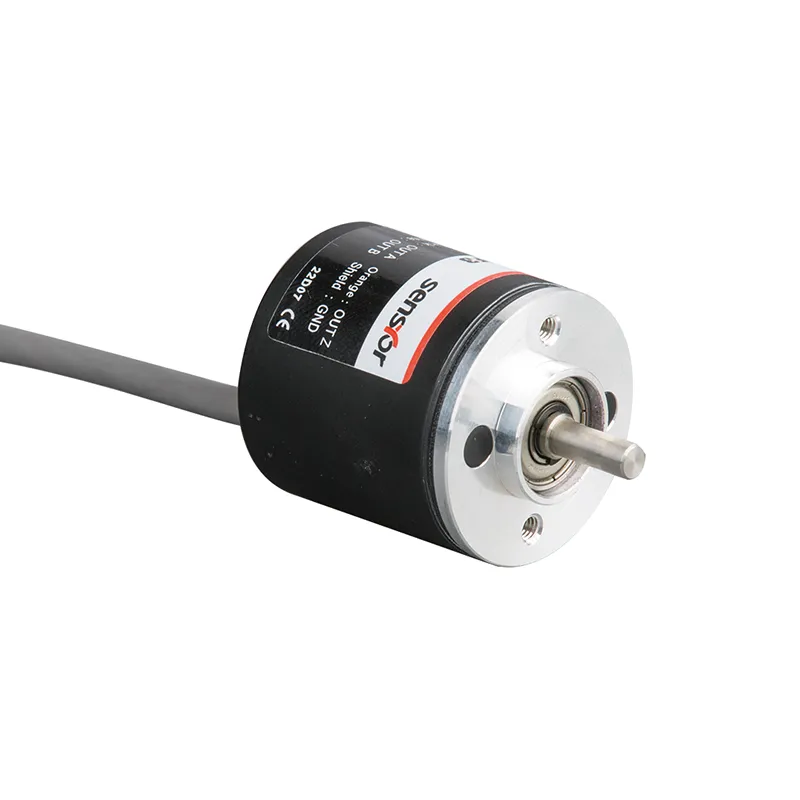
Encoder-based solutions measure rotational or linear movement with exceptional precision. They are commonly used in conveyor systems, robotics, and CNC equipment.
Motion Control Sensor Based on Magnetic Technology
Magnetic sensors provide reliable operation in dusty, wet, or high-vibration environments.
Advantages include:
Longer service life
High durability
Low maintenance requirements
Optical Motion Control Sensor Solutions
Optical technologies offer extremely high resolution and are often selected for applications requiring fine positioning accuracy.
Key Benefits for Industrial Automation
Improved Accuracy
One of the biggest advantages of using a motion control sensor is improved positioning accuracy. Precise feedback minimizes errors and ensures consistent production quality.
Enhanced Productivity
Real-time monitoring allows machines to operate more efficiently and reduce cycle times.
Reduced Downtime
Advanced sensing technology helps identify operational issues before they become major failures.
Better Process Control
Accurate movement feedback enables smoother machine operation and tighter process control.
Lower Maintenance Costs
Modern sensor designs are engineered for long service life and dependable performance.
Industrial Applications and Use Cases
Manufacturing Automation
Automated production lines depend on precise motion feedback to maintain product quality and throughput.
Robotics
Robotic systems require accurate position information to perform repetitive tasks efficiently.
Packaging Equipment
Packaging machines use motion sensing solutions to synchronize labeling, filling, and sealing operations.
CNC Machinery
Computer-controlled machining centers rely on sensor feedback for accurate cutting and positioning.
Material Handling Systems
Conveyor networks and automated warehouses use these technologies to improve operational efficiency.
How to Select the Right Motion Control Sensor
Choosing the correct sensor depends on several factors.
Environmental Conditions
Consider:
Temperature
Humidity
Dust exposure
Vibration levels
Resolution Requirements
Higher-resolution systems provide more precise feedback but may require additional investment.
Communication Interfaces
Common interfaces include:
SSI
CANopen
EtherCAT
Modbus
PROFINET
Installation Space
Machine design often determines the size and mounting style required.
Integration in Industry 4.0 Smart Factories
Industry 4.0 initiatives are driving increased adoption of intelligent sensing technologies.
Modern systems can provide:
Predictive maintenance data
Real-time diagnostics
Remote monitoring
Process optimization insights
These capabilities help manufacturers achieve greater operational efficiency.
Maintenance and Performance Optimization
To maximize performance:
Inspect mounting hardware regularly
Verify cable integrity
Monitor signal quality
Keep sensing surfaces clean
Follow manufacturer recommendations
Routine maintenance significantly extends system lifespan.
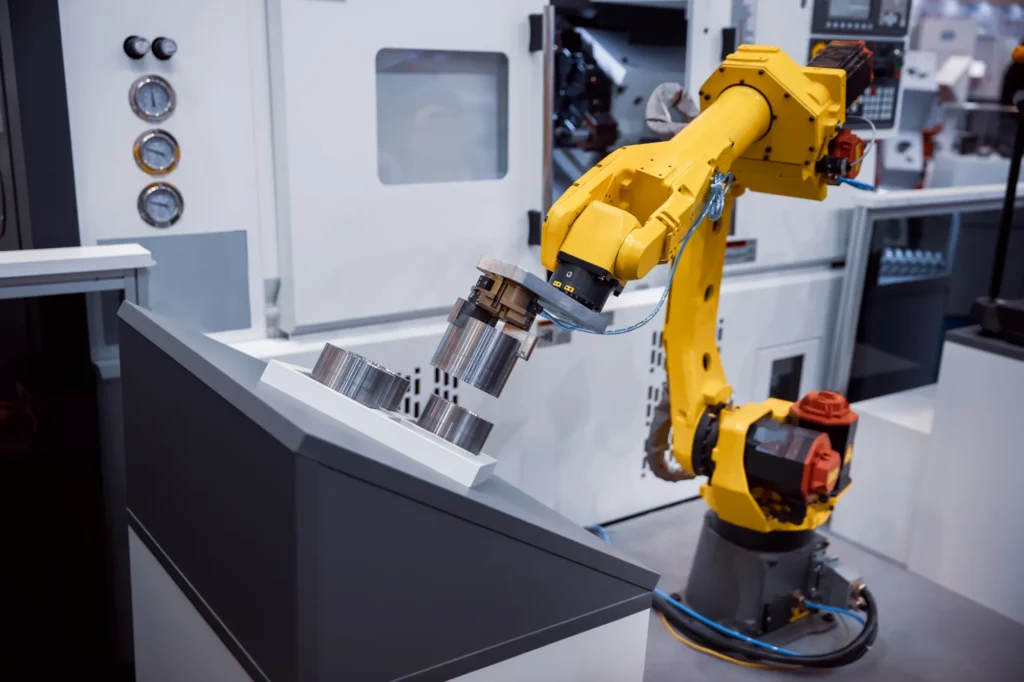
Motion control sensor technology enhances accuracy and repeatability in robotic applications.
Frequently Asked Questions
What does a motion control sensor do?
It measures movement, position, speed, or direction and provides feedback to automation systems.
Where are motion control sensors used?
They are commonly used in robotics, manufacturing, packaging, CNC machines, and automated material handling systems.
Are motion control sensors suitable for harsh environments?
Yes. Many industrial models are designed to withstand dust, moisture, vibration, and temperature extremes.
How do motion control sensors improve efficiency?
They provide accurate feedback that enables machines to operate with greater precision and consistency.
What industries benefit most from motion control sensor technology?
Manufacturing, logistics, automotive, aerospace, food processing, and robotics industries all benefit significantly.
How can I find the right motion control sensor?
Evaluate environmental conditions, resolution requirements, communication interfaces, and machine design specifications before selecting a solution.
Conclusion
A motion control sensor is a vital component in today’s industrial automation landscape. By delivering precise feedback on movement and position, these devices help improve productivity, accuracy, and equipment reliability. As smart manufacturing continues to evolve, advanced sensing solutions will play an even greater role in optimizing industrial processes.
For industrial-grade sensing and encoder solutions, visit:
Table of Contents Introduction Modern automation systems depend on accurate position feedback to maintain efficiency, productivity, and quality. A high precision encoder plays a critical role in providing reliable motion data for industrial equipment, robotics, CNC machines, semiconductor manufacturing, and advanced positioning systems. As manufacturing processes become increasingly automated, the demand for higher accuracy continues […]
Introduction: Understanding Absolute Rotary Encoder Technology An absolute rotary encoder is a high-precision motion feedback device designed to measure the exact angular position of a rotating shaft. Unlike traditional sensors that only detect movement changes, an absolute rotary encoder can provide a unique position value immediately after startup, even when power has been removed. In […]
We use cookies to enhance your browsing experience, serve personalised ads or content, and analyse our traffic. By clicking "Accept All", you consent to our use of cookies.