Applications of PLC Compatible Encoder in Industry
Benefits of Using PLC Compatible Encoder
How to Choose the Right PLC Compatible Encoder
Installation and Maintenance Tips
Future Trends of PLC Encoder Technology
Frequently Asked Questions
Conclusion
A PLC compatible encoder provides accurate position feedback for industrial automation systems.
What Is a PLC Compatible Encoder?
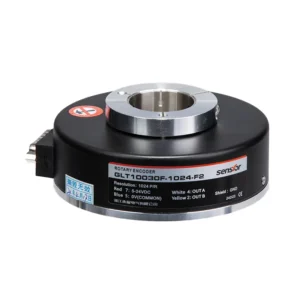
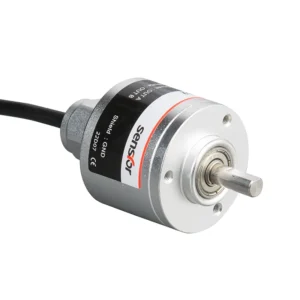
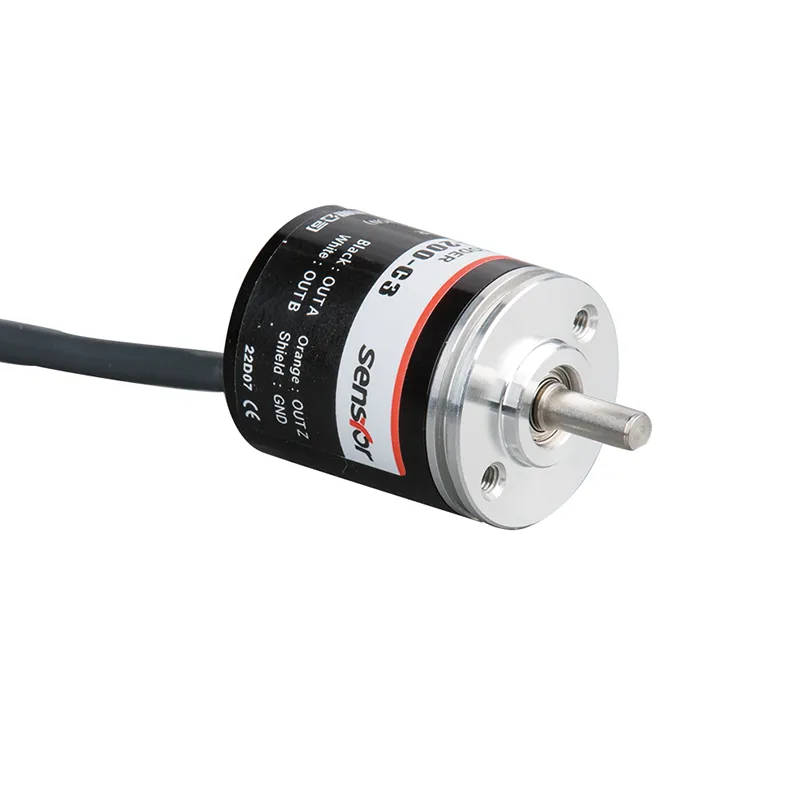
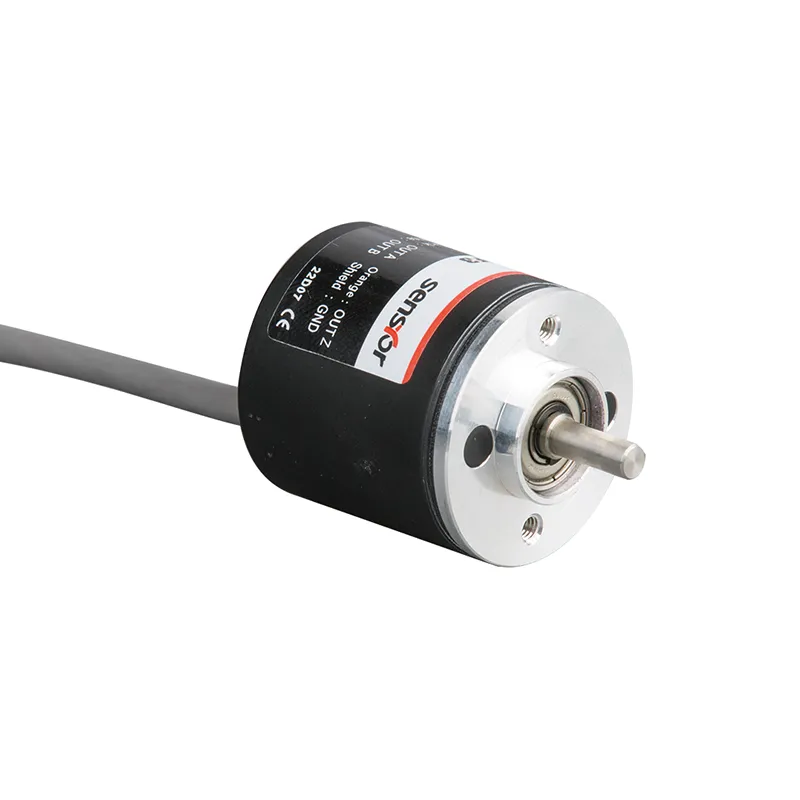
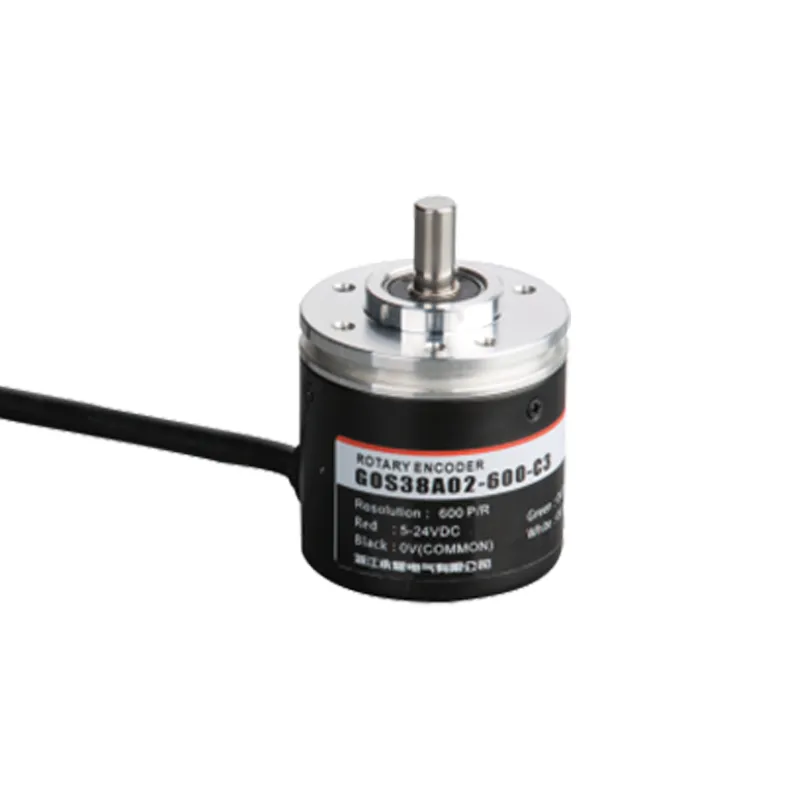
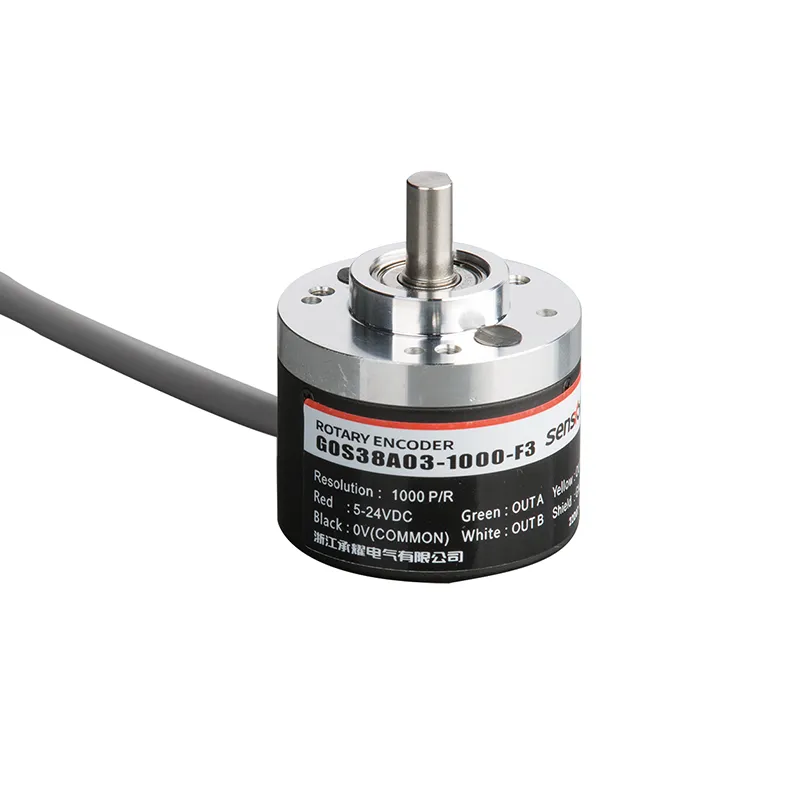
A PLC compatible rotary encoder is an industrial feedback device designed to communicate directly with Programmable Logic Controllers (PLCs). It converts mechanical movement, such as rotation or linear motion, into electrical signals that a PLC can process for accurate machine control.
In modern automation systems, precise feedback is essential. Machines need reliable information about speed, position, and direction to operate efficiently. A PLC compatible encoder provides this critical data and helps improve productivity, accuracy, and safety.
Unlike traditional sensors, industrial encoders designed for PLC systems offer advanced communication options, including incremental signals, absolute positioning, and digital interfaces.
Manufacturers commonly use these devices in robotics, packaging machines, CNC equipment, conveyors, and automated production lines.
For high-quality industrial encoder solutions, you can explore our products here:
A PLC compatible rotary encoder works by detecting shaft movement and converting it into electrical output signals.
The basic working process includes:
Mechanical rotation occurs inside the machine.
The encoder detects movement through optical or magnetic sensing technology.
The encoder generates electrical signals.
The PLC receives and analyzes the signals.
The control system adjusts machine operation.
This communication allows automated equipment to maintain accurate speed control, positioning, and synchronization.
For example, in a conveyor system, the encoder can monitor belt movement and send feedback to the PLC. The PLC then adjusts motor speed to maintain consistent production performance.
Key Features of PLC Compatible Encoder Technology
High Precision Position Feedback
A major advantage of a PLC compatible rotary encoder is accurate position measurement.
Industrial automation requires exact movement control. Even small positioning errors can reduce product quality or cause machine downtime.
High-resolution encoders provide detailed feedback, allowing PLC systems to achieve better control.
Multiple Signal Output Options
Different PLC systems require different communication methods.
Common output options include:
Incremental A/B phase signals
Pulse output
SSI communication
CANopen interface
Modbus communication
Industrial Ethernet protocols
Choosing the correct interface ensures smooth integration between the encoder and PLC.
Durable Industrial Construction
A reliable PLC compatible rotary encoder must operate in demanding environments.
Industrial models are designed to resist:
Dust
Oil contamination
Vibration
Temperature changes
Mechanical impact
This makes them suitable for factories, warehouses, and heavy industrial applications.
Types of PLC Compatible Encoder Solutions
Incremental PLC Compatible Encoder
Incremental encoders generate pulses based on movement.
They are widely used for:
Speed measurement
Motor control
Conveyor positioning
Rotation monitoring
They are cost-effective and provide excellent performance for many automation applications.
Absolute PLC Compatible Encoder
Absolute encoders provide a unique position value for every shaft position.
Benefits include:
No position loss after power failure
Higher positioning accuracy
Better machine reliability
They are commonly used in robotics, automation equipment, and precision machinery.
Magnetic and Optical Encoder Technology
Magnetic Encoder
Magnetic encoders use magnetic fields to detect movement.
Advantages:
Strong environmental resistance
Suitable for harsh conditions
Long operational lifespan
Optical Encoder
Optical encoders use light-based detection.
Advantages:
High resolution
Excellent accuracy
Precise motion feedback
Applications of PLC Compatible Encoder in Industry
Factory Automation
Manufacturing plants depend on PLC compatible rotary encoder systems for automated production.
Applications include:
Assembly lines
Robotic arms
Material handling systems
Inspection machines
Packaging Equipment
Packaging machines require accurate timing and positioning.
Encoders help control:
Filling operations
Label placement
Cutting systems
Product alignment
CNC Machines
CNC equipment requires precise motion feedback.
A PLC compatible encoder helps monitor:
Spindle speed
Axis movement
Machine positioning
Robotics Systems
Robots need continuous feedback to perform accurate movements.
Industrial encoder feedback improves:
Robot positioning
Repeatability
Motion control
PLC compatible encoder technology enables precise communication between sensors and PLC controllers.
Benefits of Using PLC Compatible Encoder
Improved Automation Accuracy
The biggest benefit of a PLC compatible rotary encoder is improved machine precision.
Accurate feedback allows automated systems to operate with fewer errors.
📊 Comprehensive Outline for “high resolution encoder” Heading Level Topic H1 High Resolution Encoder: 13 Key Insights for Precision H2 Introduction to Encoder Technology H3 What is a High Resolution Encoder H3 Why Resolution Matters H2 How High Resolution Encoder Works H3 Signal Generation Process H3 Understanding Resolution and Accuracy H2 Types of High Resolution […]
Table of Contents Introduction to Tamagawa Encoder Replacement Tamagawa encoder replacement solutions are essential for maintaining the performance and reliability of industrial servo systems. A high-quality Tamagawa encoder replacement helps restore accurate motion feedback, reduce downtime, and extend machine lifespan. Many industries use Tamagawa encoder replacement products when original encoders become damaged, outdated, or difficult […]
Table of Contents Introduction Servo motor encoder is a critical component in modern motion control systems. A servo motor encoder provides precise feedback on position, speed, and direction, enabling accurate control of servo motors. The servo motor encoder is widely used in robotics, CNC machines, and automated production lines where precision is essential. What is […]
We use cookies to enhance your browsing experience, serve personalised ads or content, and analyse our traffic. By clicking "Accept All", you consent to our use of cookies.