Industrial automation systems operate in environments where dust, moisture, vibration, and temperature changes are common. Choosing the right position feedback device is critical for maintaining productivity and reducing downtime.
An IP65 encoder offers an effective balance between environmental protection, precision, and affordability. These devices are widely used in manufacturing equipment, packaging machines, conveyor systems, and industrial robotics where reliable motion feedback is required.
For companies seeking durable encoder solutions, selecting the correct protection rating can significantly improve equipment performance and service life.
Table of Contents
What Is an IP65 Encoder?
How an IP65 Encoder Works
Key Features of an IP65 Encoder
Benefits of Using an IP65 Encoder
Common Industrial Applications
How to Choose the Right Encoder
Installation and Maintenance Tips
Frequently Asked Questions
Conclusion
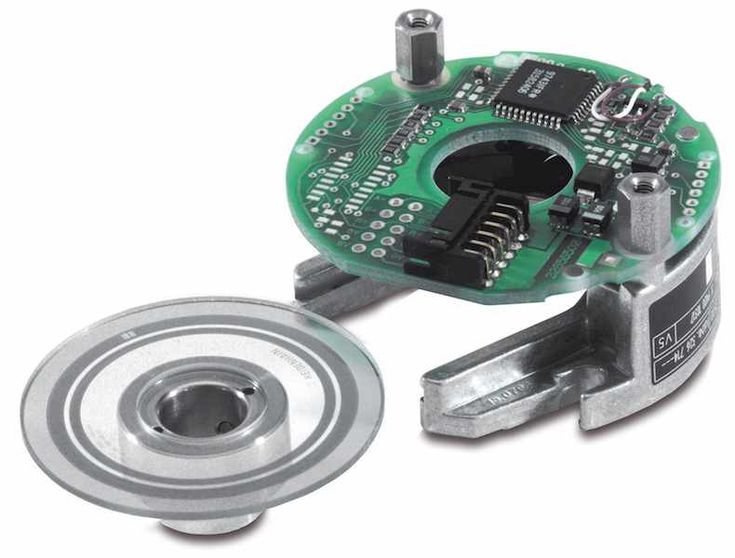
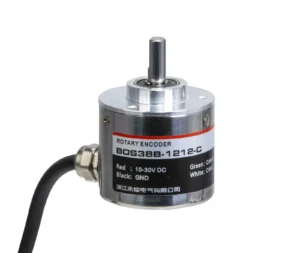
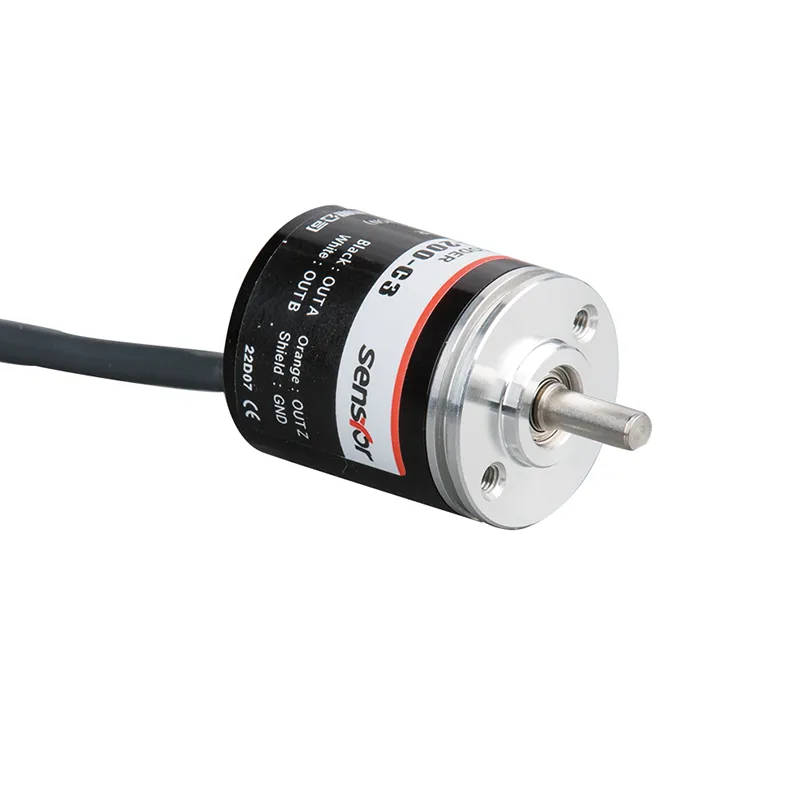
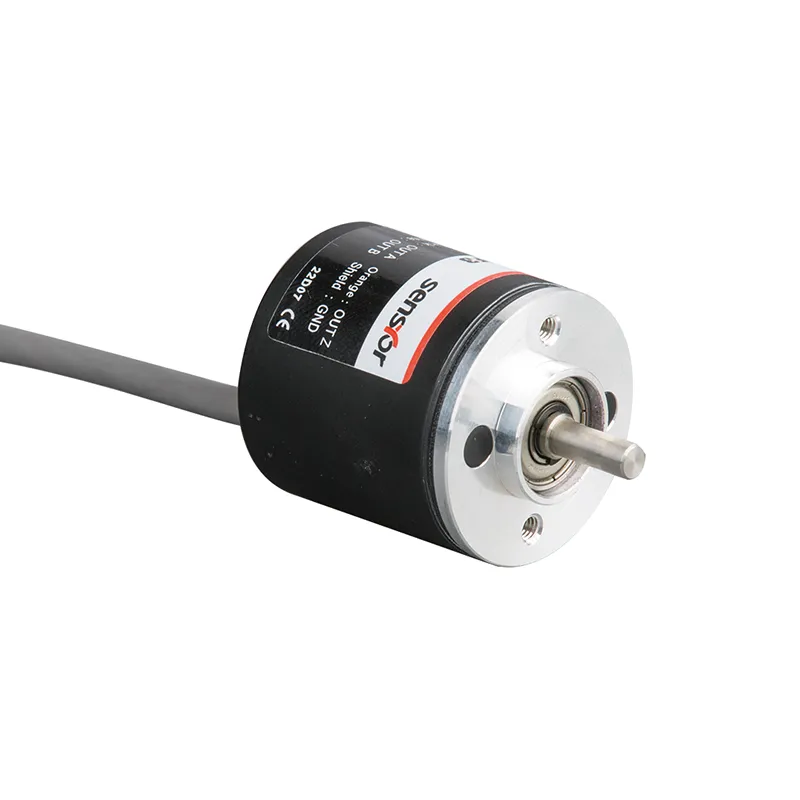
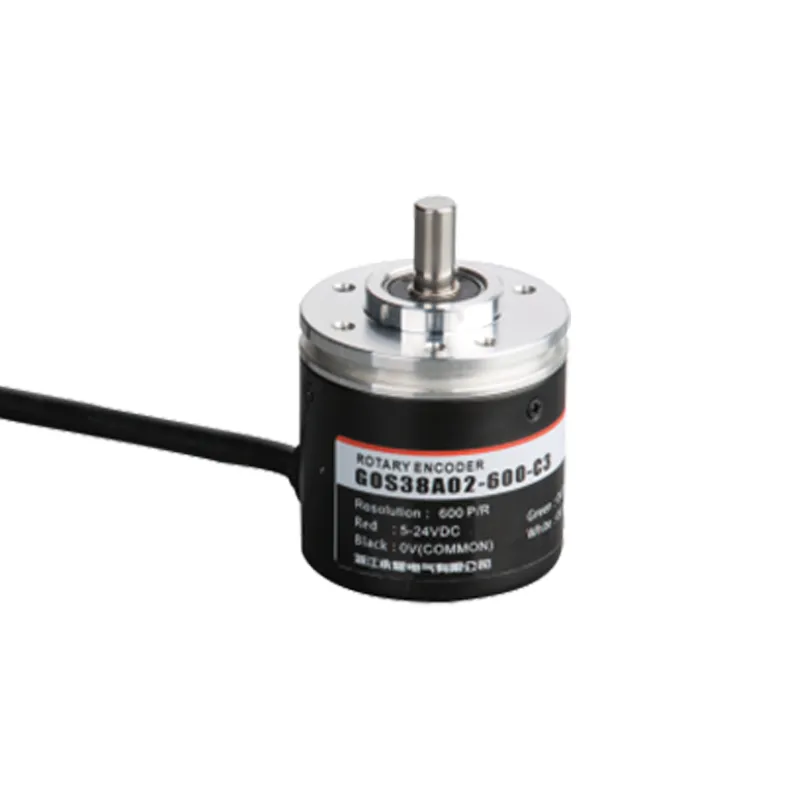
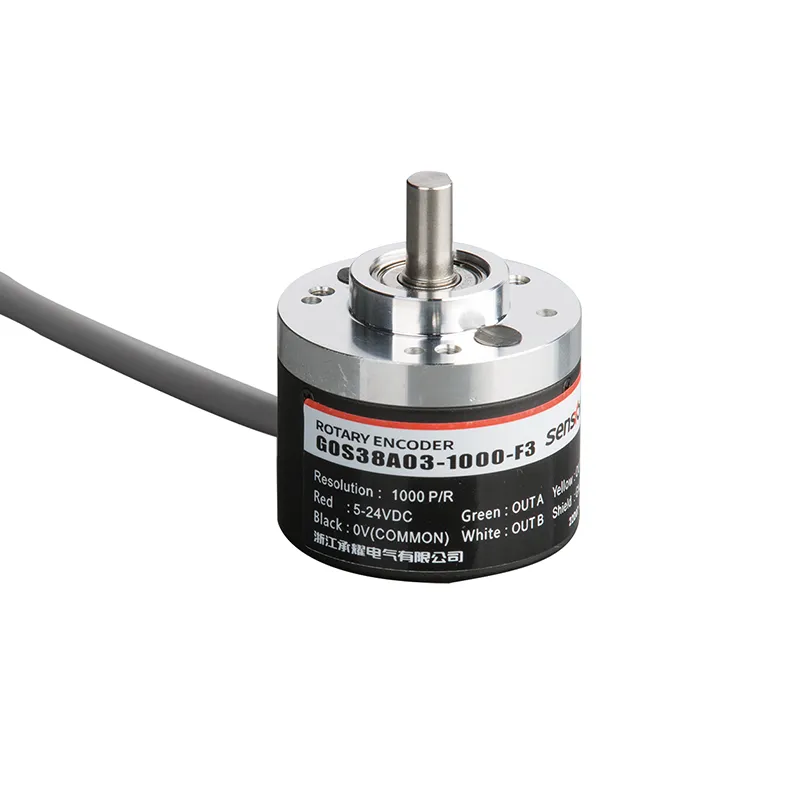
Industrial IP65 encoder designed for reliable position and speed feedback in demanding environments.
What Is an IP65 Encoder?
An IP65 encoder is a rotary sensing device designed to measure position, speed, and direction while providing protection against dust ingress and low-pressure water jets.
The IP rating follows the international IEC 60529 standard:
Rating
Protection
IP6X
Complete dust protection
IPX5
Protection against water jets
This level of protection makes the device suitable for many industrial environments where contamination may affect standard motion sensors.
How Industrial Encoders Work
An IP65 encoder converts rotational movement into electrical signals that can be interpreted by a PLC, motion controller, or industrial computer.
The device typically uses either:
IP65 Encoder with Optical Technology
Optical models provide high resolution and excellent accuracy.
IP65 Encoder with Magnetic Technology
Magnetic versions are often preferred in environments with vibration, dust, or oil exposure.
Both technologies can provide dependable feedback for industrial automation systems.
Key Features of Sealed Industrial Encoders
Dust-Proof IP65 Encoder Design
The sealed enclosure prevents dust particles from entering the housing and affecting internal components.
Water-Resistant IP65 Encoder Construction
Protection against water spray helps maintain reliability in manufacturing facilities and washdown areas.
High Accuracy Motion Feedback
Modern encoders can deliver precise position information for demanding applications.
Compact Installation Options
Many models are available in shafted and hollow-shaft configurations, making integration easier.
Benefits of Using Industrial Motion Sensors
Improved Equipment Reliability
Environmental contaminants are among the leading causes of sensor failure. A properly sealed encoder helps reduce these risks.
Reduced Maintenance Costs
Protection against dust and moisture decreases cleaning requirements and minimizes unexpected downtime.
Longer Service Life
Industrial users often experience extended operational life compared with standard unsealed alternatives.
Consistent Performance
Reliable signal output contributes to smoother machine operation and improved production quality.
Better Return on Investment
Although industrial-grade products may have a higher initial cost, reduced maintenance and longer operating life often result in lower total ownership costs.
Common Applications in Industrial Automation
Manufacturing Equipment
Production lines rely on accurate position feedback to maintain efficiency and product quality.
Conveyor Systems
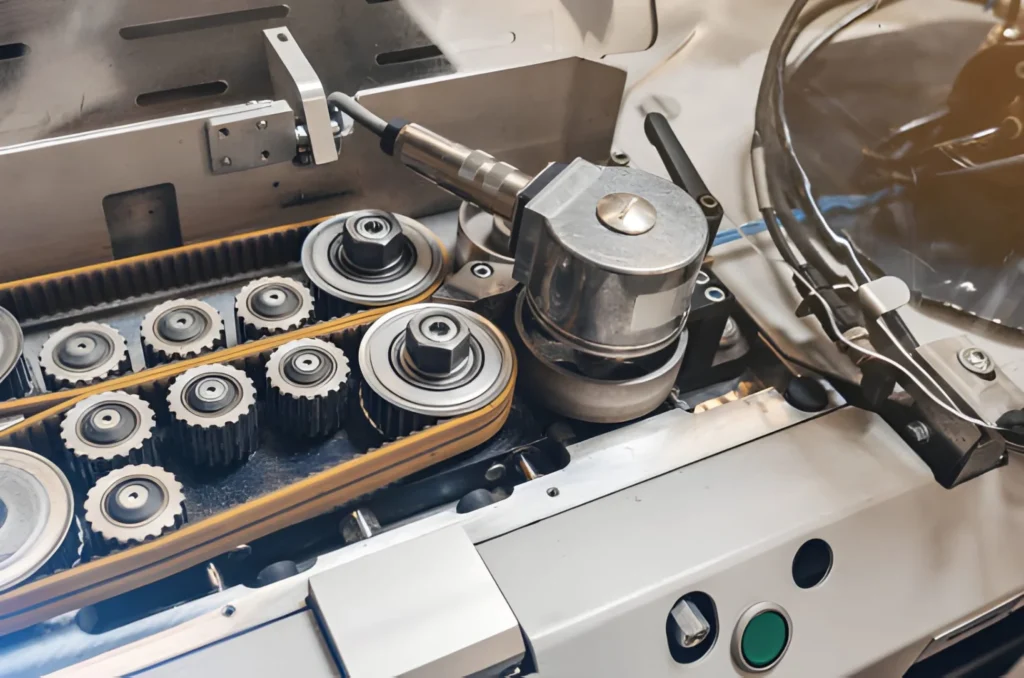
Encoders monitor belt speed and synchronization throughout material handling processes.
Packaging Machinery
Position control helps maintain consistent packaging accuracy.
Industrial Robotics
Motion control systems require dependable feedback to achieve repeatable movement.
These authoritative resources provide additional technical guidance regarding industrial motion control systems.
Installation and Maintenance Best Practices
Proper Alignment
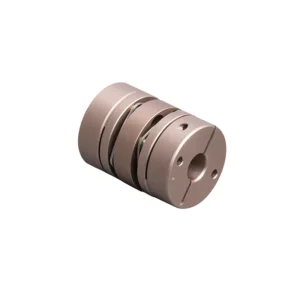
Incorrect shaft alignment can reduce bearing life and measurement accuracy.
Secure Electrical Connections
Ensure connectors and cables are properly secured to prevent signal interruption.
Routine Inspection
Periodic inspection helps identify wear before failures occur.
Follow Manufacturer Recommendations
Always follow installation specifications and maintenance schedules.
Frequently Asked Questions
What does IP65 mean?
IP65 indicates complete dust protection and resistance to low-pressure water jets.
Is an IP65 encoder waterproof?
It is water-resistant but not intended for continuous immersion.
Where are these encoders commonly used?
They are widely used in manufacturing, packaging, robotics, and conveyor applications.
What is the difference between IP65 and IP67?
IP67 products can withstand temporary immersion in water, while IP65 products are protected against water jets.
Can an IP65 encoder be used outdoors?
Yes, provided environmental conditions remain within the manufacturer’s specifications.
How long does an industrial encoder typically last?
Service life depends on operating conditions, installation quality, and maintenance practices.
Conclusion
An IP65 encoder provides an excellent combination of environmental protection, reliability, and performance for industrial automation applications. Its resistance to dust and water exposure makes it a practical solution for manufacturing equipment, conveyor systems, robotics, and packaging machinery.
By selecting the correct encoder specifications and following proper installation practices, businesses can improve operational efficiency while reducing maintenance costs.
For professional industrial encoder solutions, visit:
Table of Contents Introduction Encoder for CNC technology plays a critical role in modern machining systems. An encoder for CNC provides real-time position and speed feedback, allowing machine tools to achieve precise movement and repeatable accuracy. Whether used in milling machines, lathes, routers, or machining centers, an encoder for CNC helps manufacturers improve productivity and […]
What Is a 2500ppr Encoder? A 2500ppr encoder is a high-resolution rotary feedback device designed to measure shaft rotation, speed, and position in industrial automation systems. The term PPR means “pulses per revolution,” which represents the number of electrical pulses generated during one complete shaft rotation. A 2500ppr encoder produces 2500 pulses per revolution, allowing […]
Table of Contents What Is a High Resolution Encoder? A industrial encoder is a precision sensing device designed to provide extremely accurate position, speed, and motion feedback. It converts mechanical movement into electrical signals that can be interpreted by industrial controllers, PLCs, robotics systems, and motion-control equipment. Compared with standard encoders, these devices generate a […]
We use cookies to enhance your browsing experience, serve personalised ads or content, and analyse our traffic. By clicking "Accept All", you consent to our use of cookies.