Why Do Industries Need Tamagawa Servo Encoder Replacement?
How to Choose the Right Tamagawa Servo Encoder Replacement
Types of Servo Encoders for Industrial Applications
Benefits of Using a Reliable Servo Encoder Replacement
Installation Considerations and Maintenance Tips
Industrial Applications of Servo Encoder Replacement
Frequently Asked Questions
Conclusion
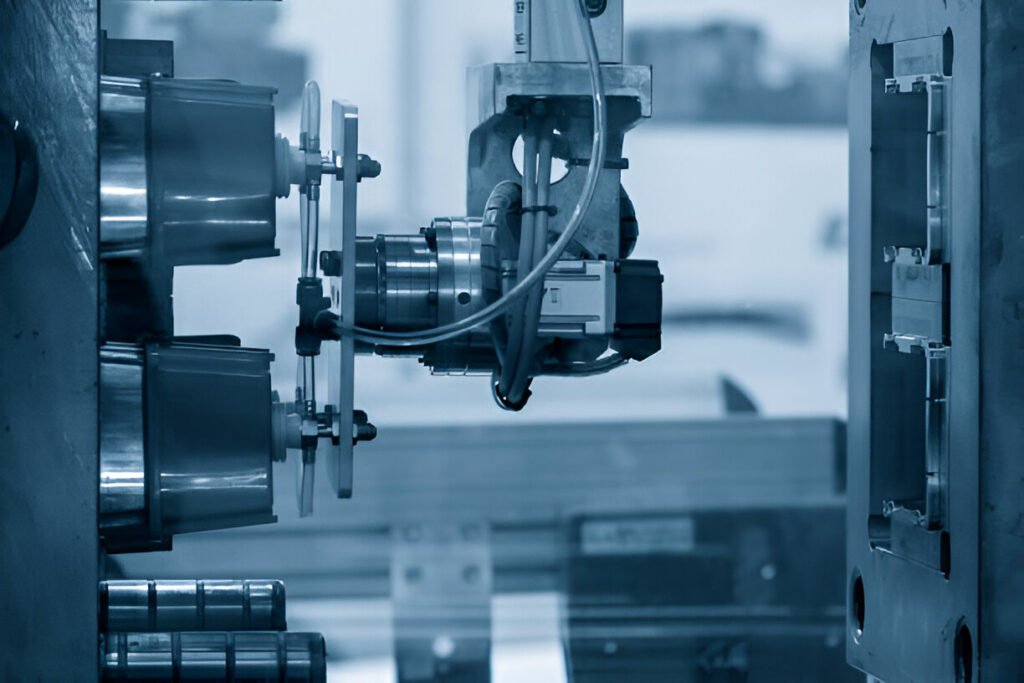
Industrial automation systems depend on reliable servo encoder replacement solutions for precise control.
What Is Tamagawa Servo Encoder Replacement?
Tamagawa servo encoder replacement refers to replacing an original Tamagawa encoder installed in a servo motor system with a compatible or upgraded encoder solution.
Servo encoders are essential components in industrial automation because they provide accurate position, speed, and motion feedback to controllers. When an encoder fails, becomes obsolete, or no longer meets production requirements, selecting the correct replacement is critical to maintaining machine performance.
Modern factories depend on precise motion control systems. A suitable replacement encoder can help reduce downtime, improve accuracy, and extend the service life of automation equipment.
Many industries use servo motors with feedback devices from manufacturers such as Tamagawa, but long-term maintenance can become challenging due to availability, cost, or compatibility issues. Therefore, finding a reliable Tamagawa servo encoder replacement has become an important task for automation engineers.
Why Do Industries Need Tamagawa Servo Encoder Replacement?
Servo encoders operate continuously in demanding industrial environments. Over time, mechanical wear, electrical damage, vibration, contamination, and aging components can affect encoder performance.
Common reasons for replacement include:
Encoder signal failure
Reduced positioning accuracy
Aging servo systems
Production downtime caused by encoder faults
Difficulty sourcing original replacement parts
Upgrading machine performance
A properly selected replacement encoder ensures that servo motors continue delivering accurate feedback signals.
According to general industrial automation practices, encoder feedback plays a major role in closed-loop control systems.
Installation Considerations for Servo Encoder Replacement
Verify Mechanical Dimensions
Before installation, check:
Encoder mounting holes
Shaft coupling size
Housing dimensions
Incorrect mechanical fitting can lead to vibration or inaccurate feedback.
Check Electrical Specifications
Confirm:
Voltage requirements
Wiring configuration
Connector type
Communication protocol
Proper electrical matching prevents system failures.
Perform Calibration After Installation
After installing a replacement encoder:
Check signal feedback
Perform servo tuning
Verify positioning accuracy
Test machine operation
Calibration ensures optimal performance.
Recommended Industrial Encoder Solutions
When searching for a dependable Tamagawa servo encoder replacement, choosing an experienced encoder manufacturer is important.
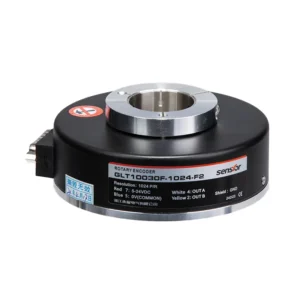
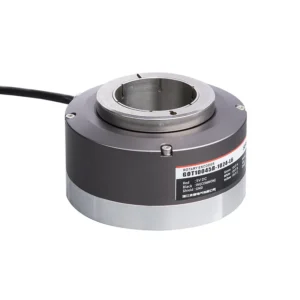
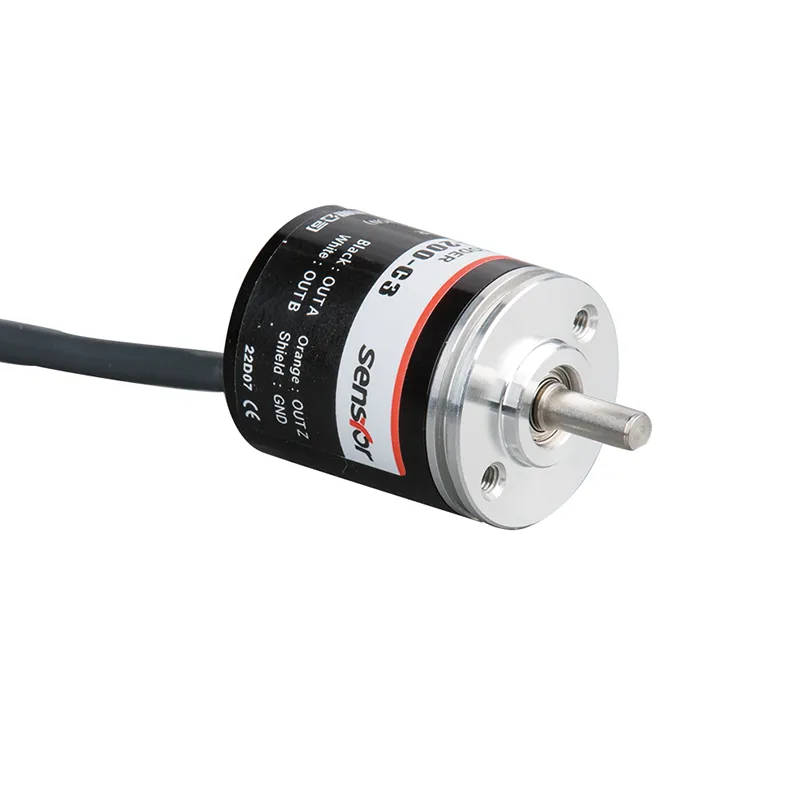
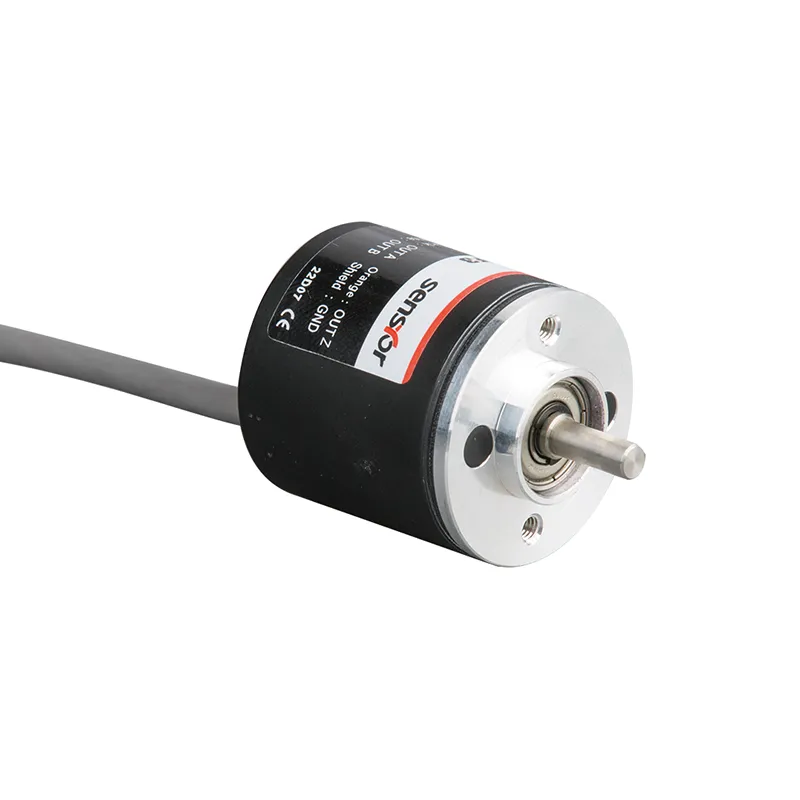
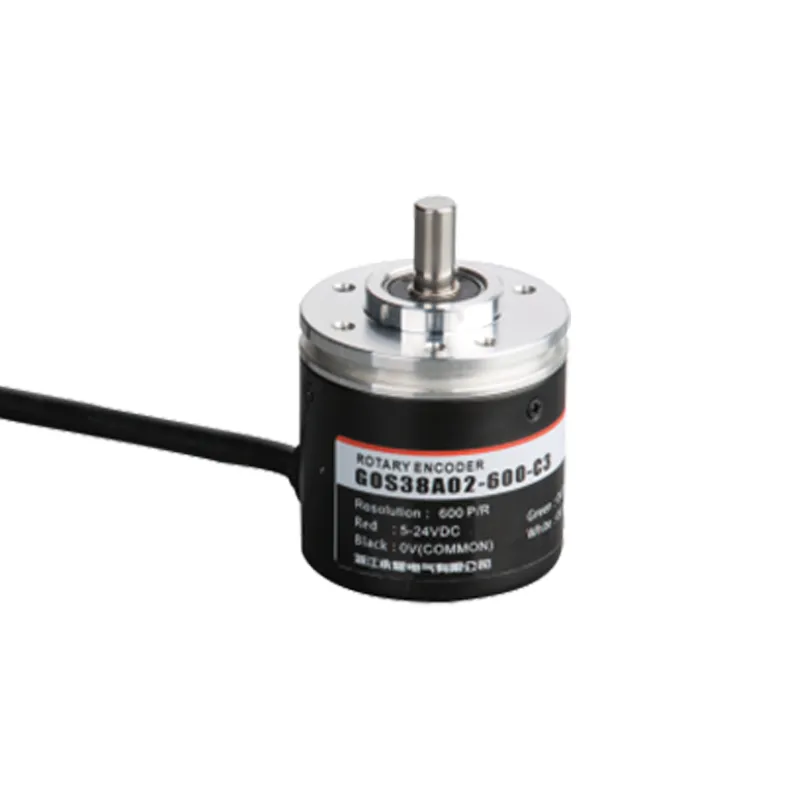
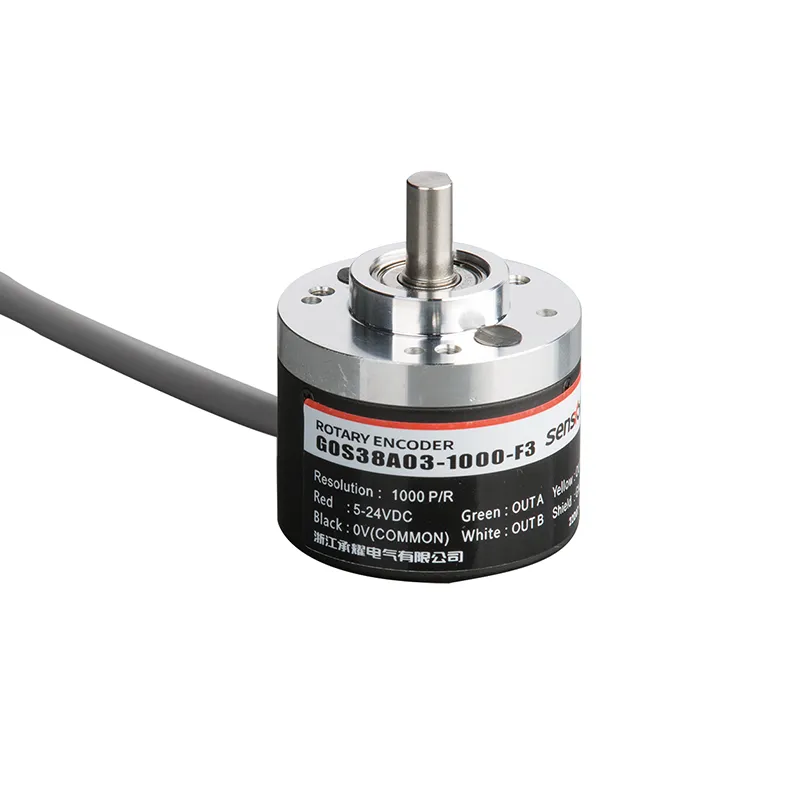
Sensy Encoder provides industrial encoder solutions designed for automation applications, including rotary encoder products suitable for motion control systems.
Tamagawa servo encoder replacement means replacing an original Tamagawa encoder with a compatible encoder solution that provides similar or improved feedback performance.
2. Why do servo encoders need replacement?
Servo encoders may require replacement because of aging, mechanical damage, signal errors, or difficulties obtaining original components.
3. Can a compatible encoder replace a Tamagawa encoder?
Yes. A compatible encoder can replace a Tamagawa encoder if mechanical and electrical specifications match correctly.
4. What should I check before purchasing a servo encoder replacement?
You should check encoder resolution, mounting size, output signal, voltage requirements, and communication compatibility.
5. Is encoder replacement difficult?
Replacement difficulty depends on the machine system. Professional installation and calibration are recommended for high-precision equipment.
6. Where can I find industrial servo encoder replacement solutions?
You can explore industrial encoder products from Sensy Encoder here:
Introduction to 50mm Encoder A 50mm encoder is a compact yet powerful motion sensing device widely used in industrial automation, robotics, and precision machinery. Designed with a 50mm housing size, it offers an ideal balance between space efficiency and performance. A 50mm encoder helps convert mechanical motion into electrical signals, enabling accurate position and speed […]
Modern industrial automation relies heavily on accurate feedback devices. An encoder for PLC plays a critical role in helping programmable logic controllers monitor position, speed, rotation, and movement within automated systems. Whether used in conveyor systems, packaging machinery, robotics, or material handling equipment, an encoder for PLC enables precise control and reliable machine performance. What […]
Table of Contents Introduction Autonics encoder replacement solutions are increasingly important in modern industrial automation systems. Many manufacturers and automation engineers search for reliable Autonics encoder replacement products when upgrading equipment, improving performance, or replacing discontinued encoder models. A high-quality Autonics encoder replacement provides stable motion feedback, improved durability, and compatibility with existing automation systems. […]
We use cookies to enhance your browsing experience, serve personalised ads or content, and analyse our traffic. By clicking "Accept All", you consent to our use of cookies.