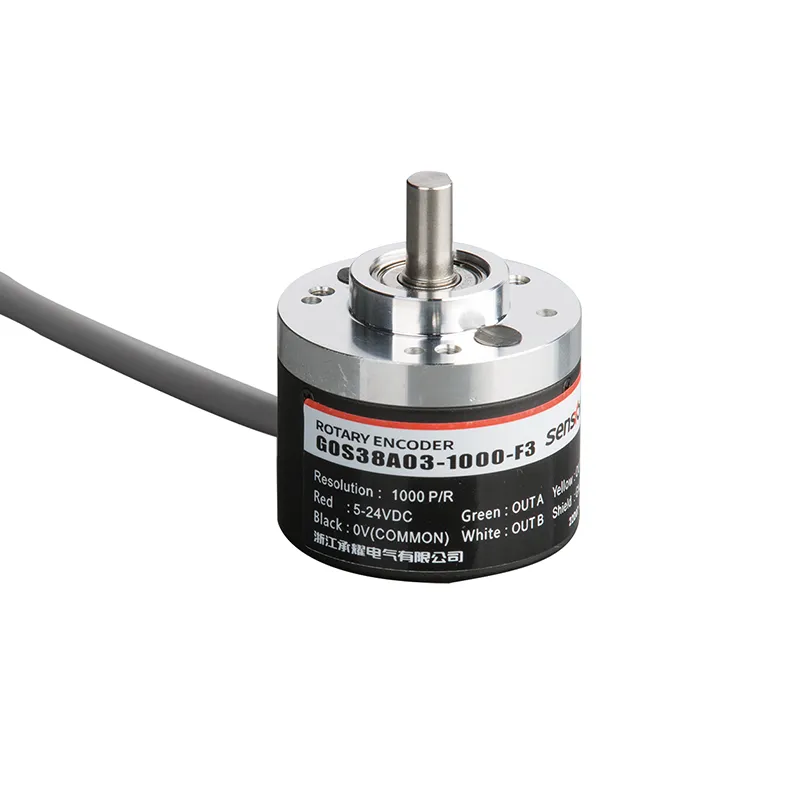
Modern industrial automation relies heavily on accurate feedback devices. An encoder for PLC plays a critical role in helping programmable logic controllers monitor position, speed, rotation, and movement within automated systems. Whether used in conveyor systems, packaging machinery, robotics, or material handling equipment, an encoder for PLC enables precise control and reliable machine performance.
What Is an Encoder for PLC?
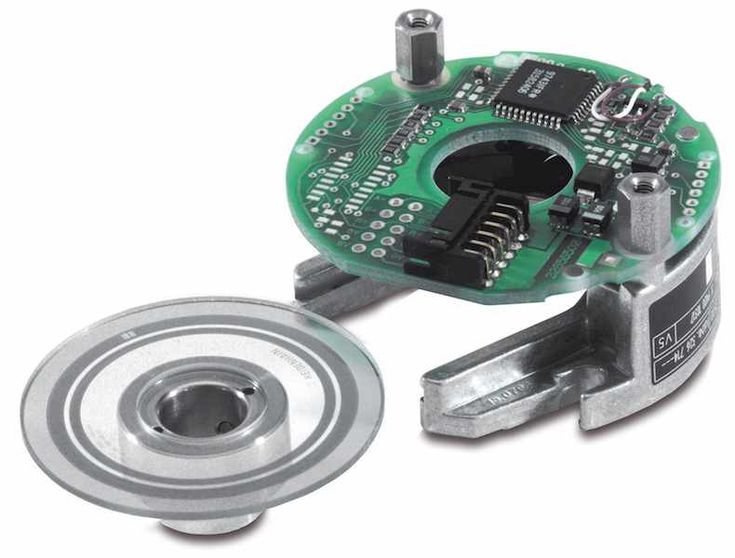
An encoder for PLC is a sensor that converts mechanical motion into electrical signals that can be processed by a programmable logic controller (PLC). The PLC uses this information to monitor and control machine operations in real time.
Encoders are widely used in manufacturing environments where accuracy, repeatability, and synchronization are essential. By integrating an encoder for PLC, operators can improve machine efficiency while reducing positioning errors and downtime.
How an Encoder for PLC Works
An encoder for PLC generates pulses or digital position data as a shaft rotates or moves linearly. The PLC receives these signals through dedicated high-speed inputs or communication networks.
The process typically involves:
Detecting motion or rotation.
Converting movement into electrical signals.
Transmitting signals to the PLC.
Processing data for control decisions.
Adjusting machine operations accordingly.
This feedback loop allows the PLC to maintain precise control over automated equipment.
Key Benefits of Using an Encoder for PLC
Improved Position Accuracy with an Encoder for PLC
Accurate positioning is critical for packaging, assembly, cutting, and material handling processes. An encoder for PLC helps machines reach exact target positions consistently.
Better Speed Monitoring Using an Encoder for PLC
Manufacturers use an encoder for PLC to monitor motor speed and ensure equipment operates within specified parameters.
Enhanced Automation Efficiency
An encoder for PLC allows automated systems to react quickly to operational changes, improving productivity and reducing waste.
Reduced Downtime
Reliable feedback from an encoder for PLC helps identify issues before they become major failures, reducing maintenance costs and production interruptions.
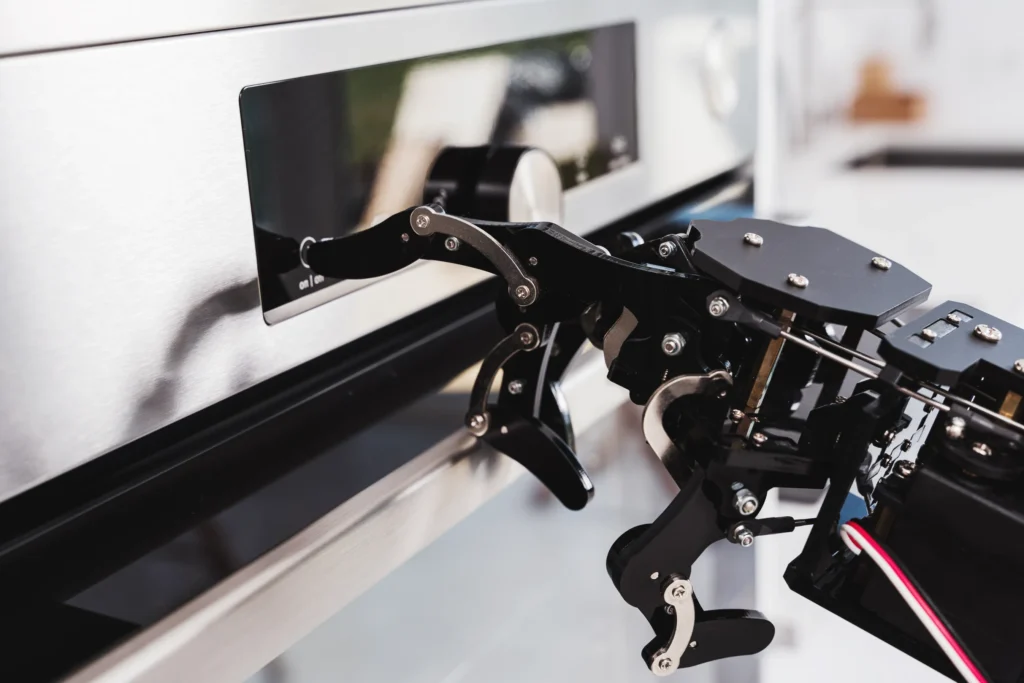
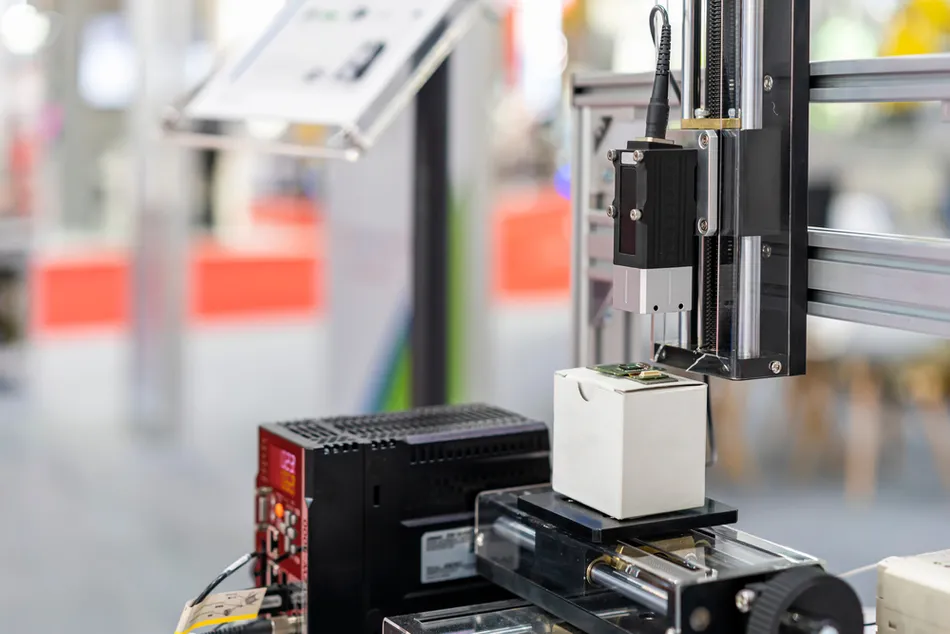
Encoder for PLC used for precise motion feedback in automated manufacturing.
Types of Encoder for PLC Applications
Incremental Encoder for PLC
Incremental encoders generate pulse outputs that indicate movement and speed. They are commonly used in conveyor systems, packaging equipment, and motor control applications.
Absolute Encoder for PLC
Absolute encoders provide exact position information, even after power loss. These devices are preferred for applications requiring high precision and safety.
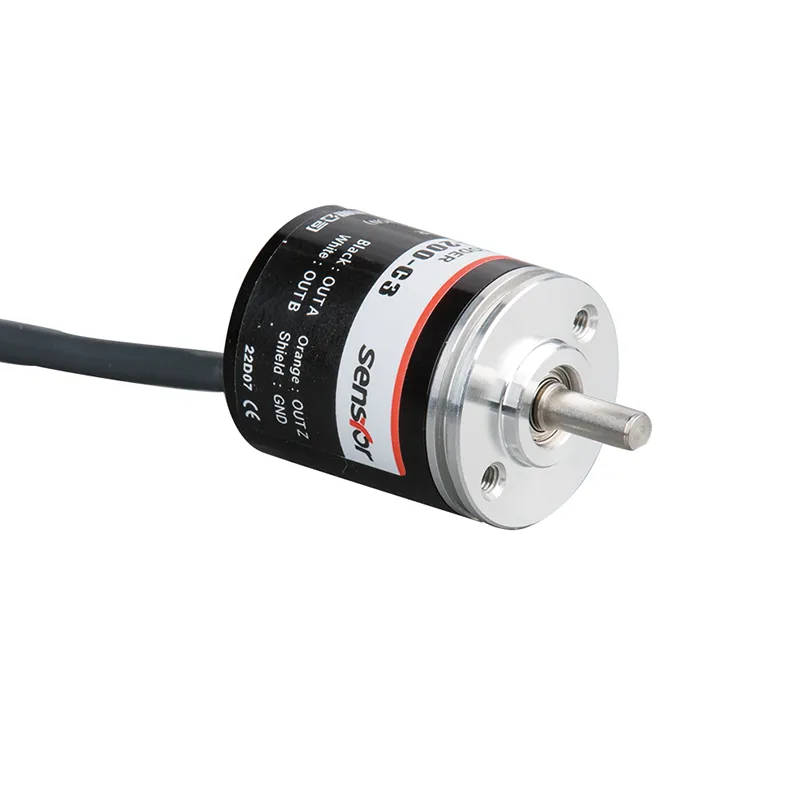
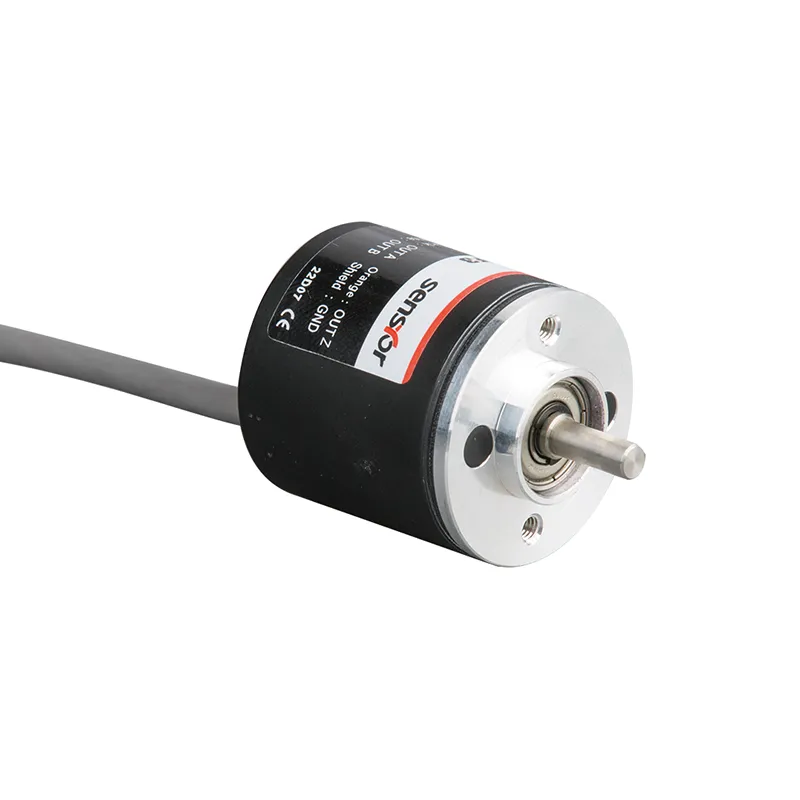
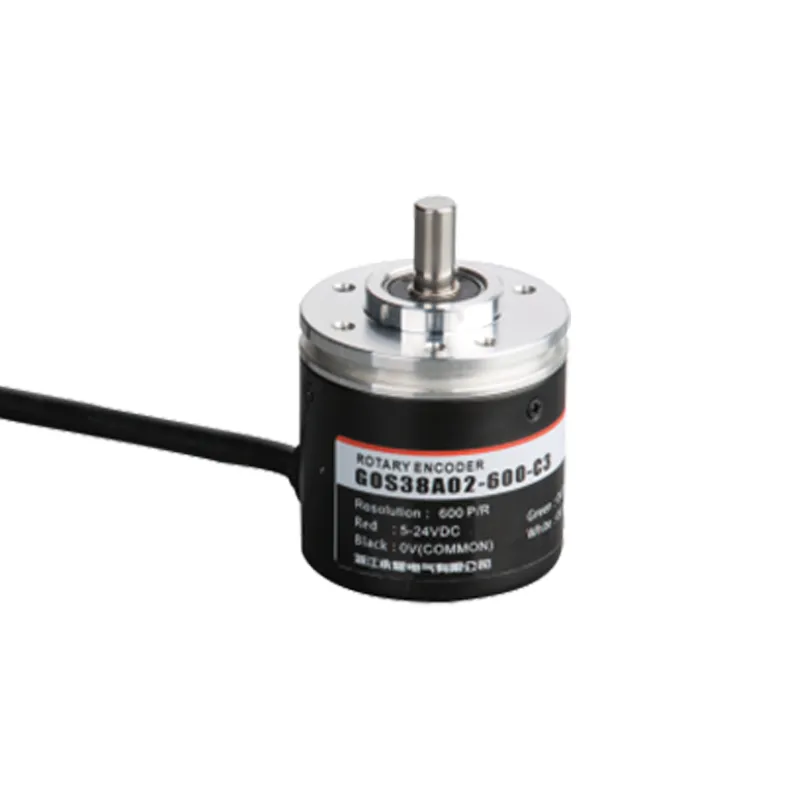
Rotary Encoder for PLC
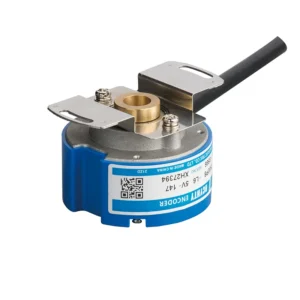
A rotary encoder for PLC measures rotational movement and is commonly installed on motors, shafts, and drive systems.
Linear Encoder for PLC
Linear encoders measure straight-line movement and are used in CNC machinery, automated storage systems, and precision manufacturing equipment.
Common Applications of Encoder for PLC Systems
Manufacturing Automation
An encoder for PLC supports accurate positioning and synchronization in automated production lines.
Conveyor Systems
Factories use an encoder for PLC to monitor conveyor speed and product movement.
Packaging Equipment
Packaging machines depend on an encoder for PLC for labeling, filling, sealing, and product tracking.
Robotics
Industrial robots utilize encoder feedback to achieve precise movement and repeatable positioning.
Material Handling Equipment
Cranes, lifts, and automated storage systems often require an encoder for PLC to ensure safe and efficient operation.
How to Choose the Right Encoder for PLC
When selecting an encoder for PLC, consider the following factors:
Resolution Requirements
Higher resolution provides more detailed motion feedback.
Environmental Conditions
Choose rugged models for harsh environments involving dust, moisture, vibration, or extreme temperatures.
Output Signal Compatibility
Verify compatibility with PLC inputs, including:
HTL
TTL
Push-pull
SSI
Modbus
CANopen
EtherCAT
Mounting Requirements
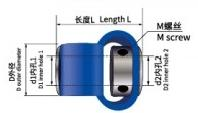
Select shaft, hollow shaft, or flange-mounted designs based on machine requirements.
Encoder for PLC Installation Best Practices
Proper installation improves performance and service life.
Recommendations include:
Align shafts accurately.
Avoid excessive vibration.
Protect cables from damage.
Follow manufacturer wiring diagrams.
Use appropriate shielding to minimize electrical noise.
Internal Resources for Encoder Solutions
Explore industrial encoder products and technical resources:
An encoder for PLC is a fundamental component of modern automation systems. By delivering accurate motion feedback, improving machine efficiency, and supporting advanced control strategies, encoder technology continues to play a vital role in industrial operations. Selecting the right encoder and integrating it correctly with a PLC can significantly improve productivity, reliability, and overall system performance.
Industrial automation systems operate in environments where dust, moisture, vibration, and temperature changes are common. Choosing the right position feedback device is critical for maintaining productivity and reducing downtime. An IP65 encoder offers an effective balance between environmental protection, precision, and affordability. These devices are widely used in manufacturing equipment, packaging machines, conveyor systems, and […]
A rotary encoder for robotics equipment provides rotational feedback that can help a robot control system monitor position, speed, direction, or movement. Encoders are commonly considered in robotic arms, servo motors, automated machinery, positioning systems, and other motion-control applications. For robotics manufacturers, OEMs, engineers, and system integrators, choosing the right encoder requires careful consideration of […]
Table of Contents What Is a Through-Hole Rotary Encoder? A through-hole rotary encoder is a type of rotary sensing device designed with a hollow center shaft, allowing cables, shafts, or mechanical components to pass through the middle of the encoder. This unique structure makes it ideal for applications where installation space is limited and precise […]
We use cookies to enhance your browsing experience, serve personalised ads or content, and analyse our traffic. By clicking "Accept All", you consent to our use of cookies.